
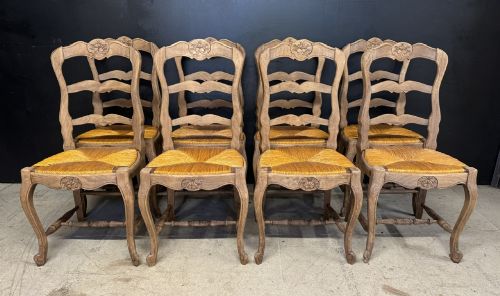
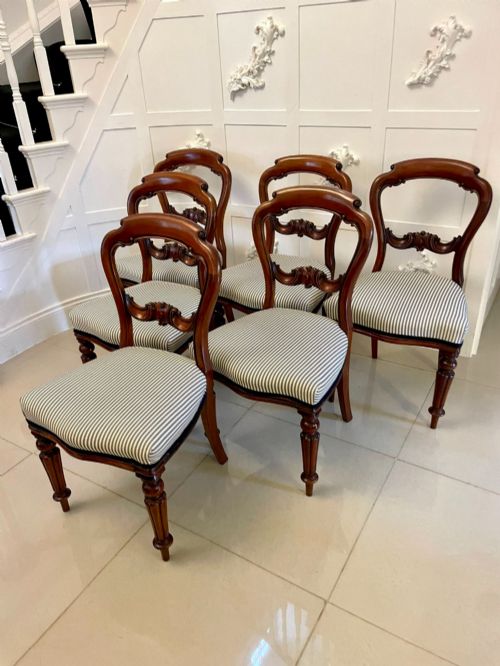
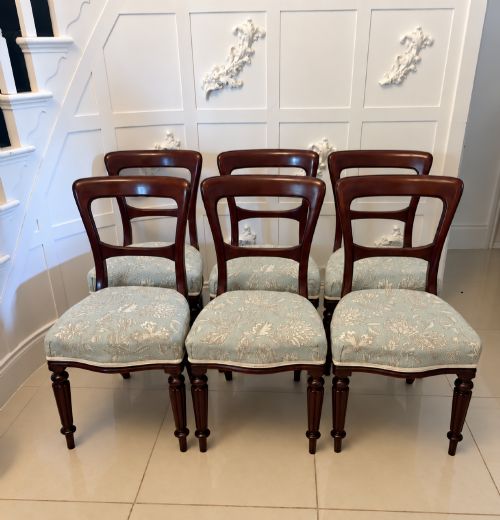
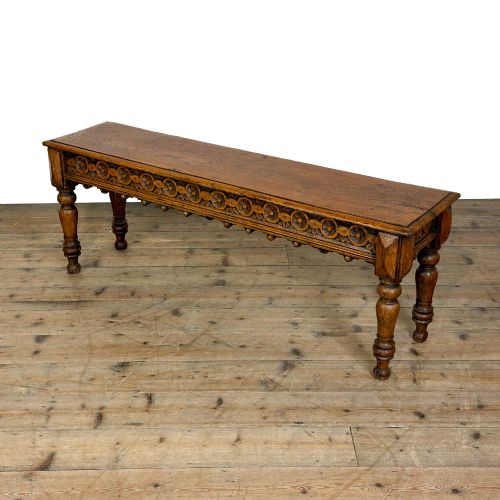
Antique Carved Seat
An antique carved seat brings functional craftsmanship into daily rooms, spanning sturdy oak benches and polished mahogany dining chairs.
Antique Carved Seat
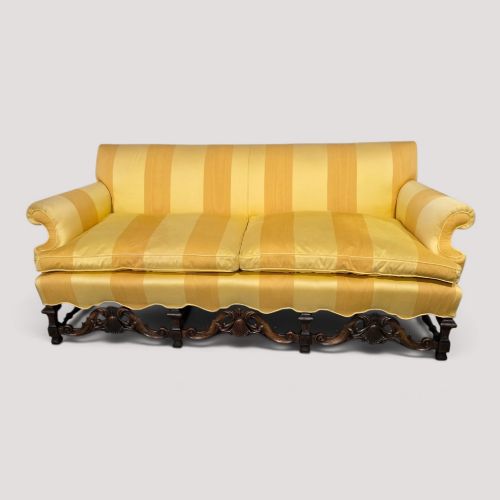
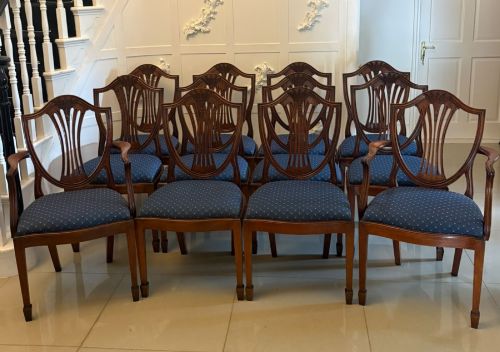
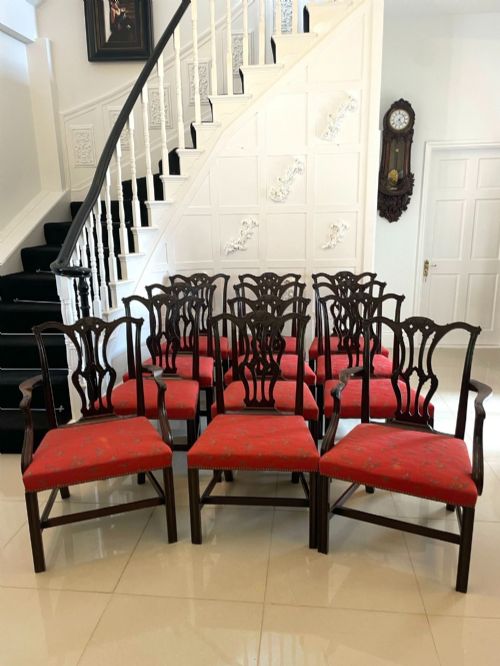
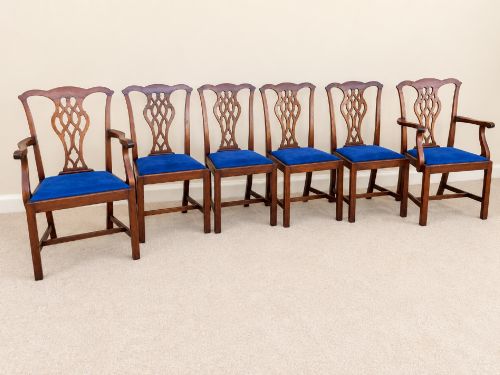
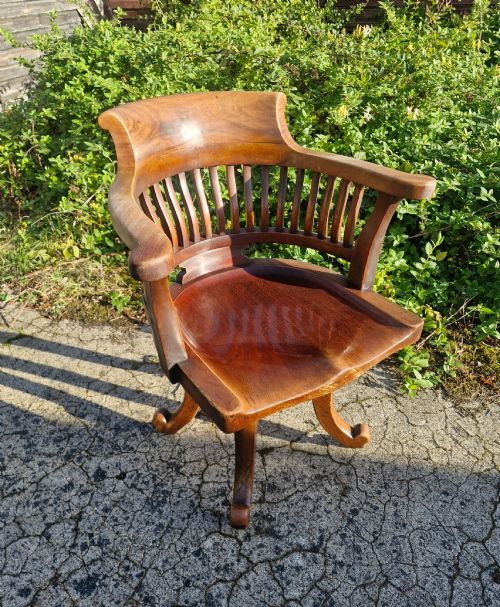
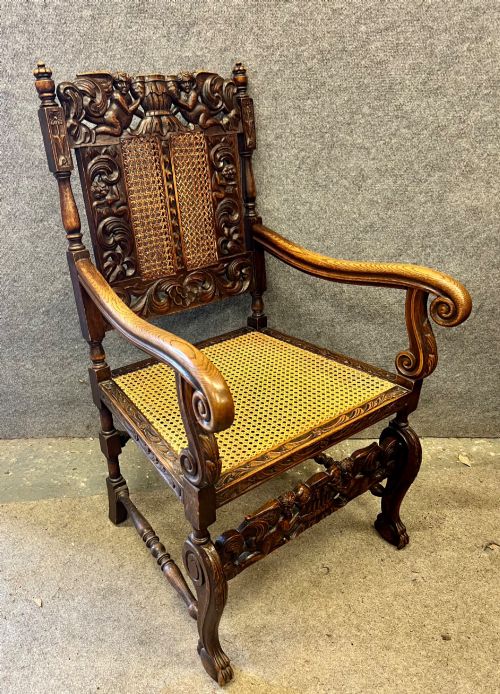
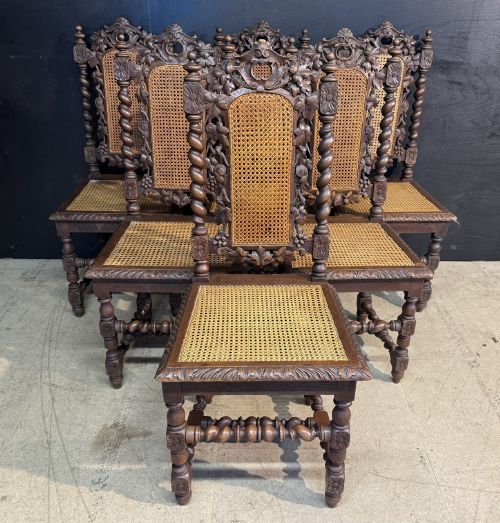
The assortment on this page ranges from single hall chairs with decorative wooden backs to sets of dining chairs and multi-seat settees. Walnut and oak dominate the heavier forms, while lighter rosewood and mahogany appear frequently among parlour and library seating.
Regional variations emerge clearly across the inventory, including Scottish baronial benches, Welsh heart-pierced oak forms, and continental European styles. These pieces reflect the domestic habits of past centuries, where seating often doubled as storage or architectural decoration.
Judging distinction
The crispness and depth of the timber carving dictate the visual standard of a piece, distinguishing sharp, hand-chiselled detailing from softer, mechanised execution. Superior examples retain original surface patination without excessive sanding or modern chemical stripping.
Structural integrity depends upon the tightness of the joinery and the retention of matching components within sets of chairs. Alterations, replaced timber elements, or mismatched frames diminish the uniformity expected in exhibition-grade specimens.
The choice of primary wood grain and the complexity of decorative enrichment separate standard utility seating from commissioned, high-status items bearing refined stylistic flourishes.
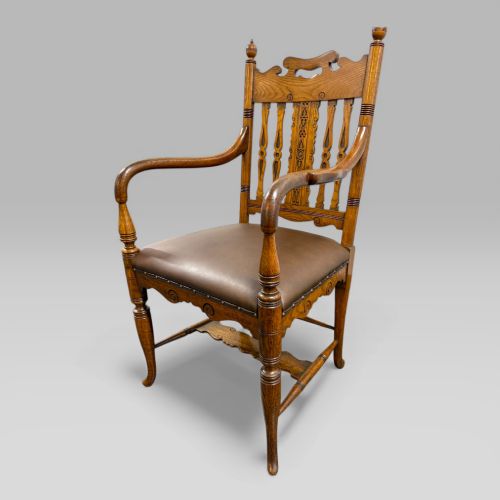
Periods represented stretch from sixteenth-century ecclesiastical walnut sculptures through to Edwardian and Arts and Crafts dining chairs.
Waugh And Son·Charles Tozer
The Antique Carved Seat Glossary
- Settle
- A wooden bench featuring a high back designed to block draughts, often incorporating a hinged seat above a storage box.
- Hall Chair
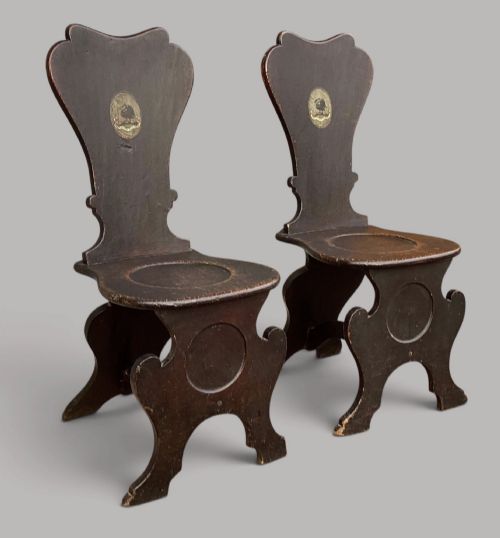
- A rigid, often unpadded wooden seat placed in entrance halls, typically displaying carved family crests or decorative back panels.
- Prie Dieu
- A devotional kneeling chair featuring a low seat and a sloping upper rest for prayer books, common in nineteenth-century interiors.
- Monk's Bench
- A convertible piece of furniture functioning as a table with a tilting back that transforms the top into a chair or settle.
- Giltwood
- Timber coated with a thin layer of gold leaf over a prepared gesso ground, frequently utilised on decorative nineteenth-century frames.
Antique Carved Seat: Frequently Asked Questions
How do I identify an eighteenth-century settle?
Eighteenth-century settles generally display pegged oak construction with panelled backs and signs of long-term wear around the armrests. The timber develops a deep, unforced patina through generations of handling.
Underside inspection often reveals hand-cut framing marks and irregular board widths absent in later revival pieces.
Were dining chairs always sold in sets?
Earlier dining seating was frequently commissioned in matched pairs or smaller groupings rather than large uniform sets. Sets grew substantially during the Victorian period to accommodate larger dining rooms.
Individual chairs within older sets often display minor hand-carved variations that confirm independent creation before assembly.
What is a window seat used for?
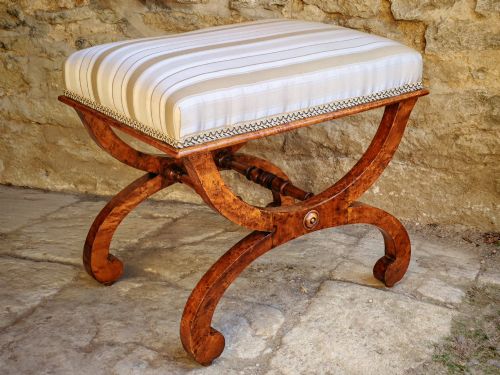
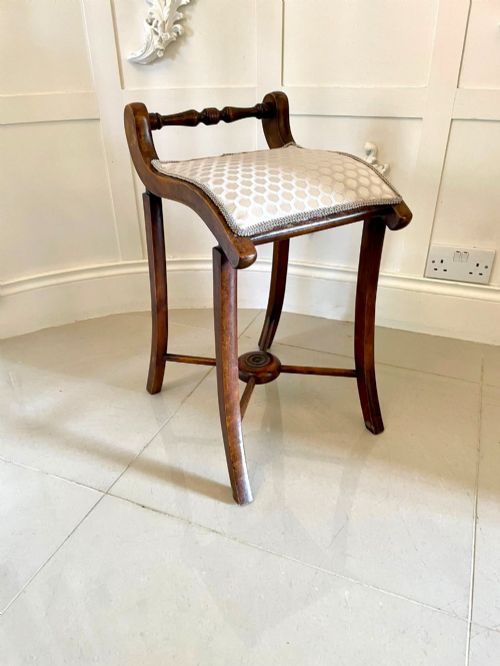
Window seats were designed specifically for placement in deep embrasures to provide low lounging or viewing positions. Their narrow proportions distinguished them from standard sofas and benches.
They frequently feature scroll arms and padded upholstery matching the decorative textiles of the surrounding room.
How should I care for antique wood carving?
Preserving carved wooden seats requires stable indoor humidity and protection from direct sunlight to prevent timber shrinkage. Occasional application of microcrystalline wax maintains the moisture balance of the surface.
Harsh chemical cleaners should be avoided to preserve the accumulation of historic polish and wax.