


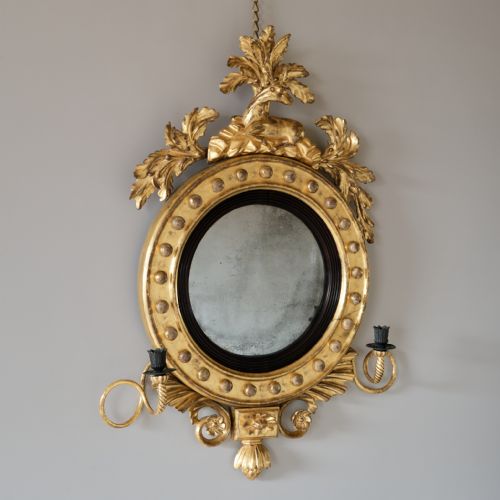
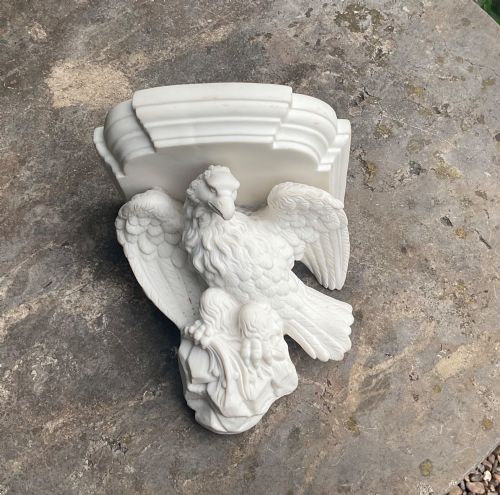
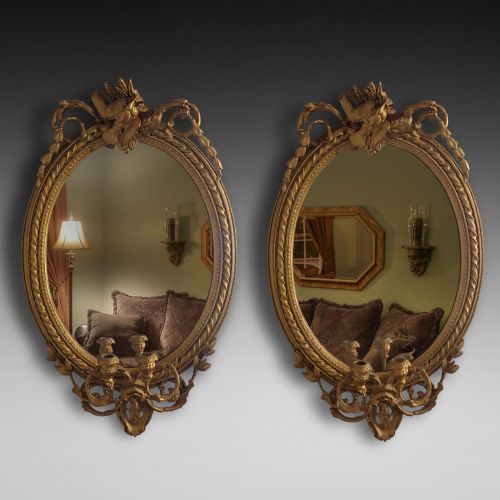
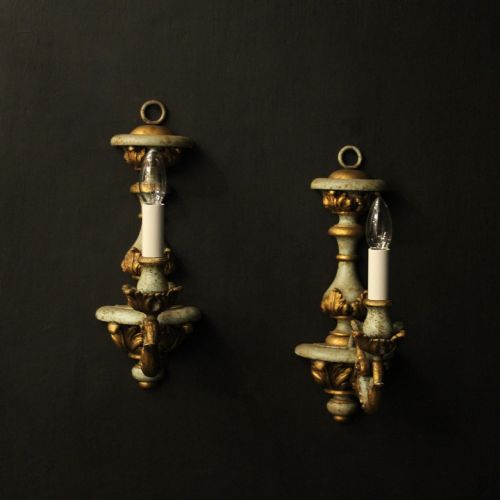
Antique Carved Sconces
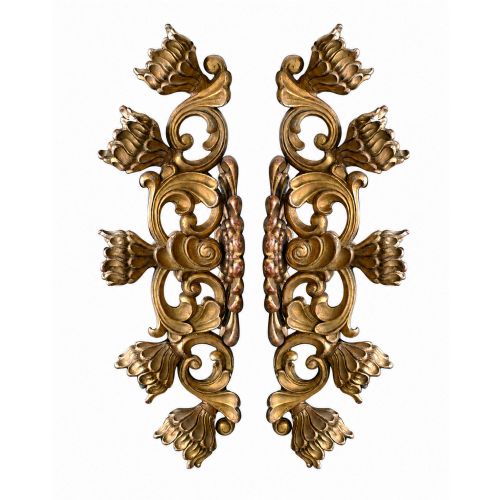
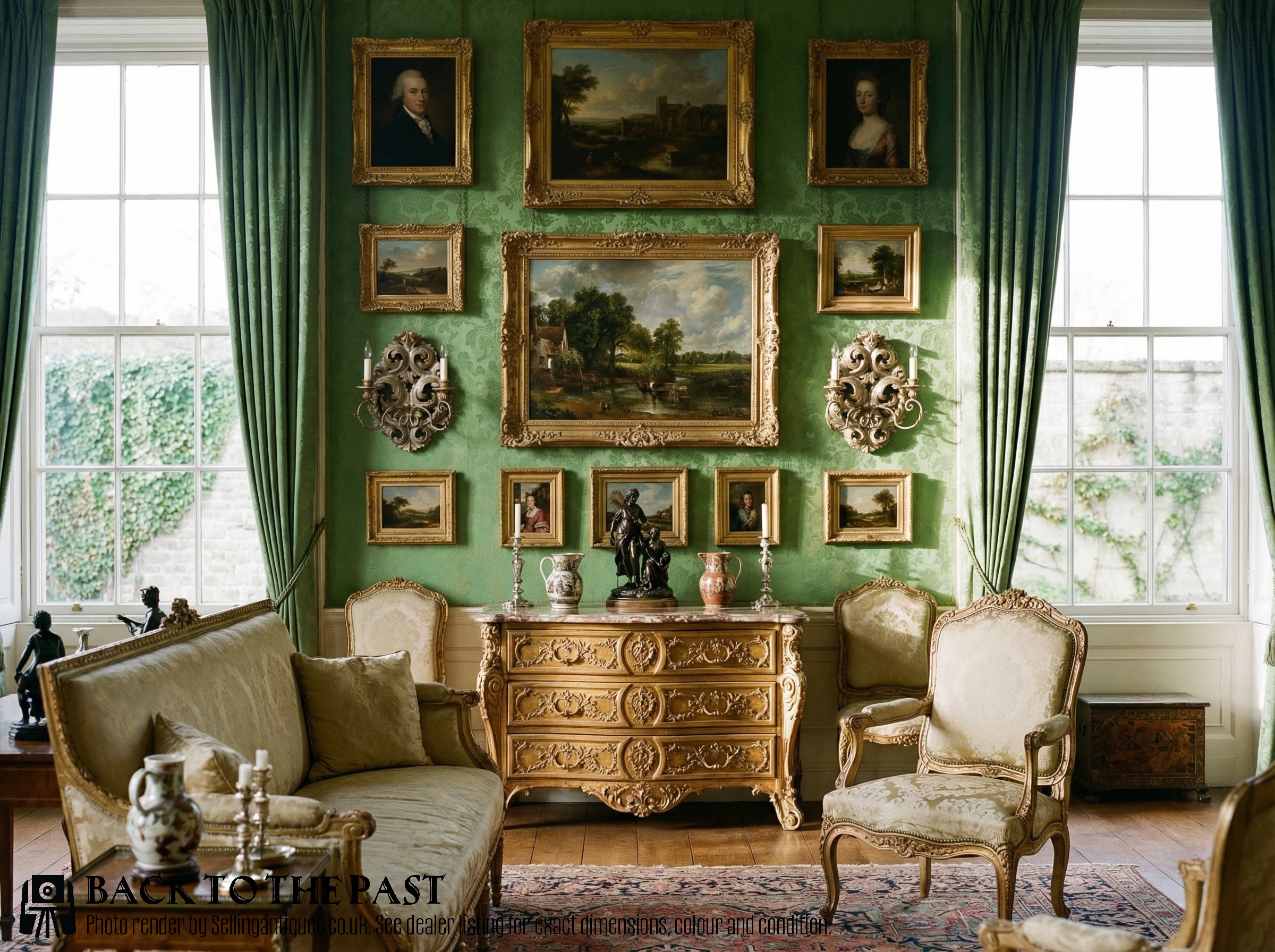
Antique carved sconces bring sculptural warmth to walls, combining functional candle or electric illumination with rich historical ornament.
Antique Carved Sconces
When searching for antique carved sconces, buyers encounter wall-mounted light fittings, girandoles, and decorative brackets spanning the eighteenth century through to the interwar decades of the twentieth century.
The pieces appearing on this page originate from diverse European traditions, notably French chateau designs, Venetian workshops, and Florentine studios.
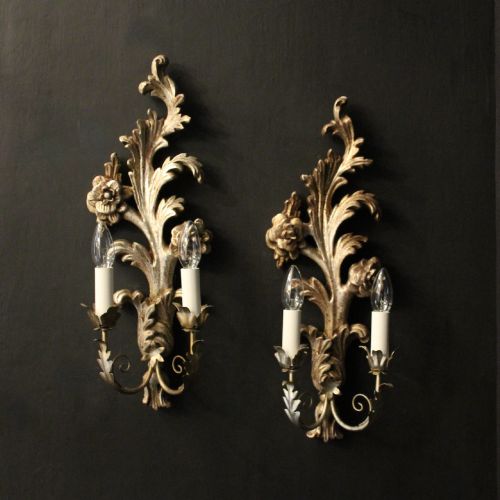
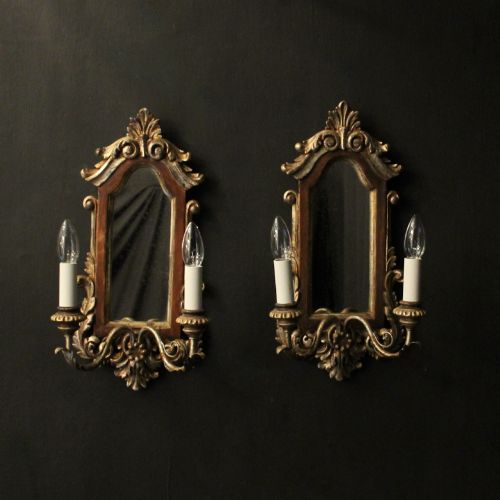
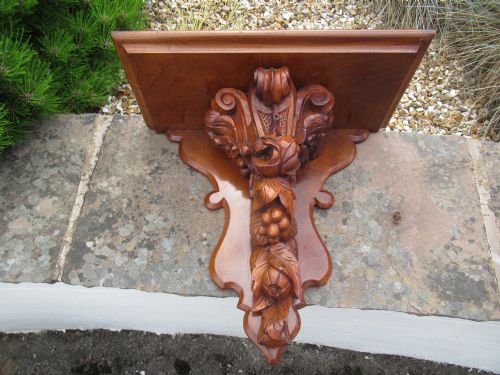
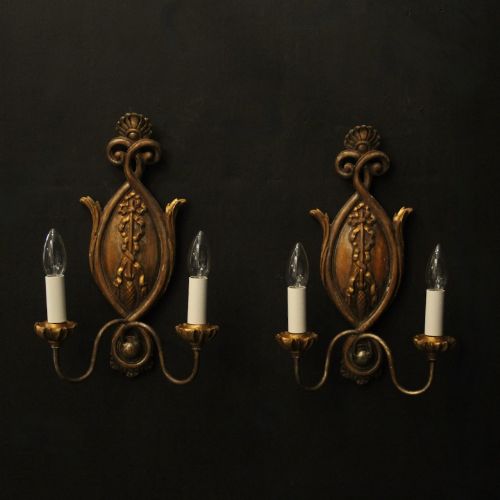
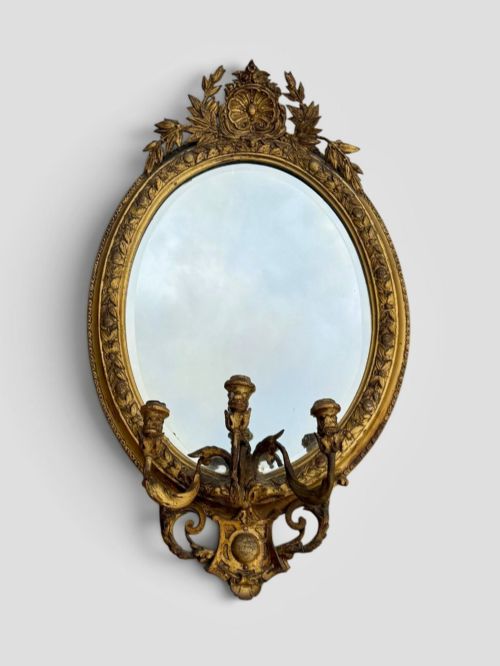
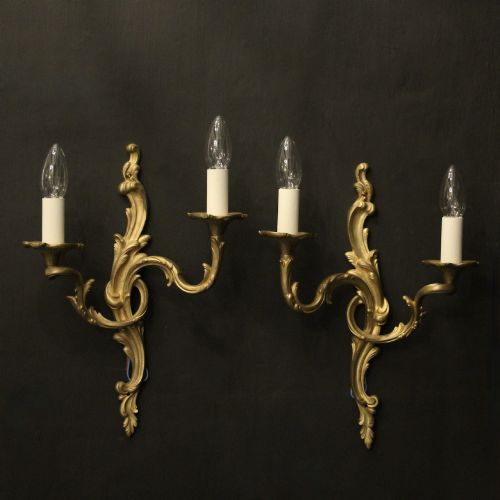
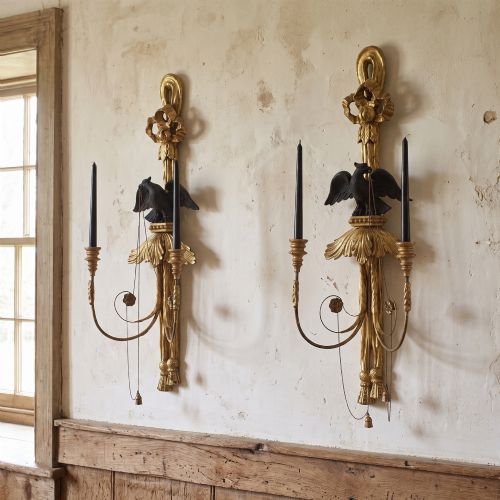
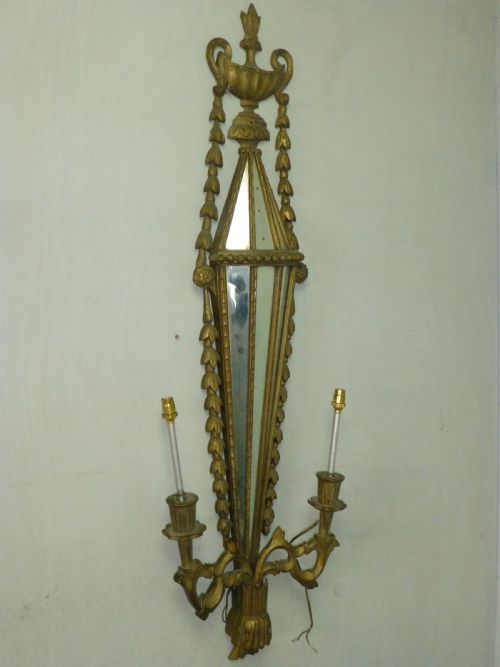
Forms range from twin-arm wall lights and mirror-backed girandoles to wooden cherub brackets and pricket candle sconces fashioned from carved timber and gesso.
How antique carved sconces were made
Maker-carpenters shaped bases from solid timbers such as walnut, mahogany, and general wood before applying layers of gesso to smooth the surfaces for subsequent ornamentation.
Gilders then applied gold leaf, silver gilding, or paint finishes to the carved forms, often incorporating mirrored glass plates to enhance the ambient reflection of candlelight.
Several Italian and French sconces feature chubby wooden cherubs peering out from the shadows with remarkably mischievous expressions.
What varies in quality
The distinction between tiers rests upon the crispness of the hand-carved detail, whether in the rendering of putti, acanthus leaves, or ribbon motifs.
Depth of gilding, the integrity of the underlying gesso layers, and the preservation of original mirror glass or candle branches further differentiate standard production from finer workshop outputs.
Gillows
The Antique Carved Sconces Glossary
- Girandole
- A branched wall light or sconce incorporating a looking glass to reflect illumination. The mirrored backplate multiplies the candle flame.
- Gesso
- A plaster mixture applied to wood surfaces as a preparation for gilding or painting. It allows intricate relief moulding before finishing.
- Giltwood
- Timber that has been coated with gold leaf or metallic powder. This finish provides a luminous surface resistant to tarnish.
- Pricket
- A sharp metal spike used to secure a candle on a holder. This form often appears on older ecclesiastical and domestic wall lights.
- Putto
- A representation of a bare-bodied young child, often winged, used extensively in decorative carving. These figures frequently adorn Italian and French wall brackets.
Antique Carved Sconces: Frequently Asked Questions
How do I hang antique carved sconces safely?
Wall fixtures require secure fixings into solid masonry or substantial timber studs behind plaster, given the combined weight of carved wood, gesso, and glass.
Professional installation ensures the weight distributes evenly without damaging the antique structure or pulling away from the wall.
Were these sconces made for candles or electricity?
Most eighteenth and nineteenth-century examples originated for wax candles or oil, designed to maximise illumination via mirrored backplates.
Many surviving pieces have since been adapted for electrical wiring while retaining their original sockets and decorative arms.
How do I clean gilded and carved wooden sconces?
Dusting requires a very soft, dry brush to prevent abrasive particles from scratching delicate gold leaf and aged gesso finishes.
Liquid cleaners and excessive moisture must be avoided entirely, as water dissolves the historical water-gilding beneath.
Can I date a sconce by its carving style?
Decorative motifs offer strong indicators of period, such as Rococo asymmetry, Neoclassical symmetry, or the ornate revival styles of the Victorian era.
Comparing the timber species, gesso application, and mirror bevelling helps confirm whether a piece belongs to the eighteenth century or later revivals.