
Antique Carved Plaques
These antique carved plaques bring centuries of intricate timber, ivory, marble and metal craftsmanship directly to domestic wall spaces.
Antique Carved Plaques
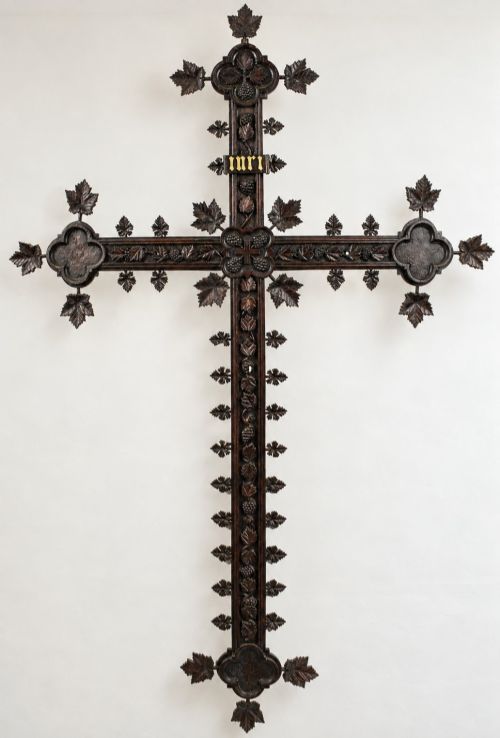
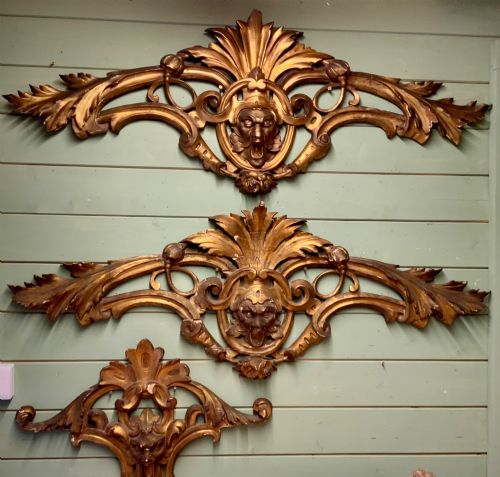
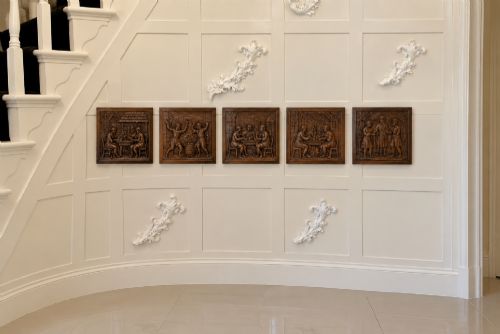
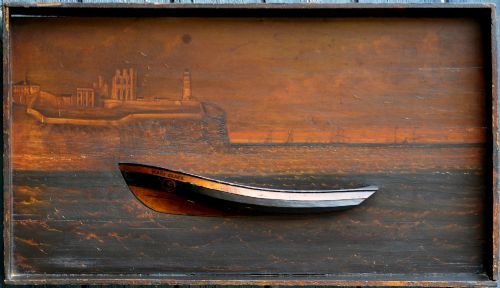
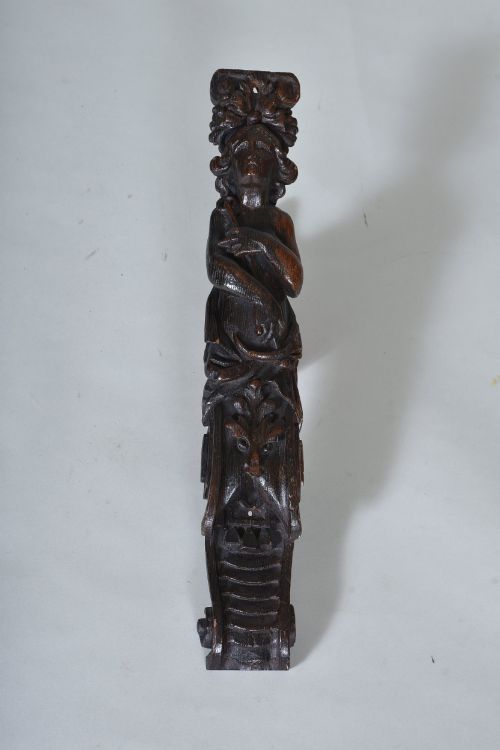
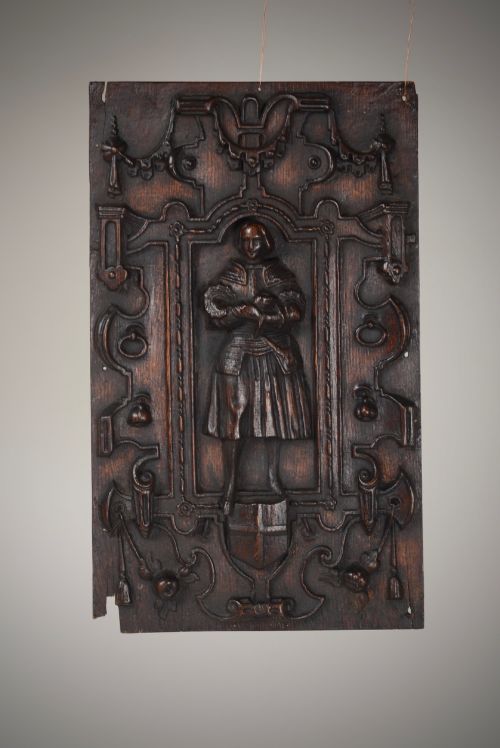
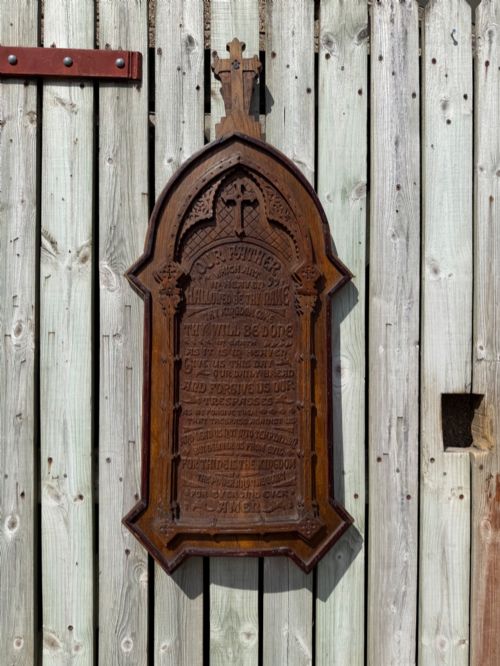
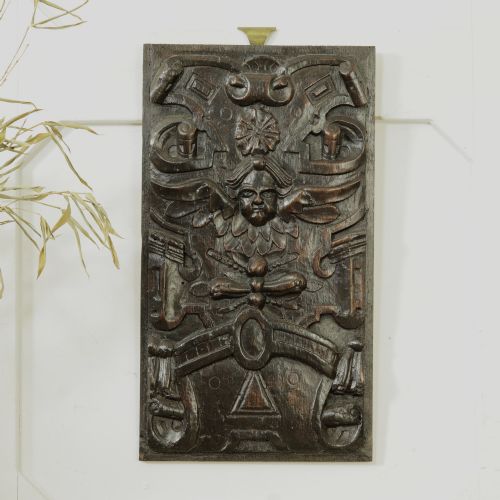
Antique carved plaques encompass wall carvings, panels, reliefs and sculptural wall art fashioned across multiple centuries. Buyers encounter domestic decorative works alongside architectural fragments adapted for hanging.
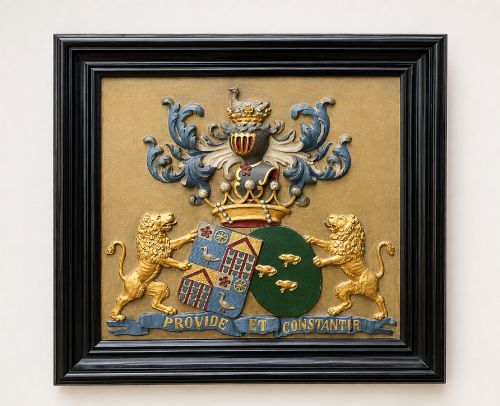
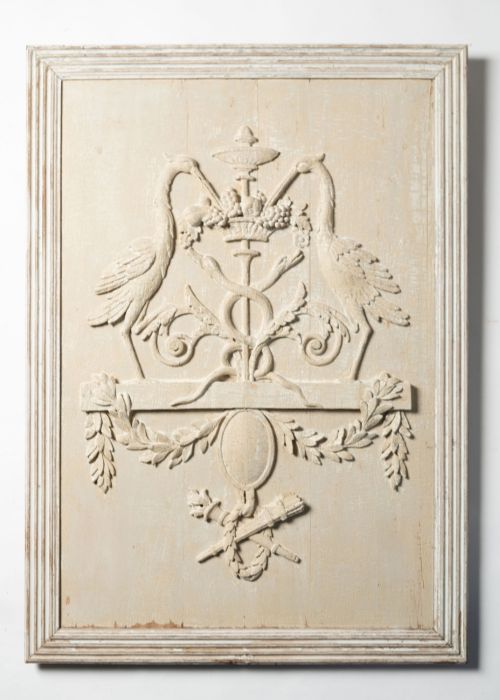
The selections span distinct periods including the seventeenth, eighteenth and nineteenth centuries, alongside regional variations from Britain, continental Europe and Asia. Common subjects range from classical portraits and religious scenes to heraldry and floral motifs.
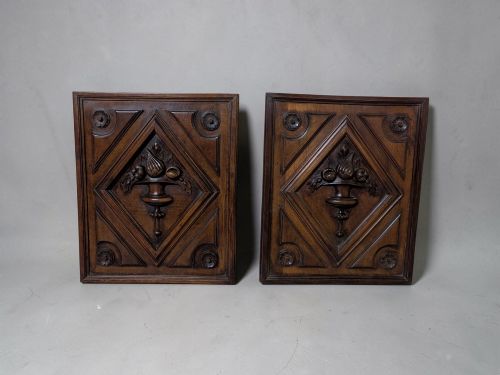
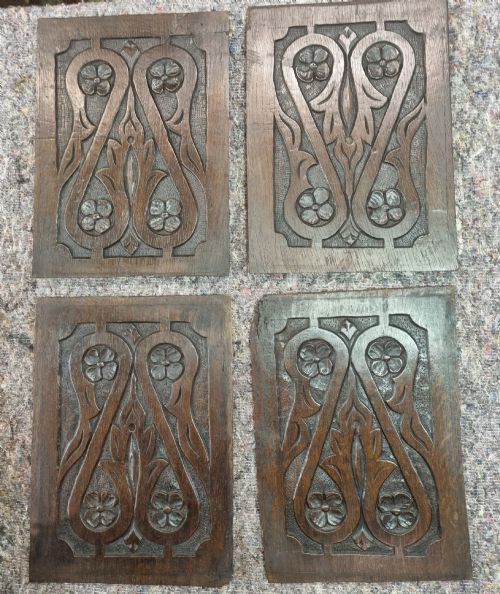
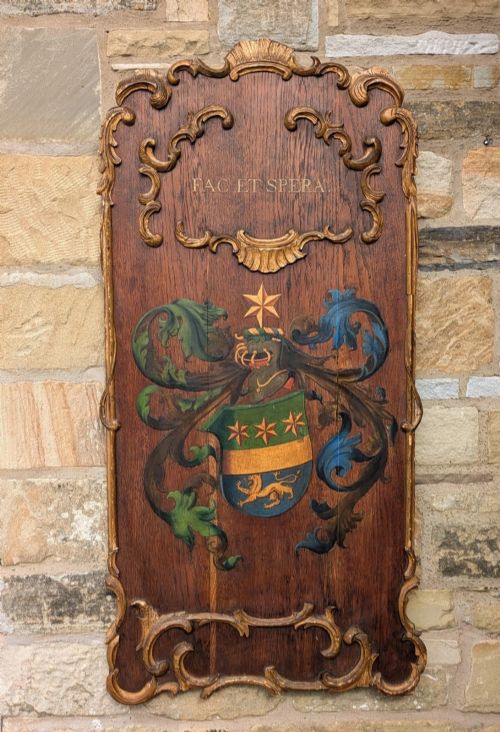
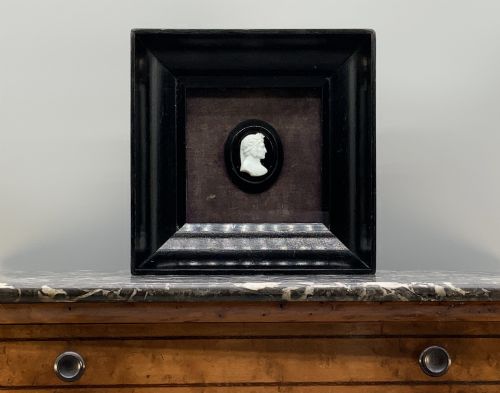
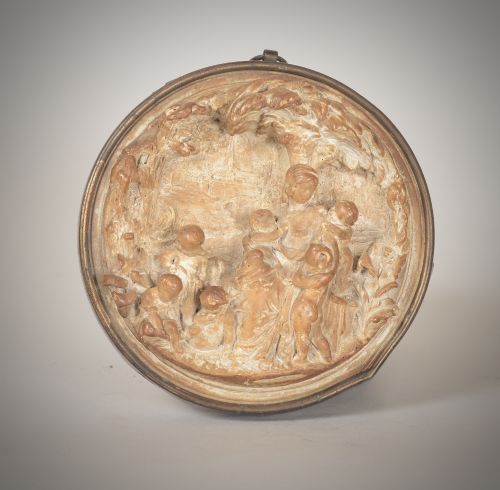
Formats vary considerably, moving from compact ivory portraits and marble profiles to large wooden panels and armorial shields. Many items originate as architectural elements, church furnishings or furniture components later mounted for display.
Materials and construction
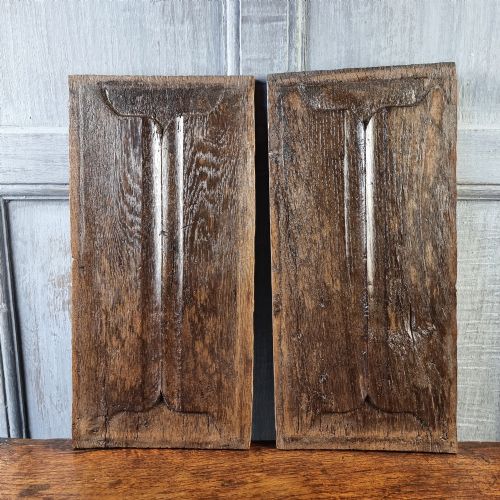
Makers utilised solid timbers such as oak, walnut, chestnut, amboyna, fruitwood and other hardwoods, working primarily with hand chisels and gouges to achieve high-relief and low-relief depths. Softer materials like plaster, ivory and marble appear in neoclassical and grand tour pieces, requiring precise casting, carving or polishing.
Surface treatments recorded in the evidence include polychrome paint, gilding, ebonising and natural wax finishes applied to seal the grain. Construction methods rely on traditional joinery, pegged panels or direct relief carving into solid blocks of wood.
Stag heads, birds of prey and deer carvings keep an eternal, silent watch over the room.
Assessing quality and execution
Depth of carving and sharpness of detail separate standard decorative panels from exceptional sculptural works. Superior pieces display anatomical accuracy in figures, crisp undercut foliage and confident handling by the carver.
The integrity of the material and the preservation of the original surface finish dictate the standing of a plaque. Retained polychrome pigment, original gilding or uncompromised patination elevate the visual strength of antique wall art.
Van Rijckevorsel & Verheijen·W. Grey & Co
The Antique Carved Plaques Glossary
- Relief
- Sculpture where figures or designs project from a flat background. High relief has elements standing far out from the plane, while low relief remains shallow.
- Armorial
- Relating to heraldry and family coats of arms. These plaques display civic or familial crests carved in wood or stone.
- Polychrome
- Decorated in multiple colours. This term describes carved wooden panels retaining historical painted surfaces.
- Grand tour
- Extended travel through Europe undertaken by the wealthy during the eighteenth and nineteenth centuries. Souvenirs included carved ivory portraits and plaster reliefs.
- Linenfold
- A style of wood carving imitating folded linen. This ornamentation appears frequently on sixteenth and seventeenth century panels.
Antique Carved Plaques: Frequently Asked Questions
How do I hang heavy wooden plaques?
Heavy carved timber panels require secure wall anchors and appropriate brackets fixed directly into structural studs or masonry.
Verify that the weight distribution rests safely on integrated hanging loops or strong concealed battens attached to the back.
What periods do these wall carvings span?
The available selection reaches from the sixteenth and seventeenth centuries through the eighteenth and nineteenth centuries up to the early twentieth century.
Earlier examples often feature heavy oak and religious subjects, while nineteenth-century pieces embrace neoclassical, Gothic Revival and Black Forest styles.
How should I clean antique carved wood?
Dust carved surfaces gently using a soft, dry brush to prevent dirt settling deep within the intricate crevices of the relief.
Avoid liquid cleaners, water or harsh chemical polishes, which damage aged timber and historic wax finishes.
Are these plaques purely decorative?
While most function as wall art, many pieces served utilitarian or architectural purposes before conversion into display items.
Examples include former tabletops, furniture panels, architectural fragments and marriage plaques.