



Chinese Wood Panels
Chinese wood panels are carved and framed decorative elements that bring intricate craftsmanship and rich texture to interior spaces.
Chinese Wood Panels
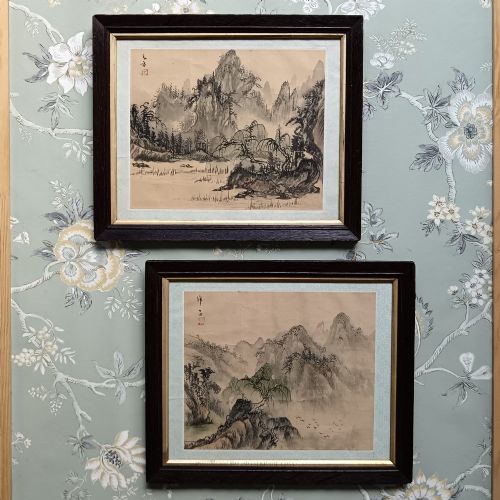
Chinese wood panels encompass carved architectural elements, wall plaques, temple carvings, and folding screens originating from various periods including the nineteenth century and the Qing Dynasty. Buyers seeking chinese wood panels often encounter intricate hardwood carvings, lacquered surfaces, and framed silk paintings designed for interior display.
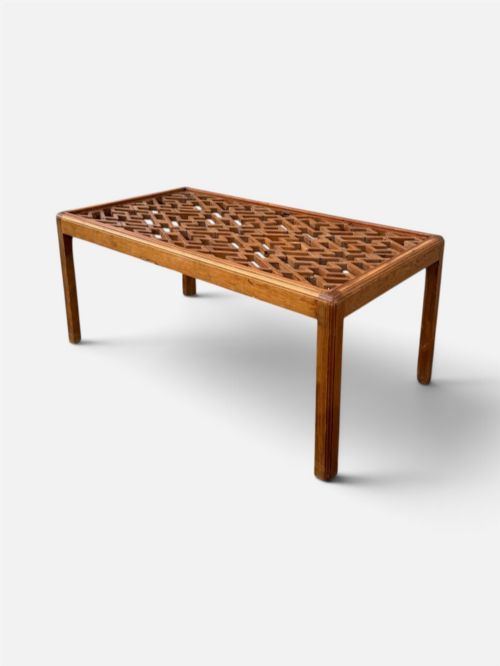
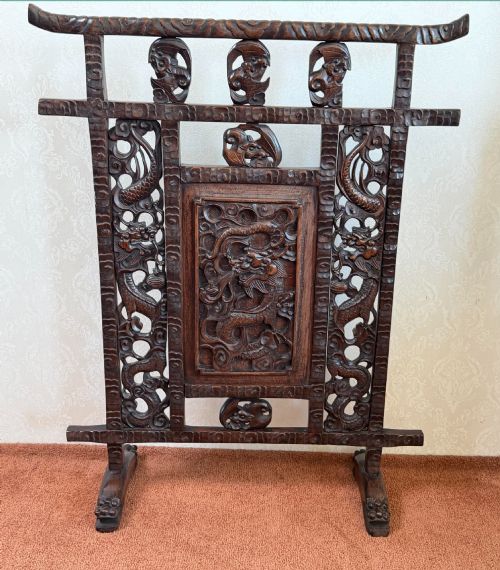
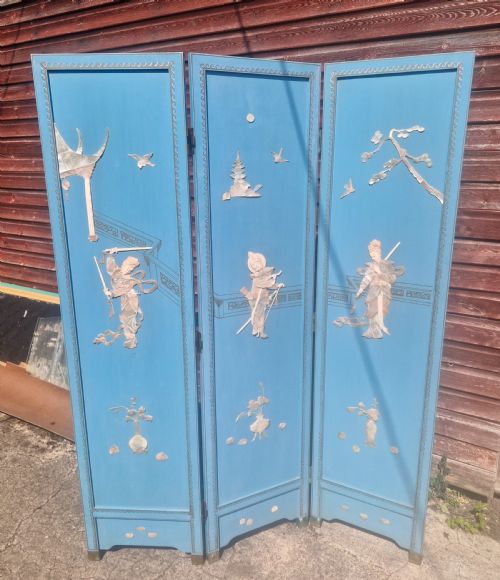
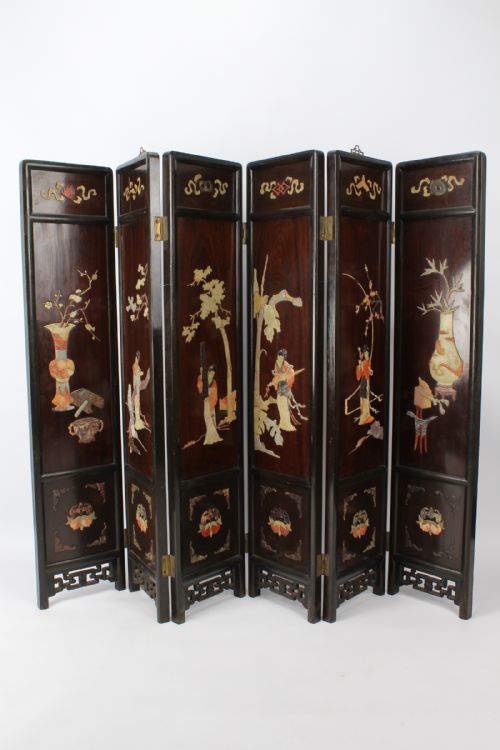
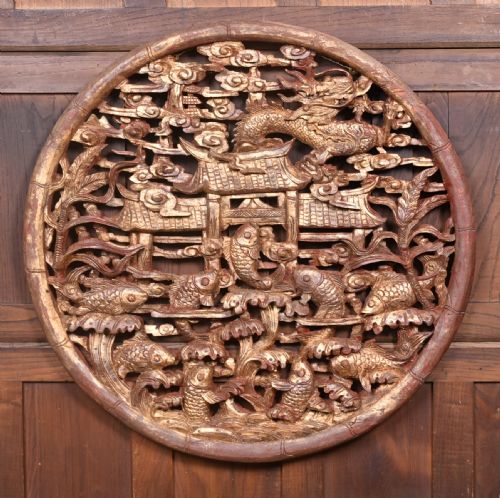
The selection ranges from single decorative wall plaques and framed lacquer panels to multi-fold room dividers and repurposed cart doors. Hardwood and softwood panels frequently feature traditional motifs such as dragons, floral patterns, and intricate fretwork.
Many items derive from nineteenth-century workshops, whilst others reflect twentieth-century interpretations or earlier craftsmanship. These objects function effectively as wall art or room dividers in contemporary settings.
Materials and technique
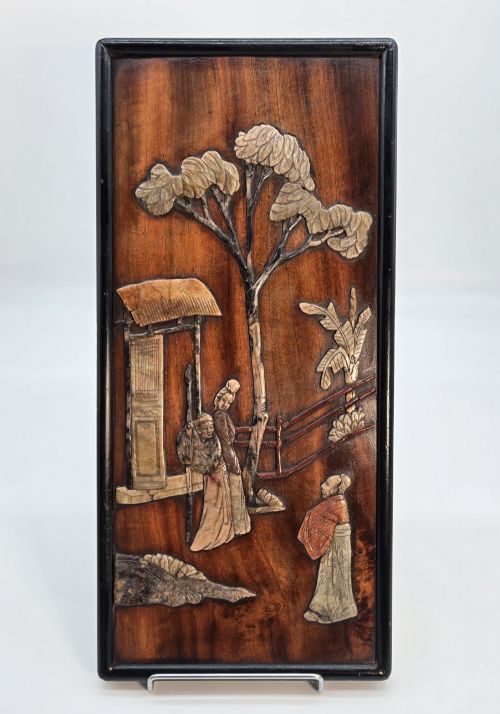
Artisans constructed these panels primarily using dense hardwoods, elm, and softer woods, applying meticulous hand-carving techniques to create deep relief scenes. Surfaces were frequently embellished with gold leaf, applied lacquer, or detailed silk embroidery.
Certain pieces incorporate inlaid elements such as mother-of-pearl or soapstone, set within sturdy wooden frames or integrated into larger furniture forms like cabinets and folding screens.
The documented forms range from nineteenth-century standing screens to eighteenth-century painted cart doors.
Quality and execution
The distinction between standard examples and the finest pieces lies in the depth and crispness of the hand-carving, alongside the preservation of original finishes such as gold leaf and lacquer. Superior panels exhibit precise joinery and sophisticated compositional balance within the carved motifs.
Secondary examples may show simpler execution or later restorations to the wooden frames and surface treatments, whereas top-tier works maintain their original structural integrity and rich patination over centuries.
The Chinese Wood Panels Glossary
- Hardwood
- Dense timber such as zitan, huanghuali, or other regional Asian hardwoods utilised for durable furniture and carved panels. These heavy woods allow for exceptionally sharp and enduring detail in relief carving.
- Lacquer
- A durable resin applied in multiple layers to wooden surfaces and polished to a smooth finish. It provides both protection and a deep, glossy visual depth.
- Qing Dynasty
- The final imperial dynasty of China, spanning from sixteen forty-four to nineteen twelve. Many decorative panels and screens originate from the later decades of this period.
- Fretwork
- Openwork geometric or interlaced wooden design patterns used structurally and decoratively. This technique creates airy, rhythmic borders within screens and panels.
- Gilt Wood
- Wood surfaces decorated with a thin application of gold leaf or powder. This technique catches light and highlights the raised details of carved scenes.
Chinese Wood Panels: Frequently Asked Questions
How were Chinese wood panels originally used?
These panels served primarily as architectural dividers, temple decorations, or protective folding screens within traditional interiors. They helped delineate space while offering symbolic protection and aesthetic beauty.
Over time, many panels were adapted into standalone wall art or integrated into cabinetry as doors and decorative inserts.
How do I hang a heavy wooden panel safely?
Heavy hardwood panels require robust wall anchors and weight-rated fixings attached directly to structural studs. Professional framing or custom mounting brackets distribute the substantial weight securely.
Consulting a specialist art installer ensures the panel remains level and unsupported by vulnerable decorative elements.
Can I use a folding screen as a room divider?
Multi-fold screens function effectively to zone large rooms or conceal storage areas in modern layouts. Their hinged construction allows them to stand independently when angled correctly.
Care should be taken to place them away from high-traffic walkways to prevent accidental tipping or hinge strain.
How do I clean lacquered and gilt surfaces?
Dust surfaces gently with a soft, dry microfibre cloth to remove particulate matter without abrading the finish. Avoid chemical polishes, moisture, and direct sunlight, which can degrade fragile lacquer and gold leaf over time.