
Qing Dynasty Carved Wood
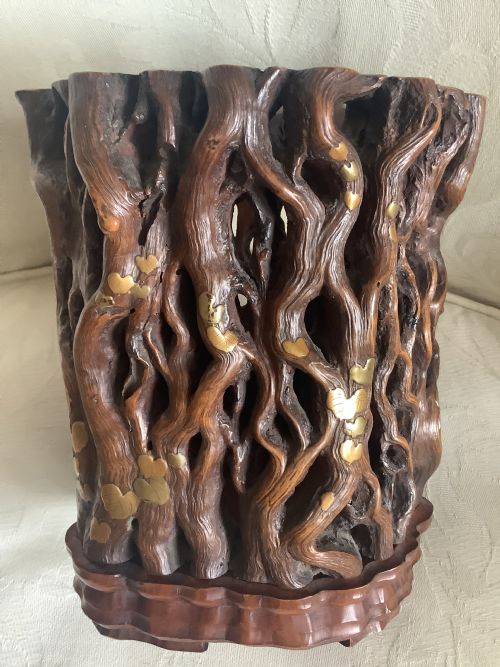
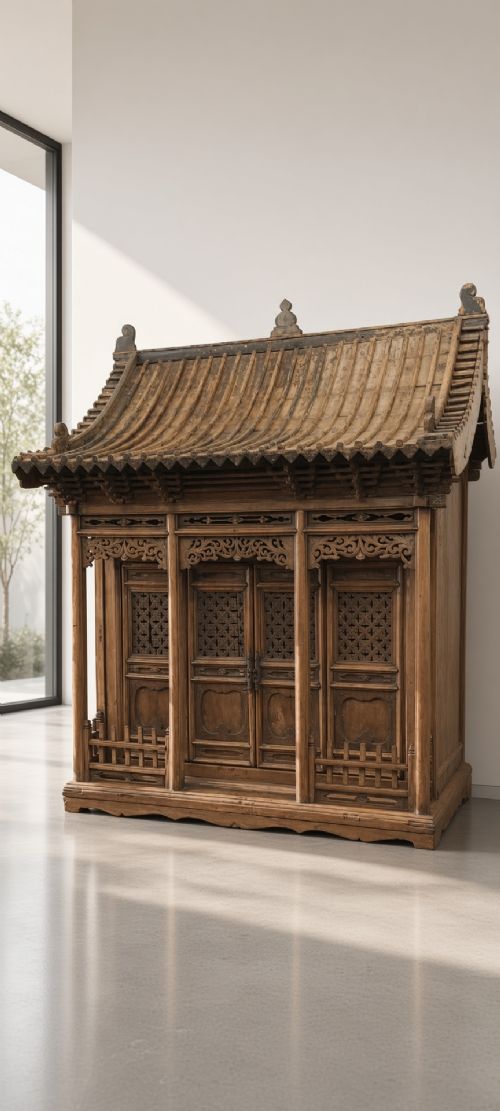
Qing dynasty carved wood pieces encompass substantial furniture and sculptural figures crafted from dense timbers, prized for deep relief work and historic presence.
Qing Dynasty Carved Wood
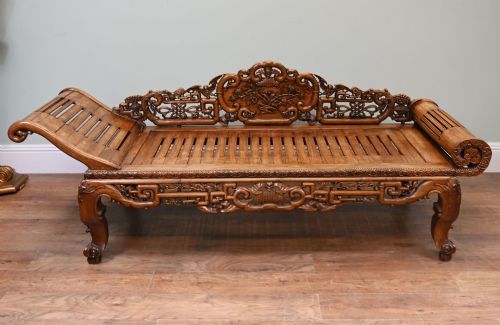
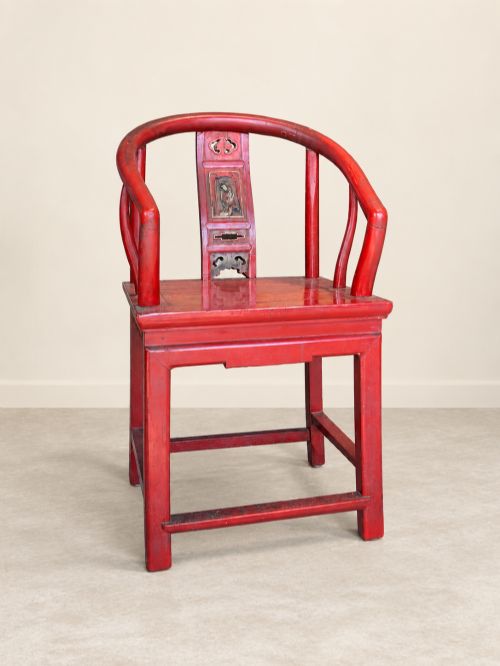
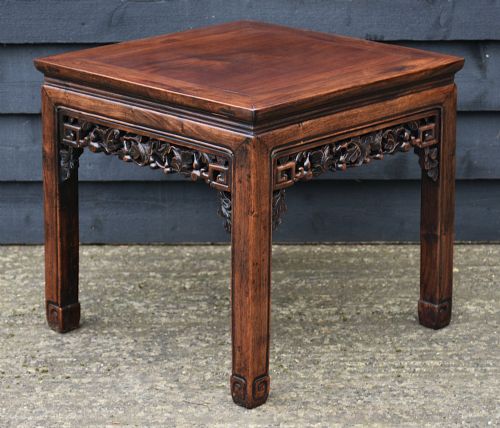
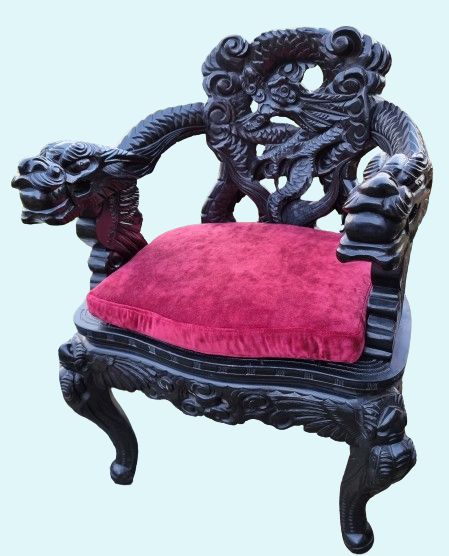
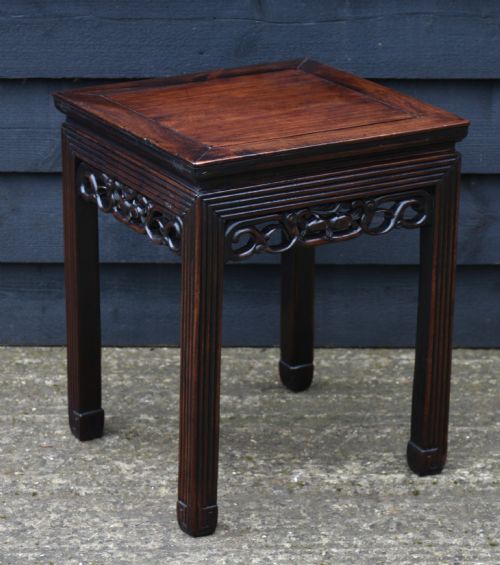
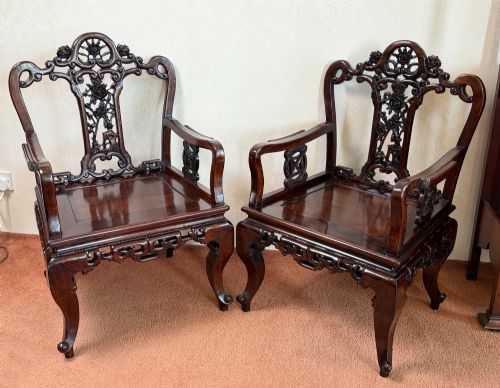
Qing dynasty carved wood pieces span a diverse range of domestic and scholarly objects, originating primarily across the nineteenth century up to around 1900. Collectors encounter functional seating such as horseshoe-back and yoke-back armchairs, alongside low tables, altar benches, and display cabinets.
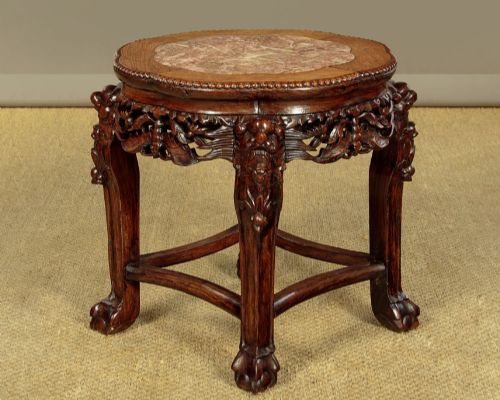
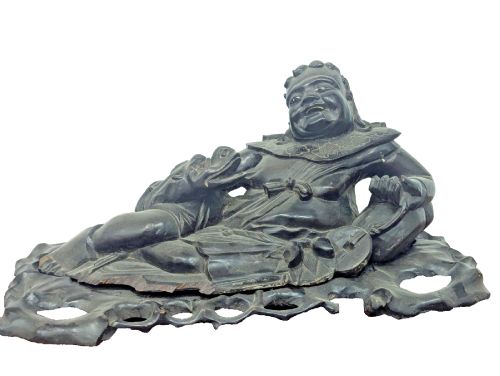
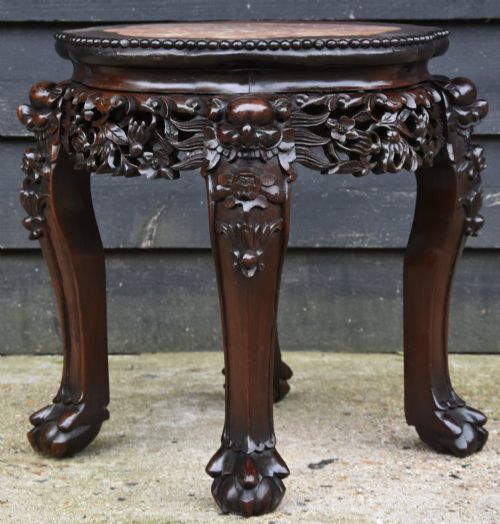
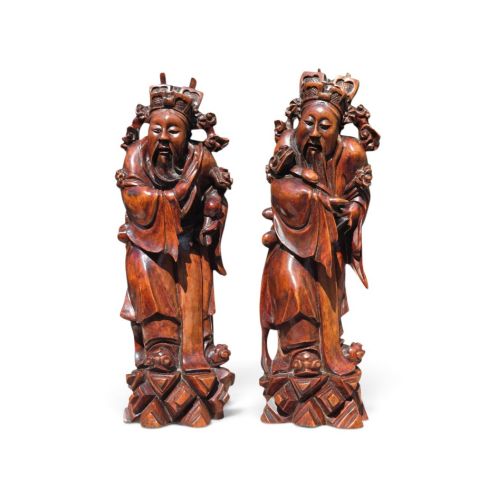
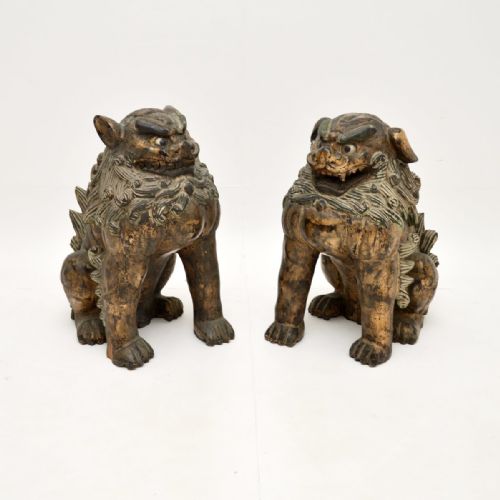
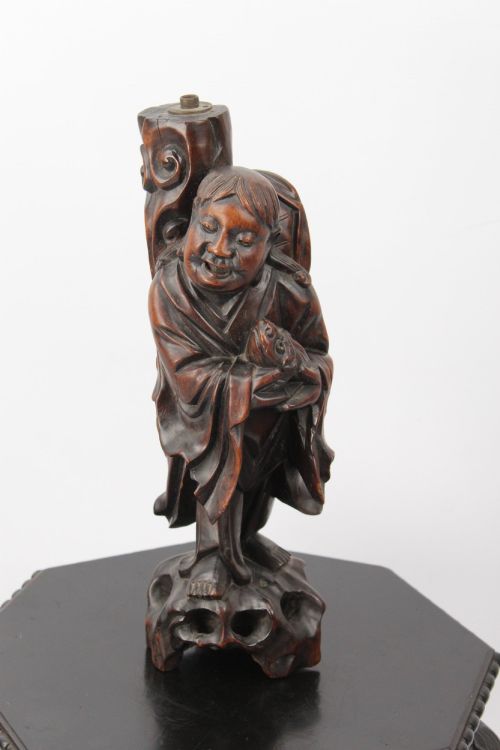
The selection includes specialised supports like marble-top plant stands, jardiniere tables, and nests of four tables alongside sculptural figures of Daoist immortals and deities. These items represent traditional Chinese craftsmanship intended for elite domestic interiors and scholarly studios.
Materials and Technique
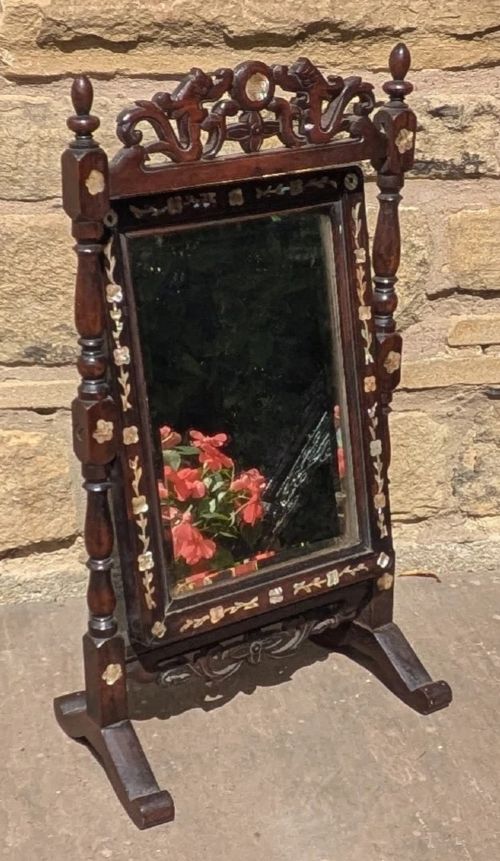
Makers utilised dense timbers such as rosewood, hongmu, and elm, frequently combining them with contrasting elements like marble inserts, mother of pearl inlay, and brass fittings. Artisans also applied red lacquer, gilt wood, and polychrome painted finishes to specific cabinets, shrines, and figural sculptures.
Carving techniques involve intricate deep relief work, showing detailed dragon motifs, scholar themes, and floral patterns. Joinery relied on traditional construction methods designed to stabilize heavy tropical hardwoods without modern metal fasteners.
Several Daoist immortals carved from dense timber keep silent watch over the inventory.
Evaluating Quality
Quality rests upon the crispness and depth of the wood carving, where superior examples exhibit sharp undercut details rather than shallow, softened relief. The selection of timber also dictates standing, with dense grain and uniform colour in rosewood or hongmu elevating a piece.
Structural integrity, original surface patination, and the retention of inset elements like marble panels or red lacquer dictate desirability among serious collectors. Matching pairs and complete sets of nested tables command greater interest than isolated items.
The Qing Dynasty Carved Wood Glossary
- Hongmu
- A category of dense, heavy Asian densewoods often translated as red wood. This material forms the primary structure of many high-status tables and chairs.
- Kang table
- A low rectangular table traditionally placed upon a heated brick bed for dining or writing. These miniature altar forms sit low to the ground.
- Yokeback armchair
- A traditional seating form defined by a crestrail that curves upwards at the ends resembling a yoke. Elm and hardwood examples often display significant age patination.
- Jardiniere stand
- A tall or low pedestal designed specifically to display heavy ceramic plant pots or fish bowls. These stands frequently incorporate inset marble tops to resist moisture.
- Altar table
- A long console table with upturned flange ends, originally utilised in domestic ritual spaces. They survive as refined display surfaces in contemporary interiors.
Qing Dynasty Carved Wood: Frequently Asked Questions
How do I identify a genuine period piece?
Examine the timber density, hand-carved relief depth, and the natural patination acquired through decades of handling. Genuine items display traditional joinery and material shrinkage consistent with nineteenth-century manufacture.
Compare the specific form against documented altar tables, plant stands, and seating types from the era. Secondary elements like marble inserts or lacquer finishes should show age-appropriate wear.
Where were these items placed originally?
These carved pieces inhabited the formal halls, reception rooms, and private studies of Qing dynasty households. Altar tables and display cabinets served ritual and exhibition functions, while armchairs provided formal seating.
Smaller stands elevated porcelain vessels, bronze sculptures, and flowering plants around the home. Low tables functioned as versatile surfaces for writing, drinking tea, or resting objects.
How should I care for hardwood furniture?
Maintain stable indoor humidity levels to prevent tropical hardwoods and dense timbers from splitting or warping. Avoid placing pieces near direct heat sources or in strong sunlight that degrades lacquer.
Dust surfaces regularly with a soft cloth and refrain from applying modern chemical polishes. Preserving the original dry patination protects the long-term character of the wood.
What defines a scholar studio piece?
Scholar studio objects encompass specialised items designed for contemplation, writing, and small-scale display. Brush pots, low tables, and figural carvings of immortals formed part of the scholar's desk environment.
These items emphasise restrained aesthetic values, refined wood grain, and philosophical themes. They reflect the intellectual pursuits of the Qing dynasty literati class.