


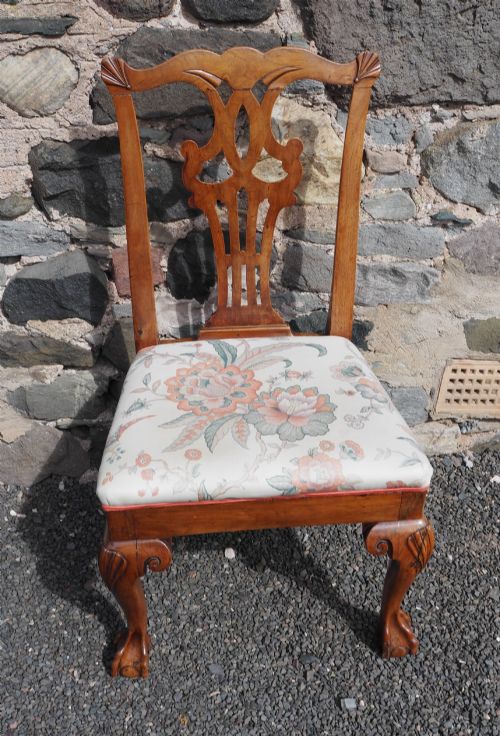
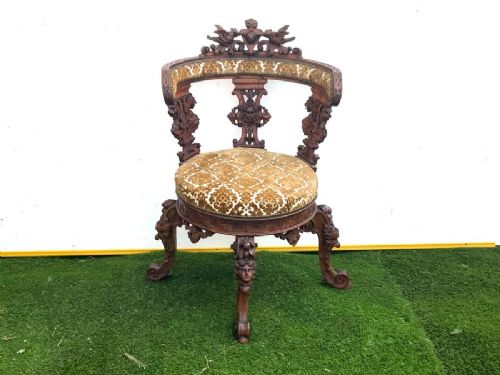
Antique Carved Hall Desk
An antique carved hall desk offers a striking practical surface for correspondence, drawing on centuries of domestic and reception furniture.
Antique Carved Hall Desk
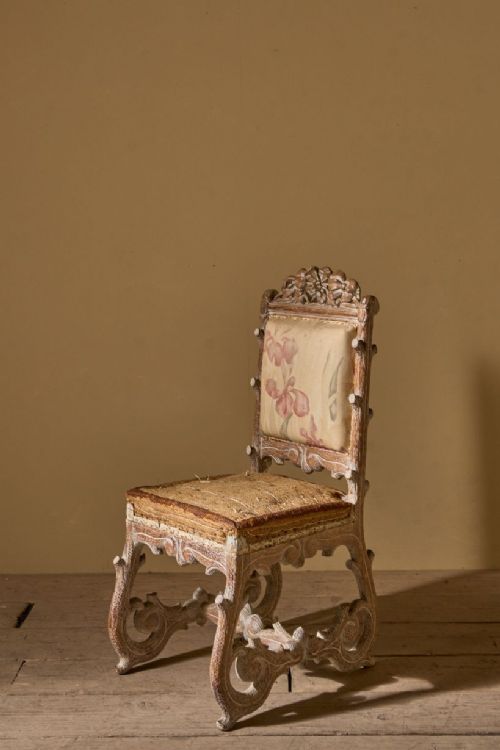
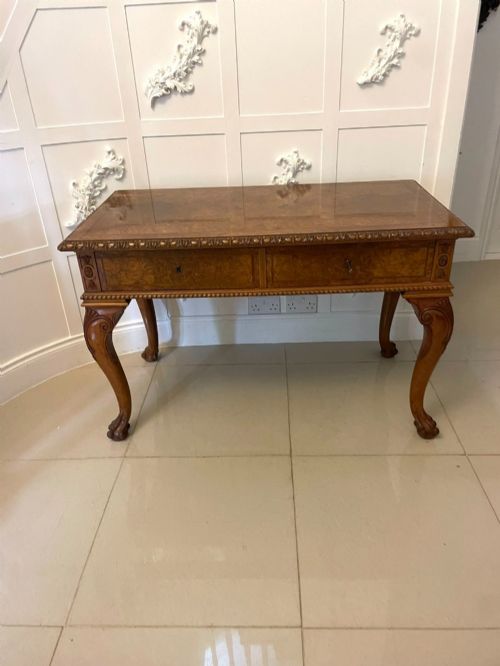
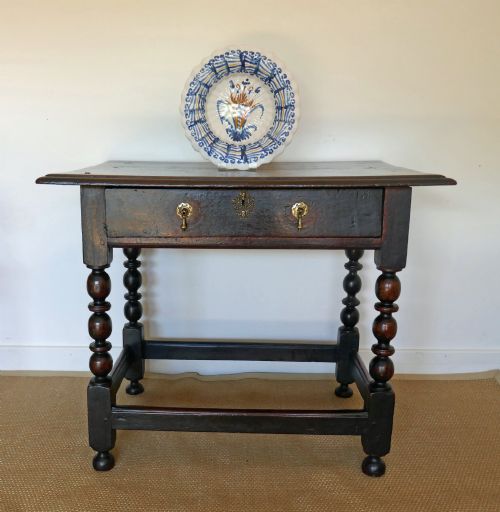
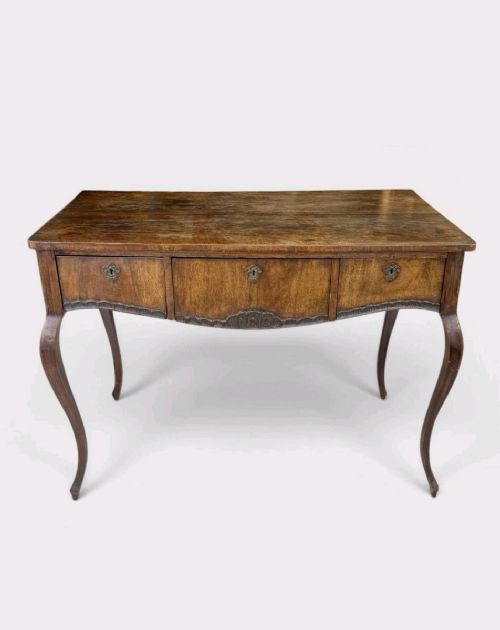
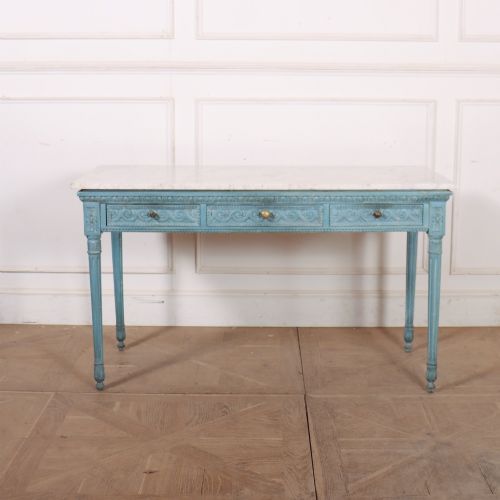
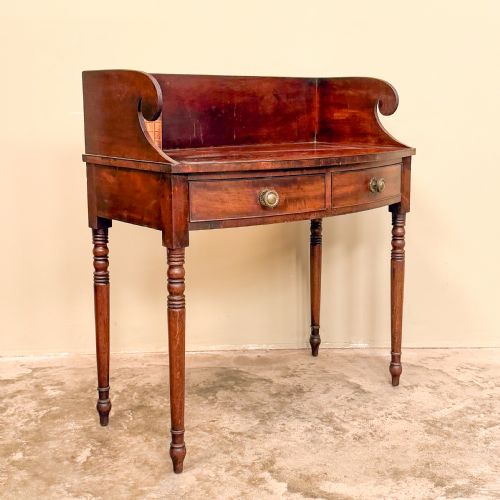
An antique carved hall desk typically manifests as an oak or walnut side table with drawers, a lowboy, or a console table suited for a narrow entryway or reception space. These pieces blend the surface utility of a writing table with the compact footprint required for transitional areas in a home.
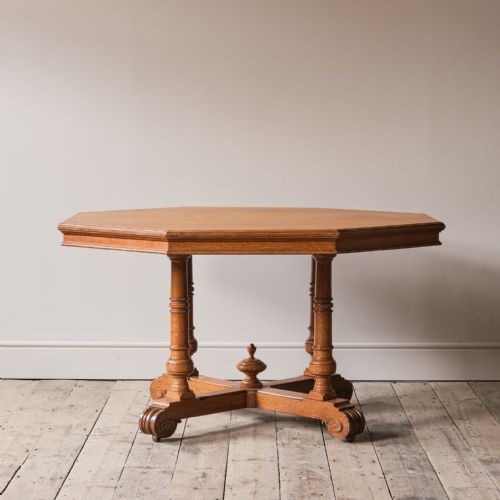
The selections range across the seventeenth, eighteenth, and nineteenth centuries, taking in Georgian lowboys alongside Victorian oak tables and later walnut iterations. Buyers frequently encounter side tables and console formats adapted with drawers for storage.
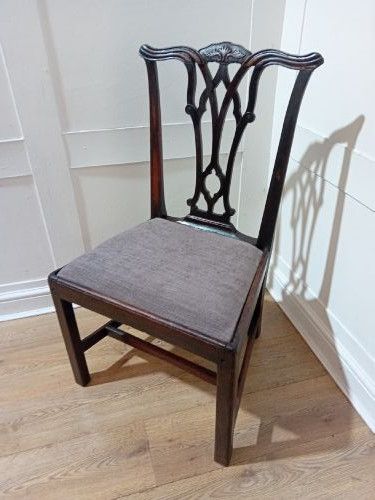
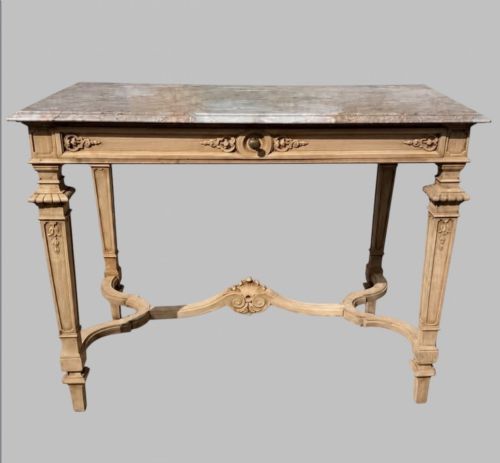
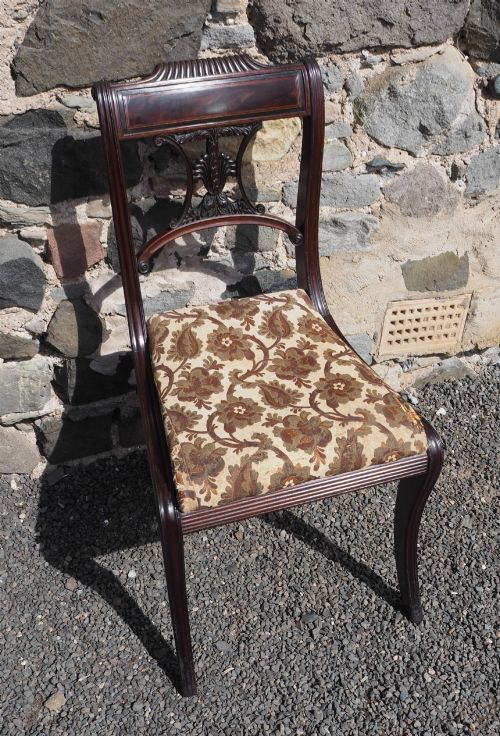
Makers and origins span English workshops using native oak and mahogany to continental pieces featuring walnut and marble tops. Regional variations include Scottish oak chairs and French walnut tables which often accompany the desks in a hallway setting.
Materials and Construction
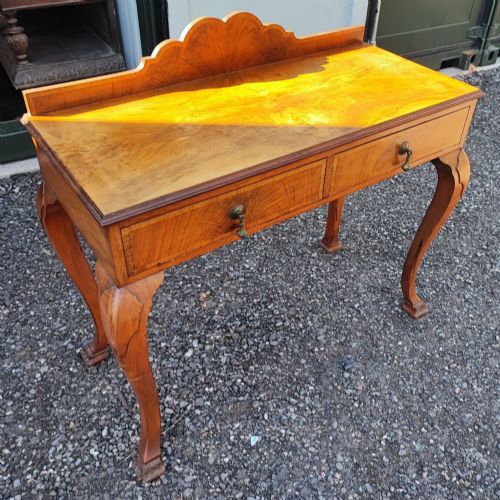
Carpenters relied heavily on dense hardwoods like oak, mahogany, and walnut, often employing burr walnut veneers to create striking figure patterns on drawer fronts and tabletops. Secondary timbers provided internal support for drawers and framing.
Carving techniques defined the decorative vocabulary, ranging from deep relief foliage and Gothic trefoils to scroll-carved backs and distinct motifs such as green man masks. Joinery relied on traditional methods including dovetails for drawers and mortise and tenon frames.
Surfaces were finished with natural polishing agents that highlighted the grain of the wood, while occasional pieces incorporated brass handles, marble slabs, or cane inserts for textural contrast.
Listings feature woods spanning oak, mahogany, walnut, burr walnut, rosewood, zebrawood, and satinwood across the eighteenth and nineteenth centuries.
Indicators of Excellence
The depth and crispness of the carving separate standard utilitarian examples from masterwork productions. Sharp, undercut foliage and well-defined figurative elements demonstrate superior handwork by skilled carvers.
Timber selection dictates visual weight and durability, with choice burr walnut veneers, figured mahogany, and thick slabs of quarter-sawn oak commanding attention. Consistency in grain matching across drawer fronts indicates careful planning by the maker.
Proportion and structural integrity govern the overall success of a piece. Bold proportions that remain balanced and functional in a narrow hall reflect thoughtful design rather than mere bulk.
Charles Tozer·Walker and Hall
The Antique Carved Hall Desk Glossary
- Lowboy
- A small oak or walnut table with one or more rows of drawers, commonly used as a dressing table or writing desk in eighteenth-century interiors. Its low height distinguishes it from larger writing tables.
- Console table
- A table designed to be fixed against a wall, frequently supported by front legs or brackets. In hallways, these often double as compact desks.
- Burr walnut
- Timber taken from the warted excrescence of a walnut tree, highly prized for its swirling, intricate grain patterns. It is typically sliced into veneers for tabletops and drawer faces.
- Gothic Revival
- A nineteenth-century design movement drawing inspiration from medieval architecture. Pieces feature pointed arches, trefoil details, and heavy structural carving.
- Cabriole leg
- A furniture leg that curves out and then in, resembling the leg of an animal. This form became prominent during the Queen Anne and George II periods.
Antique Carved Hall Desk: Frequently Asked Questions
What is an antique hall desk?
An antique hall desk is typically a compact side table, lowboy, or console fitted with drawers, designed to sit in an entrance hall or reception space. It provides a convenient surface for sorting mail or writing notes without obstructing the room.
These pieces combine the utility of a writing desk with proportions suitable for transitional areas. They draw on centuries of cabinetmaking styles, predominantly utilising oak and walnut.
How do I date an oak hall table?
Dating relies on examining construction methods, timber preparation, and stylistic ornament. Seventeenth and eighteenth-century examples often feature hand-cut dovetails, pegged joints, and heavy oak planks with distinct patination.
Later Victorian and Edwardian pieces incorporate machine assistance, lighter internal framing, and revival styles such as Gothic or Queen Anne motifs. Comparing the hardware and secondary woods further clarifies the period.
Can these desks be used daily?
These tables and desks are robust enough for daily use, provided they are treated with appropriate care. Solid hardwoods like oak and mahogany withstand regular writing and placement of everyday items.
To preserve the finish, avoid placing wet items directly on antique wood surfaces and protect walnut veneers from excessive direct sunlight. Regular dusting and occasional waxing keep the timber nourished.
What distinguishes a lowboy from a console?
A lowboy is a specific form of small table featuring one or more tiers of drawers, originating prominently in the seventeenth and eighteenth centuries. They were traditionally freestanding or designed for domestic utility.
A console table is often shallower and traditionally stood against a wall, sometimes relying on brackets or front legs for support. Both function effectively as narrow desks in a hallway setting.