

Antique Carved Frame
An antique carved frame surrounds history, holding mirrors and oil paintings with substantial presence.
Antique Carved Frame
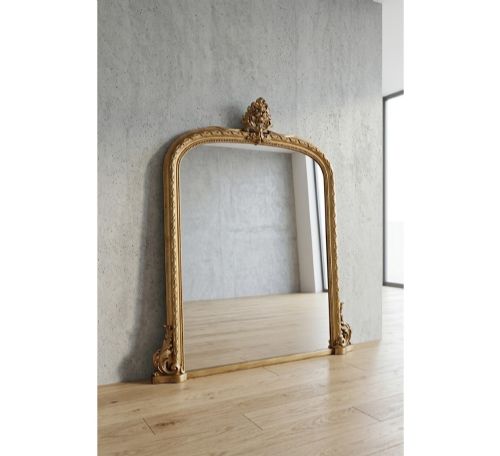
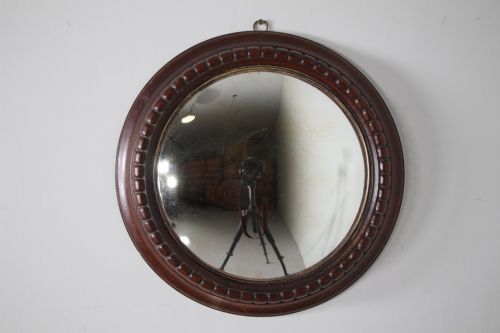
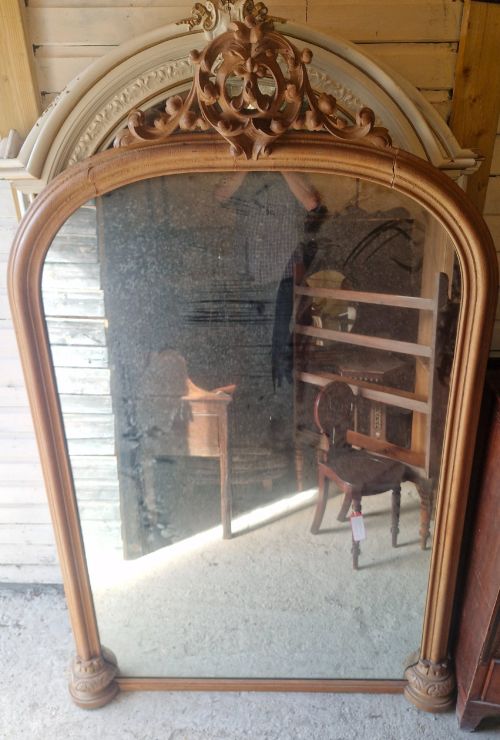
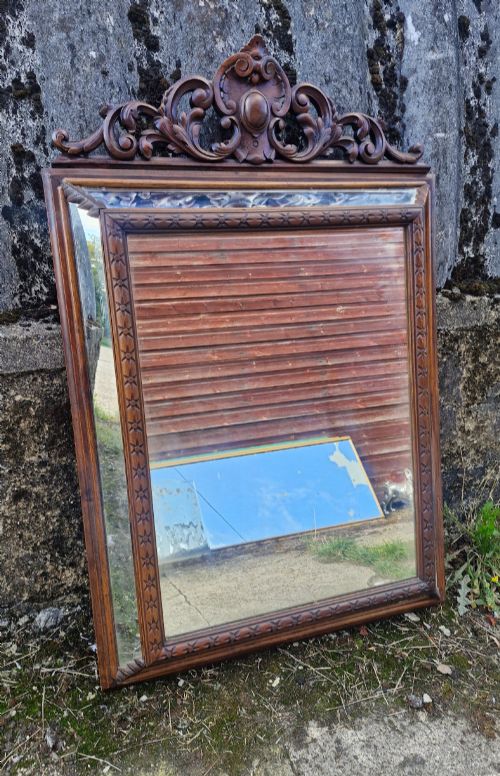
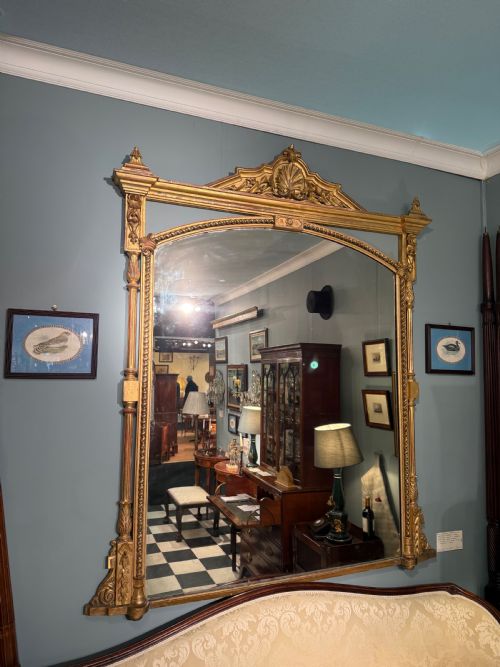
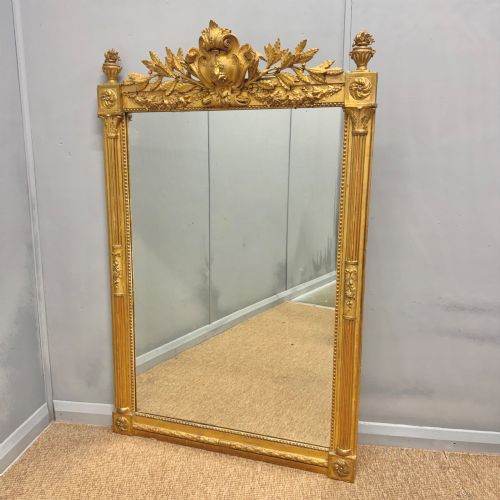
An antique carved frame functions primarily as the housing for wall mirrors, overmantel mirrors, and oil paintings from the eighteenth, nineteenth, and early twentieth centuries. These objects range from heavy nineteenth-century giltwood overmantels to eighteenth-century carved mahogany fret mirrors and oil portraits.
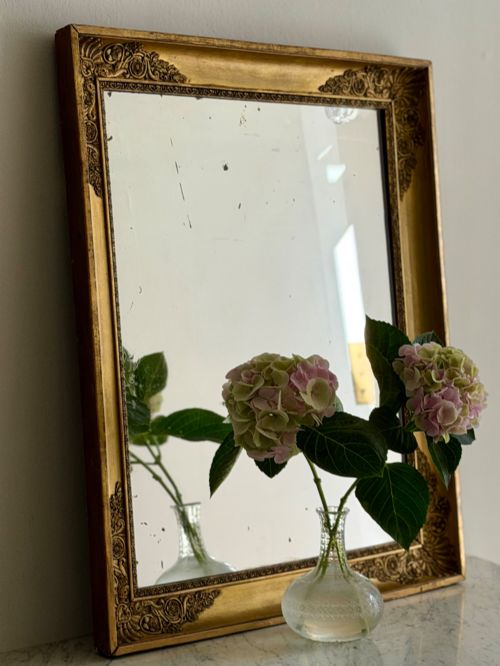
The varieties met most frequently on this page include large nineteenth-century English and French overmantel mirrors finished in giltwood and gesso, alongside smaller oval and rectangular wall mirrors. Frames also encase oil paintings depicting historical figures, gentlemen, and elegant women.
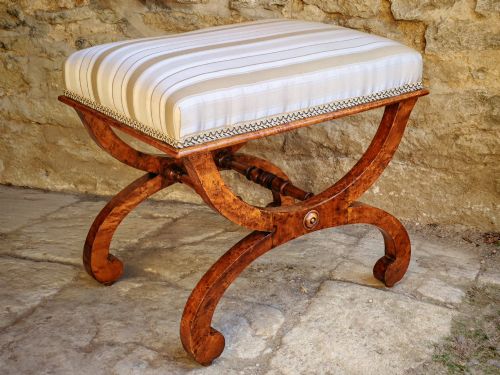
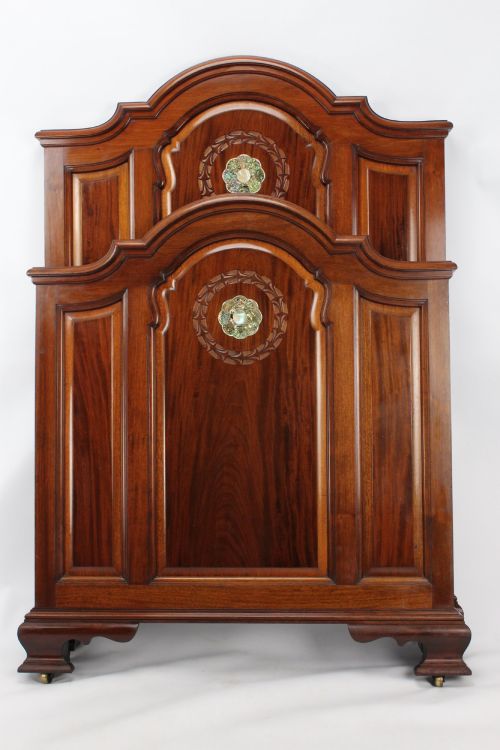
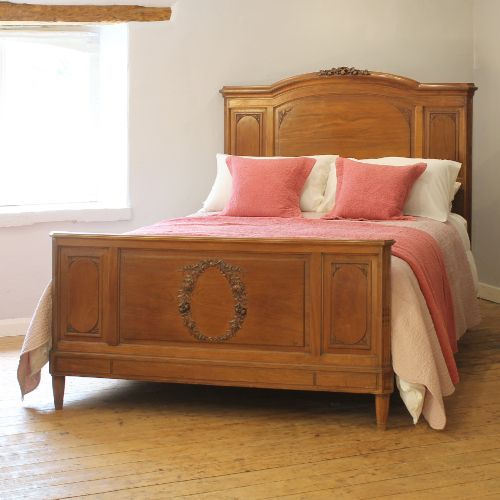
Origins stretch across English, French, and Italian workshops, reflecting styles from Baroque and Rococo to Victorian and Edwardian revivals. Collectors encounter carved wood applied to functional domestic items such as beds, armchairs, and clocks, where the frame forms an integral part of the structure.
How They Were Made
Craftsmen built timber foundations using oak, mahogany, walnut, or beech, shaping the primary structure with saws and chisels before applying detailed hand carving. Carpenters joined corners with traditional joinery methods suited to the weight of large overmantels and mirrors.
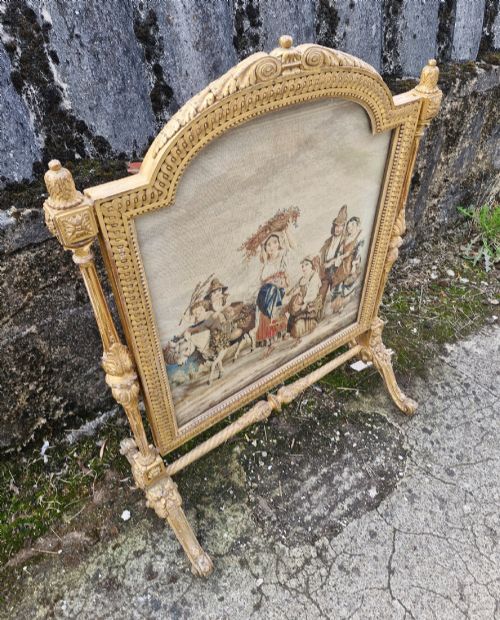
Gilded examples received coats of gesso, a plaster-like mixture applied over wood to create a smooth base for delicate incisions and the application of thin gold leaf. Artisans also utilised paint, polish, or left the timber exposed depending on the regional style, such as French provincial or English country house aesthetics.
Listings feature items dated from the seventeenth century through to the 1930s, spanning Oak, Mahogany, Giltwood, and Gesso materials.
What Varies in Quality
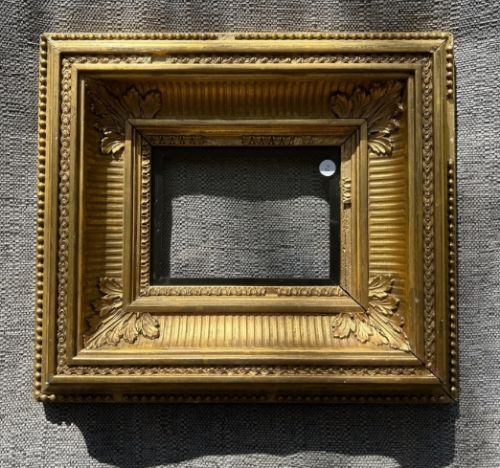
The depth and sharpness of the hand carving separate ordinary production from superior examples, as skilled carvers achieved intricate relief work in motifs like rope twists, ribbons, and acanthus leaves. Crisp edges on gesso mouldings indicate careful preparation and skilled application before gilding.
Original surfaces and period glass plates hold higher regard among collectors, showing the genuine ageing of gold leaf and wood substrates without modern intervention. The structural integrity of the underlying timber frame and the retention of original gilding define the upper tier of quality.
The Antique Carved Frame Glossary
- Giltwood
- Wood that has been covered with a thin layer of gold leaf. This finish defines many formal mirrors and picture frames from the eighteenth and nineteenth centuries.
- Gesso
- A plaster mixture applied to wood frames to provide a smooth surface for gilding or painting. It accepts fine detail work carved by artisans.
- Overmantel mirror
- A large mirror designed to hang above a fireplace mantel. These pieces often feature arched tops and elaborate gesso decoration.
- Fret mirror
- A wall mirror featuring flat timber fretwork cut with a scroll saw, popular during the Georgian period. Mahogany was frequently utilised for this style.
- Pier glass
- A tall mirror designed to fit on the wall space between two windows. They appear in pairs or singly within period interiors.
Antique Carved Frame: Frequently Asked Questions
How do I hang a heavy overmantel mirror?
Heavy overmantel mirrors require secure fixings into structural wall studs or masonry using appropriate weight-rated brackets. The substantial timber and glass weight demands professional installation to ensure safety.
Distributing the load evenly across the frame structure prevents warping or strain on the antique joints over time.
Are antique mirror plates original?
Many mirrors retain their original glass plates, which often display characteristic foxing, minor speckling, and gentle distortion. These natural signs of ageing confirm the antiquity of the piece.
Replacement glass appears in some listings, usually noted as later plate, reflecting the practical maintenance mirrors received during their long domestic use.
How should I clean a gilded frame?
Dusting gently with a soft, dry brush remains the safest method for maintaining gilded wood and gesso surfaces. Moisture and modern cleaning chemicals can damage delicate gold leaf and historical finishes.
Keeping frames away from direct sunlight and excessive humidity preserves the stability of the gesso and timber foundation.
What styles do these frames represent?
The selection spans several design movements, including the ornate curves of French Rococo, the classical symmetry of George III pieces, and Victorian revival styles. Each period brought distinct carving motifs and finishing techniques.
Identifying regional characteristics, such as Florentine giltwood or English mahogany, helps place the object within its historical context.