
Antique Carved Dining Cabinet
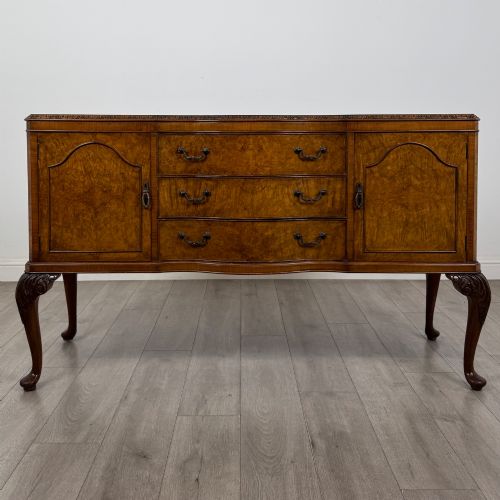
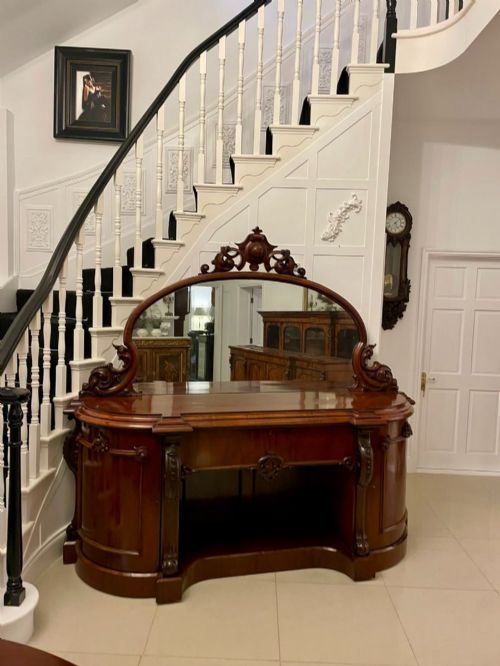
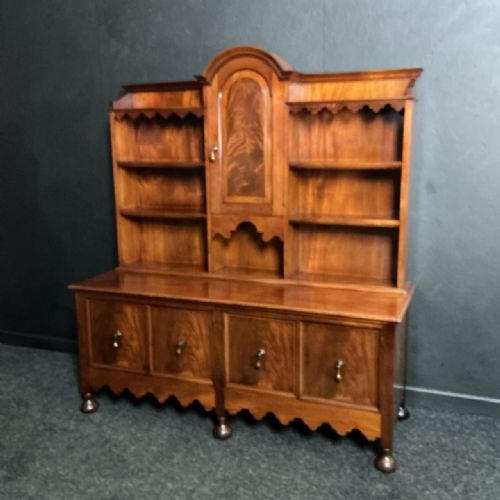
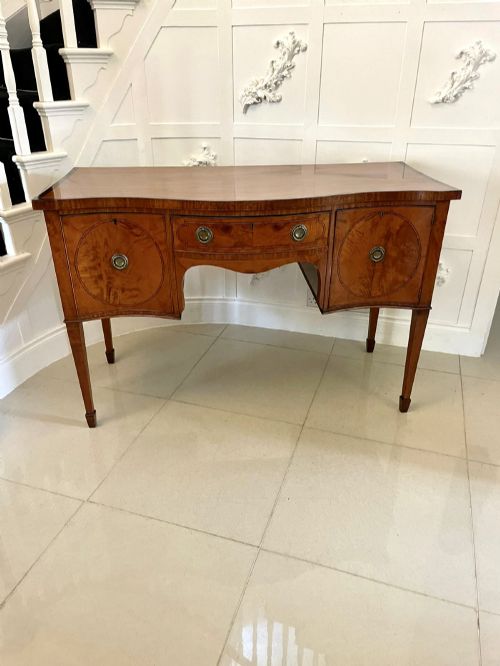
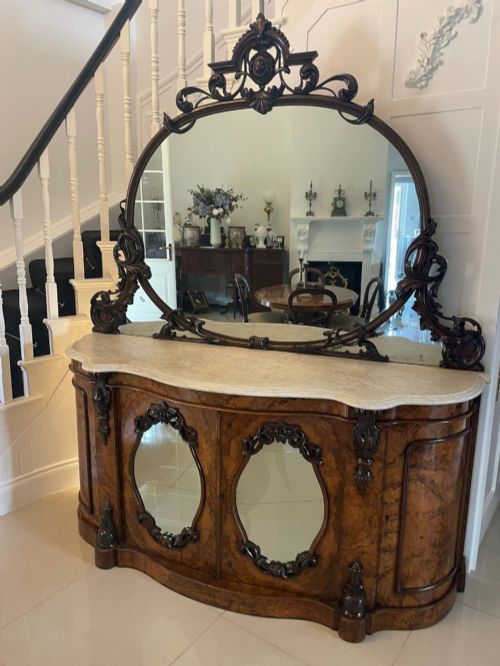
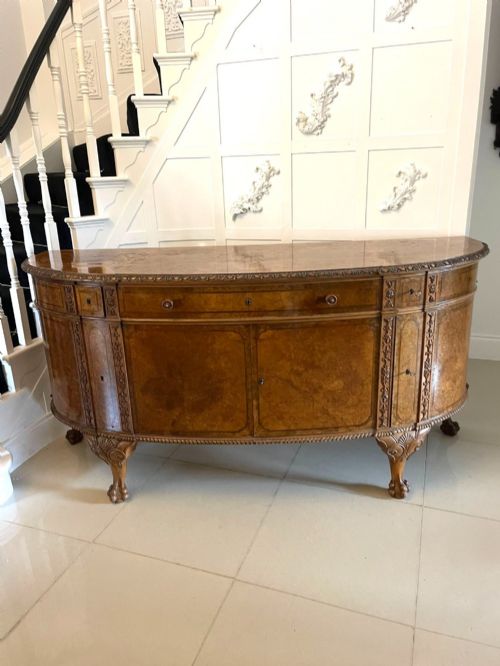
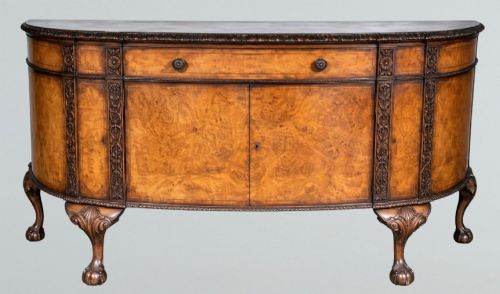
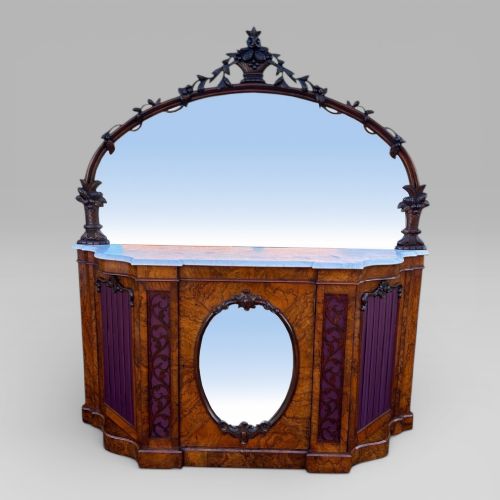
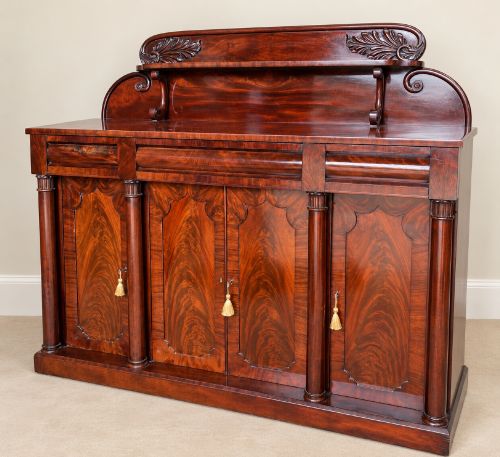
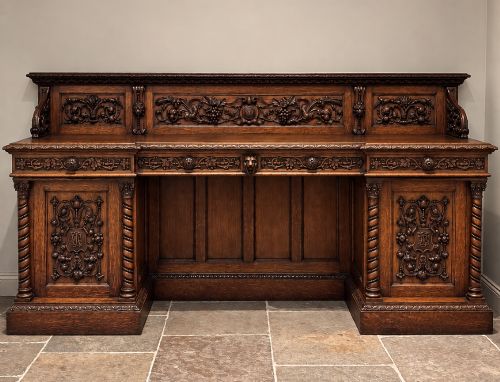
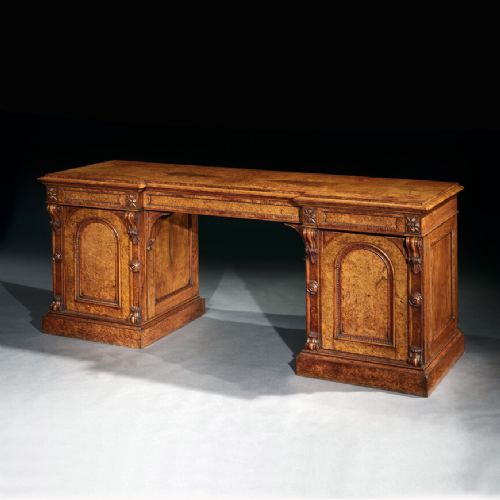
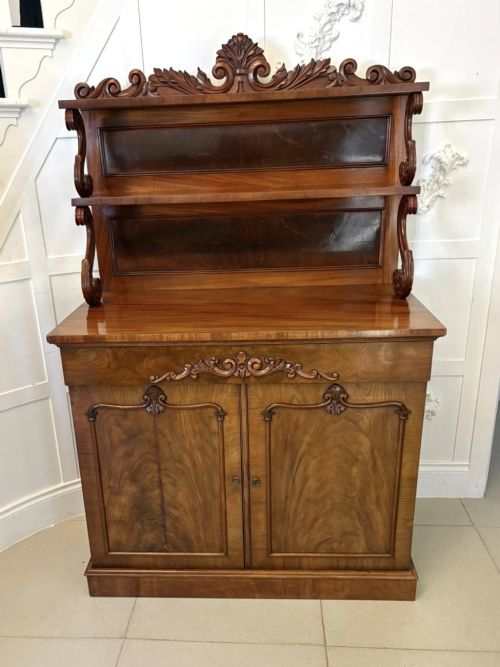
An antique carved dining cabinet grounds a room with heavy timber, deep carving and generous proportions designed for holding silver, linen and glassware.
Antique Carved Dining Cabinet
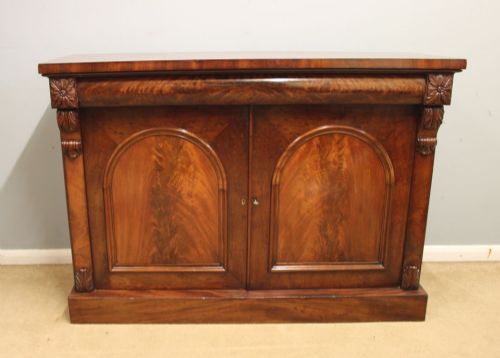
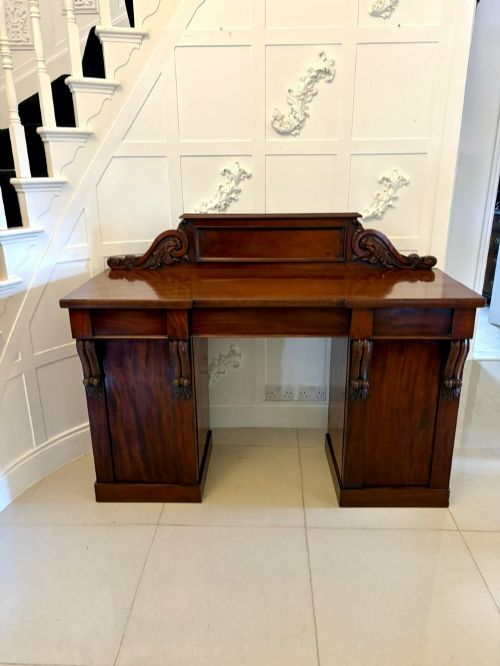
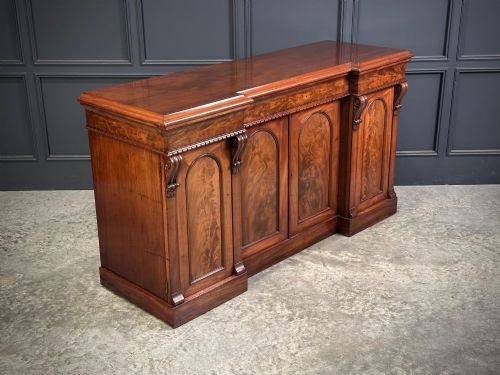
An antique carved dining cabinet most frequently takes the form of a sideboard, buffet, credenza or chiffonier originating from the nineteenth and early twentieth centuries. These large storage pieces emerged to serve dining rooms across the Victorian and Edwardian eras, utilising substantial timbers to provide display and storage space. Buyers searching for this phrase encounter heavy oak, rich mahogany and figured walnut pieces built to anchor a dining space.
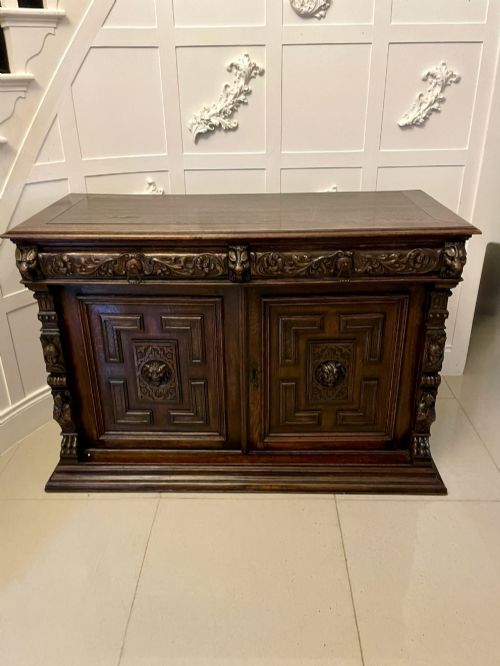
The selection ranges from architectural mirror-back sideboards with deep relief carving to simpler oak servers and chiffoniers. Pieces span revival styles such as Jacobean, Gothic and Queen Anne, alongside clean Regency lines and Arts and Crafts designs. The common thread is domestic utility combined with decorative timber work meant for a formal dining room.
What varies in quality
Quality rests in the selection of the timber and the depth of the cabinet work. Superior examples display highly figured veneers like burr walnut or flame mahogany matched symmetrically across doors and drawers, whereas lesser pieces use plain stock or unevenly matched boards. The thickness of the timber and the precision of the joinery set the better examples apart.
The ambition of the carving determines the tier of the piece. Top-tier cabinets exhibit crisp, deep hand-carving with crisp undercut details on panels and pilasters, while lower-quality items rely on shallow machine routing or applied composition ornaments. Heavy brass mountings and substantial drawer construction further separate standard production from exceptional workshop output.
Some dining cabinets come with twelve-piece cutlery sets tucked quietly into their felt-lined drawers, ready for an impromptu feast.
M. D. Miller & Sons
The Antique Carved Dining Cabinet Glossary
- Sideboard
- A large dining room cabinet designed for serving food and storing tableware. It usually incorporates a combination of drawers and cupboards.
- Chiffonier
- A compact low sideboard, frequently fitted with enclosed shelving beneath and a raised gallery or mirror back above.
- Credenza
- A sideboard or buffet cabinet without legs, sitting directly on the floor or on a low plinth. The form often incorporates glazed or carved cupboard doors.
- Burr Walnut
- Timber taken from the wart-like growth on a walnut tree, yielding a swirling, highly decorative grain pattern used for cabinet veneers.
- Barley Twist
- A turned wooden column resembling a twisted rope, commonly found on the legs and supports of Edwardian and Jacobean revival furniture.
Antique Carved Dining Cabinet: Frequently Asked Questions
How do I clean an antique dining cabinet?
Dust regularly with a soft, dry cloth to prevent grit accumulation on the polished wood surfaces. Avoid modern aerosol polishes and silicones, applying a traditional beeswax sparingly when the timber appears dry.
Keep the cabinet away from direct heat sources and strong sunlight to prevent the timber from splitting and the veneer from lifting over time.
Where were these cabinets placed in a dining room?
Dining cabinets stood against the main wall of the dining room, positioned within easy reach of the dining table for serving meals. Mirror-back versions were placed to reflect light and porcelain displayed around the room.
Smaller chiffoniers served smaller apartments or breakfast rooms, holding tea services and daily linens rather than full dining silver.
What is the difference between a sideboard and a buffet?
A sideboard generally incorporates a more formal arrangement of drawers flanked by deep cupboards, often paired with a raised backboard or mirror. They were principal architectural pieces in Victorian dining rooms.
A buffet traditionally emphasises a flat top surface designed expressly for laying out food during a meal, often featuring simpler under-storage without high mirror superstructures.
How do I date an antique carved dining cabinet?
Examine the secondary woods inside the drawers, the style of the hardware, and the construction methods used for the frame. Dovetails cut by hand generally point to the nineteenth century, while machine-cut joints indicate later production.
Compare the decorative motifs against revival periods, noting that Gothic and Jacobean revival styles recurred across the Victorian and Edwardian eras.