



Antique Carved Decorative Heads
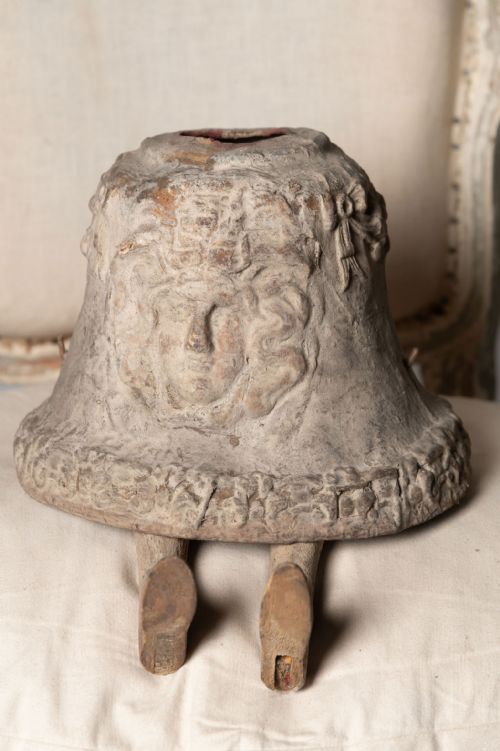
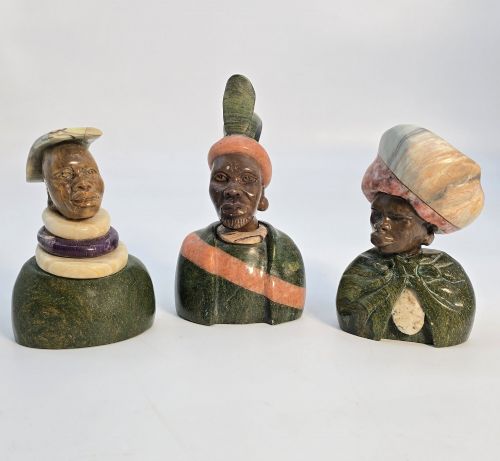
These antique carved decorative heads bring centuries of character into a room, offering sculptural presence carved from wood, marble, and gesso.
Antique Carved Decorative Heads
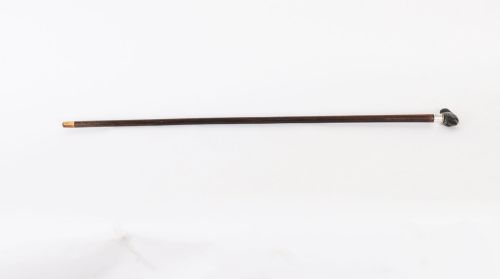
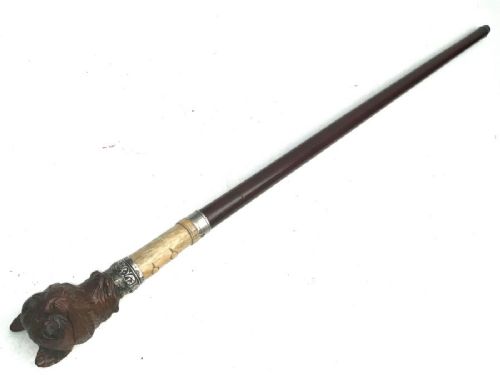
When searching for antique carved decorative heads, buyers encounter a diverse mix of sculptural forms ranging from architectural corbels to portrait busts and novelty cane handles. These pieces span from the eighteenth century through the Victorian era and into the 1930s, reflecting various regional styles including Italian Baroque, Chinese carvings, and Victorian folk art.
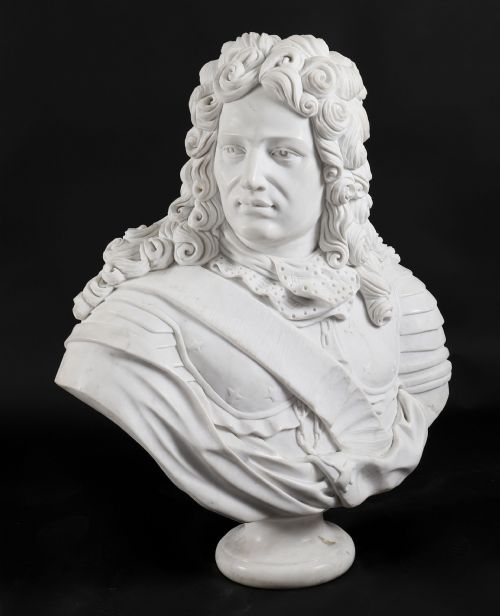
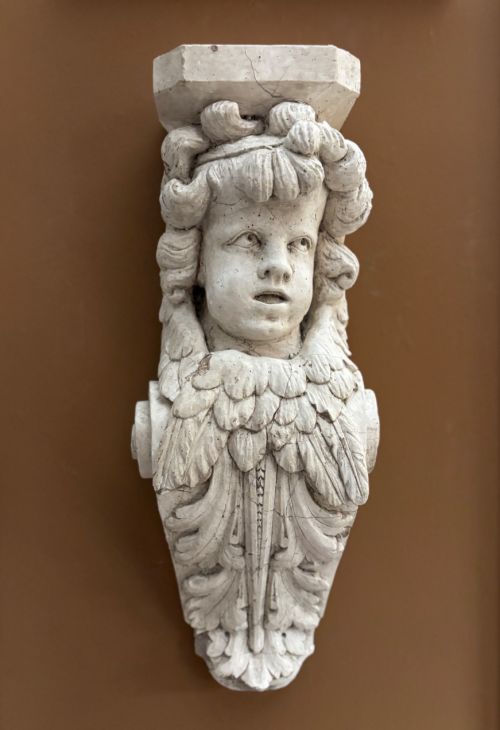
The selection on this page relies heavily on nineteenth-century pieces alongside works from 1930, presented across materials like carved wood, plaster, and stone. Architectural elements such as cherub wall brackets and lion wall masks sit alongside decorative objects like marble busts of gentlemen and women.
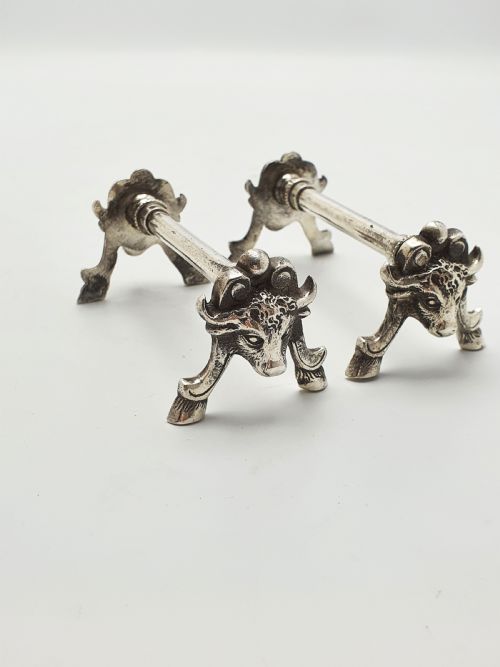
Origins stretch from European workshops in Italy, Spain, and England to Asian traditions, encompassing theatrical props and functional items like knife rests and walking sticks. Buyers are most likely to meet wooden wall ornaments and marble portrait studies that capture human and animal subjects with distinct craftsmanship.
What varies in quality
Depth and sharpness of the chisel work separate ordinary carvings from exceptional ones, particularly in the rendering of facial expressions and hair texture on human and animal heads. Superior pieces display confident handling of anatomy and form, whether in a marble portrait bust or a wooden architectural corbel.
The integrity of the surface finish dictates the visual success of the piece, from the preservation of original paint and gilding to the smooth polish of Carrara marble. Quality also rests in the balance of the composition and the fidelity of the regional style, such as Italian Baroque or Chinese craftsmanship.
Object types range from wall brackets and architectural corbels to walking sticks, knife rests, and portrait busts.
John Wenlock Rollins·Auguste Moreau
The Antique Carved Decorative Heads Glossary
- Corbel
- A structural piece of stone, wood, or metal jutting from a wall to carry a superincumbent weight. In these listings, they frequently take the form of carved cherubs or figural heads.
- Gesso
- A plaster mix used as a base for paint or gilding on wood surfaces. It provides a smooth ground for decorative details on mirrors and wall masks.
- Putto
- A figure of a small chubby male child, often winged, found in classical art and revival styles. Pairs of these figures frequently appear as carved wooden wall brackets.
- Carrara marble
- A type of white or blue-grey marble quarried in the city of Carrara in Tuscany. Sculptors prized this stone for nineteenth-century portrait busts.
- Folk art
- Art produced from an indigenous culture or by peasant labourers without formal training. These pieces prioritize expressive character over academic precision.
Antique Carved Decorative Heads: Frequently Asked Questions
What rooms suit antique carved heads?
Wall masks, brackets, and small busts fit well in studies, hallways, and living spaces where architectural detail adds immediate focal points. They anchor gallery walls or sit quietly on mantelpieces among books and ceramics.
Larger marble busts require dedicated pedestals or sturdy sideboards to support their weight and presence properly within a room's layout.
How do I care for wooden carved heads?
Keep wooden pieces away from direct sunlight and sudden temperature shifts to prevent the timber from drying out or splitting. Dust gently with a soft, dry cloth rather than using liquid polishes that might damage historic painted or gilt surfaces.
Check wall fixings periodically on heavier corbels and brackets to ensure they remain securely anchored to the wall structure.
How are marble busts cleaned?
Marble surfaces benefit from gentle dusting with a soft brush to remove particles from recessed carved areas. Avoid abrasive cleaners, vinegar, or harsh chemicals that can etch or dull the stone over time.
Professional conservation advice should be sought before attempting to remove deeper staining from porous stones like alabaster or marble.
How do I identify nineteenth-century pieces?
Look for tool marks, patination, and material consistency that match the production methods of the eighteen-hundreds. Stylistic cues such as Victorian Neoclassical or historic revival motifs often point firmly to this era.
Compare the piece against known examples from the period, noting the specific ageing of gesso, paint, and metal components.