



Antique Carved Bone
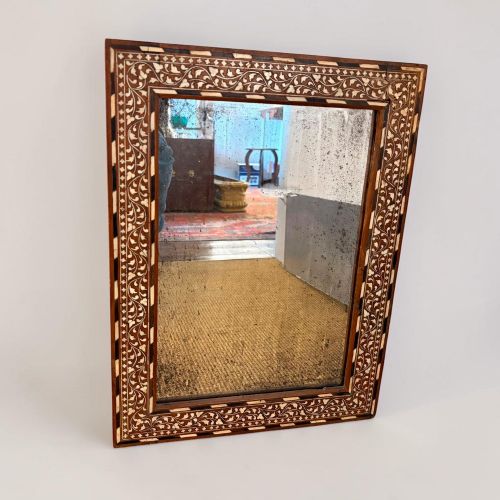
These pieces of antique carved bone bring intricate craftsmanship and tactile warmth into a room, spanning delicate games sets, inlaid tables and sculptural figures.
Antique Carved Bone
When you search for antique carved bone, you encounter a diverse range of objects originating from various global traditions spanning the nineteenth and early twentieth centuries. The selection encompasses small personal items like gaming sets and dice shakers alongside larger furnishings embellished with intricate inlay.
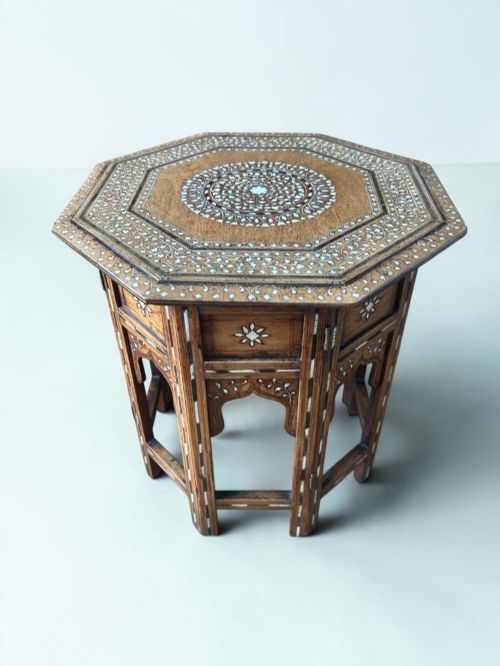
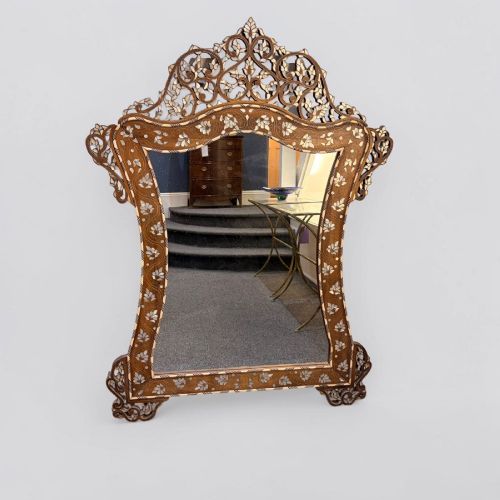
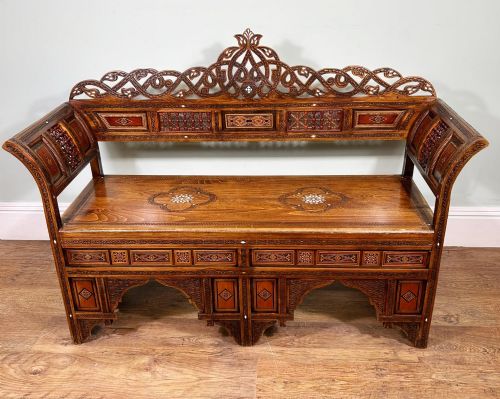
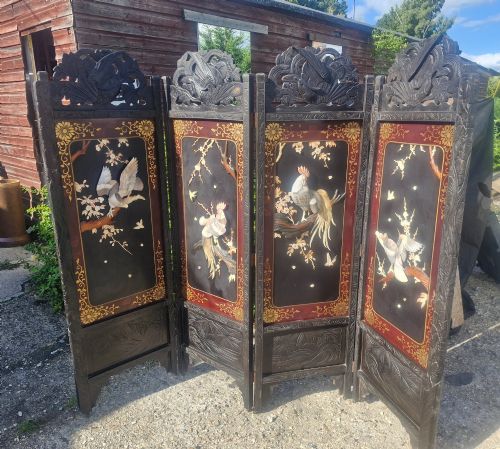
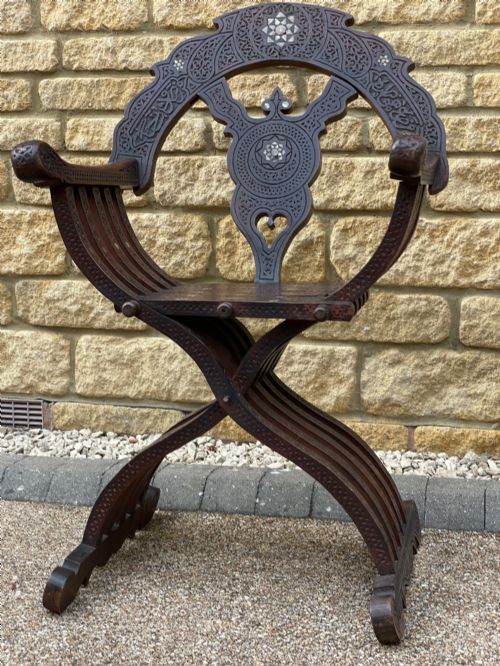
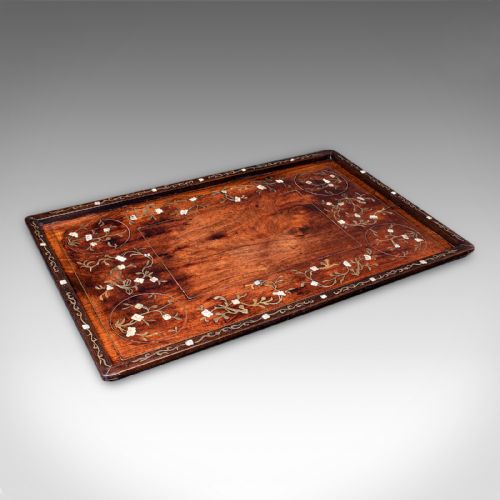
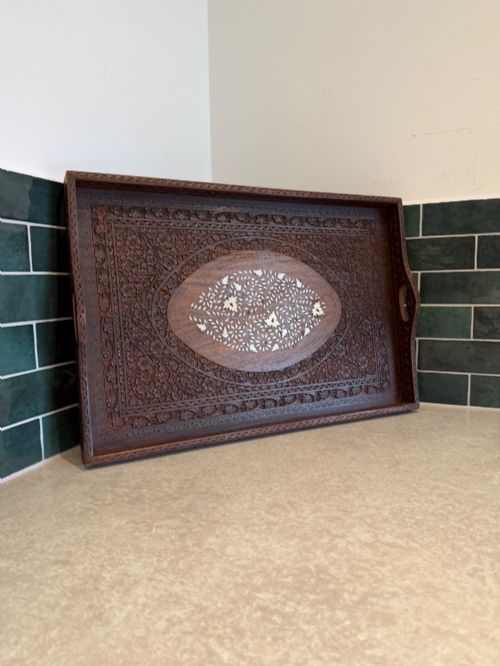
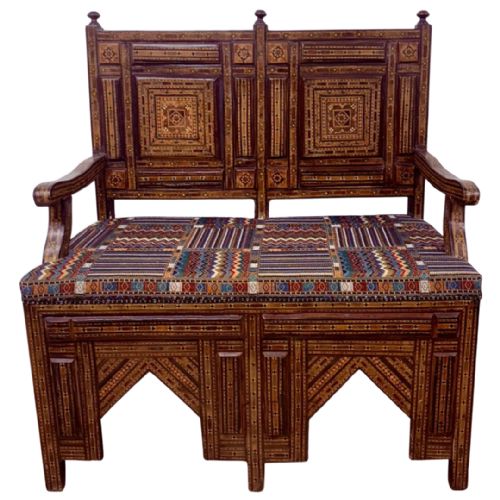
You are most likely to meet occasional tables, boxes and trays originating from Anglo-Indian workshops or Syrian centres, alongside Japanese screens and small decorative objects. These items combine structural hardwoods or exotic timbers with detailed bone work.
The materials reflect the global trade networks and domestic crafts of the Victorian era and the decades immediately following. Makers utilised bone for its smooth surface and capacity for fine detail, creating contrasting patterns against dark woods.
Materials and Construction
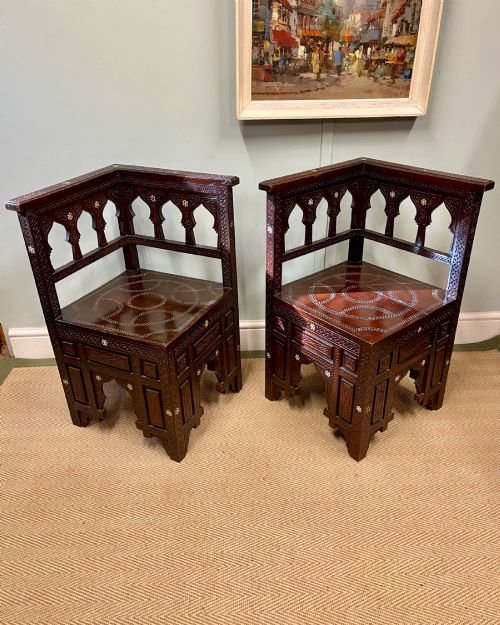
The construction of these pieces relies on the combination of dense structural timbers such as teak, walnut and rosewood with thin sections of bone or mother-of-pearl. Artisans cut bone into delicate plaques and threads to form geometric mosaics or figurative low relief carvings.
Inlaid furniture utilises precise recessing, where individual pieces of bone are set flush into the timber substrate and secured with natural adhesives. Freestanding carvings and small objects rely on hand tools to achieve deep relief and smooth, tactile finishes.
Antique Carved Bone Retail Price Guide 2026
Typical asking prices for carved bone among the pieces listed under this phrase on Sellingantiques today, from the lower quarter to the upper quarter. They describe what is for sale here now, not the wider market.
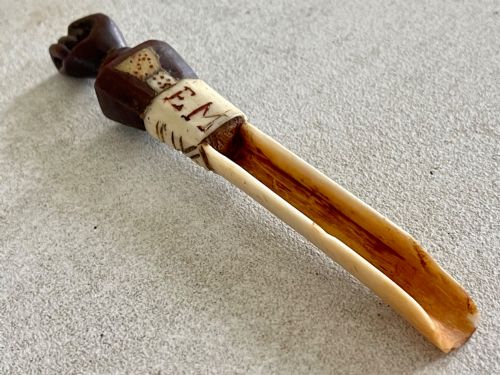
Among the small curiosities are prisoner-of-war teetotums, carved from bone during long periods of confinement.
Assessing Quality and Execution
The standard of an antique carved bone object rests upon the precision of the inlay work and the depth of the carving. Superior examples demonstrate tight joints between the bone and timber components with minimal filler, maintaining crisp geometric patterns or expressive figurative details.
The choice of supporting wood also dictates the grade of the piece, with dense hardwoods like rosewood and teak providing a stable base for complex surface decoration. Pieces displaying well-balanced proportions and refined detailing command greater attention.
Liberty & Co.
The Antique Carved Bone Glossary
- Bone Inlay
- A technique where small sections of bone are embedded into a wooden surface to create decorative patterns. This method appears frequently on regional furniture and decorative boxes.
- Anglo-Indian
- A term describing items made in India during the British period, often combining British furniture forms with local carving traditions and materials. Hoshiarpur tables serve as a primary example of this style.
- Moorish Revival
- An architectural and decorative style popular in the nineteenth century that incorporates Islamic design motifs. Items from this tradition often feature complex geometric strapwork.
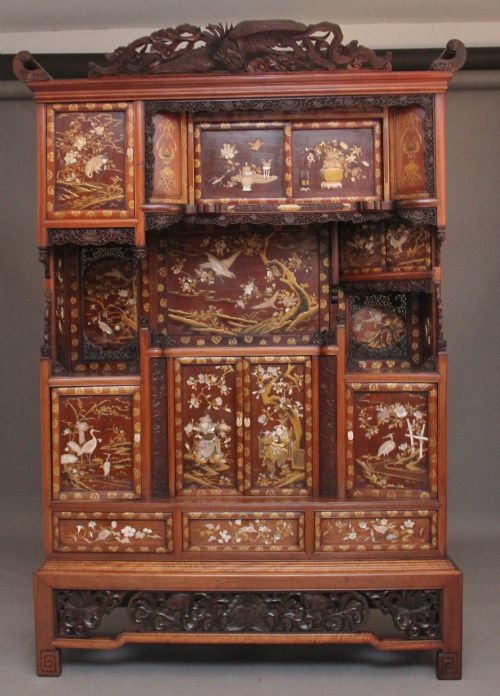
- Shodona
- A Japanese cabinet or display stand with asymmetrical shelving used for exhibiting small ornaments. These pieces typically incorporate fine woodwork and carved elements.
Antique Carved Bone: Frequently Asked Questions
What are antique carved bone items made from?
These pieces combine natural animal bone with structural timbers such as teak, walnut, hardwood and rosewood. Mother-of-pearl often accompanies the bone elements in inlaid surfaces.
The materials reflect traditional regional crafting methods from various global workshops active during the nineteenth and early twentieth centuries.
How do I care for antique carved bone furniture?
Keep these items away from direct sunlight and excessive humidity to prevent the wood and bone from warping or cracking. Dust gently with a dry, soft cloth.
Avoid applying harsh chemical polishes or modern cleaning agents directly onto the bone surfaces or the surrounding timber inlay.
How do I identify Hoshiarpur tables?
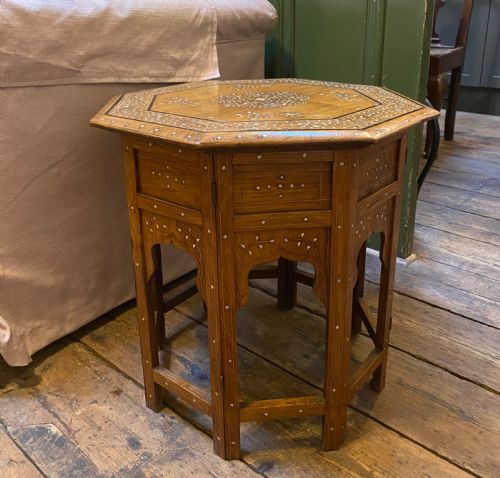
Hoshiarpur tables typically feature octagonal tops and folding bases densely covered in intricate bone and mother-of-pearl inlay. The geometric patterns completely envelope the supporting hardwood structure.
These pieces originate from northern India during the late nineteenth century and follow distinct Anglo-Indian design traditions.
Were these items purely decorative?
Many pieces served practical functions in period interiors, including small occasional tables, serving trays, storage boxes and travel games sets. Others functioned as folding screens or wall mirrors.
Practical utility often merged with ornate surface decoration to suit the aesthetic preferences of Victorian and Edwardian households.