


Antique Carved Architectural Carving
These pieces of antique carved architectural carving rescue fragments of buildings and ecclesiastical spaces to bring tangible historic weight into modern interiors.
Antique Carved Architectural Carving
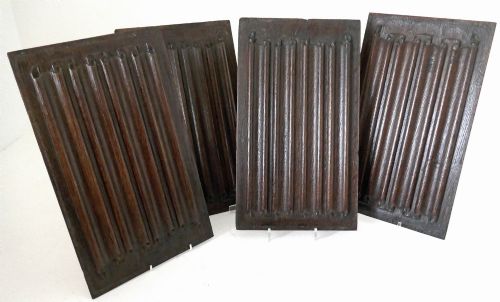
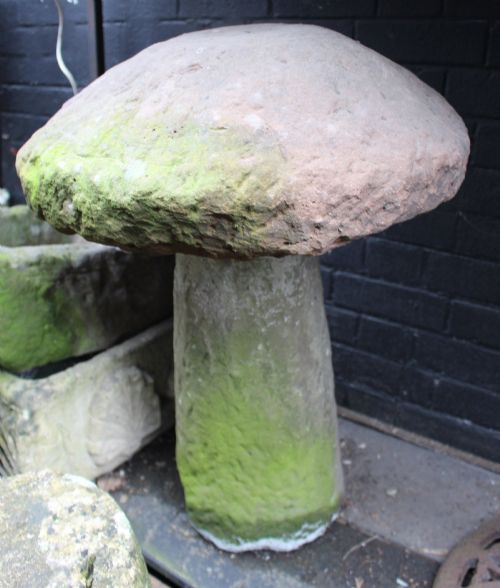
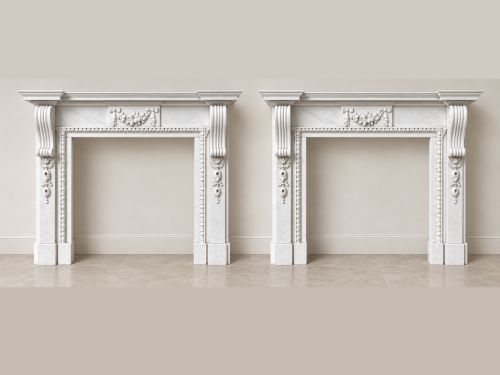
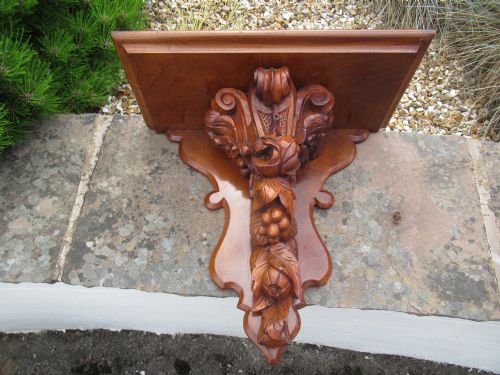
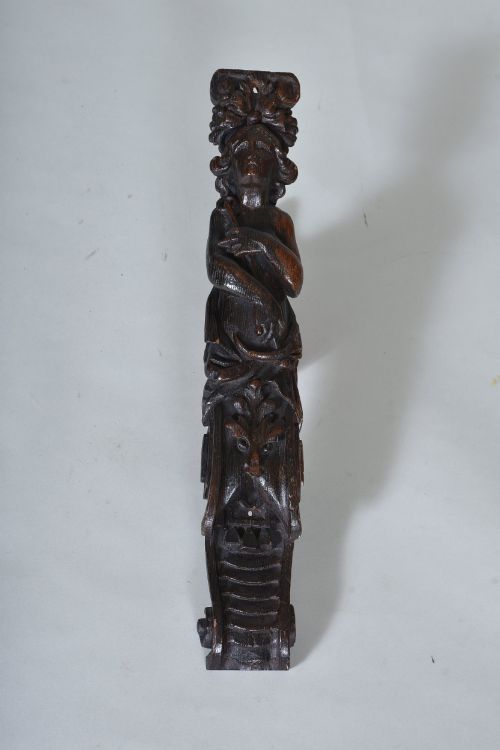
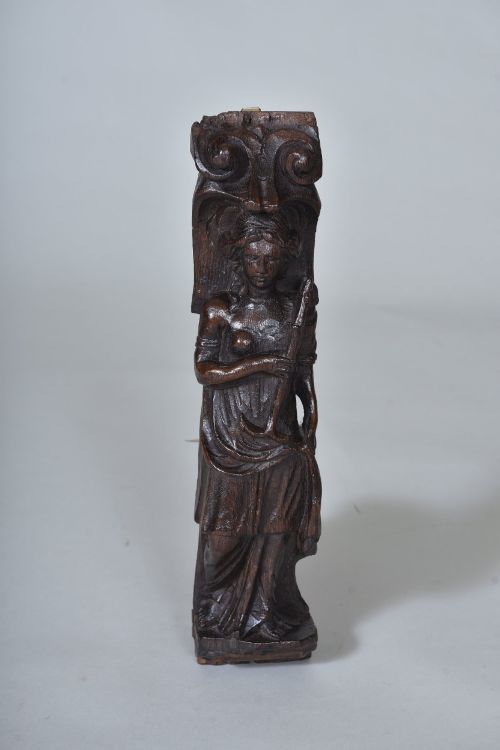
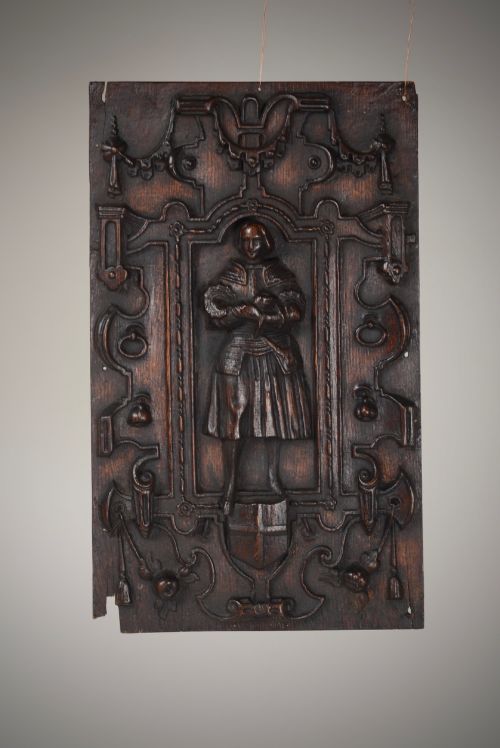
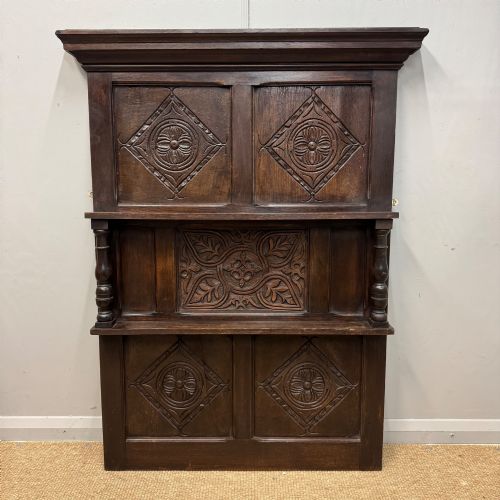
When you search for antique carved architectural carving, you encounter salvaged elements removed from period buildings, churches, and grand interiors. These objects include linenfold panels, corbels, columns, overmantels, pediments, and fireplace surrounds originating from the sixteenth century through to the Edwardian period.
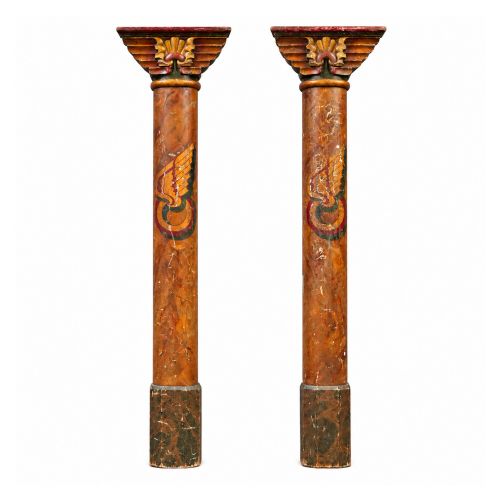
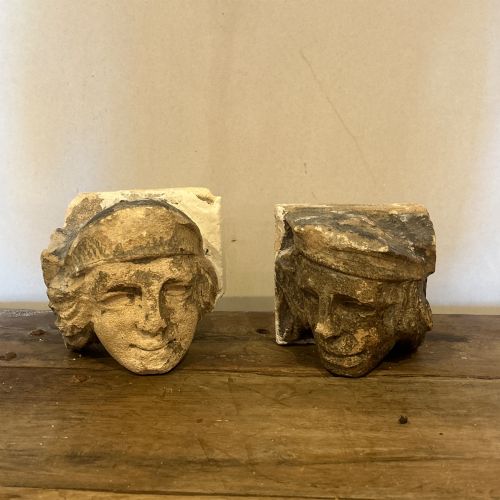
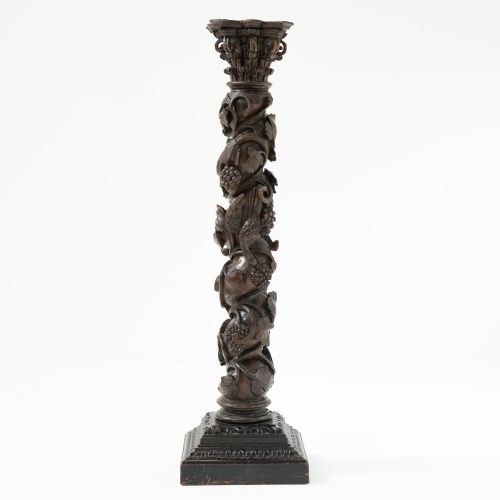
The most common examples on this page are oak panels and timber architectural fragments, frequently dating from the seventeenth and nineteenth centuries. Alongside these flat panels, buyers will find structural elements such as wooden columns and limestone corbels that once supported larger built environments.
How They Were Made
These pieces rely heavily on solid timber, predominantly oak and pine, shaped through manual chisel work and high-relief carving techniques. Artisans worked directly on the wood to produce intricate linenfold patterns, figural panels, and classical motifs such as Corinthian columns.
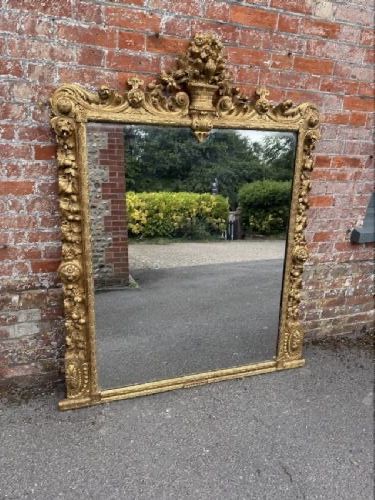
Surface treatments frequently involve gesso, gold leaf, and paint, particularly on giltwood mirrors, terracotta brackets, and polychrome panels. The application of these finishes protected the underlying material while providing the decorative richness demanded by period interiors.
The listings span from medieval stone corbels up to Edwardian architectural elements, encompassing oak, pine, terracotta, and marble.
What Varies in Quality
The distinction between standard architectural salvage and finer examples rests upon the depth, crispness, and complexity of the hand carving. Pieces featuring high-relief figural work or detailed linenfold execution from earlier centuries demonstrate superior workshop competency compared to simpler, later adaptations.
Material integrity and the survival of original surface finishes dictate the standing of a piece within its type. Elements retaining original gilding, paint, or untouched timber patination hold greater visual coherence than those stripped or heavily restored over subsequent eras.
The Antique Carved Architectural Carving Glossary
- Linenfold
- A style of wood carving representing folded linen, commonly seen on sixteenth-century panels. This motif was widely utilised in ecclesiastical and domestic interior woodwork.
- Corbel
- A structural stone or timber bracket projecting from a wall to support a weight above. Medieval examples often feature carved figural or symbolic busts.
- Gesso
- A plaster-like mixture applied to wood surfaces as a base for painting or gilding. It provides a smooth ground for the application of gold leaf.
- Solomonic
- A type of column characterised by a helical winding shaft resembling a corkscrew. These twisting architectural supports gained popularity during the Baroque period.
- Polychrome
- Decorated in multiple colours. This term describes wooden panels and sculptures retaining their original painted surfaces from centuries past.
Antique Carved Architectural Carving: Frequently Asked Questions
What is architectural salvage?
Architectural salvage comprises building components and decorative elements rescued from structures slated for demolition or renovation. These items allow historical fragments to find new life in contemporary settings.
Such pieces range from small wooden panels to large stone corbels and fireplace surrounds, preserving traditional craftsmanship for modern display.
How were linenfold panels used?
Linenfold panels typically formed part of extensive wall panelling systems within Tudor and Elizabethan buildings. They lined domestic chambers and institutional halls to provide insulation and decoration.
Over time, individual panels became separated from their original interiors, surviving as standalone decorative objects or architectural fragments.
How do I date oak carvings?
Dating carved oak involves examining tool marks, timber shrinkage, and stylistic indicators specific to periods like the sixteenth or seventeenth century. Hand-cut joinery and the depth of the relief work offer primary clues to age.
Comparing the execution of motifs such as linenfold or figural scenes against documented examples helps narrow down the century of production.
Can architectural fragments be hung on walls?
Many panels and brackets are well-suited for wall mounting as decorative art. Heavier stone elements require specialised structural fixings to ensure secure placement.
Securing these pieces allows historical carvings to function as focal points in contemporary interior design schemes.