
Dark Brown Oak Lamp
A dark brown oak lamp brings warmth and tactile grain to a room, drawing on decades and centuries of traditional woodworking.
Dark Brown Oak Lamp
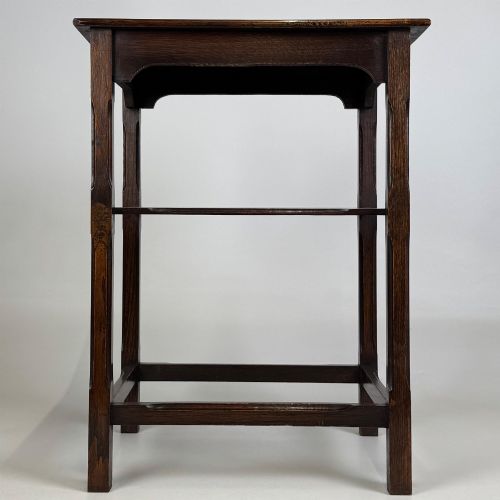
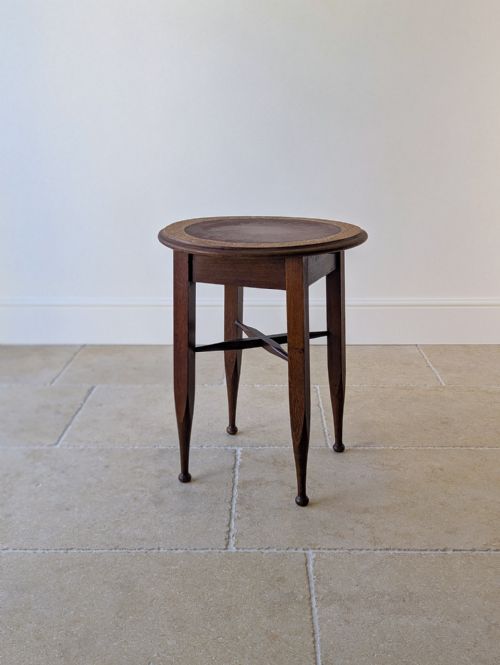
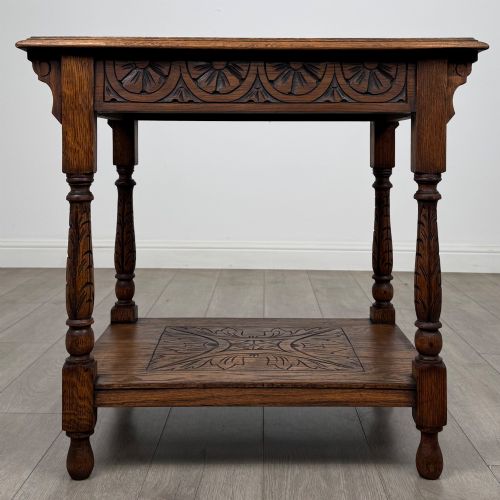
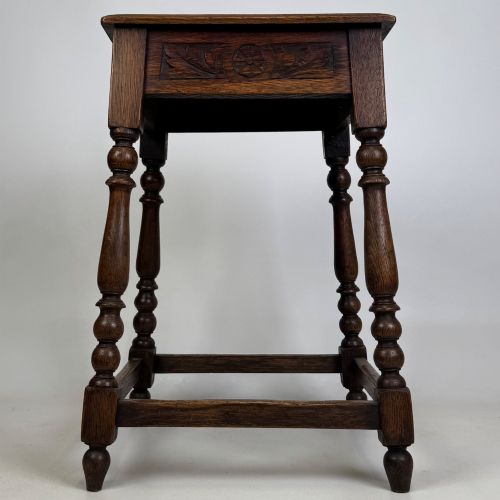
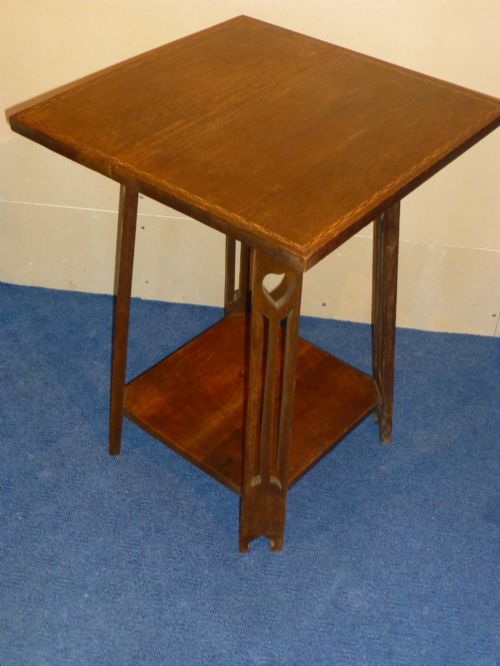
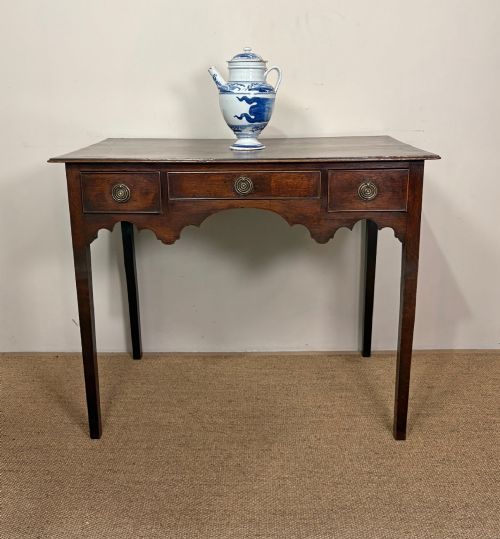
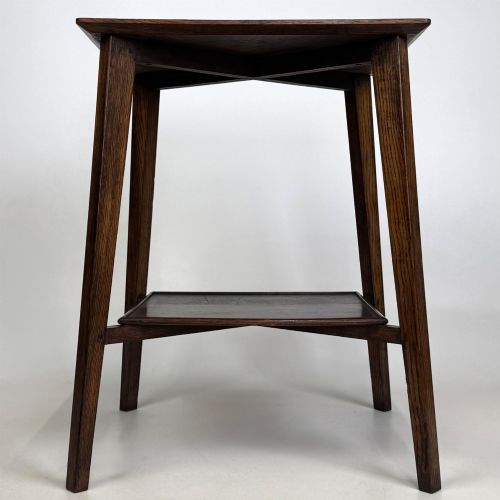
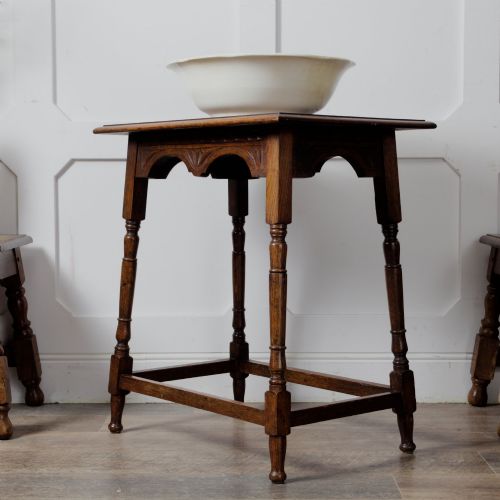
A dark brown oak lamp draws upon forms traditionally seen in side tables, standard lamps, and smaller occasional pieces found across periods such as the Edwardian era, the Georgian period, and the nineteenth century. Buyers searching for this term often encounter turned standards, tripod bases, and carved details adapted from earlier historical revivals.
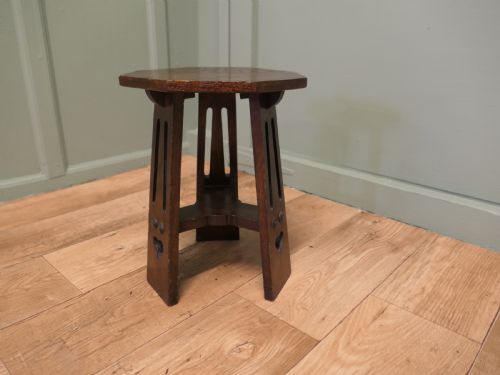
The material vocabulary ranges from solid oak and burr oak veneer to carved hardwood, frequently paired with brass fittings and fabric shades. Many pieces originate from workshop traditions associated with Arts and Crafts design or vernacular English country furniture.
While side tables and plant stands dominate the broader category of brown oak furnishings, lighting adaptations utilise similar turned timber shafts and tripod supports. The dark brown tone typically develops from centuries of polish, wax, and the natural ageing of heartwood.
Materials and construction methods
Construction relies heavily on solid oak and burr oak veneer, supported by secondary timbers like pine in vernacular pieces. Cabinetmakers employed traditional joinery, turning lathes for barley twist and bobbin stems, and hand-carved ornamentation.
Surface decoration frequently incorporates wood inlay, chequered stringing, and applied mouldings. Finishes rely on layers of dark wax and shellac to seal the timber and deepen the brown colour over generations.
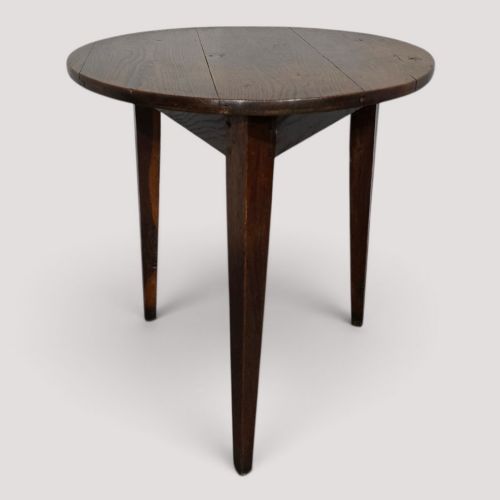
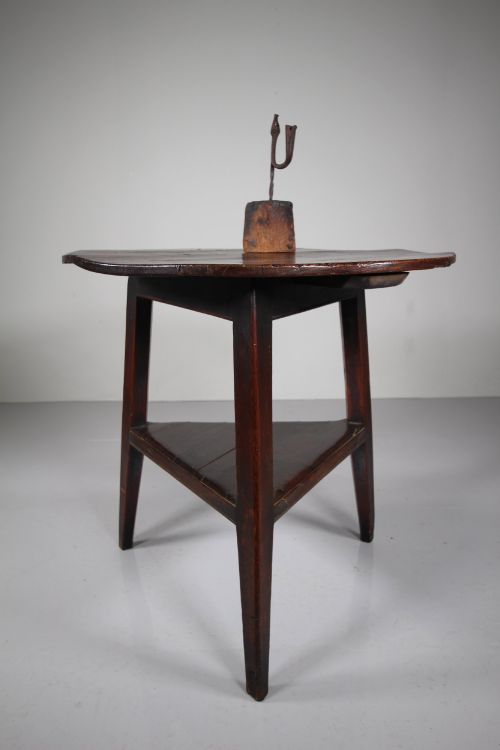
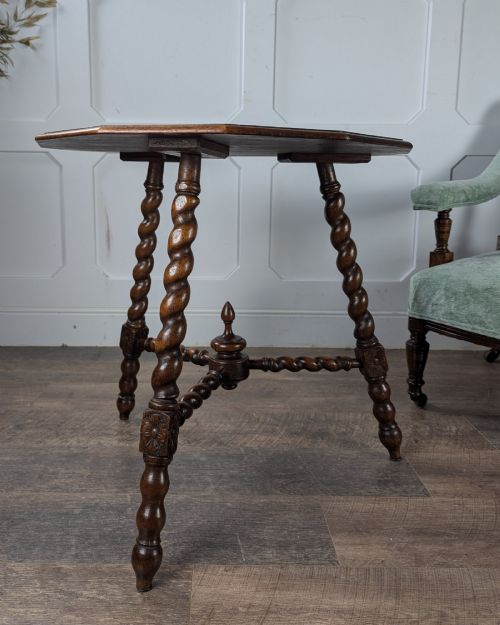
Three-legged cricket tables were originally built with uneven floors in mind, sitting steadily where four legs would wobble.
Judging quality in oak lighting and furniture
Quality rests in the selection of timber, particularly where figured burr oak veneer or dense solid oak is chosen for prominent surfaces. Crispness in hand-carved details and the precision of turned barley twist stems separate workshop production from simpler output.
Structural integrity depends on stable joints, well-fitted bases, and original brass hardware where applicable. Pieces retaining an untouched dark patina demonstrate superior ageing compared to those stripped and refinished in modern times.
Liberty and Co.·William Birch
The Dark Brown Oak Lamp Glossary
- Barley twist
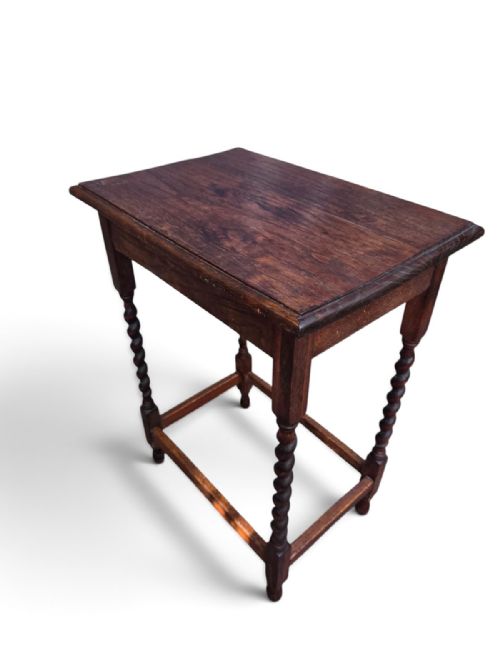
- A decorative turning technique resembling a spiral rope, frequently found on table legs and standard lamp shafts. This style gained particular popularity during the seventeenth century and saw major revivals in the Victorian and Edwardian periods.
- Cricket table
- A small three-legged round table with a wooden top, traditionally used in English cottages. The three-legged design ensured stability on uneven flagstone floors.
- Burr oak veneer
- Thin slices of decorative timber cut from oak tree growths, showing swirling grain patterns. Cabinetmakers applied these veneers to tabletops and cabinet fronts for visual richness.
- Arts and Crafts
- A design movement spanning the late nineteenth and early twentieth centuries emphasising hand craftsmanship and simple forms. Makers within this circle avoided excessive industrial ornamentation in favour of honest material expression.
- Tripod table
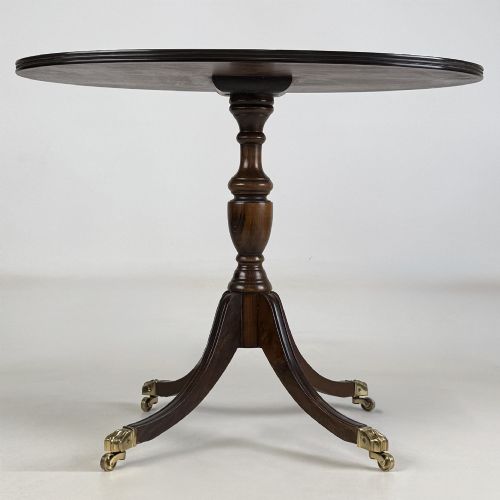
- A small circular table supported by three legs radiating from a central pillar. These were often utilised as wine or occasional lamp tables in eighteenth-century interiors.
Dark Brown Oak Lamp: Frequently Asked Questions
What periods do these oak pieces date from?
The selection spans from the eighteenth century through the Victorian and Edwardian eras into the early twentieth century. Common design influences include Georgian proportions and Jacobean revival turning.
Craftsmen across these periods utilised native British oak, applying traditional methods such as bobbin turning, plank construction, and hand-carved decorative motifs.
How do I care for dark brown oak furniture?
Maintain the timber by applying natural beeswax periodically and buffing gently with a soft cloth. Avoid placing wooden pieces near direct heat sources or strong sunlight to prevent splitting.
Keeping the surface clean from moisture preserves the rich dark patina built up over decades of handling and polishing.
What is the difference between solid oak and burr oak veneer?
Solid oak consists of boards milled directly from the timber trunk, offering structural strength and uniform grain depth. Burr oak veneer uses thin slices of figured wood applied over a stable secondary core to highlight swirling growth patterns.
Both methods appear across antique occasional tables and stands, depending on the desired decorative effect.
Are these items suitable for modern interiors?
The neutral dark brown tones and straightforward wooden forms allow these pieces to integrate easily beside contemporary upholstery and lighting. Their modest proportions suit corners, beside armchairs, or as lamp surfaces.
Combining historic woodwork with modern interiors adds tactile warmth and historical character to a room.