


Antique Card Tray
An antique card tray sits on a hall table to hold calling cards or small treasures, offering a glimpse into formal social rituals.
Antique Card Tray
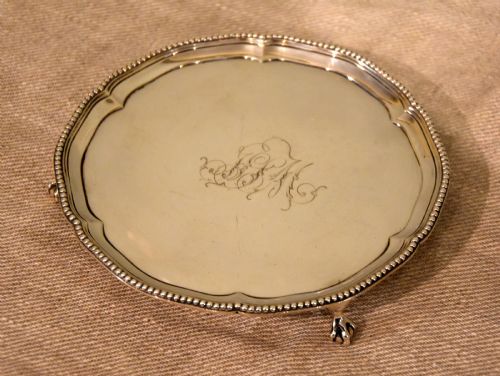
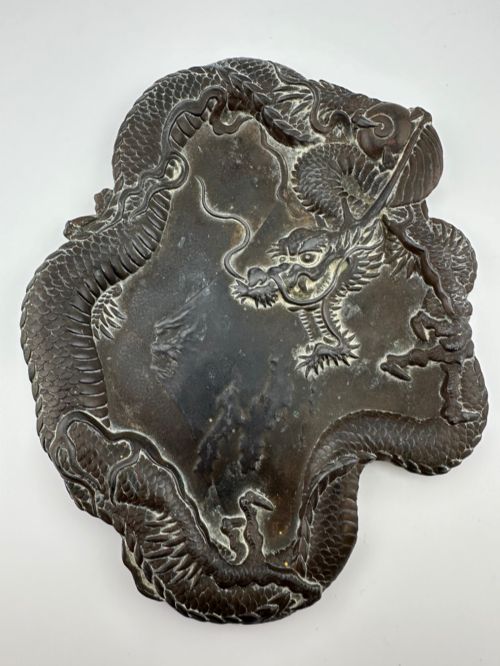
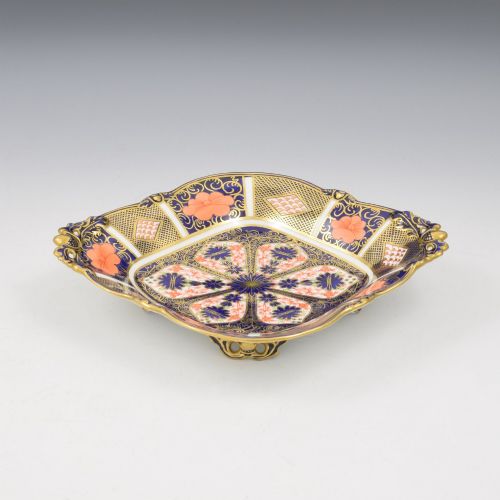
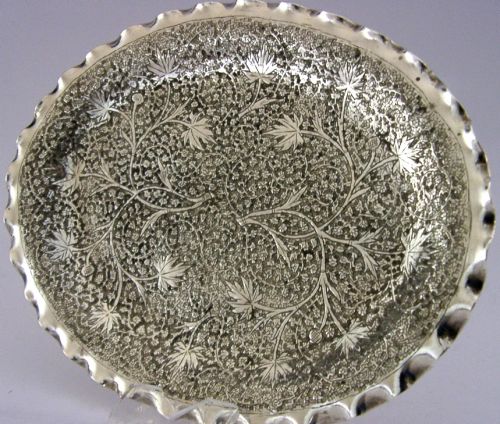
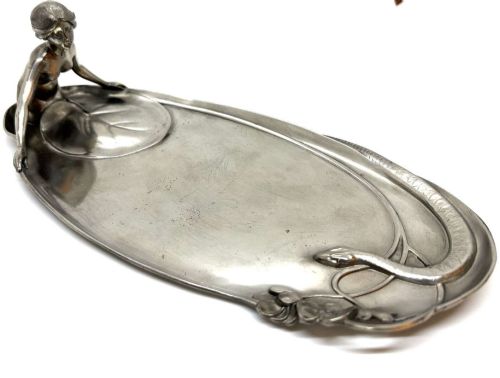
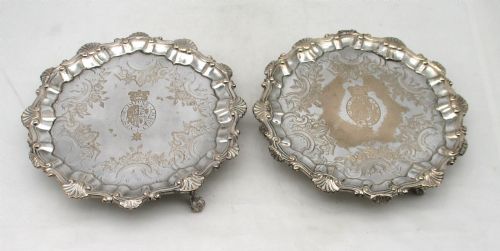
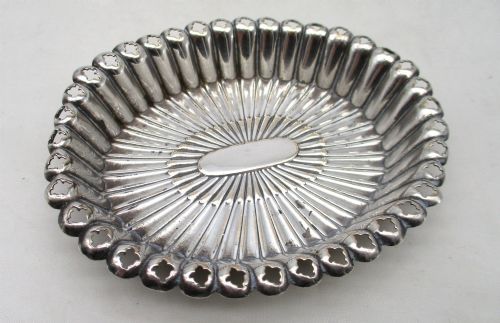
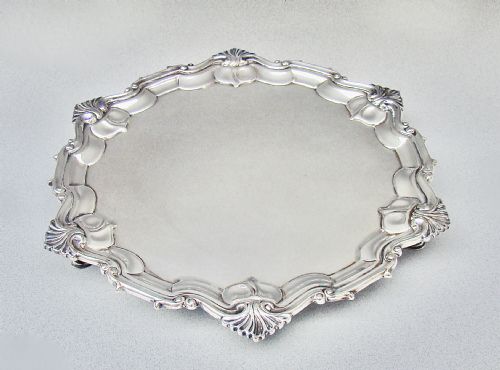
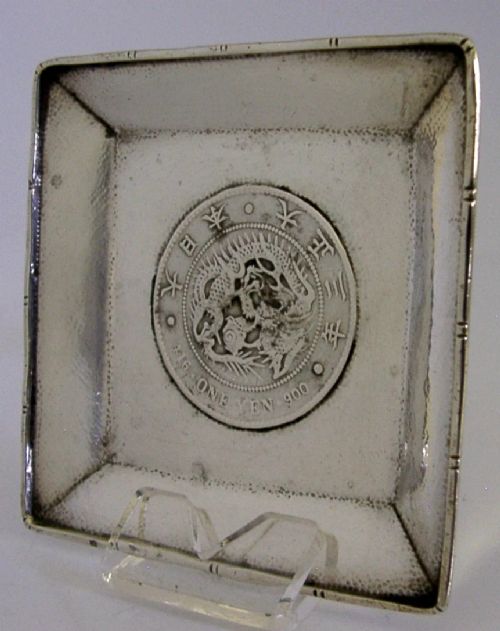
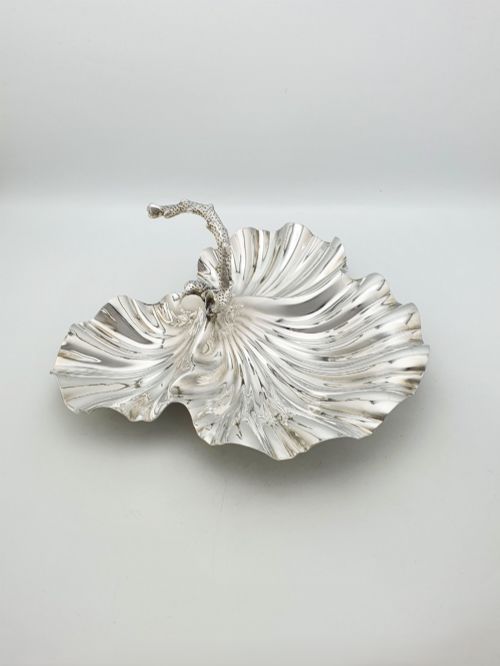
When you search for an antique card tray, you encounter small serving dishes designed to receive visiting cards in domestic hallways. These pieces appear in forms ranging from small silver salvers with raised rims to papier-mâché dishes and metal trays.
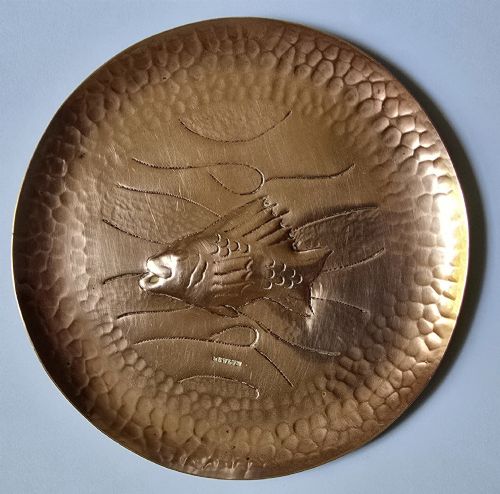
The selections span multiple centuries, including Georgian sterling silver examples, Victorian silver-plated designs, and Arts and Crafts copper pieces. Many take circular or scalloped shapes, often supported by small feet or cast handles.
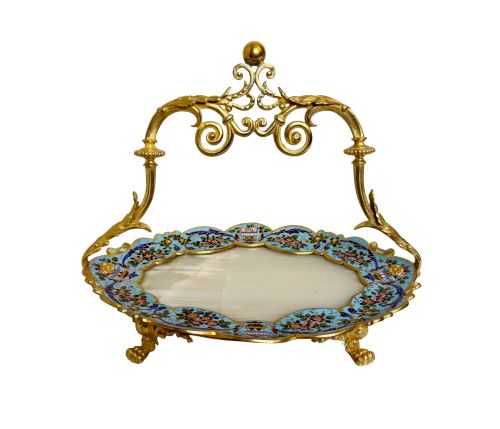
You also discover continental European metalwork, such as gilt bronze and champleve enamel trays from the late nineteenth century. These objects served both a practical function in nineteenth-century calling etiquette and a decorative role in the home.
Materials and Construction
Makers utilised sterling silver, Old Sheffield plate, and silver plate over base metals, shaping them through casting, hammering, and repoussé work. Artisans of the Arts and Crafts movement hammered copper by hand, leaving visible tool marks that emphasise manual craftsmanship.
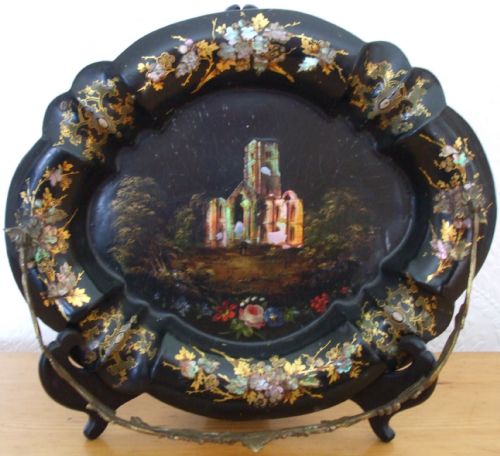
Papier-mâché examples relied on layered paper pulp pressed in moulds, then dried, lacquered, and sometimes inlaid with mother-of-pearl or painted by hand. Cast ormolu, bronze, and Britannia metal provided heavy foundations for decorative continental trays featuring enamel and onyx inserts.
Materials range from sterling silver and copper to papier-mâché, reflecting the diverse domestic tastes of the eighteenth, nineteenth, and early twentieth centuries.
Distinctions in Quality
Quality rests upon the crispness of the chased or engraved ornamentation, such as armorial crests and floral repoussé. Pieces displaying deep, hand-carved detailing or crisp casting possess greater artistic merit than mass-produced stamped items.
The integrity of the material also dictates value, where solid sterling silver and heavy Old Sheffield plate outlast thinner electroplated wares. Preserved surfaces with original gilding, lacquer, or patination elevate an individual piece above examples that have suffered aggressive polishing.
Robert Abercromby·Robert Pringle and Sons·Charles Boyton·William Hutton and Sons·Tiffany and Co
The Antique Card Tray Glossary
- Salver
- A flat metal tray or dish, usually with feet, used for serving or presenting objects. In older terminology, smaller versions functioned specifically for visiting cards.
- Repoussé
- A metalworking technique where the artisan hammers the design from the reverse side to form a raised pattern on the front. This method creates tactile floral and scroll motifs on silver and copper trays.
- Old Sheffield Plate
- An early fused plating method where a thin sheet of silver is fused to a copper core. This technique predates modern electroplating and produces a warm, characteristic sheen.
- Champlevé
- An enamelling process where troughs are gouged into a metal surface and filled with vitreous enamel powder before firing. The resulting coloured patterns decorate bronze and brass trays.
- Papier-mâché
- A composite material made from paper pulp or reinforced sheets mixed with glue and resin. Once hardened, it forms a durable, lightweight base for lacquered decorative dishes.
Antique Card Tray: Frequently Asked Questions
What was an antique card tray used for?
These small dishes received the engraved calling cards left by visitors during formal social calls in the eighteenth and nineteenth centuries. Servants placed the tray in the hallway to collect these cards upon a guest's arrival.
Over time, households also utilised them to hold keys, pocket change, or small sweets. Today, they serve a similar decorative and catch-all function on desks or hall tables.
How do I date an antique card tray?
Silver examples usually bear hallmarked date letters, assay office symbols, and maker's marks that allow precise dating. Stylistic clues, such as Georgian gadrooning or Art Nouveau serpent motifs, also indicate the period of creation.
Non-silver materials like papier-mâché or copper rely on manufacturing techniques and stamped studio marks for chronological attribution. Comparing the decorative motifs to documented design periods narrows the date further.
Are card trays made of solid silver?
Many examples consist of sterling silver, marked with regional assay office stamps to guarantee their metal purity. Other pieces utilise silver plate, Old Sheffield plate, or base metals like copper, brass, and pewter.
Makers also employed non-metal materials including papier-mâché, porcelain, and bronze, sometimes accented with enamel or onyx. Examining the underside or rim often reveals maker's marks or base metal where plating has thinned.
How should I clean my card tray?
Silver trays require gentle cleaning with a soft cloth and a specialised silver polish to preserve the chased details. Avoid harsh abrasive cleaners that wear down fine engraving and remove historical patination.
Lacquéred papier-mâché or painted surfaces need only a dry dust with a feather duster or soft microfibre cloth. Moisture can damage fragile organic cores, so water and liquid cleaners must be kept away from non-metal items.