



Antique Canine Canvas Painting
An antique canine canvas painting captures the character and loyalty of dogs through traditional portraiture, offering a glimpse into historical human-animal bonds that appeals to collectors and animal lovers alike.
Antique Canine Canvas Painting
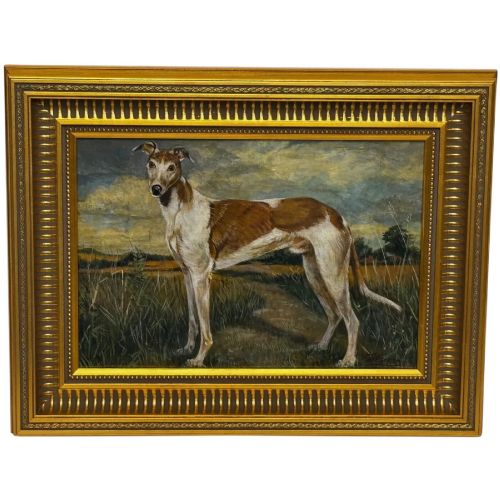
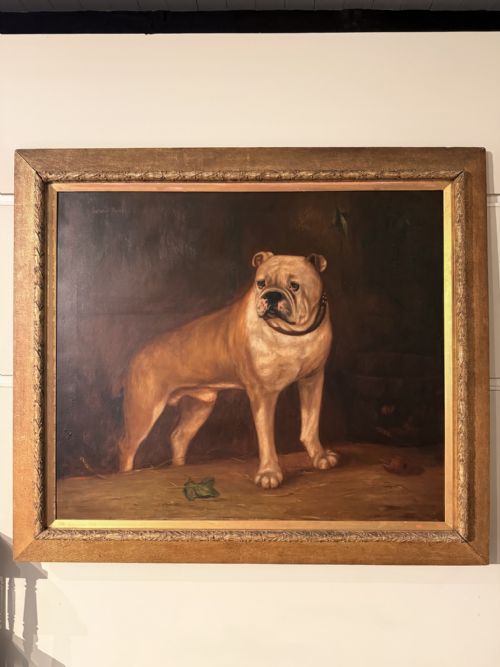
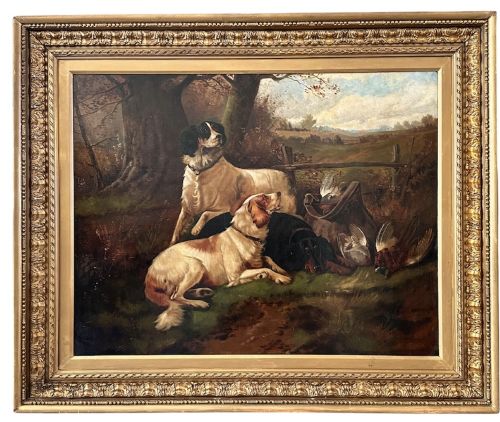
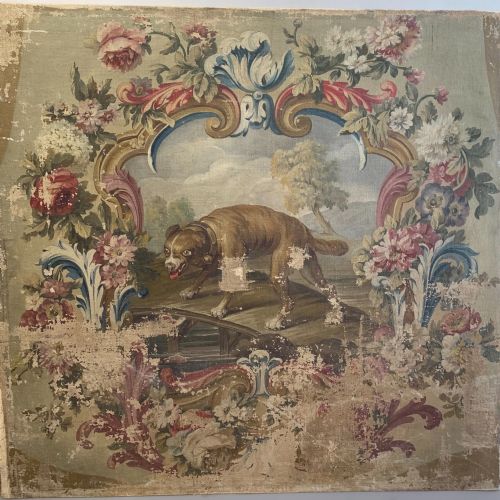
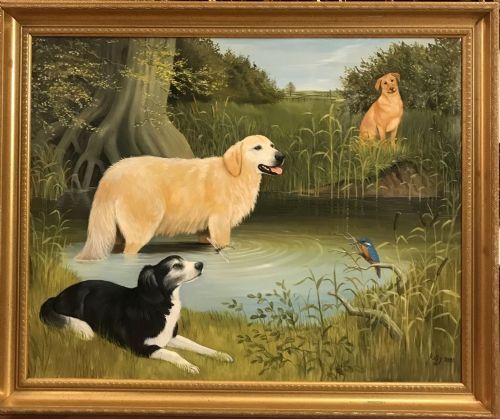
An antique canine canvas painting portrays dogs in various settings, ranging from solitary sporting portraits to lively scenes of terriers at work. These works reflect both the sentimental attachment to pets and the high status of working and hunting dogs throughout past centuries.
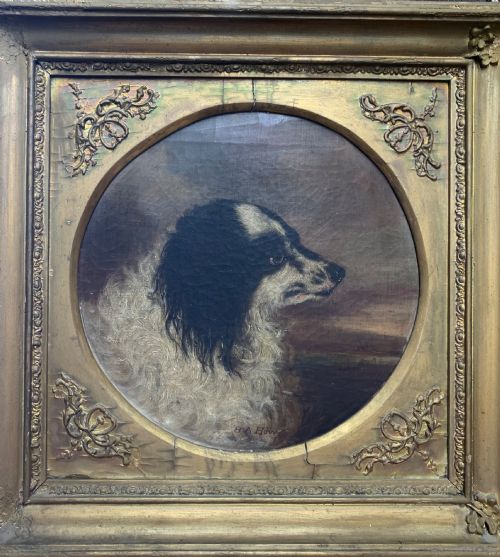
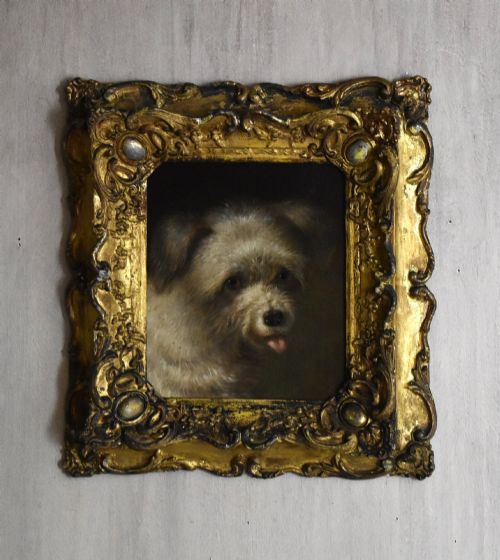
The pieces available most frequently date from the nineteenth century into the early twentieth century, spanning Victorian realism and British sporting art traditions. Buyers encounter everything from intimate head studies of spaniels and collies to grand compositions depicting hounds in expansive landscapes.
The subjects extend beyond simple pets to include prized racing greyhounds, working gun dogs with their day's bag, and specific breeds recorded by notable animal painters of the period. Each canvas serves as a historical record of canine conformation and human taste across different eras.
Assessing Quality and Execution
Quality rests primarily upon the artist's ability to render canine anatomy convincingly while conveying individual personality and expression. Superior works display a confident handling of fur texture, light, and shadow, whereas lesser examples often result in stiff or generic representations.
The depth of the background and the composition's overall harmony further distinguish accomplished pieces from standard decorative works. Skilled painters integrate the animal naturally into its environment, whether a domestic interior or a sweeping rural landscape.
The listings feature oil paintings on canvas spanning the 19th century, Victorian era, and early decades of the 20th century.
Valentine T. Garland·Martin Theodore Ward·John Sargent Noble·John Emms·William Barraud·Colin Graeme Roe·John Trivett Nettleship·Florence Mabel Hollams·Philip Eustace Stretton
The Antique Canine Canvas Painting Glossary
- Oil on Canvas
- A traditional painting technique where pigments suspended in drying oils are applied to a stretched fabric support. This method allows for subtle blending and rich colour saturation.
- Sporting Art
- A genre of painting dedicated to rural pursuits, equestrian subjects, and hunting dogs. These works document the animals central to field sports and country life.
- Giltwood
- Wood that has been coated with a thin layer of gold leaf or gold paint. It frequently appears on the ornate frames enclosing 19th-century portraits.
- Victorian Realism
- An artistic movement focusing on accurate, unidealised depictions of everyday subjects. In animal painting, this translates to lifelike portraits of dogs with distinct individual traits.
Antique Canine Canvas Painting: Frequently Asked Questions
What periods do these paintings date from?
The available pieces predominantly date from the nineteenth century and the early twentieth century, reflecting the height of British animal portraiture.
Examples span from the Regency era through the Victorian period and into the 1920s and 1930s.
How were these dog portraits displayed originally?
Owners typically hung these paintings in country houses, libraries, and drawing rooms to celebrate favoured pets or prized hunting dogs.
They served both as personal tributes and as statements of sporting prestige within affluent households.
How do I identify the breed in an antique painting?
Artists often recorded specific working and sporting breeds with considerable anatomical accuracy, from collies to terriers and spaniels.
However, historical breeding standards differed from modern ones, meaning certain dogs may display physical traits distinct from contemporary counterparts.
Are these paintings usually signed by the artist?
Many works bear the signature or monogram of the painter, either visible on the front canvas or recorded on the stretcher behind.
Unsigned pieces frequently belong to the broader category of British or French school works produced by competent period artists.