
Antique Cane Handle
Antique cane handle options span silver, gold, porcelain, and carved horn mounts from the Victorian and Edwardian eras.
Antique Cane Handle
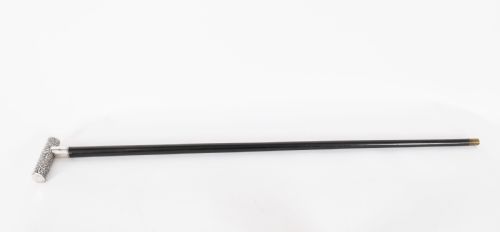
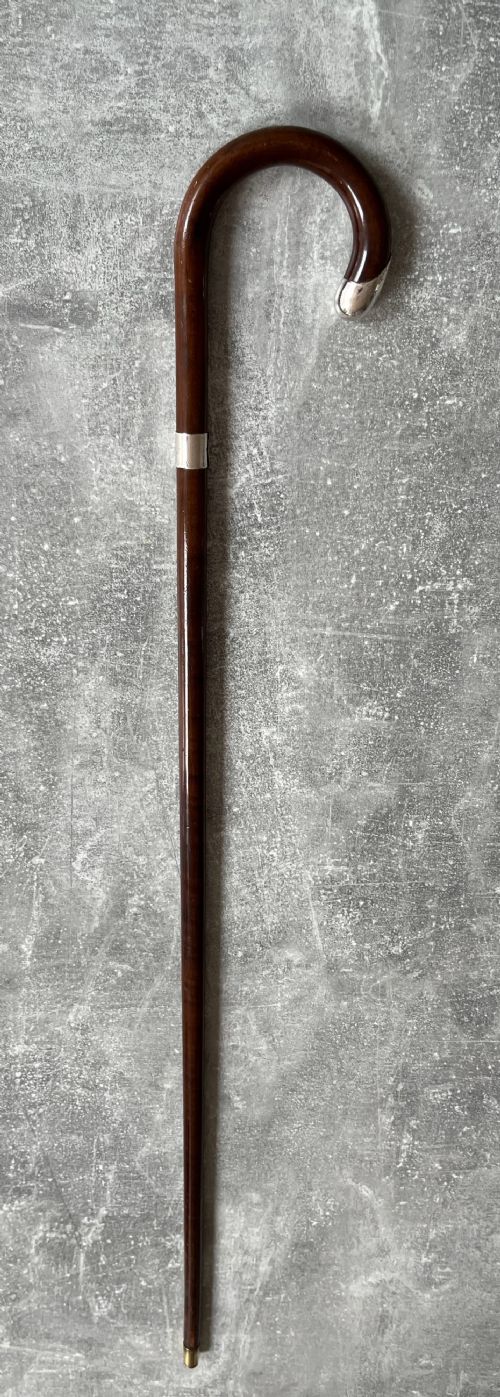
An antique cane handle forms the terminal grip of a walking stick, parasol, or umbrella, designed to be held in the hand during daily promenades. These items appear across the nineteenth and early twentieth centuries in Victorian, Edwardian, and Art Deco contexts.
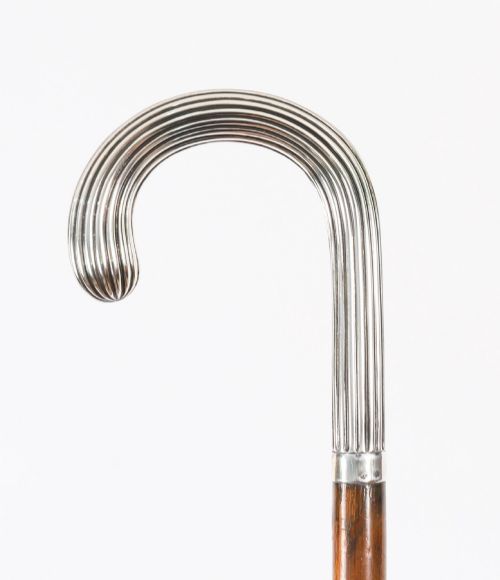
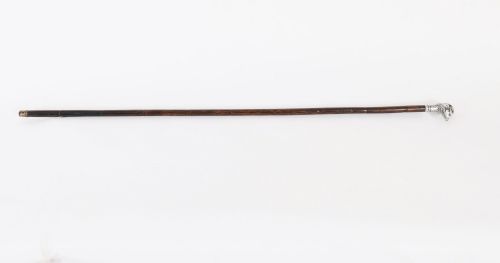
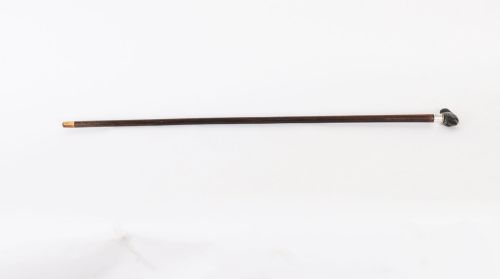
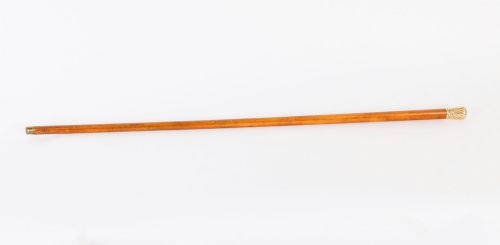
The selections on this page include animal heads, porcelain sections, and plain pommels mounted to shafts or offered as standalone umbrella and parasol grips. Makers such as Briggs produced fitted silver and gold pieces during this span.
How they were made
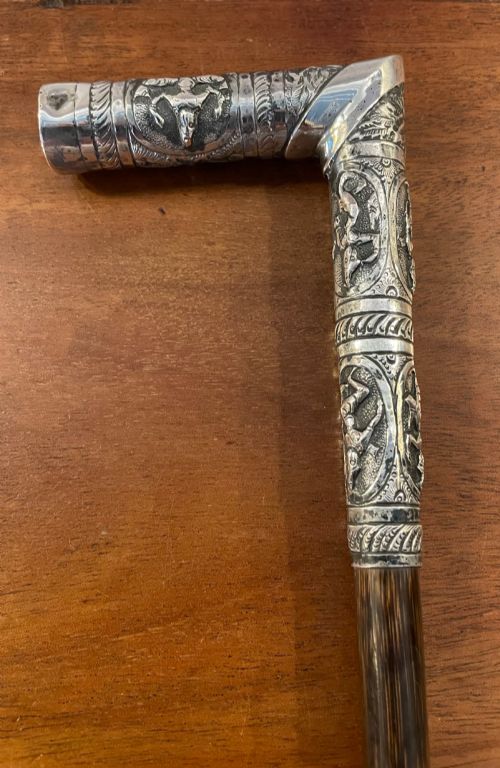
Metals including sterling silver, silver plate, gold, bronze, and pewter were cast, chased, and engraved to form animal heads and geometric pommels. Artisans also utilised fine ceramics such as Sevres porcelain and organic materials like stag horn and hardwoods.
Techniques involved mounting these grips onto wooden shafts using silver collars, or finishing them as standalone handles for canes and umbrellas.
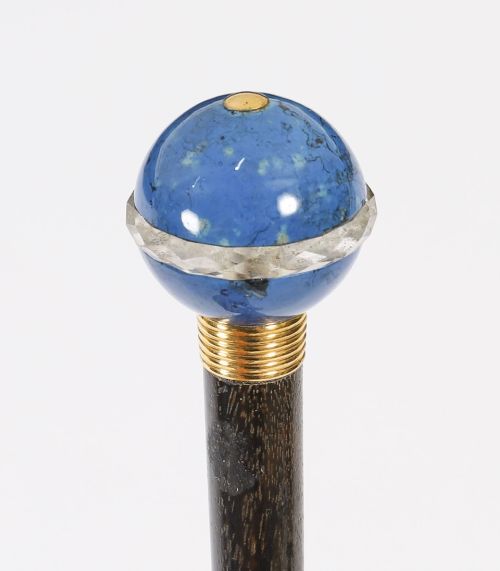
Materials documented across the inventory include silver, gold, Sevres porcelain, lapis lazuli, stag horn, and various hardwoods.
What varies in quality
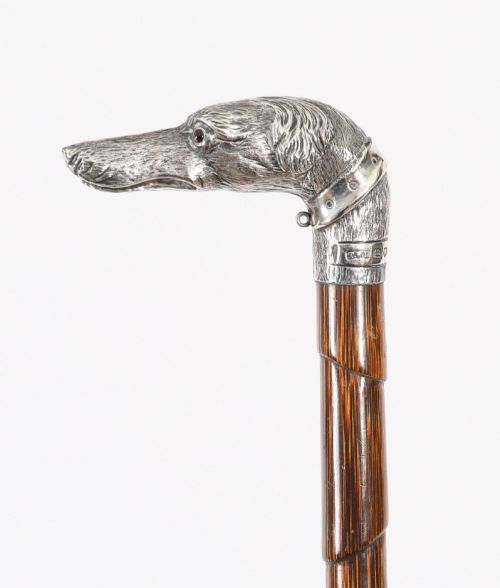
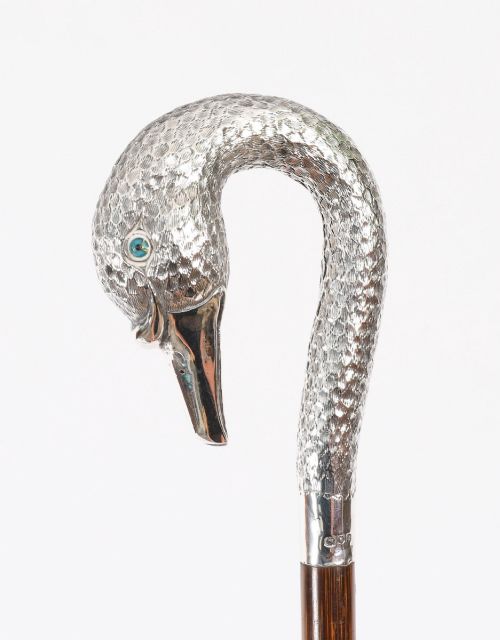
Quality differences emerge in the depth of hand-chasing on metalwork and the detail found in carved animal heads, such as greyhounds, ducks, and bulldogs. Maker attribution also plays a role, with documented pieces by workshops like Brigg commanding distinct recognition.
The choice of materials, from solid eighteen-carat gold and lapis lazuli to standard silver plate, marks the distinction between standard production and higher tier pieces.
Briggs·Brigg·Ben Cox of London·Liberty and Co
The Antique Cane Handle Glossary
- Pommel
- A rounded knob or spherical terminal forming the upper grip of a walking cane.
- Collar
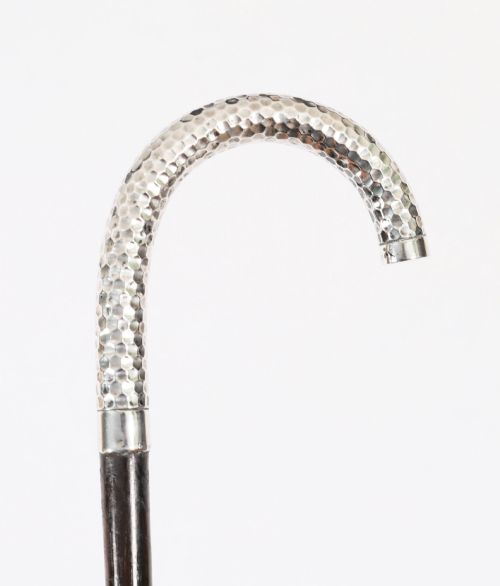
- A metal band encircling the join where the handle meets the wooden shaft of the stick.
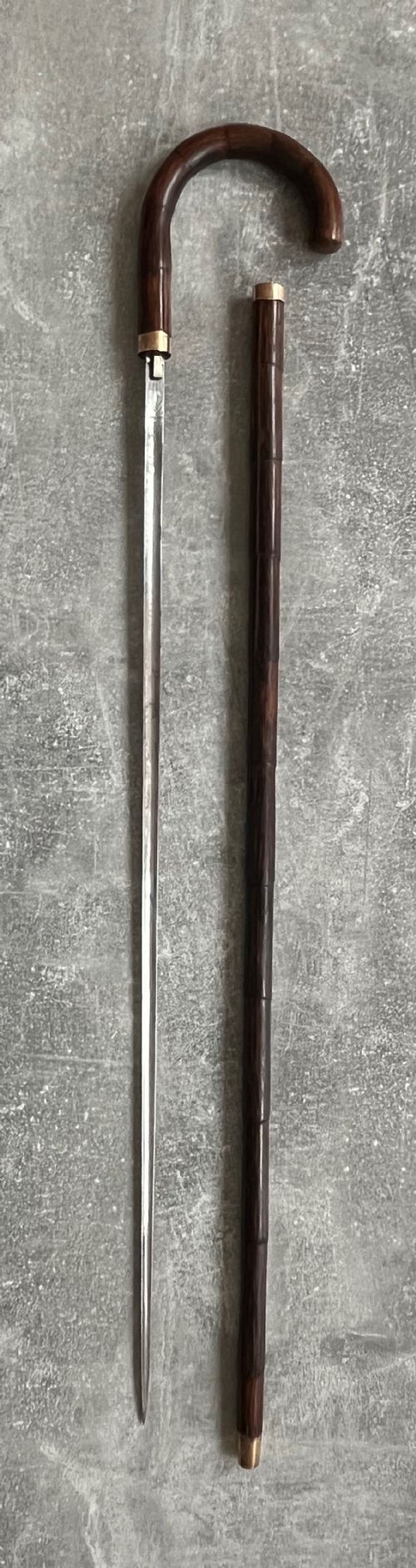
- Toledo blade
- A tempered steel blade housed within the shaft of sword sticks originating from Spain.
- Sevres porcelain
- Fine ceramic material produced in France, utilised for decorative handle sections.
- Malacca
- A speckled, durable rattan palm used to form walking stick shafts.
Antique Cane Handle: Frequently Asked Questions
What materials were antique cane handles made from?
Makers utilised sterling silver, gold, bronze, pewter, Sevres porcelain, and carved stag horn.
These materials were paired with wooden shafts or mounted with engraved silver collars.
How do I identify a sword stick handle?
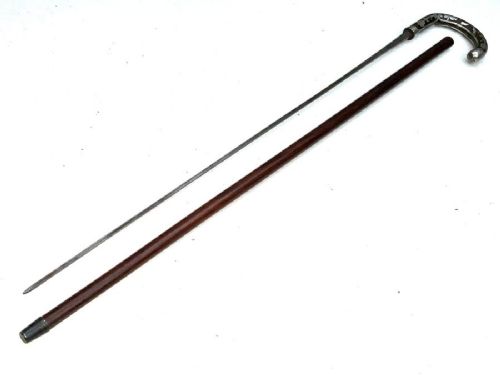
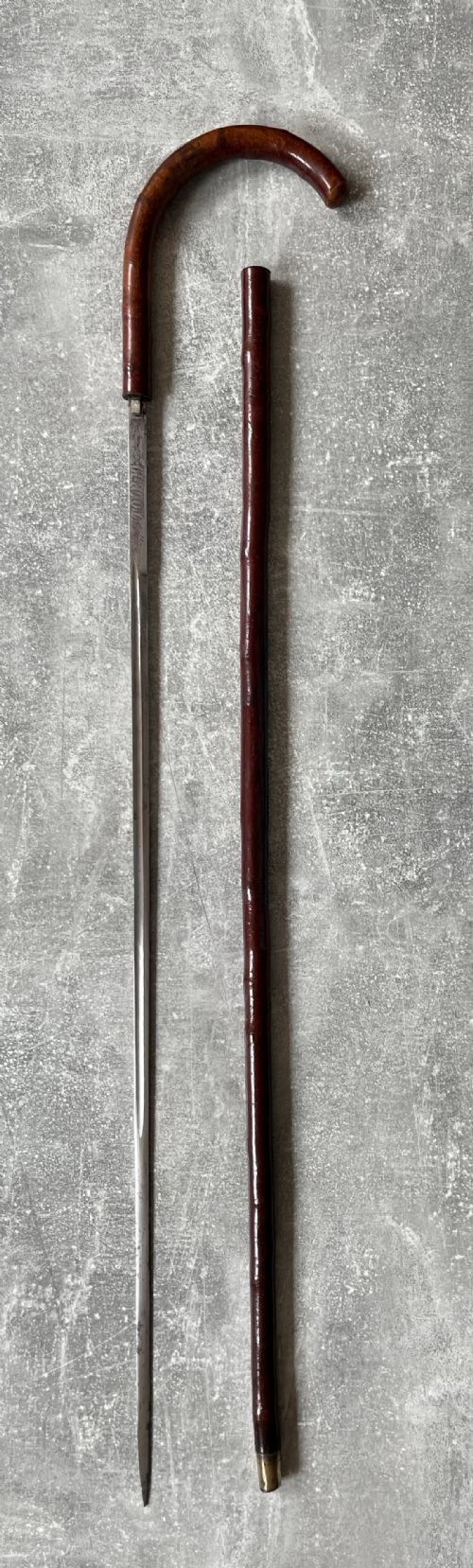
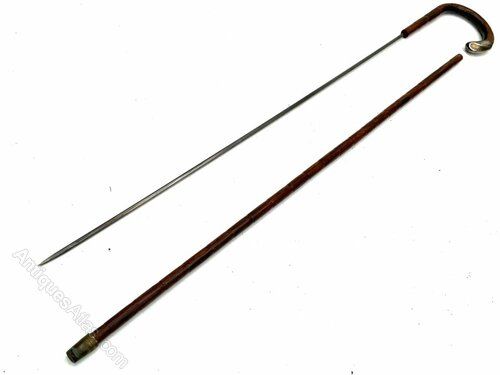
Sword sticks feature a button release or hidden mechanism near the collar to secure the blade.
The handles themselves mirror standard walking cane designs, including crook shapes and carved animal heads.
Which periods produced these decorative handles?
The pieces originate primarily from the Victorian and Edwardian eras, spanning the late nineteenth and early twentieth centuries.
Art Deco and Art Nouveau styles also appear among the later twentieth-century items.
Are these items standalone handles or complete sticks?
The selection includes both complete walking sticks with fitted handles and standalone handles designed for canes or umbrellas.
Shafts vary in material, utilising malacca, hazel wood, cherrywood, and partridge wood.