
Antique Cane Blade
An antique cane blade combines daily support with a concealed steel edge, serving gentlemen, officers, and travellers through the nineteenth and early twentieth centuries.

Antique Cane Blade
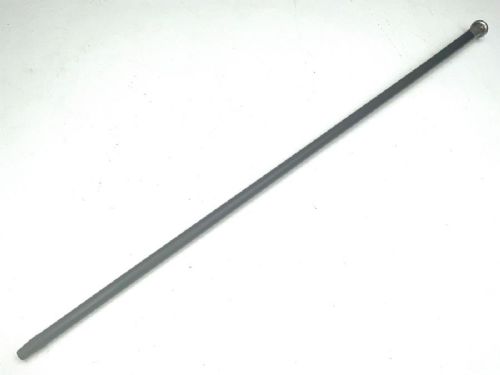
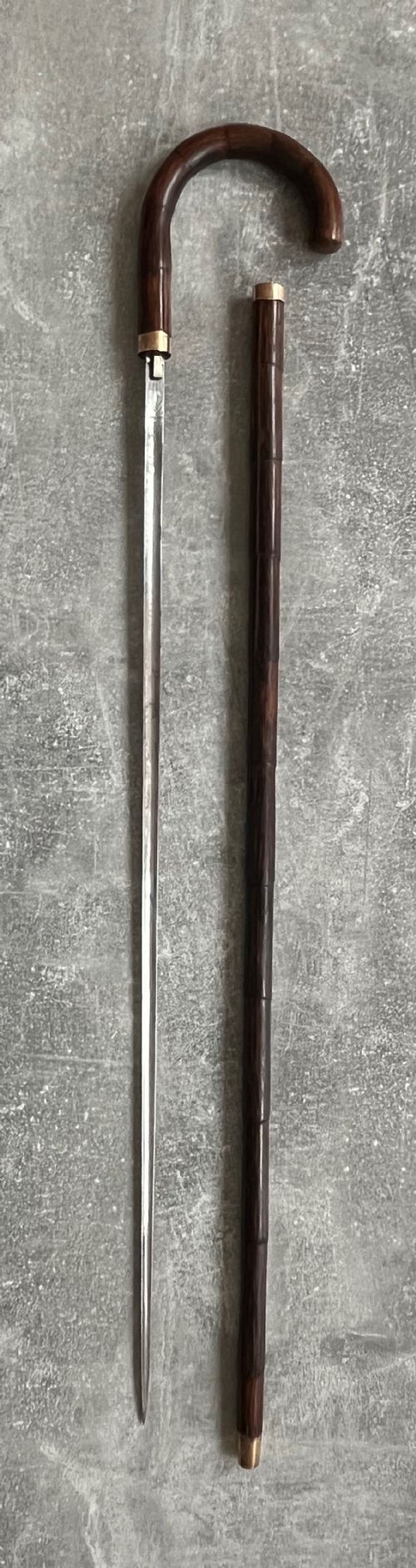
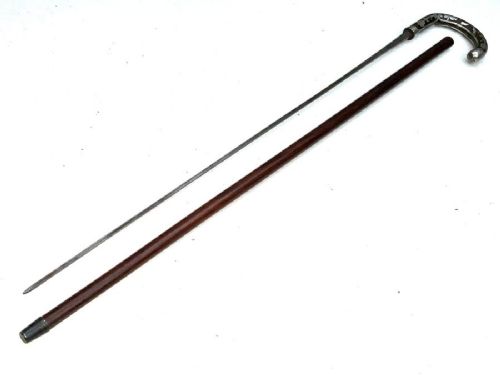
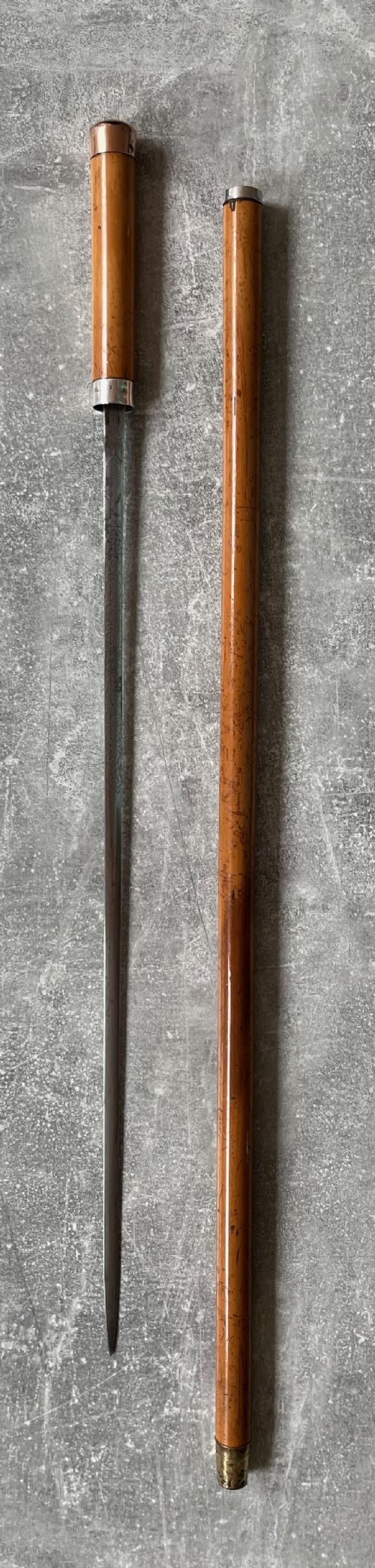
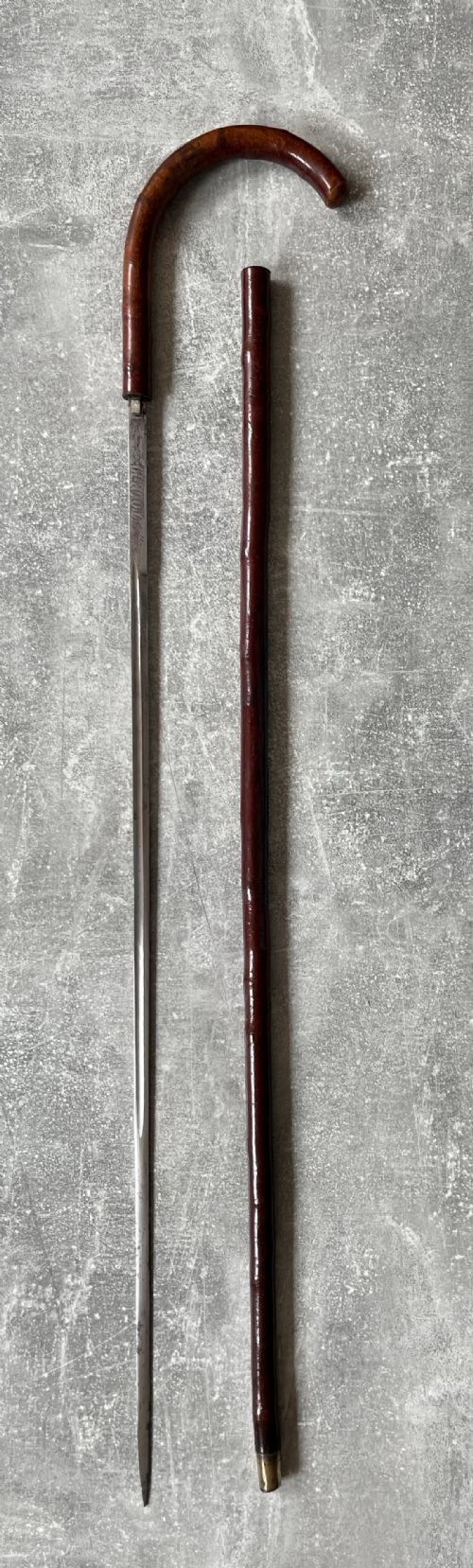
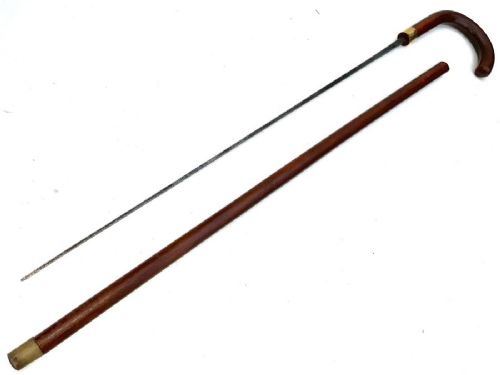
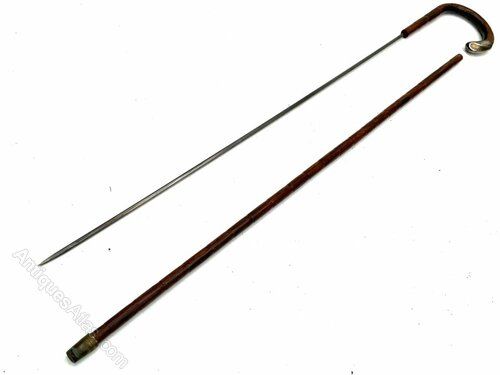
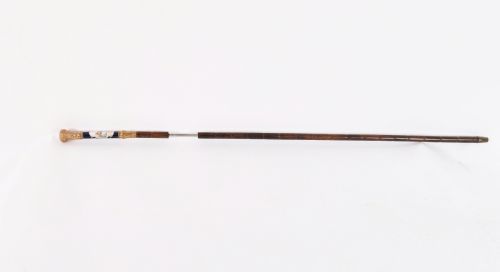
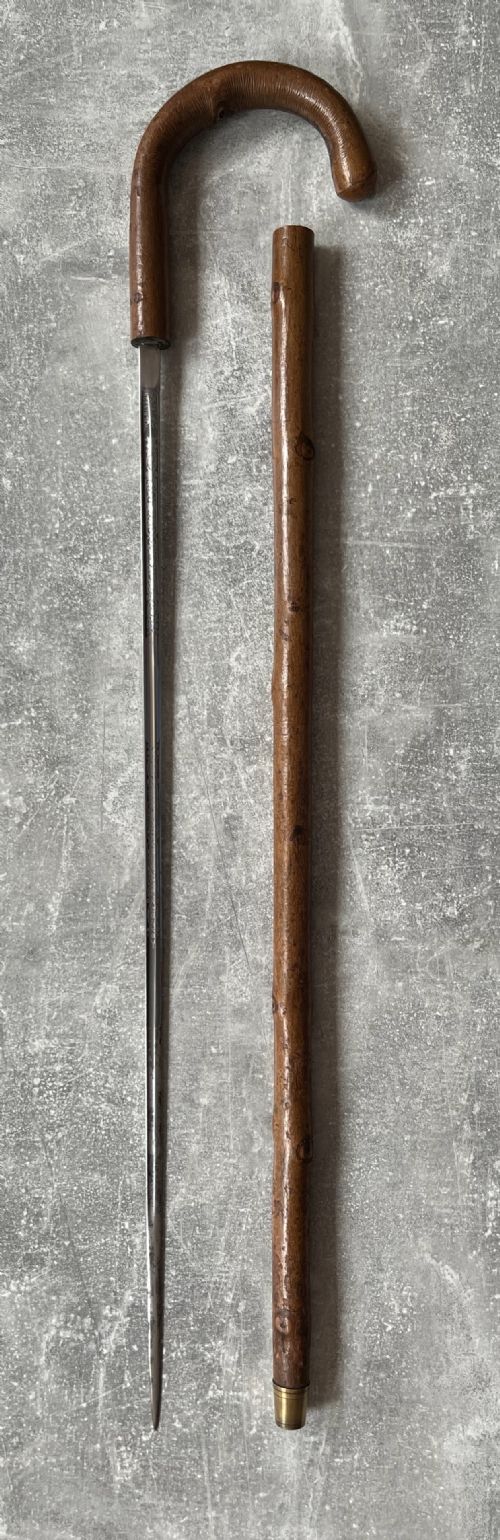
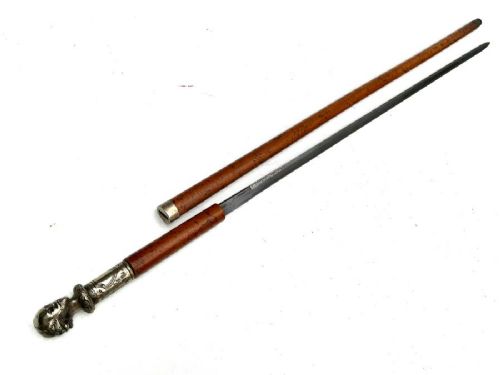
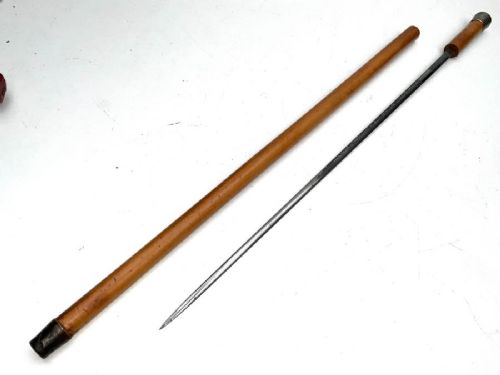
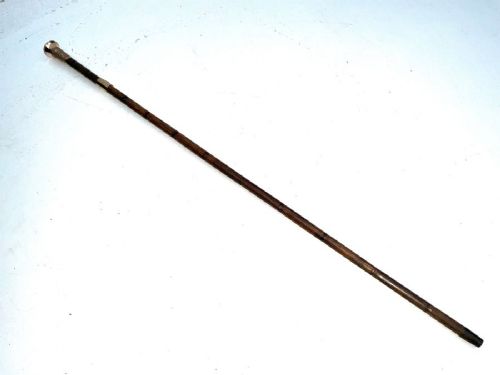
An antique cane blade takes the form of a walking stick housing a concealed steel sword or dagger, designed for personal defence and gentlemanly fashion. The versions encountered most frequently on this page date from the Victorian, Edwardian, and early twentieth-century periods, spanning the 1880s to the 1920s.
The assortment includes civilian walking sticks alongside military and regimental pieces, such as swagger sticks and officer equipment. Common formats range from simple crook handles and root ends to decorated pommels, incorporating materials typical of nineteenth-century carriage and dress accessories.
How they were made
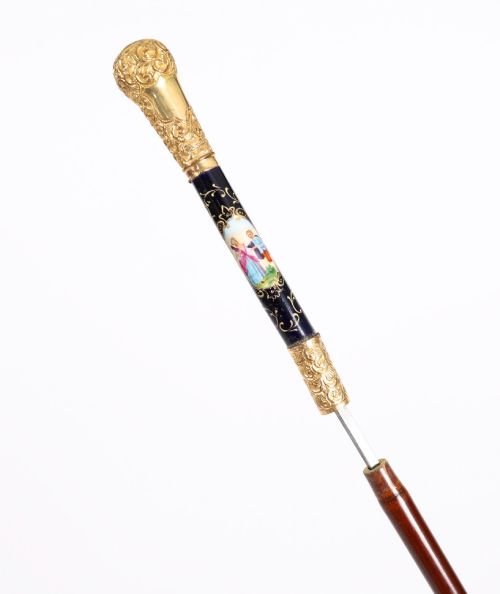
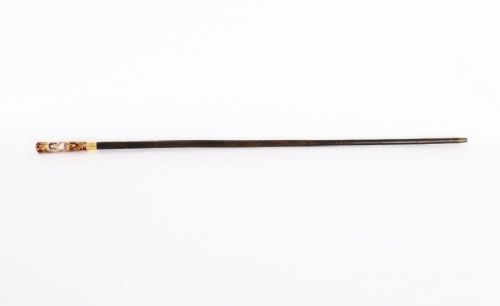
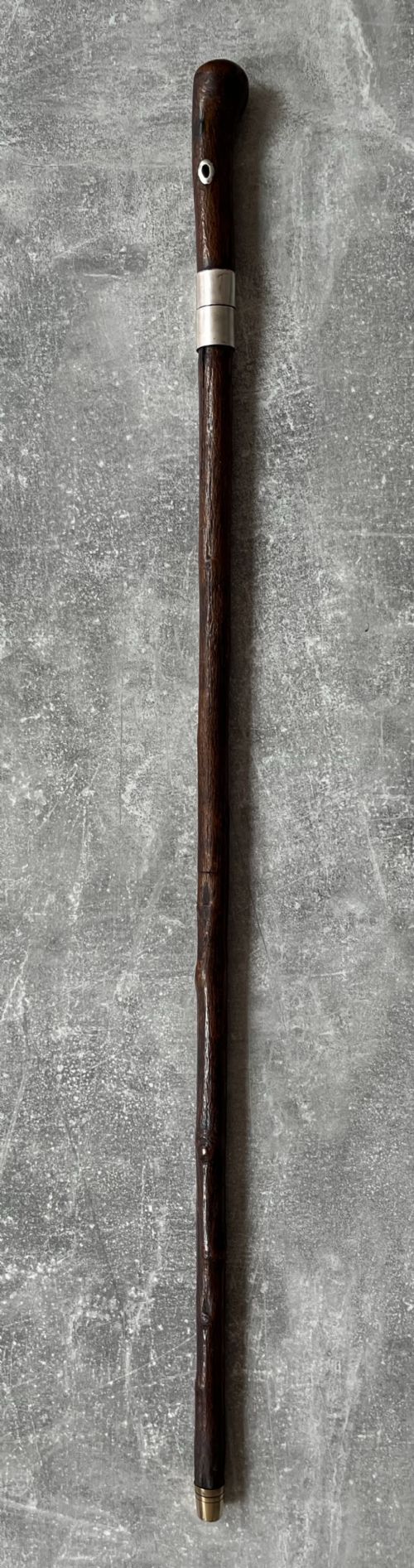
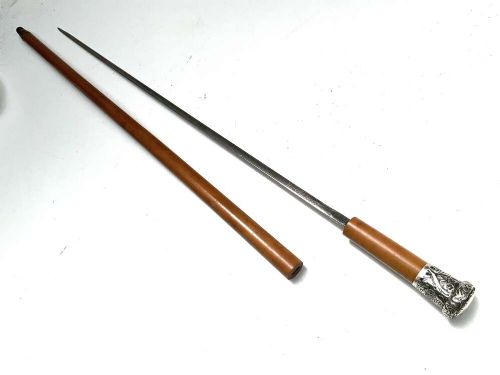
Maker workshops utilised natural woods like malacca, partridge wood, hazel, cherrywood, rosewood, ebonised wood, and bamboo to form the outer shaft, often paired with horn, bone, or porcelain handles. Metal components included brass, silver collars, and gold plate, securing the shaft and concealing the inner mechanism.
The internal blades comprised tempered steel, frequently attributed to Toledo workshops or makers such as Wilkinson, secured inside the wooden housing with button releases or threaded collars.
Several walking sticks hide masonic symbols or Sevres porcelain within the handle, keeping secrets right under the user's hand.
What varies in quality
Quality rests in the precision of the joinery between the wooden shaft and the handle, ensuring the concealed blade fits flush and draws smoothly without play or wobble. Superior examples display finished metal mounts in silver or gold plate, alongside named blade makers.
Material selection dictates the grade of the piece, moving from plain utilitarian timbers to malacca cane fitted with etched Toledo steel and specialised grips such as porcelain or carved horn.
Brigg·Wilkinson
The Antique Cane Blade Glossary
- Sword stick
- A walking cane containing a concealed steel blade within the wooden shaft. It serves as both a support aid and a hidden weapon.
- Swagger stick
- A short, light stick carried by military officers as a sign of authority. Some incorporate hidden blades for personal use.
- Malacca cane
- A strong, flexible rattan stem imported from Southeast Asia and characterised by brown mottling. It provides a durable and resilient shaft for walking sticks.
- Toledo blade
- A steel blade produced in the Spanish city of Toledo, known for sword-making traditions. These blades often feature etched decoration.
- Ebonised wood
- Timber treated with a dark stain or finish to resemble ebony. It offers a uniform black appearance on walking stick shafts.
Antique Cane Blade: Frequently Asked Questions
How do you open a sword stick?
Most sword sticks release through a push button set into the collar or handle mount, which disengages an internal catch. Pulling the handle straight out draws the steel blade from the wooden scabbard.
Some older pieces rely on a threaded screw mechanism that requires a partial turn before the blade pulls free. Users should hold the cane upright during release to prevent accidental dropping.
What were sword sticks used for?
Gentlemen, travellers, and military officers carried sword sticks for personal protection during the nineteenth and early twentieth centuries. They offered a discreet means of defence against highwaymen or stray animals while walking through poorly lit streets.
Officers also carried military versions as part of their daily walking dress or uniform accoutrements. The dual function provided support while strolling without displaying an obvious weapon.
How do you date an antique cane?
Dating relies on examining the materials, construction methods, and any hallmarks on silver collars or mounts. Styles shifted from heavy Victorian carved grips to simpler Edwardian hook handles and military swagger sticks by the 1920s.
Maker names stamped on the steel blade or mount provide a firm production window. Wood finishes and metal plating types also align with specific manufacturing decades.
Are these sticks legal to own?
Ownership regulations for concealed blade items vary by region and local legislation. Collectors must check current national laws regarding historical edged weapons and concealed carry.
Displaying these pieces within a private collection typically requires secure storage away from public access. Dealers sell them strictly as historical and antique artefacts.