
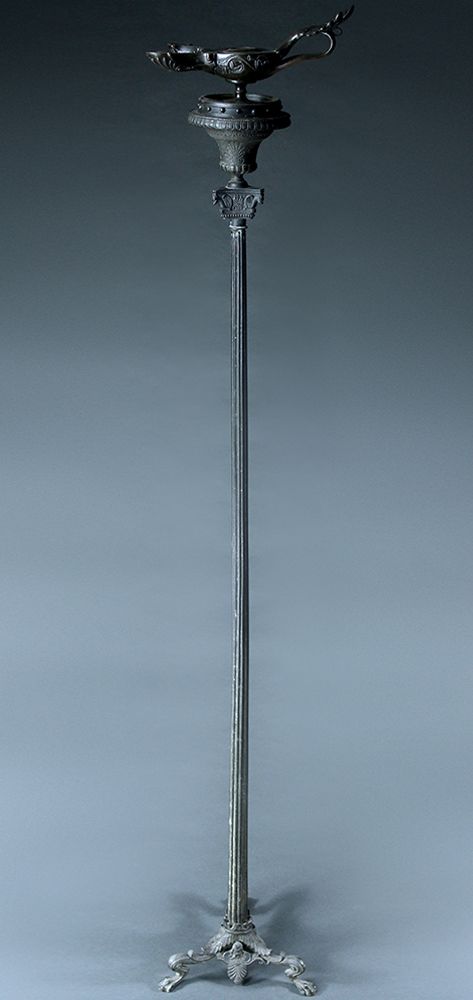


Antique Candelabra Lamp
These antique candelabra lamp selections unite period lighting with converted metalwork.
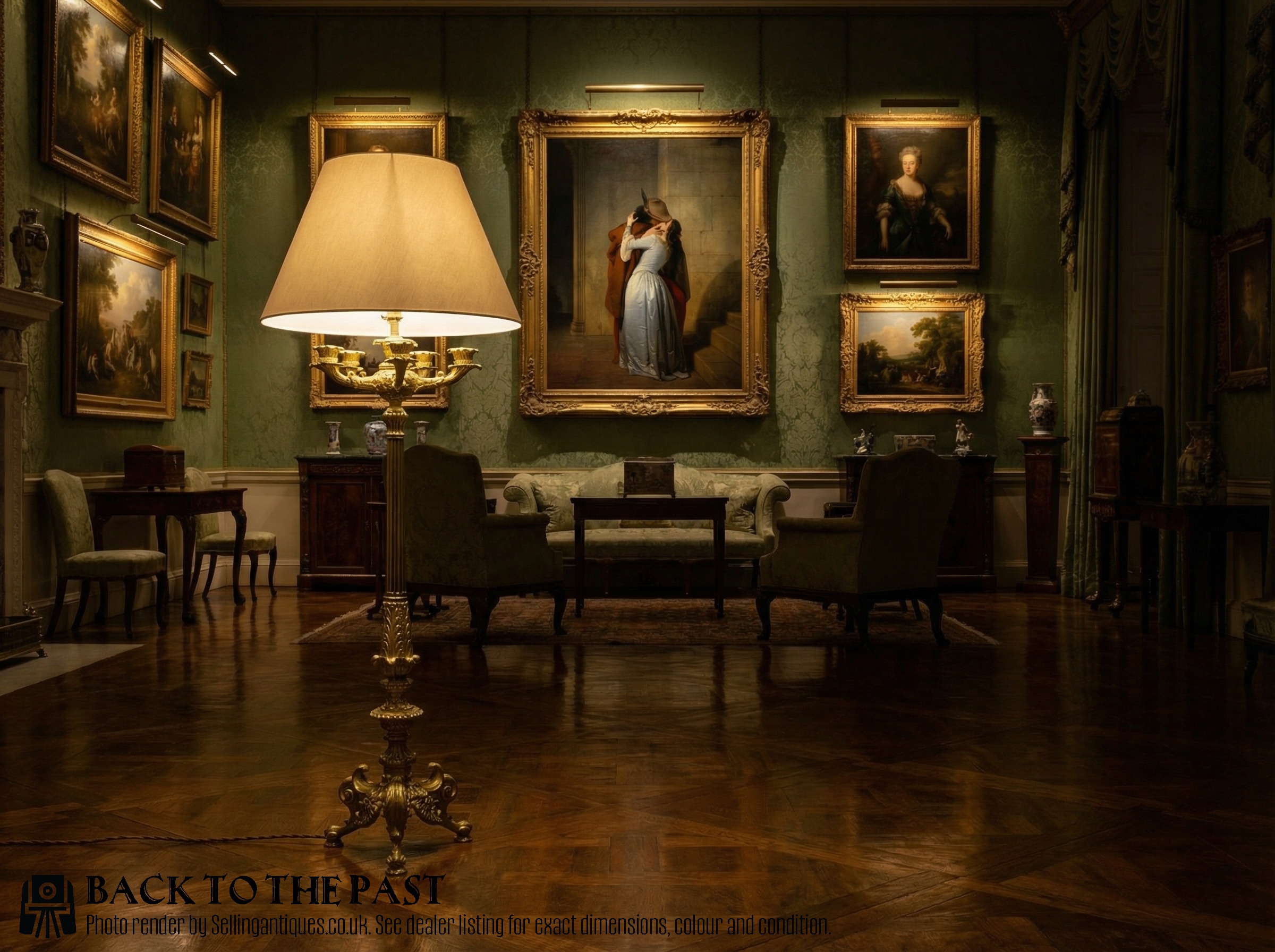
Antique Candelabra Lamp
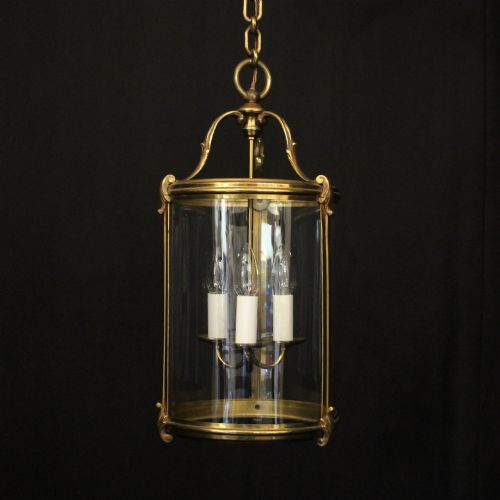
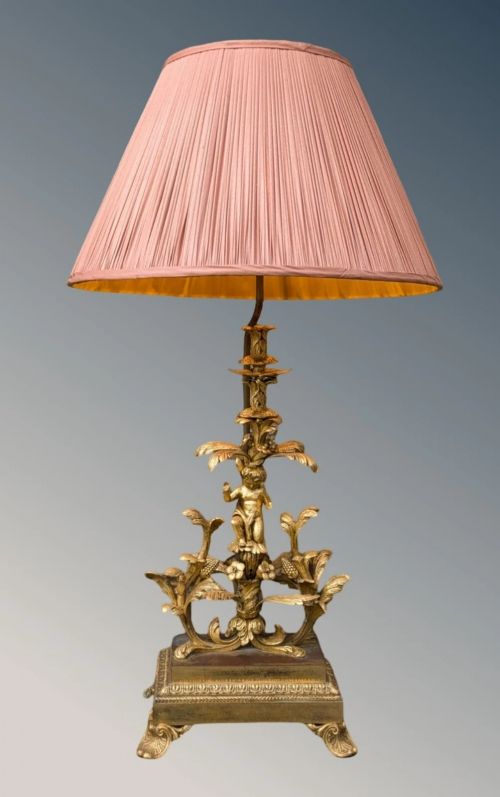
When you search for an antique candelabra lamp, you examine lighting fixtures that often began as multi-branched candle holders before conversion to electricity or gas. The selections span standard table lamps, floor-standing torchères, and wall lights originating primarily from nineteenth-century and early twentieth-century workshops. French chateau and neoclassical aesthetics dominate the groupings, frequently incorporating figural elements such as cherubs and putti.
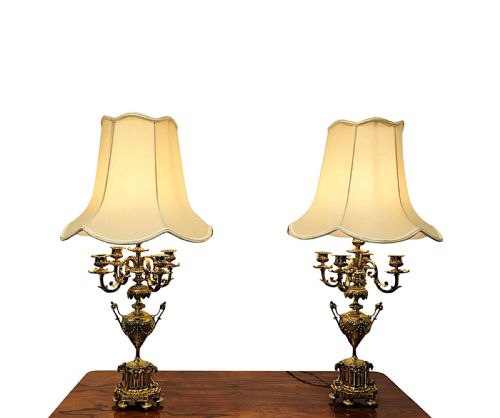
The version you most frequently encounter on this page is the paired brass or gilt metal table lamp from the nineteen-twenties or the broader nineteenth century. These items combine structural metal branches with crystal drops, fabric shades, or exposed candle-form tubes. Pieces range from modest student lights to monumental multi-branched ormolu standards.
How they were made
Maker workshops utilised cast brass, bronze, patinated bronze, and gilt ormolu as structural foundations for these heavy fixtures. Ormolu applications involved the meticulous gilding of bronze through mercury amalgamation or galvanic processes, yielding deep metallic sheens. Crystal prisms and cut glass elements were integrated to refract illumination from the original candles or subsequent internal wiring.
Structural components often combine turned metal shafts with detailed figural castings depicting classical motifs or cherubic forms. Later conversions from the late nineteenth and early twentieth centuries involved boring through existing metal stems to house electrical wiring without compromising the original decorative integrity.
Available forms range from compact bouillotte table lamps to monumental floor-standing torchères and multi-branch chandeliers.
What varies in quality
The integrity of the original conversion work and the preservation of matched pairs further separate standard items from superior specimens. Complete sets retain original crystal drops, uncompromised structural alignment, and unified patination across all associated branches.
Humphrey Hopper·François Christophe Armand Toussaint
The Antique Candelabra Lamp Glossary
- Ormolu
- Gilt bronze, where a finely ground high-carat gold amalgam is applied to a bronze base and heated to drive off the mercury. This technique produces a durable, rich golden lustre characteristic of fine French decorative metalwork.
- Torchere
- A tall ornamental stand or floor lamp designed to hold lights aloft. These pieces often feature classical figural shafts or fluted columns rooted in eighteenth and nineteenth-century interior design.
- Bouillotte
- A traditional French table lamp featuring a central adjustable metal shade above a shallow dish base. These designs typically accommodate multiple candle arms or light sockets.
- Girandole
- An ornamental branched candleholder or multi-light fixture featuring reflective crystal drops or a mirrored backplate. The cut glass elements enhance the spread of illumination throughout a room.
- Patinated Bronze
- Bronze treated with chemical solutions to produce a controlled surface colour or dark protective finish. This treatment highlights the underlying sculptural contours of figural bases.
Antique Candelabra Lamp: Frequently Asked Questions
What is an antique candelabra lamp?
These pieces are lighting fixtures that were originally constructed as multi-armed candleholders and later adapted for electricity or gas use. They frequently feature heavy metal castings, crystal prisms, and decorative figures.
Such items combine decorative metalwork with functional illumination, serving as prominent decorative objects in period interiors.
How do I style these lamps at home?
Position matched pairs on large sideboards, mantelpieces, or designated side tables where their height and metal finishes can command visual attention. Floor-standing variants suit corners of reception rooms as ambient illumination sources.
Pair them with traditional furnishings to complement their nineteenth and early twentieth-century decorative origins.
How can I tell the period?
Examine the casting techniques, fastener types, and surface patination to determine the manufacturing era. Neoclassical and Regency pieces display strict architectural symmetry, while later twentieth-century adaptations incorporate integrated electrical components.
Stylistic cues such as cherubic figures or classical drapery align closely with nineteenth-century French and English workshop practices.
Were these originally electric?
Most of these items began as non-electric candleholders, student lights, or gas-burning fixtures before undergoing later conversion. Mechanics were adapted during the late nineteenth or twentieth centuries to accommodate modern wiring.
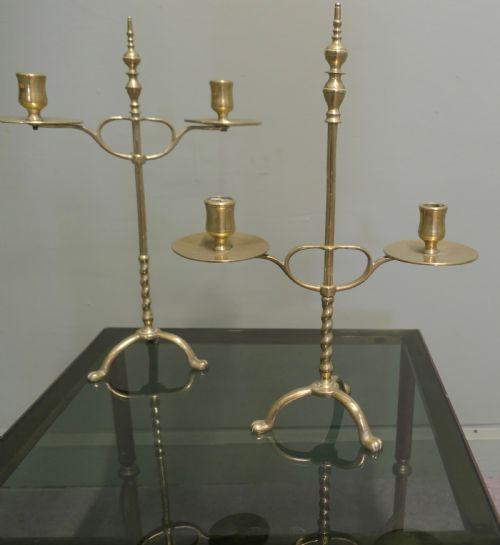
Traces of original drip pans and candle nozzles often remain visible beneath contemporary electrical fittings.