
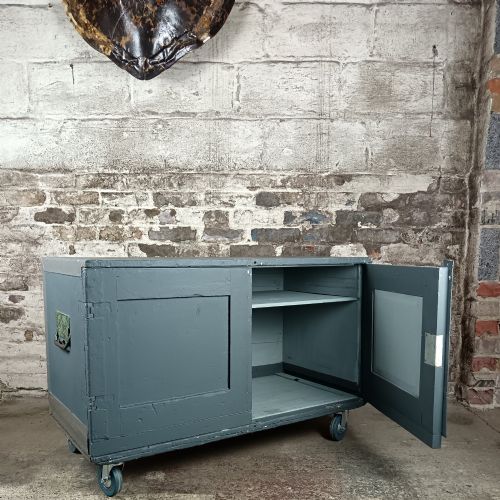
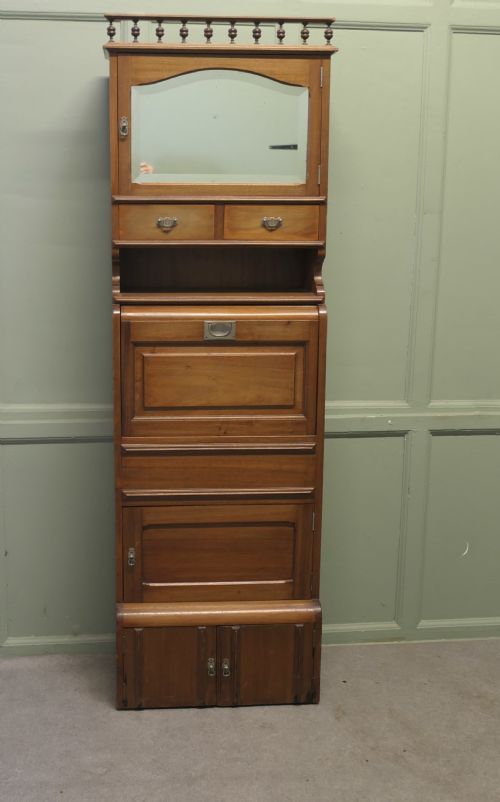
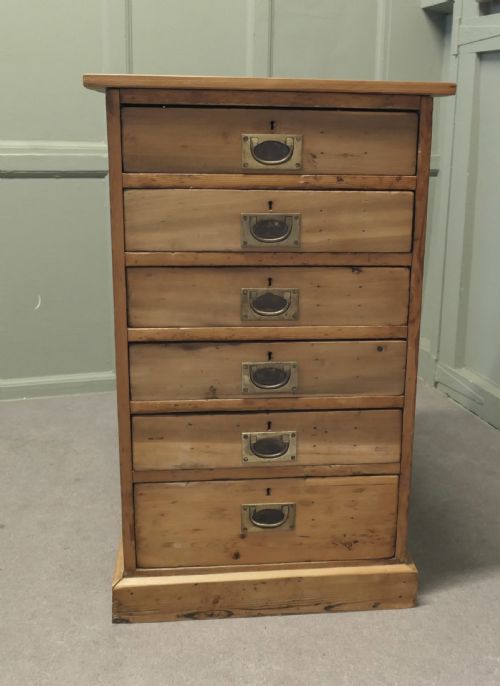
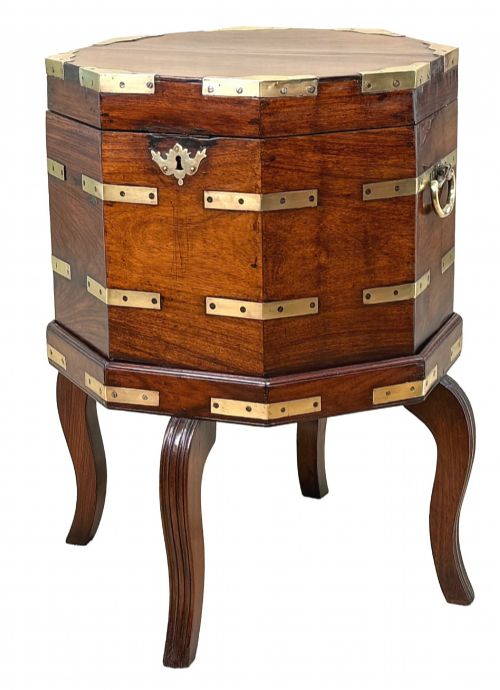
Antique Campaign Cabinet
An antique campaign cabinet offers portable sophistication built for officers on the move, combining sturdy timbers with protective brass hardware.
Antique Campaign Cabinet
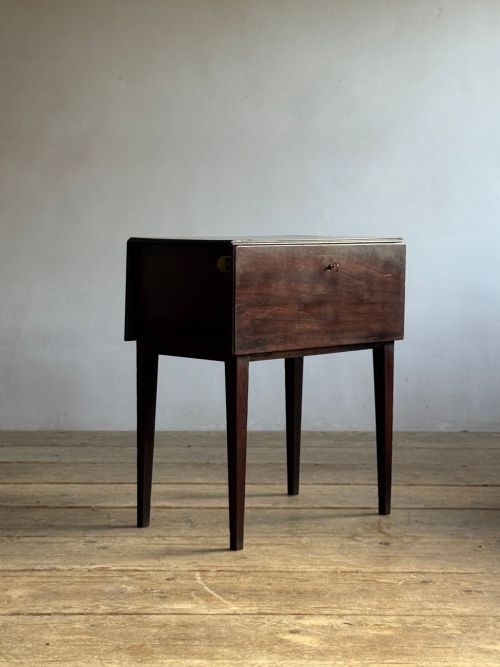
An antique campaign cabinet is a modular piece of furniture originally designed for military officers, diplomats and travellers who required their domestic comforts to travel with them on postings across the globe. These pieces span several eras, appearing in Georgian, Victorian, and Edwardian guises, alongside later expressions in the early twentieth century.
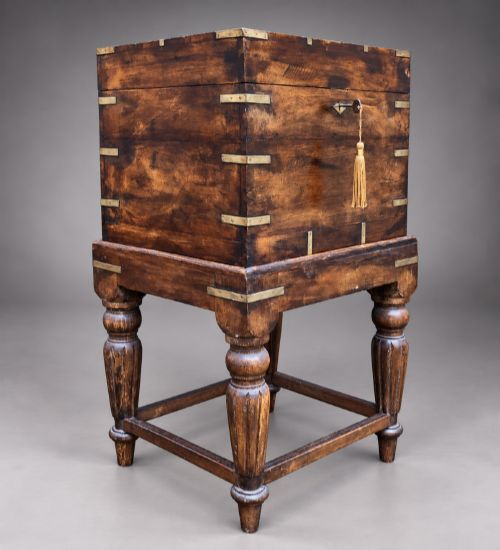
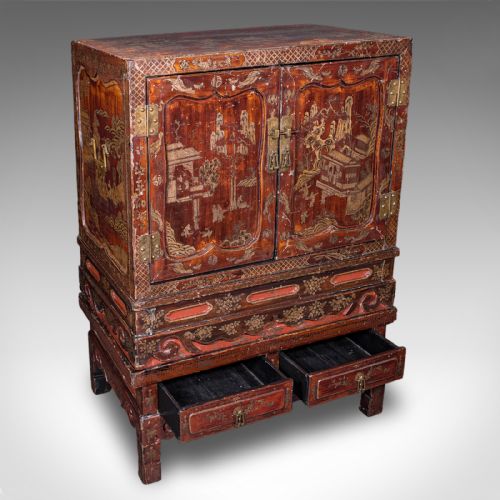
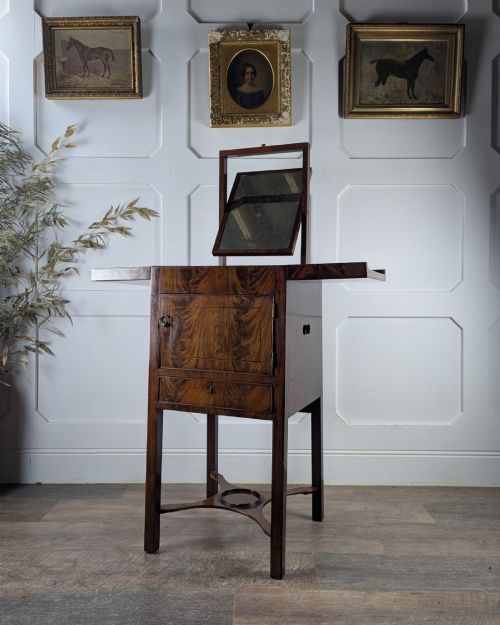
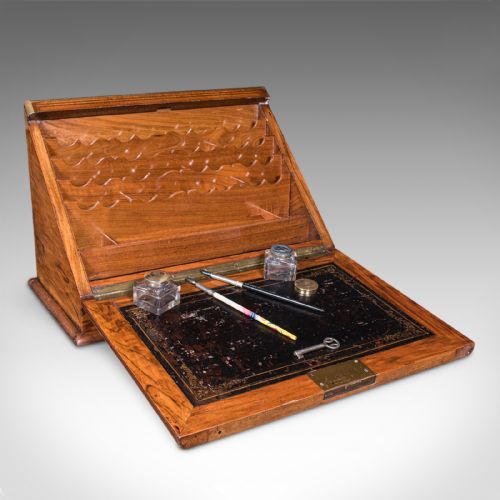
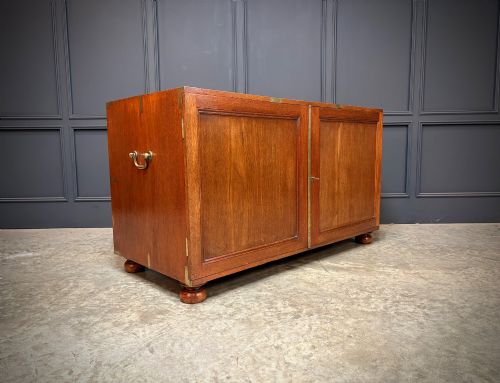
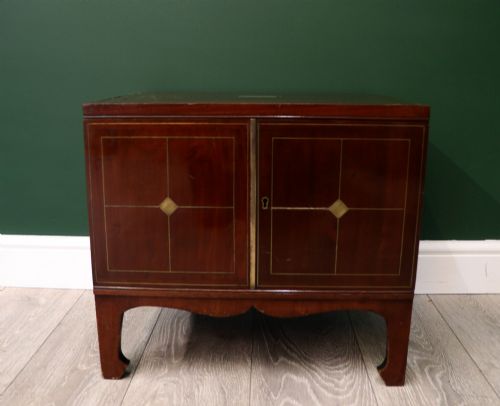
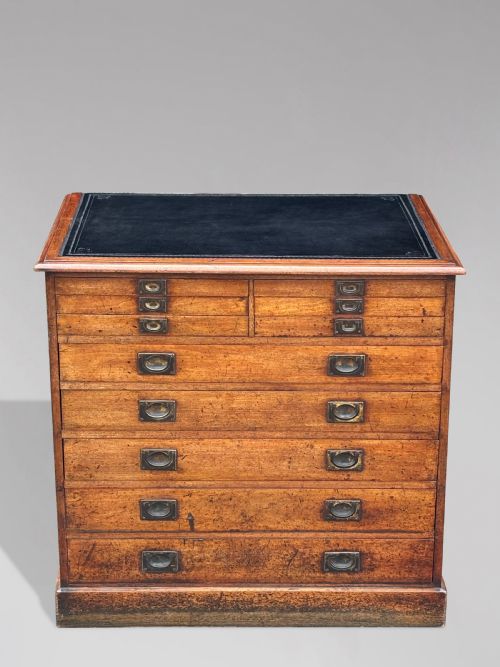
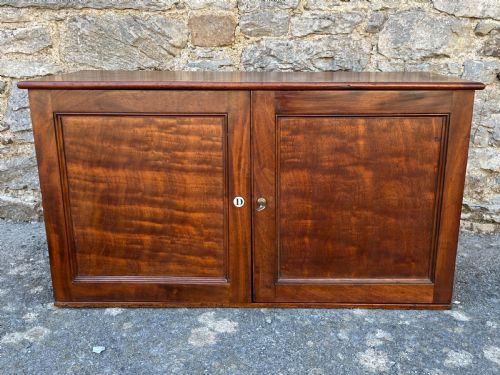
The versions most commonly met in daily handling range from robust mahogany side cabinets and modular chests of drawers to specialised washstands and writing stations. Many examples exhibit the characteristic brass binding and recessed hardware intended to withstand the rigours of transport without snagging or breaking.
How they were made
Cabinetmakers constructed these pieces primarily using dense hardwoods such as mahogany, teak, padouk, and oak to endure extreme climates and frequent transit. Timber sections were often built in multiple modular parts, allowing a large tallboy or desk to separate into manageable transport crates.
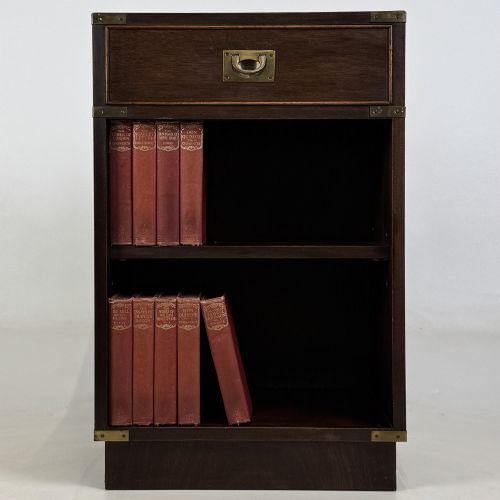
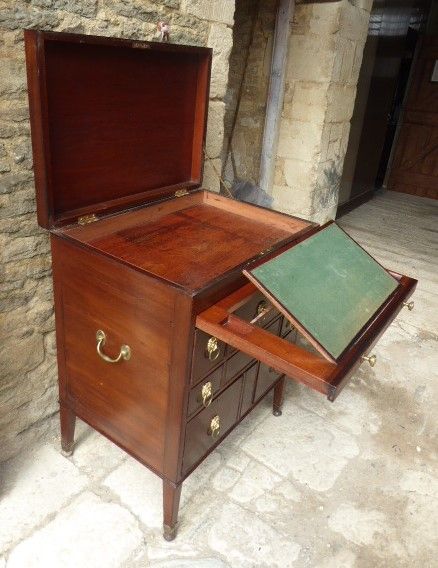
Makers reinforced vulnerable corners and edges with brass straps, strap hinges, and inset carrying handles secured by numerous tiny brass screws. This metalwork provided structural integrity while keeping exterior profiles smooth and resistant to impact during shipping.
Listings feature pieces spanning the Georgian, Victorian, and Edwardian periods, constructed in mahogany, oak, walnut, teak, and pine.
What varies in quality
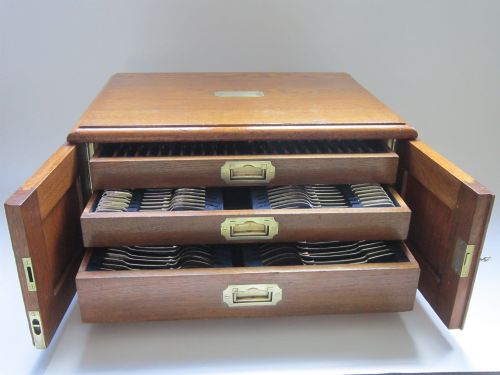
The distinction between standard transport furniture and top-tier officer pieces lies in the precision of the joinery and the cleverness of the internal mechanisms. Finer examples feature secondary drawer linings in seasoned oak rather than pine, alongside secret compartments, folding washbasins, and fully integrated writing surfaces that deploy smoothly.
The weight and gauge of the brass hardware also dictate the grade of the piece, with heavier cast plates and neatly countersunk screws indicating superior workshop standards. Finer finish work is evident in the selection of figured mahogany or burr walnut veneers applied to the primary surfaces.
The Antique Campaign Cabinet Glossary
- Campaign
- A style of portable furniture manufactured for military officers on active service abroad, characterised by sectional construction and protective brass mounts.
- Recessed handle
- A flush-fitting handle set into a shallow cavity on the surface of a drawer or door so it does not project beyond the wood during transport.
- Cellarette
- A lockable container or cabinet designed specifically to store bottles of wine and spirits securely during travel.
- Wellington chest
- A tall, narrow chest of drawers secured by a sturdy locking vertical side bar hinged to one margin.
Antique Campaign Cabinet: Frequently Asked Questions
What is an antique campaign cabinet?
An antique campaign cabinet is a portable storage unit engineered for military officers on the move, featuring robust timbers and protective metal hardware designed for travel.
These pieces break down or feature flush handles to survive rough transit while maintaining a refined appearance inside an officer's tent or quarters.
How do I spot a true campaign piece?
Genuine campaign pieces typically exhibit sectional construction, allowing them to separate into two or more stacking segments held together by brass drop-pins or side brackets.
Look for inset brass corners, flush recessed pull handles, and secondary carrying handles mounted to the outer sides for lifting.
What woods were used for campaign cabinets?
Cabinetmakers relied heavily on dense tropical hardwoods like mahogany and teak because these timbers resist warping and withstand humid or dry climates during colonial service.
Oak, walnut, and pine also appear frequently as primary timbers or secondary woods for interior drawer framing and backing boards.
How do I live with a campaign cabinet?
These cabinets suit modern interiors exceptionally well because their compact proportions and flat sides allow them to fit into tight spaces as bedside tables, sideboards, or hall units.
Maintenance involves keeping the brass polished with a gentle cloth and feeding the dry hardwood with appropriate furniture wax to preserve the grain.