


Antique Camel Back Settee
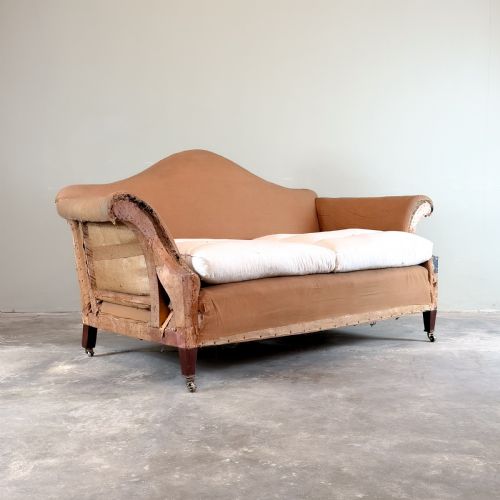
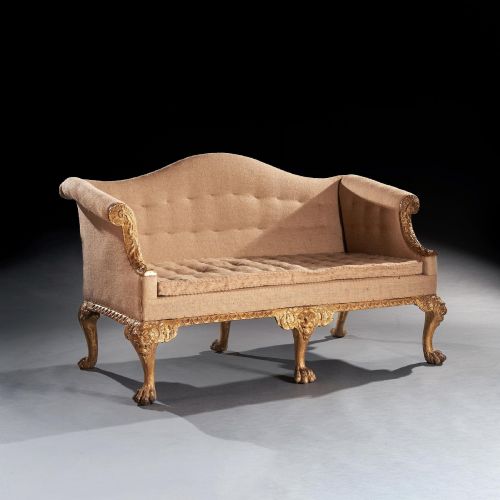
An antique camel back settee brings a sweeping architectural outline and formal seating to a room.
Antique Camel Back Settee
An antique camel back settee is a traditional upholstered seating form defined by its undulating, humped crest rail. These pieces range from eighteenth-century examples to later revivals from the nineteenth and twentieth centuries.
The most common versions met on this page date from the nineteenth century and adopt earlier Georgian proportions. Makers often worked within established historical idioms such as Chippendale, Hepplewhite, and Queen Anne styles.
These settees serve primarily as formal drawing room or parlour seating, offering deep seats and scrolled arms. Their structural variety spans from three-seat models to serpentine fronts supported by diverse leg forms.
How they were made
Makers constructed the primary frames of these settees using dense timbers such as mahogany and walnut, ensuring structural rigidity for the upholstered body. Carved details occasionally appeared on exposed wooden elements like legs and feet.
Traditional upholstery techniques relied on materials like jute and fabric to build up the sprung or stuffed shape of the back and seat. Final coverings frequently utilised damask or other heavy upholstery fabrics to achieve the desired traditional finish.
Listings span multiple centuries, capturing original Georgian construction alongside Edwardian and mid-twentieth-century revival interpretations.
What varies in quality
The sophistication of the timber frame and the grace of the crest rail curve distinguish superior pieces from simpler productions. Master craftsmen achieved harmonious proportions where the rise of the camel back flows naturally into the arms.
Secondary quality factors involve the execution of carved wooden details, such as lion mask hairy paw feet on high-status examples. The integrity of the underlying frame construction and the fidelity to historical revival styles determine the overall standing of an individual settee.
Giles Grendey
The Antique Camel Back Settee Glossary
- Camel back
- A sofa or settee back featuring a distinctive undulating top rail with one or more humps. This arched silhouette originated in the eighteenth century to provide ergonomic support and formal elegance.
- Serpentine front
- A furniture front edge that curves outward in the centre and inward at the sides. This contour adds visual movement to the base of the settee.
- Hepplewhite manner
- A furniture style drawing on the lighter, neoclassical designs associated with George Hepplewhite. Pieces in this manner often feature tapered legs and delicate proportions.
- Giltwood
- Wood that has been coated with a thin layer of gold leaf or powder. This finish appears on high-status decorative frames.
- Damask
- A reversible figured fabric woven on a jacquard loom with patterns formed by contrasting warps and wefts. It is frequently chosen for period upholstery.
Antique Camel Back Settee: Frequently Asked Questions
What is an antique camel back settee?
An antique camel back settee is a traditional upholstered seating piece featuring an undulating, arched crest rail. These settees originated in the eighteenth century and were produced in subsequent revival periods.
The form is designed for formal reception rooms, offering a deep seat and high back enclosed by scrolled or padded arms.
How do I date a camel back sofa?
Dating relies on examining the timber species, leg architecture, and underlying frame construction methods. Eighteenth-century examples display different joinery and timber maturity compared to nineteenth-century or Edwardian revivals.
Secondary clues include the style of carving, such as Marlborough legs versus cabriole legs with hairy paw feet.
Where were these settees placed historically?
These settees were traditionally positioned in formal drawing rooms, parlours, or grand hallways as statement seating. Their finished backs sometimes allowed them to sit away from walls in large open spaces.
They provided structured seating that suited the formal attire and social customs of Georgian and Victorian households.
How do I live with a settee?
Living with an antique settee involves placing it out of direct sunlight to protect traditional upholstery fabrics like damask. Regular, gentle maintenance of the exposed timber frame preserves the finish of mahogany or walnut.
Positioning the piece where it receives moderate foot traffic ensures the historic frame and upholstery remain secure.
What styles influenced these settees?
Cabinetmakers drew heavily on prevailing aesthetic movements, producing pieces in the manner of Chippendale, Hepplewhite, and Queen Anne. Later nineteenth and twentieth-century makers revived these historic proportions.
Each style brought distinct leg forms and arm shapes to the basic camel back silhouette.