


Antique Calling Gong
An antique calling gong summons guests to dinner with a deep resonant tone, combining practical service with striking period character.
Antique Calling Gong
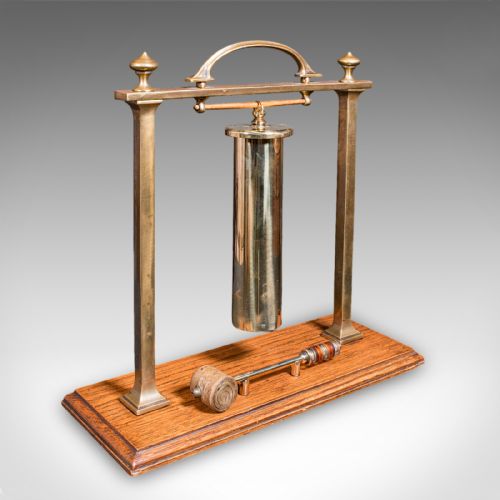
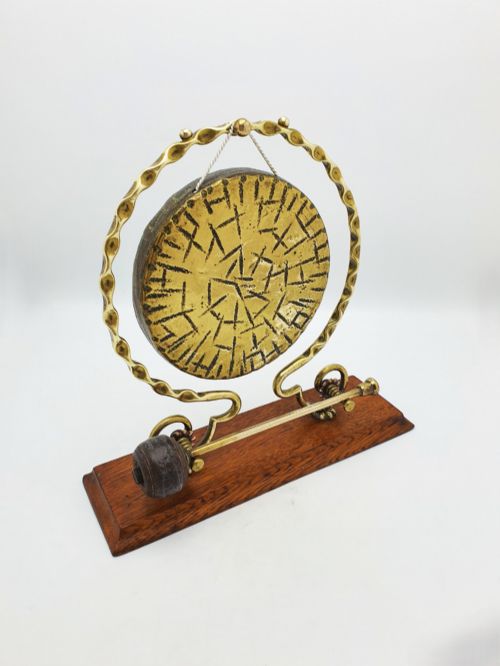
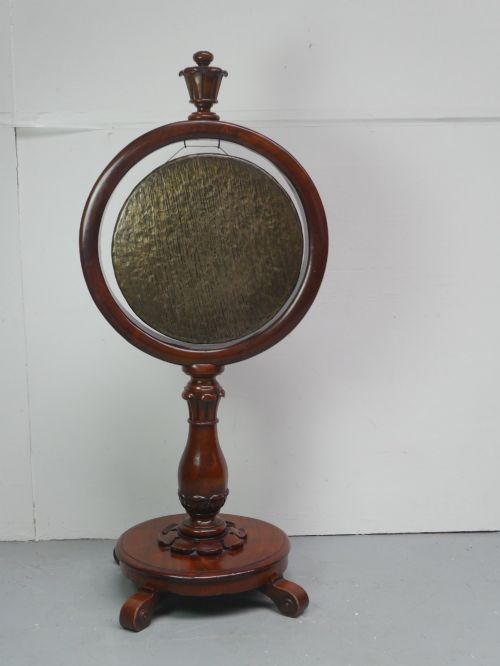
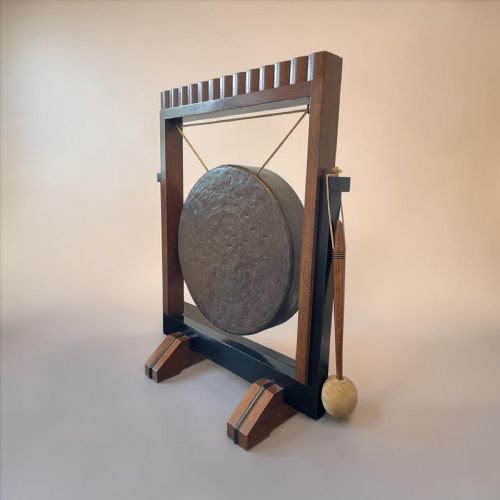
When you search for an antique calling gong, you are looking at items designed to gather people for meals or tea through sound. The pieces on this page span the nineteenth century, the Edwardian era, and the art deco period, taking forms such as dinner gongs, table gongs, wall-hanging chimes, and floor-standing models.
Styles range from Victorian gothic revival and equestrian motifs to arts and crafts and art nouveau. Pieces originating from Scotland and Italy appear alongside domestic British designs.
Materials and construction
Metal components utilise brass, bronze, copper, and cast iron, shaped into bells or hanging discs designed to project sound clearly. These metal elements are frequently paired with wooden supports carved from oak or mahogany.
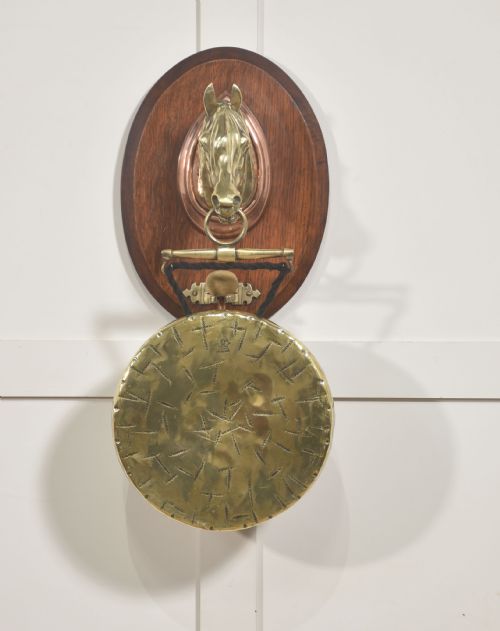
Frames incorporate structural media including wrought iron, textile cords, and unusual natural materials such as cattle horn. Wall-hanging versions integrate specialised mounts like brass horse heads or elephant figures at the base.
Materials recorded across current items include brass, oak, bronze, wrought iron, mahogany, copper, textile, and cattle horn.
Judging quality in gongs
Quality rests upon the resonance of the metal and the stability of its supporting frame. Superior examples produce a clean, sustained tone when struck, whereas lesser pieces sound dull or muted.
Craftsmanship shows in the solidity of the timber base and the secure mounting of the bell or disc. Materials like cattle horn and carved oak display varied degrees of sculptural execution that distinguish standard items from exceptional ones.
The Antique Calling Gong Glossary
- Dinner Gong
- A resonant hanging bell or metal plate struck with a mallet to announce meals. These objects were staples of large country houses and suburban households alike.
- Striker
- The handheld mallet or hammer used to hit the gong. They often feature matching wooden handles and padded striking heads.
- Table Gong
- A compact version designed to sit upon a sideboard or dining table rather than hang from a wall or floor stand.
- Veranda Supper Bell
- A specialised hanging bell utilised for outdoor or informal evening dining gatherings. They typically combine weather-resistant brass and sturdy wooden frames.
- Palazzo Wall Chime
- A large multi-strike wall-mounted calling apparatus originating from Italy. These architectural pieces often feature elaborate ironwork and multiple hanging bells.
Antique Calling Gong: Frequently Asked Questions
How do you strike an antique calling gong properly?
Use the matched handheld striker with a firm, moderate tap against the centre of the metal disc or bell. Avoid striking too hard, as the resonance is designed to carry naturally without excessive force.
Allow the sound to sustain fully before striking a second time. This produces the clear, resonant tone intended by the maker.
Where were these gongs typically placed in a home?
Dinner gongs were traditionally positioned in hallways, entrance halls, or near dining rooms so the sound could travel throughout the house. Smaller table gongs sat directly upon dining furniture or sideboards for convenient use.
Wall-hanging versions required secure placement on sturdy partitions to support the weight of the frame and the vibration of the bell.
What materials make up an antique calling gong?
The hanging portion consists of cast bronze, brass, copper, or iron designed for acoustic resonance. Supporting frames utilise hardwoods such as oak and mahogany, occasionally accented with materials like cattle horn or textile cords.
Decorative mounts incorporate cast metal figures, including horse heads and elephants, reflecting popular aesthetic movements of the nineteenth and early twentieth centuries.
How do I distinguish an Edwardian gong from a Victorian one?
Victorian examples often lean towards heavier gothic revival or ornate equestrian styles, utilising dark woods and substantial cast brass. Edwardian pieces tend to reflect lighter arts and crafts or early twentieth-century domestic preferences.
Construction details and registration marks where present help date the timber frame and metal components more accurately.