




Antique Cake Tier
An antique cake tier brings multiple stacked surfaces into a room, offering practical display space through tiered wooden stands and silver-plated serving pieces.
Antique Cake Tier
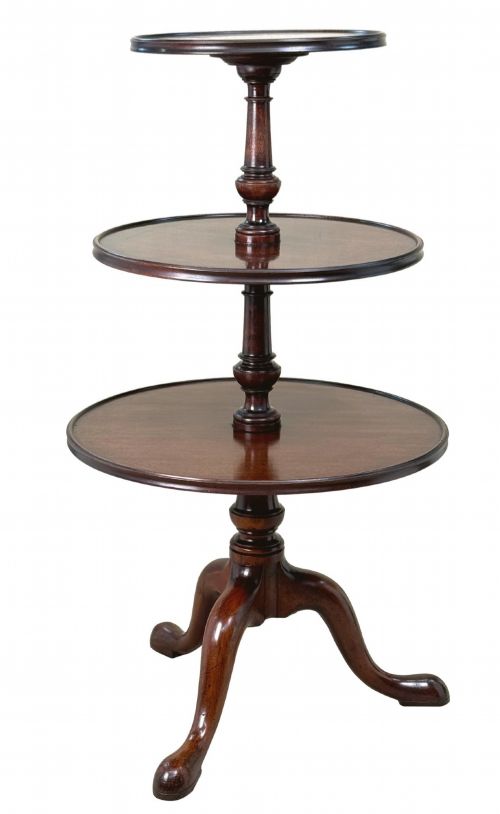
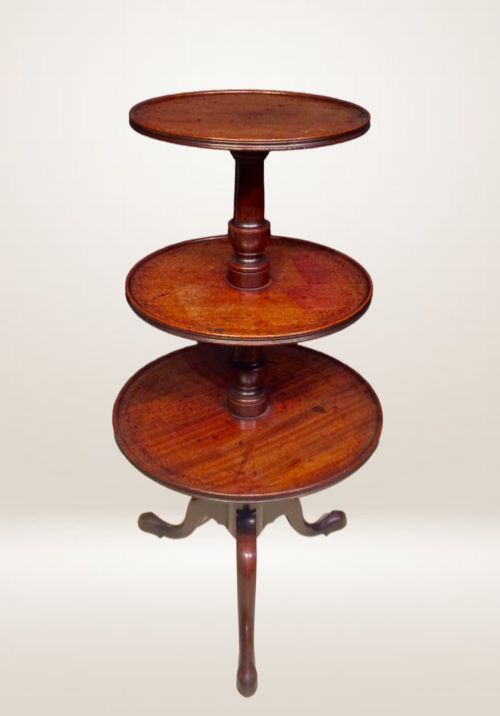
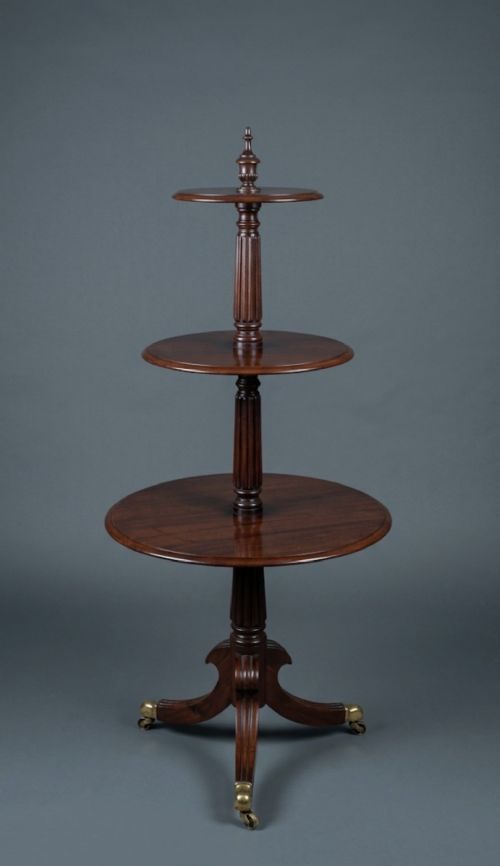
When searching for an antique cake tier, buyers encounter tiered serving pieces, folding cake stands, and heavy dumb waiters spanning several centuries. The selection ranges from robust Georgian mahogany revolving servers to lighter Edwardian folding stands designed for afternoon tea.
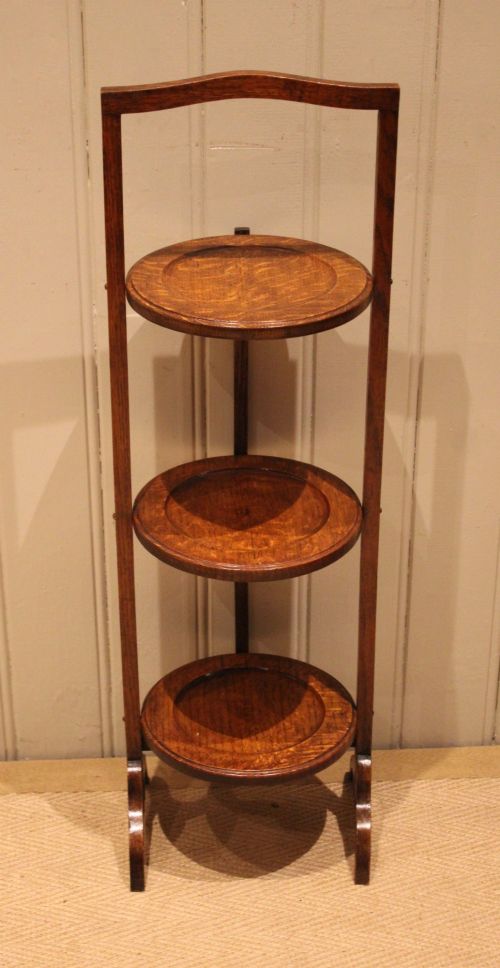
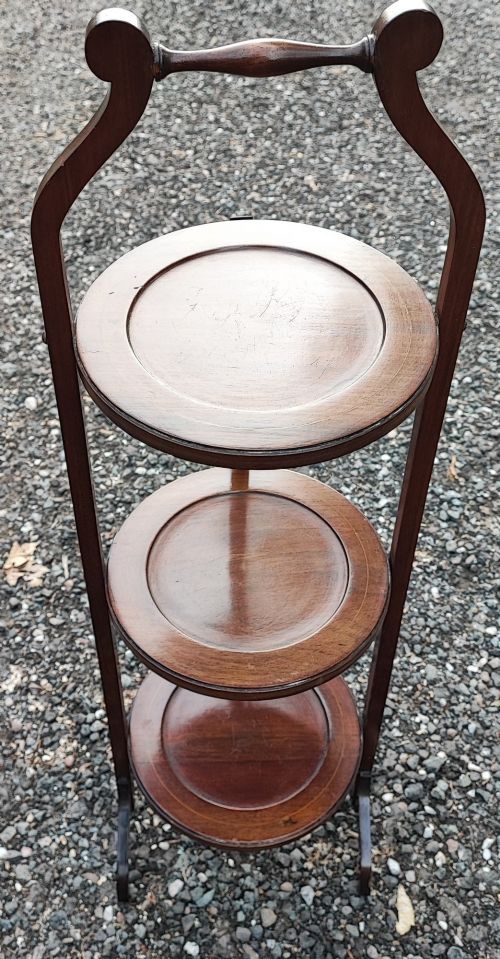
Most examples found on this page date from the Edwardian period or the late nineteenth century, frequently constructed with three folding tiers. These domestic pieces served primarily for presenting cakes and pastries in a parlour or drawing room, though larger examples functioned as dining room dumb waiters.
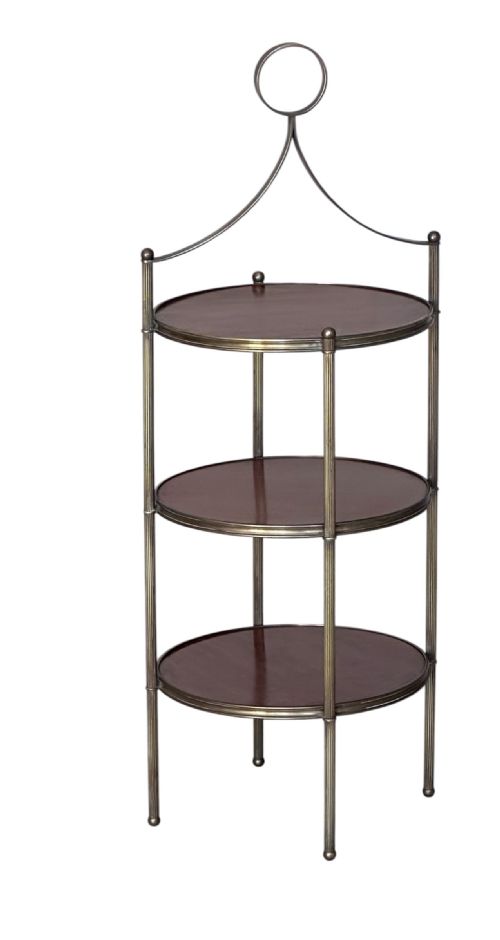
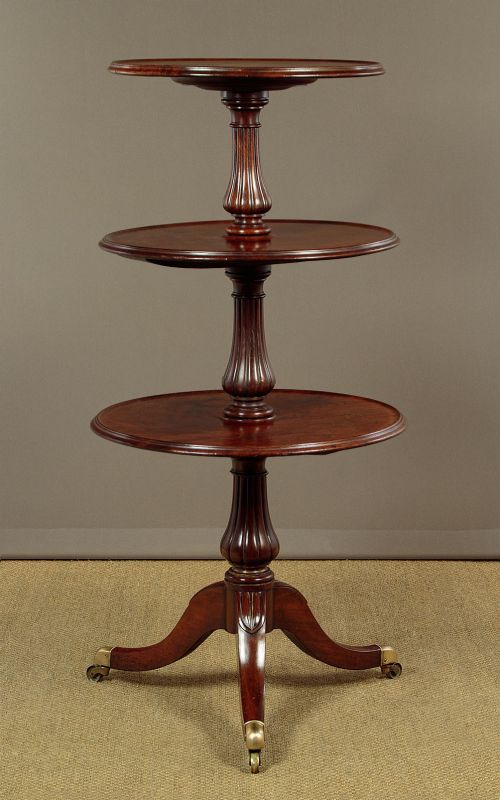
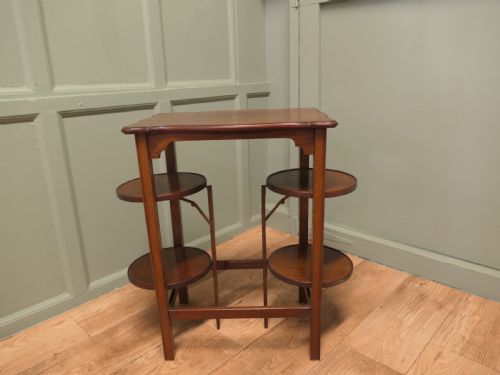
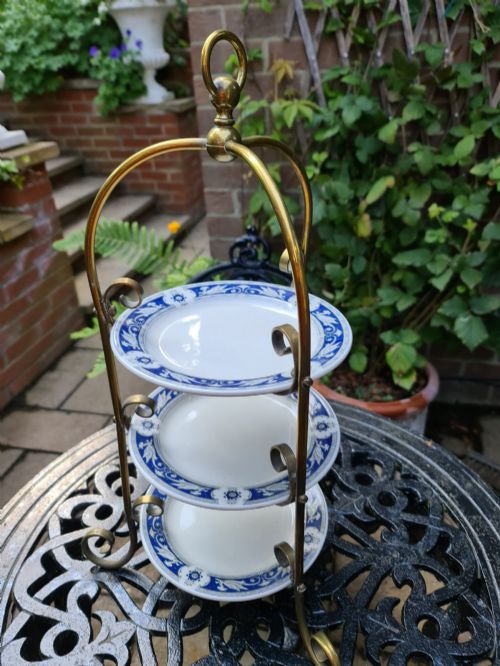
Forms vary from simple circular wooden trays on tripod pedestals to elaborate silver-plated wirework frames holding original glass plates. Buyers also encounter occasional tables, etageres, and small plant stands that share the distinctive multi-level configuration.
How they were made
Cabinetmakers constructed the wooden tiers using solid timbers like mahogany, oak, and rosewood, frequently incorporating turned central columns and folding hinges for domestic convenience. Inlaid details using lighter wood veneers added subtle decoration to Edwardian folding models.
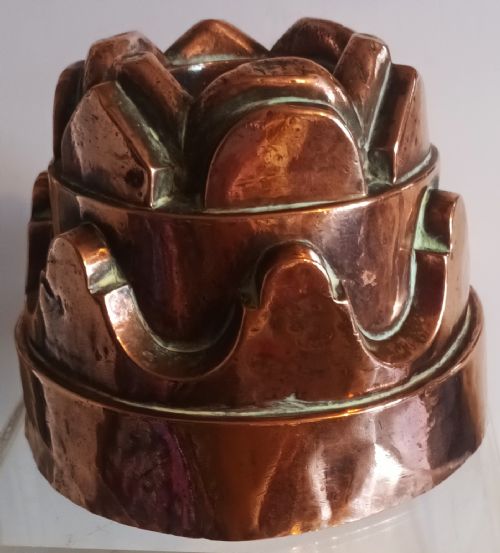
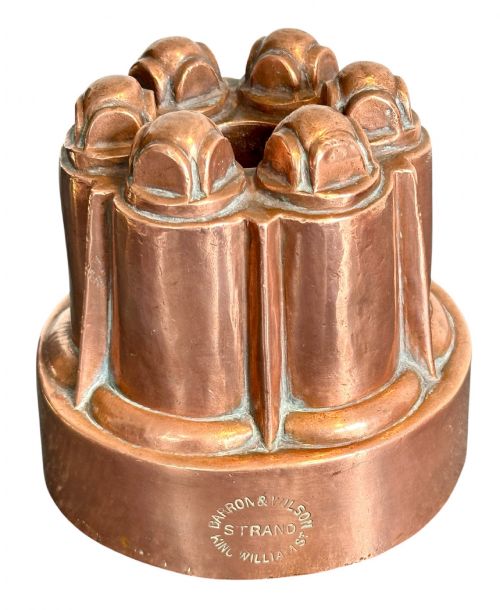
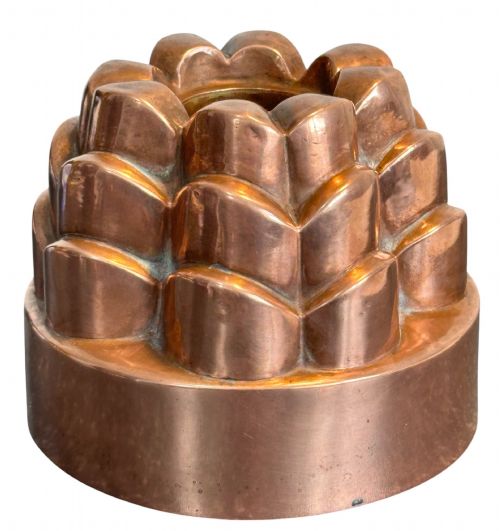
Metal versions relied on silver plating over base metals, often featuring pierced or reticulated galleries and cast brass mounts. Specialised workshops also produced copper kitchen moulds with distinct shapes, though these serve a different domestic purpose than the freestanding tier stands.
Antique Cake Tier Retail Price Guide 2026
Typical asking prices for cake tier among the pieces listed under this phrase on Sellingantiques today, from the lower quarter to the upper quarter. They describe what is for sale here now, not the wider market.
Listings feature mahogany, oak, and silver plate across Victorian and Edwardian periods.
What varies in quality
Quality in an antique cake tier depends heavily on the crispness of the turning on the central pedestal and the smooth operation of any folding mechanisms. Better examples maintain rigid stability when fully opened, whereas lesser pieces suffer from loose joints or warped shelves.
The choice of timber and the precision of inlaid details separate standard production items from finer workshop pieces. On silver-plated and glass variants, the preservation of the original plating without excessive wear marks defines the upper tier of quality.
Atkin Brothers·Maxfield & Sons·Edwin Blyde·Walker & Hall
The Antique Cake Tier Glossary
- Dumb waiter
- A freestanding tiered serving stand used in dining rooms to hold dishes without requiring constant servant attention. These heavy pieces usually feature rotating circular shelves supported by a tripod base.
- Etagere
- A piece of furniture consisting of a set of open shelves for displaying small objects or serving food. These multi-tiered units combine decorative appeal with practical surface area.
- Reticulated
- Decorated with an openwork pattern resembling a net or lattice. This technique appears frequently on silver-plated cake stands to lighten the visual weight of the metal galleries.
- Sheraton Revival
- A late nineteenth and early twentieth century design style inspired by late eighteenth century neoclassical furniture. Pieces in this style often feature delicate mahogany construction and subtle inlaid decoration.
- Tripod base
- A support structure featuring three legs radiating from a central column. This design provides stable footing for tall, narrow serving stands and occasional tables.
Antique Cake Tier: Frequently Asked Questions
How were antique cake tiers used originally?
These pieces served households during afternoon tea to present an array of cakes, pastries, and sandwiches without cluttering the main table. In larger dining spaces, heavier wooden versions held dishes during meals.
Today, they function similarly in domestic settings as display shelving for plants, books, or decorative collections while retaining their traditional charm.
How do I tell an Edwardian tier from a Georgian one?
Edwardian cake tiers often feature clever folding mechanisms designed for easy storage in smaller Victorian and Edwardian homes. They frequently utilise lighter mahogany or oak with subtle inlay.
Georgian examples, by contrast, tend to be heavier, solid wood dumb waiters with stationary revolving tiers built for permanent placement in grand dining rooms.
Can I use an antique cake tier for serving food?
Wooden folding stands work well for dry goods, provided the surfaces remain clean and untreated with modern chemical polishes. Silver-plated and glass tiers require gentle hand washing to protect the finish.
Many buyers prefer to use them for display purposes rather than direct food service to preserve the antique surfaces and plate.
Are folding cake stands sturdy enough for daily use?
Well-made folding stands utilise brass hinges and tight joints that lock securely into position when opened. Regular checks of the folding mechanisms ensure safe daily operation.
Lesser examples may develop wobble over time, so placing heavier items on the lower tier helps maintain overall stability.