


Edwardian Wooden Display Stand
An Edwardian wooden display stand brings practical elevation and period charm to interiors, offering a dedicated surface for plants, books or cherished objects.
Edwardian Wooden Display Stand
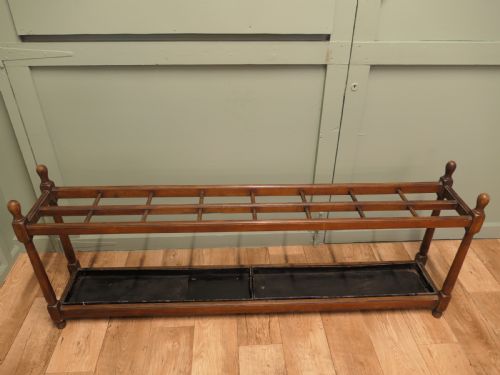
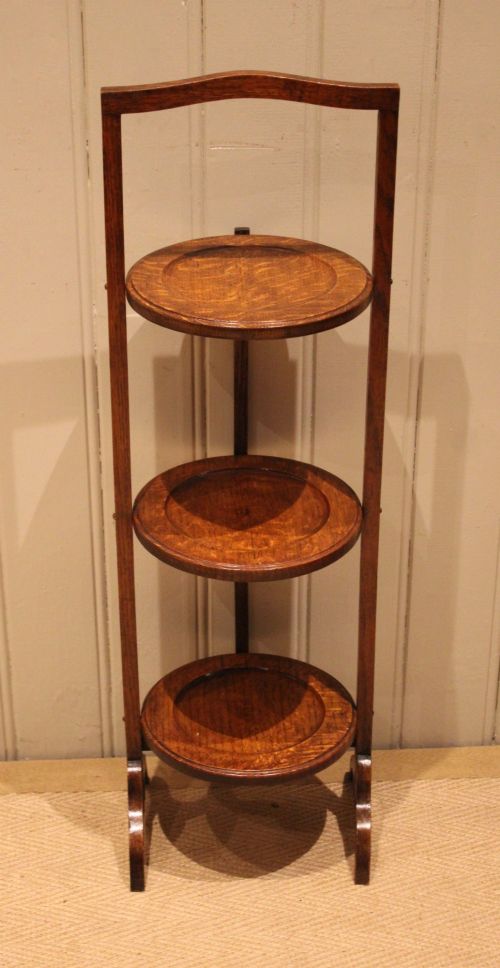
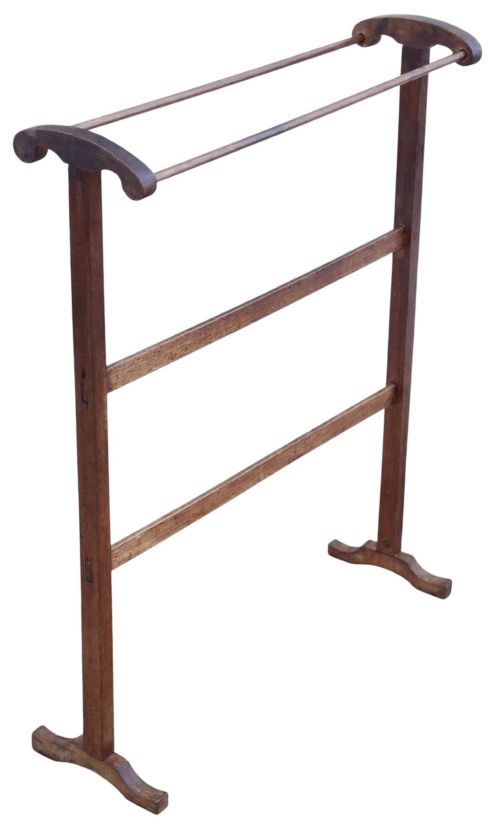
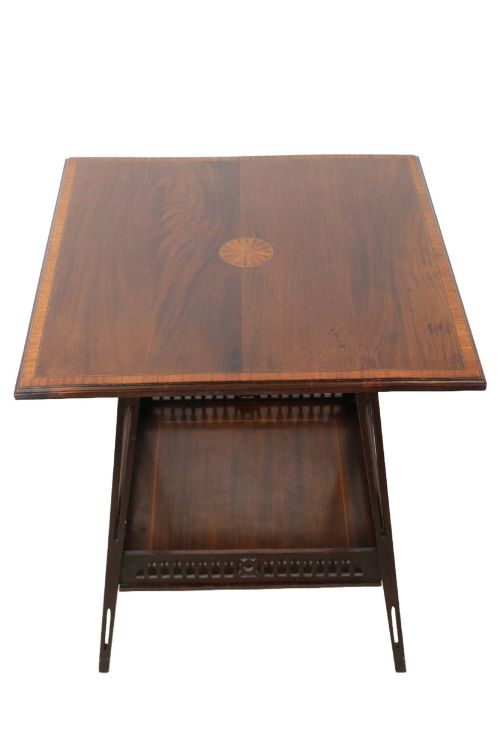
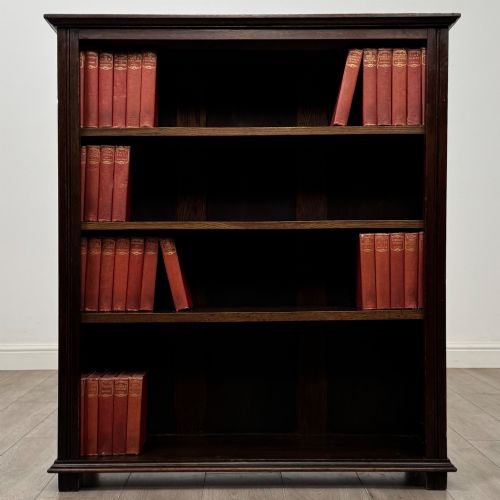
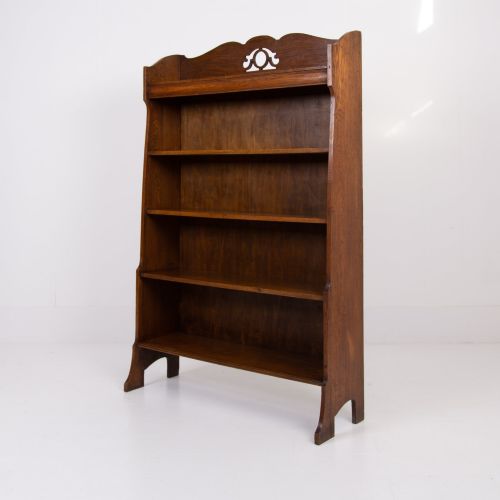
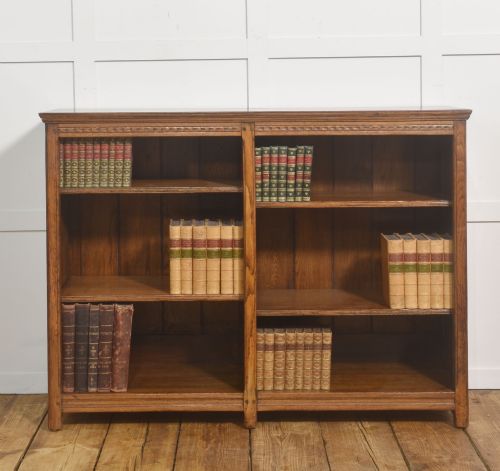
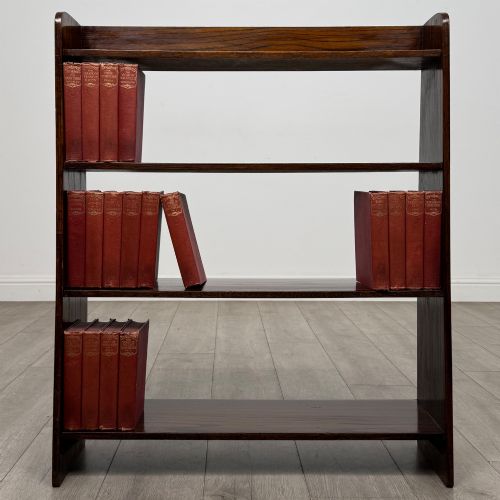
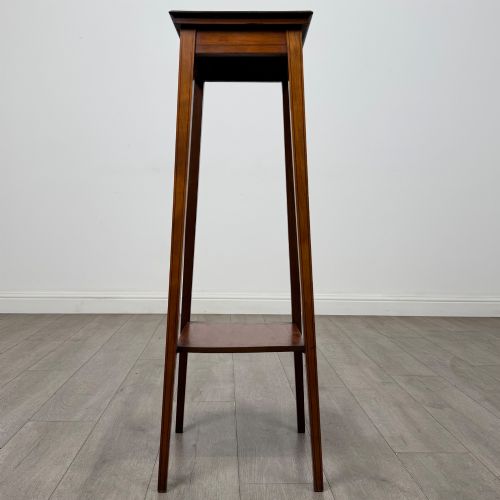
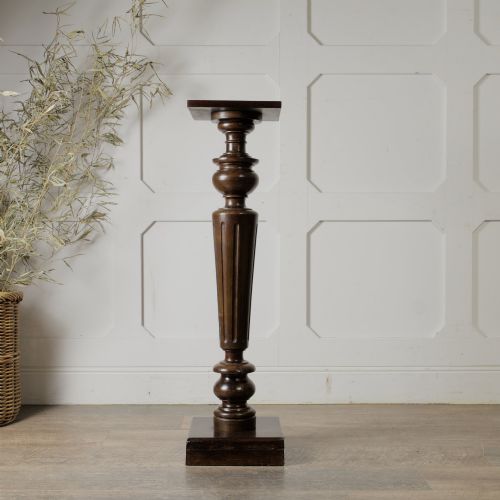
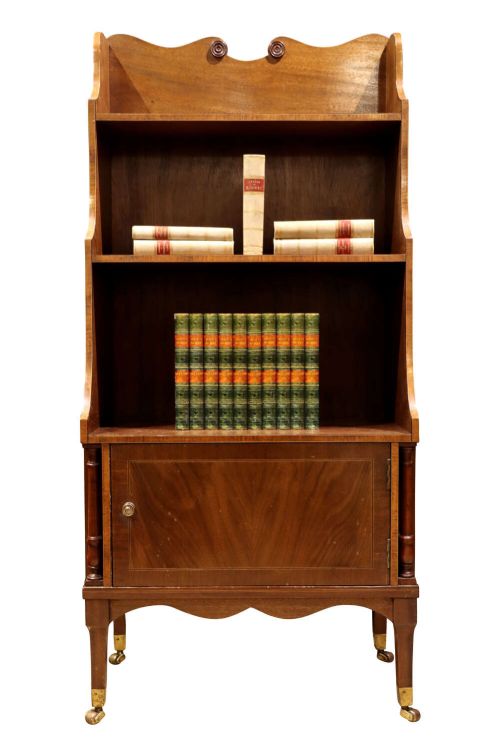
An edwardian wooden display stand encompasses a practical variety of small furniture forms designed to elevate and exhibit objects within domestic spaces. The selections span open bookcases, plant stands, cake stands, side tables and pedestals originating primarily from the Edwardian era alongside surrounding periods.
Makers and workshops of the early twentieth century produced these pieces in forms ranging from tiered plant holders to multi-shelf bookcases and occasional tables. Buyers frequently encounter oak and mahogany structures reflecting Edwardian, Arts and Crafts and Sheraton influences among the current selection.
Materials and construction
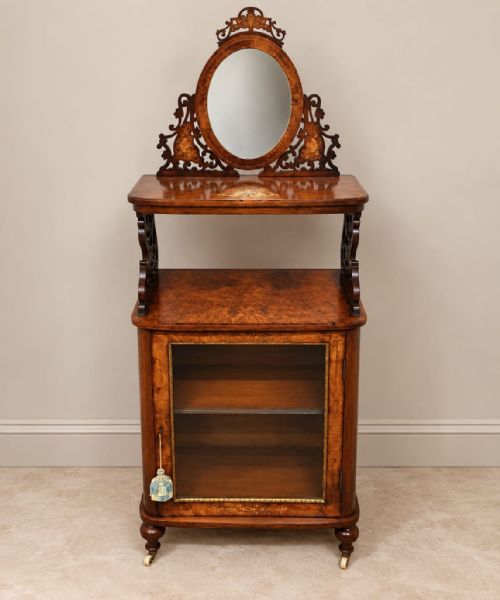
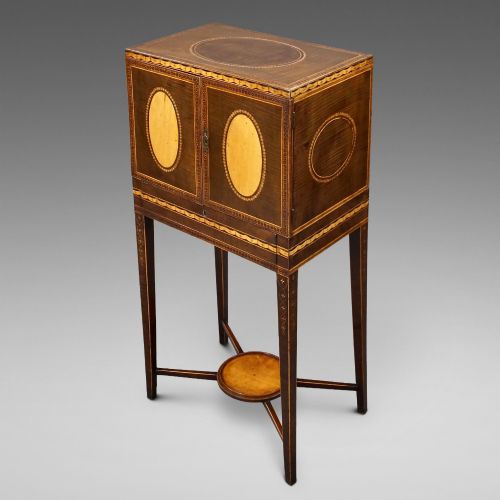
Cabinet makers utilised solid timbers and selected veneers including oak, mahogany, satinwood and burr walnut to construct these stands. Wood inlay, boxwood stringing and brass castors frequently appear as decorative and functional details across the pieces.
Construction techniques combine traditional joinery with turned supports, carved columns and tiered shelving. Surfaces receive polish or wax finishes that highlight the natural grain of the timber.
Listings feature oak and mahogany predominantly, alongside satinwood, burr walnut and brass fittings across Edwardian and Arts and Crafts styles.
Design and execution
The distinction between standard utility items and finer examples rests upon the selection of timber and the precision of the cabinet work. Superior pieces display carefully matched veneers, subtle wood inlay and balanced proportions rather than plain commercial construction.
Detailing such as turned plinths, brass hardware, and well-executed joinery elevate the execution of a stand. The integrity of the structure and the retention of original surfaces govern the standing of individual pieces.
Trevor Page & Co·Liberty of London
The Edwardian Wooden Display Stand Glossary
- Torchère
- A tall ornamental stand designed specifically to support a lamp, vase or small plant. These pedestals lift display items to eye level.
- Whatnot
- An open set of multi-tiered shelves used for displaying ornaments and small books. The design prioritises vertical storage in compact footprints.
- Jardiniere stand
- A specialised piece intended to hold indoor plant pots and floral arrangements. They frequently feature waterproof liners or raised rims.
- Inlay
- A technique where contrasting woods or materials are fitted into depressions within the primary surface to create decorative patterns. Boxwood and satinwood frequently serve this purpose.
- Plinth
- The heavy base or lower block supporting a column, pedestal or cabinet. It provides structural stability and visual ground.
Edwardian Wooden Display Stand: Frequently Asked Questions
What is an edwardian wooden display stand used for?
These stands serve as elevated platforms for plants, books, photographs and decorative objects within a room.
Their compact footprints allow them to occupy corners and narrow wall spaces while adding vertical interest to interior layouts.
How do I identify an Edwardian piece?
Edwardian furniture typically dates from the reign of King Edward VII between 1901 and 1910, though the style extends slightly either side. Look for lighter timbers, refined proportions and understated inlay work compared to heavy Victorian designs.
Construction methods from this period also utilise machine assistance alongside hand joinery, producing lighter frames suitable for domestic portability.
Are these stands suitable for heavy items?
Most stands are engineered for moderate weights such as potted plants, lamps or collections of books. Multi-tiered cake stands and folding variants require careful placement to maintain balance.
Solid oak and mahogany bookcases offer greater structural load capacity than slender plant pedestals.
How do Arts and Crafts stands differ?
Arts and Crafts pieces emphasise plain construction, visible joinery and the natural grain of oak rather than ornate applied decoration.
They reject mass-produced factory aesthetics in favour of honest craftsmanship and utility.