


Antique Cabinet with Shelf
These antique cabinet with shelf pieces combine display space and concealed storage, bringing period character and practical utility to any room.
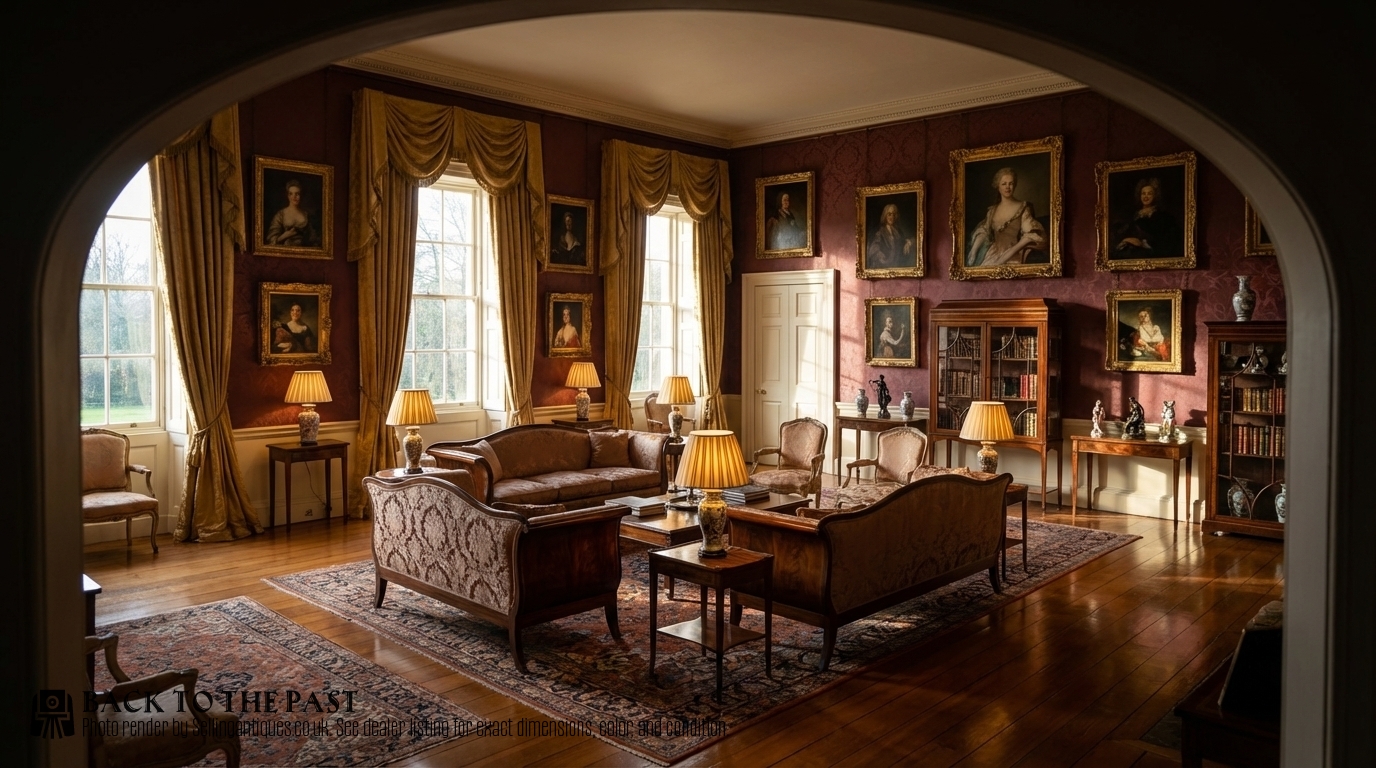
Antique Cabinet with Shelf
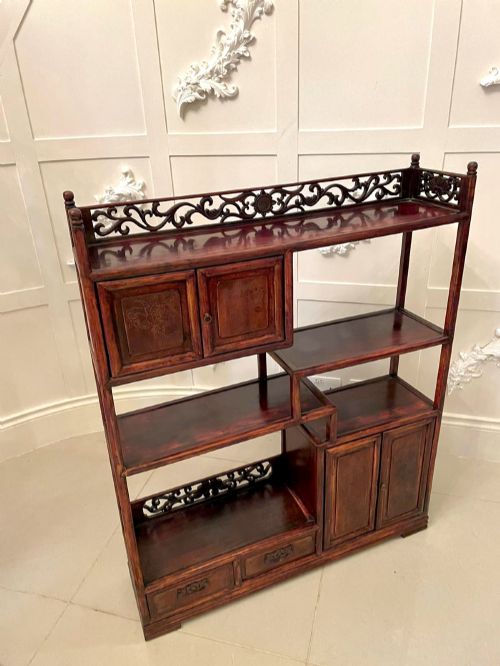
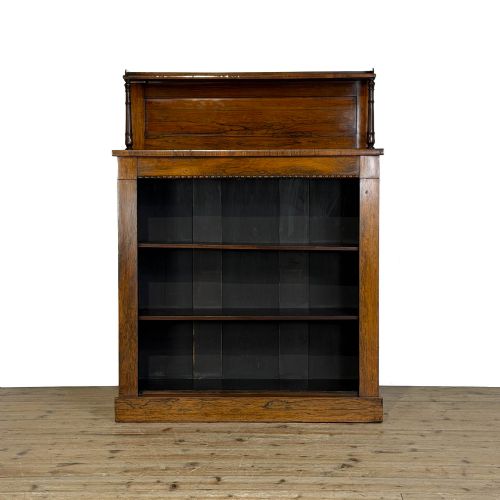
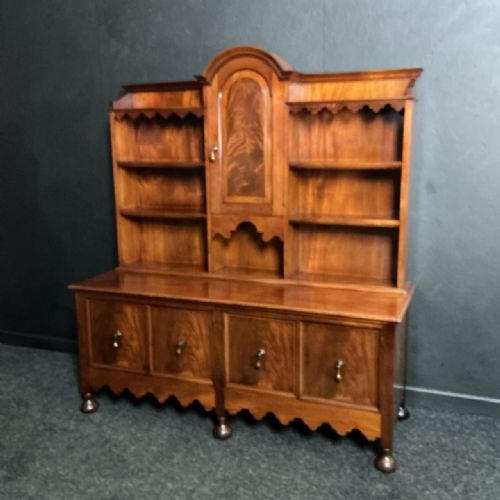
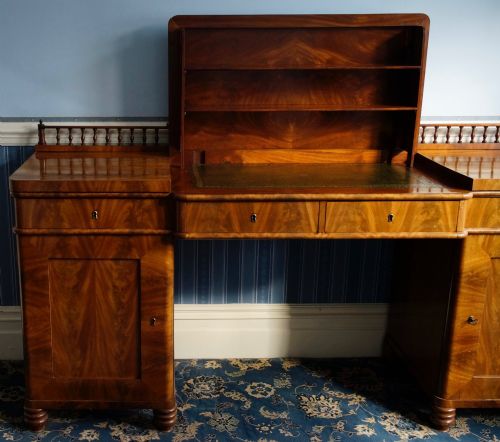
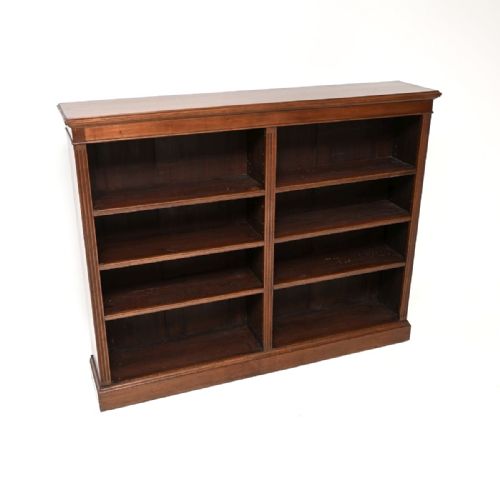
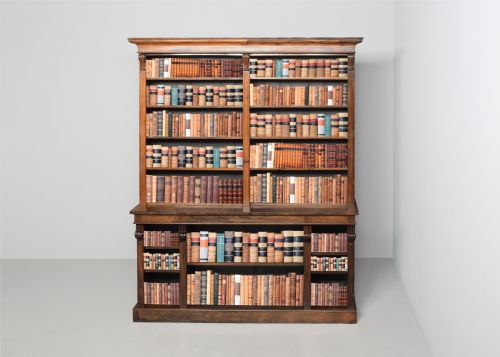
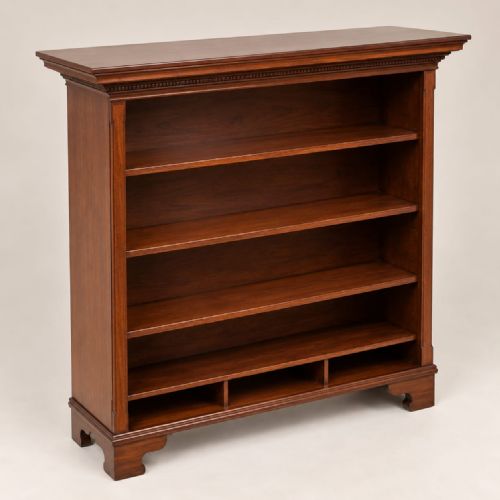
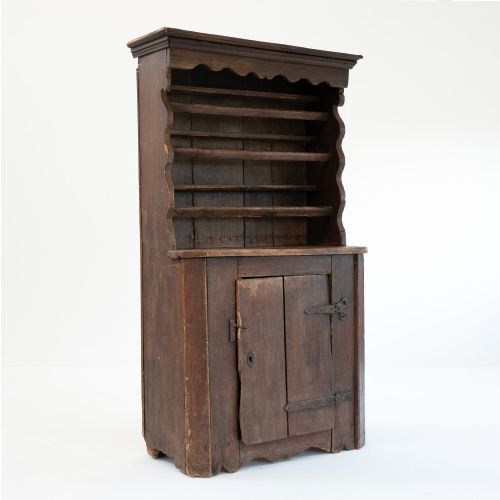
An antique cabinet with shelf encompasses a diverse group of storage and display furniture originating from the eighteenth, nineteenth and early twentieth centuries. The selection ranges from compact bedside units and pine wall cupboards to large breakfront bookcases and chiffoniers.
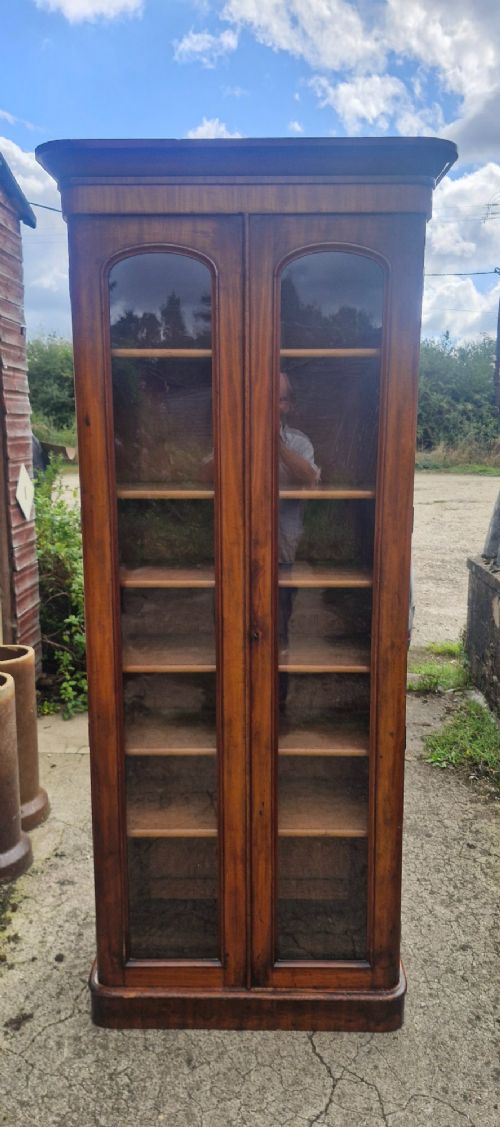
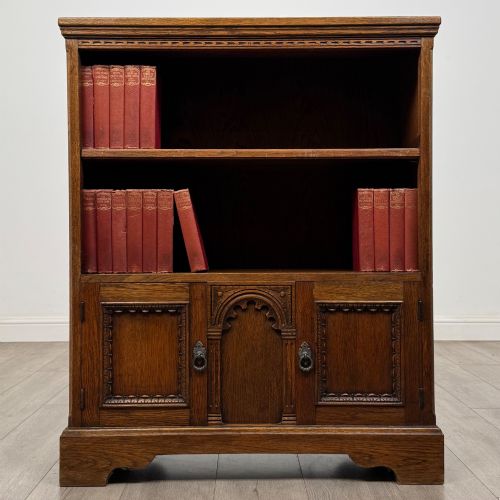
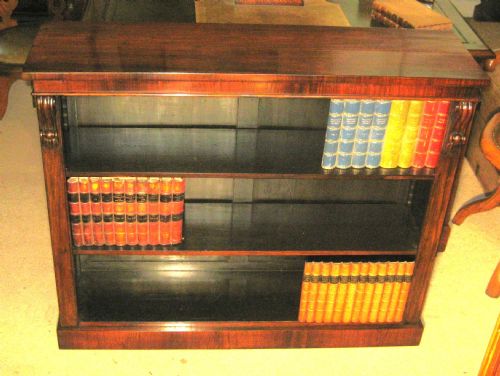
Buyers most frequently encounter pieces fashioned during the Victorian and Edwardian eras, alongside items from the Georgian and Regency periods. Common formats include open bookcases with lower cupboards, chiffoniers with raised tiers, and glazed display cabinets.
Origins span formal English drawing room furniture to simpler oak and pine kitchen pieces. Many incorporate adjustable shelving or glass doors designed to protect books and ceramics while keeping them visible.
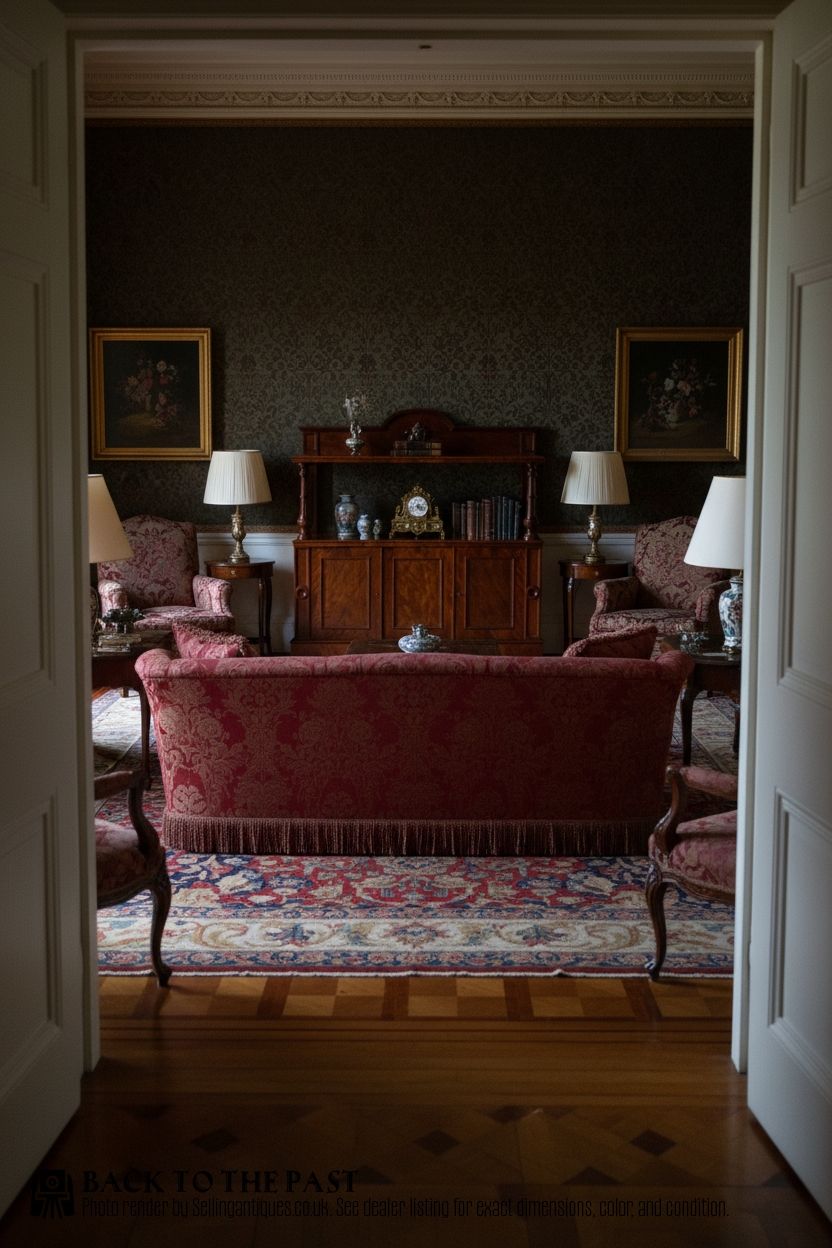
What varies in quality
The degree of refinement in timber selection and cabinet work defines the upper tier of these pieces. Highly figured burr walnut, intricate brass inlay and superior patination separate bespoke workshop output from standard commercial production.
Structural integrity rests on the original condition of the timber, stability of doors and smoothness of adjustable shelf mechanisms. Maker attribution through stamps or labels adds documentary weight to the construction.
Listings feature mahogany, oak, walnut and rosewood across Victorian, Edwardian and Georgian periods.
Gillows·Maple & Co·Tudor & Burrey·Heals
The Antique Cabinet with Shelf Glossary
- Chiffonier
- A low sideboard or cabinet, typically featuring a shelf or tier on top and enclosed cupboards below. This form developed during the Regency and Victorian periods for dining rooms and parlours.
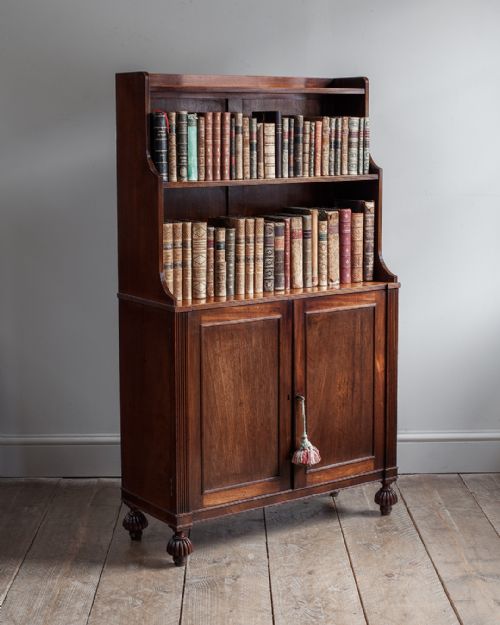
- Waterfall bookcase
- A set of open shelves arranged in a stepped tier, where each shelf is narrower than the one below it. This style gained popularity during the Georgian and Regency eras.
- Credenza
- A decorative cabinet or sideboard, frequently embellished with ormolu mounts and mirrored doors. These pieces were often utilised in formal Victorian reception rooms.
- Ormolu
- Gilded bronze used for decorative mounts, feet and gallery rails on nineteenth-century furniture. This technique adds metallic contrast to mahogany and rosewood surfaces.
- Burr walnut
- Timber cut from the wart-like growths on walnut trees, yielding complex swirling grain patterns. Cabinet makers prized this wood for veneering prominent surfaces.
Antique Cabinet with Shelf: Frequently Asked Questions
How were chiffoniers used?
Chiffoniers served primarily in dining rooms and parlours to store tableware, linens and writing materials. The upper shelf provided a surface for displaying ornamental ceramics or small clocks.
Over the nineteenth century, their role shifted towards general storage and display as domestic interior fashions evolved. The enclosed lower cupboards kept items out of sight while the top shelf displayed household status.
Are the shelves adjustable?
Many bookcases and cabinets from the Victorian and Edwardian periods feature adjustable shelving systems. These typically utilise wooden ratchets, brass studs or metal tracks.
Buyers should examine the interior pilasters to confirm whether the mechanism is original to the piece. Fixed shelves are more common in earlier Georgian examples.
How do I date an oak cabinet?
Dating oak pieces relies on observing timber characteristics, construction methods and hardware. Earlier pieces from the seventeenth and eighteenth centuries display hand-riven grain and pegged mortise and tenon joinery.
Later Victorian and Edwardian examples often feature machine-sawn boards, standardised screw fixings and applied mouldings. Catalogues and maker stamps also help narrow down the decade of manufacture.
Where should I place a wall shelf?
Hanging wall shelves and cabinets require secure fixing to solid masonry or properly located wall studs. Their compact footprint makes them suitable for kitchens, hallways and smaller bedrooms.
Ensure the mounting brackets and structural fixings match the weight of the timber and any items displayed upon the shelves.