
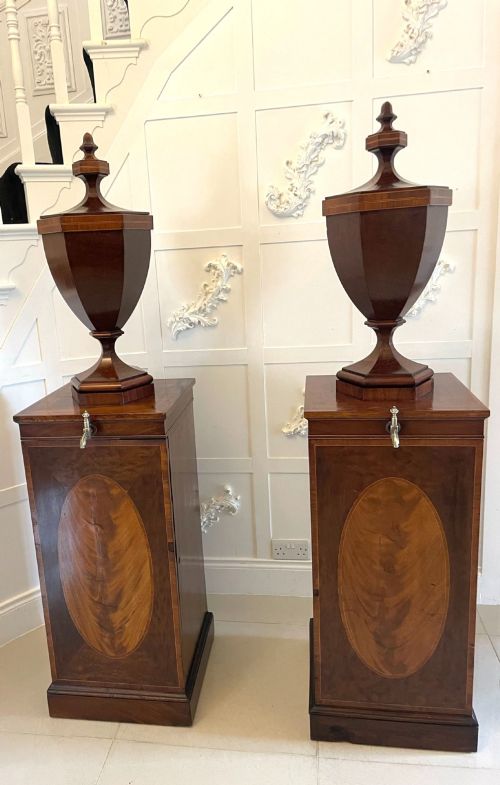
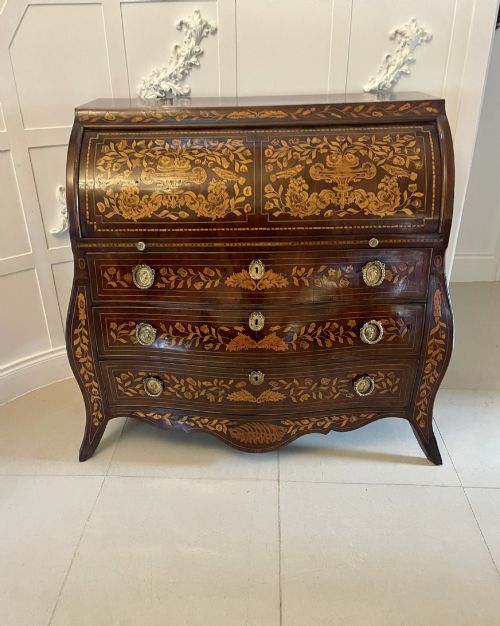
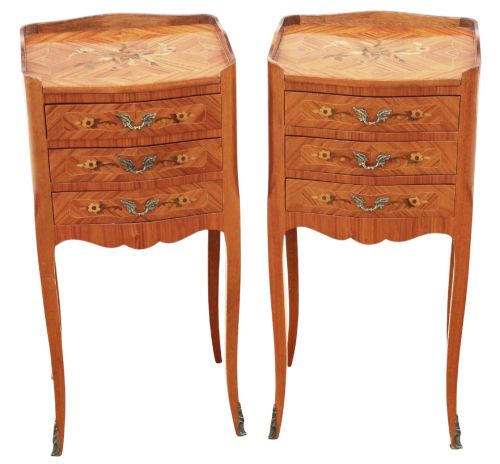
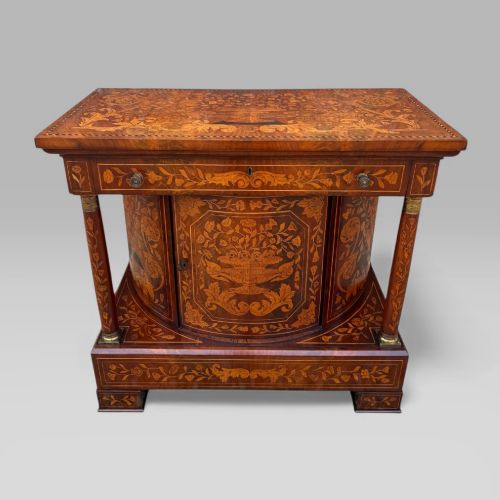
Antique Cabinet with Inlay
These pieces combine functional timber storage with precise decorative contrast, bringing character and craftsmanship to any interior.
Antique Cabinet with Inlay
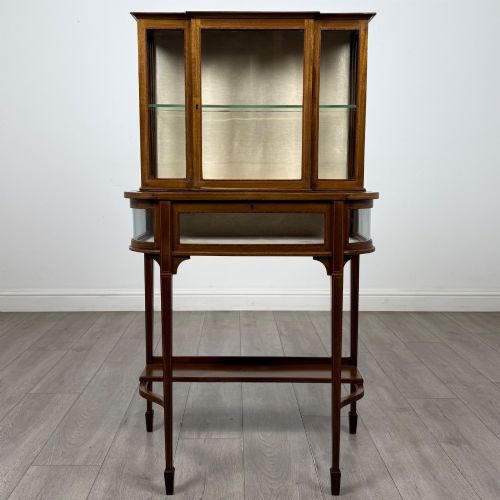
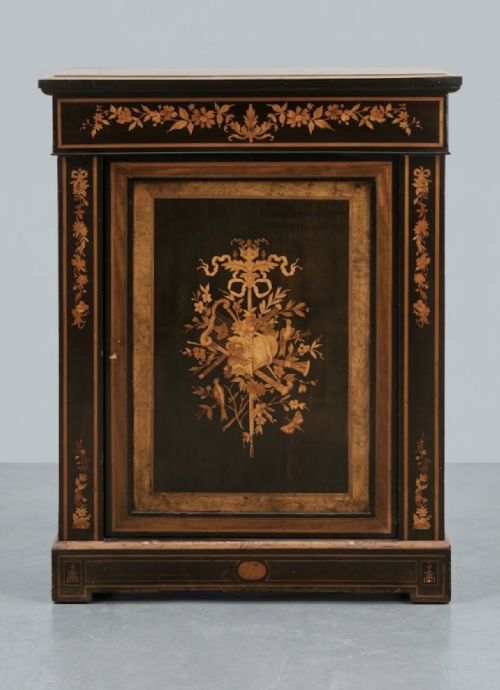
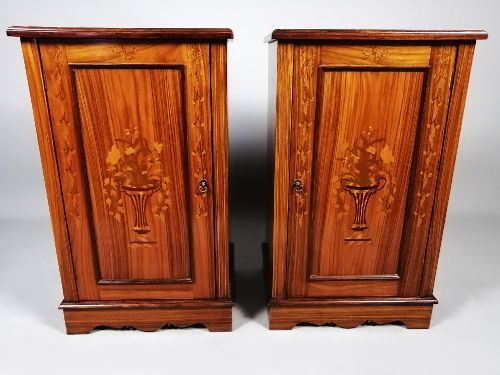
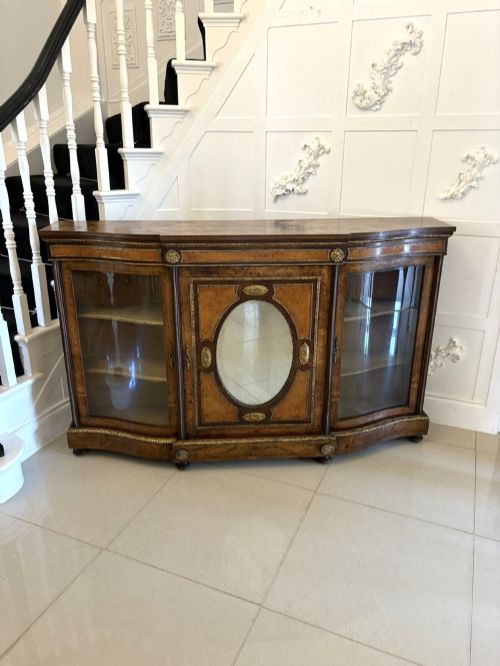
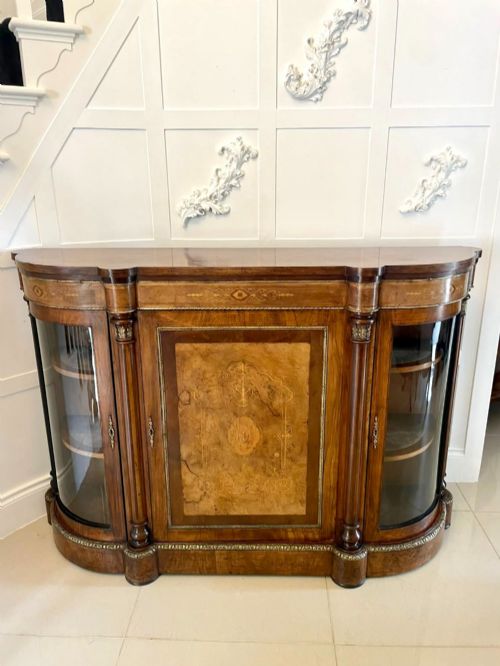
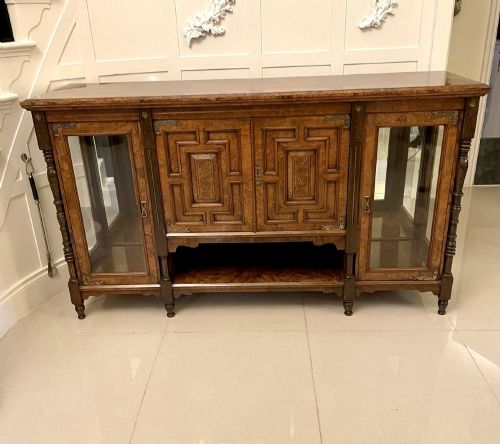
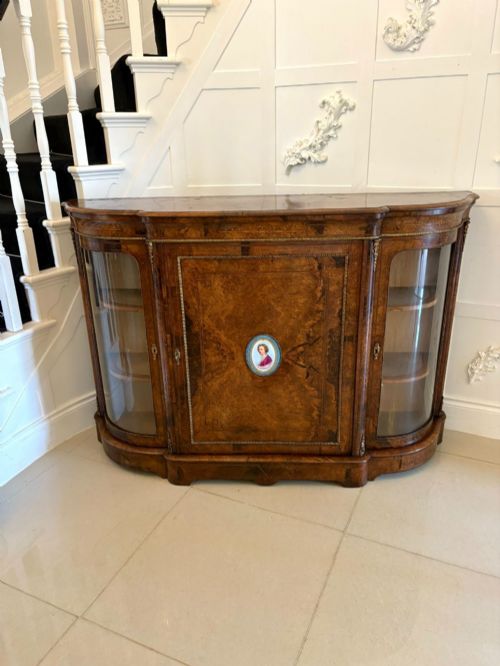
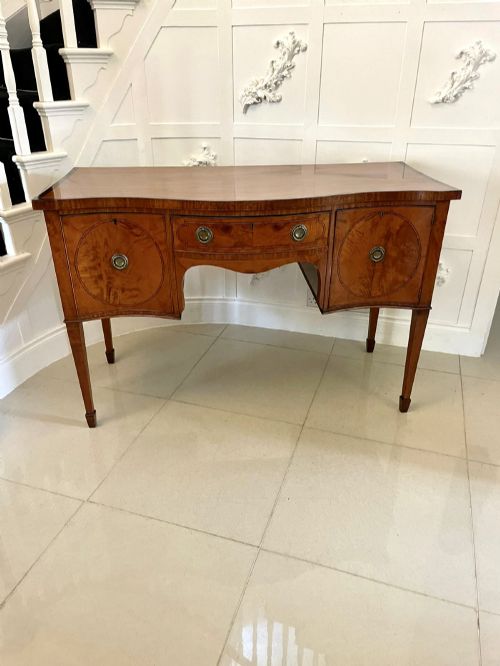
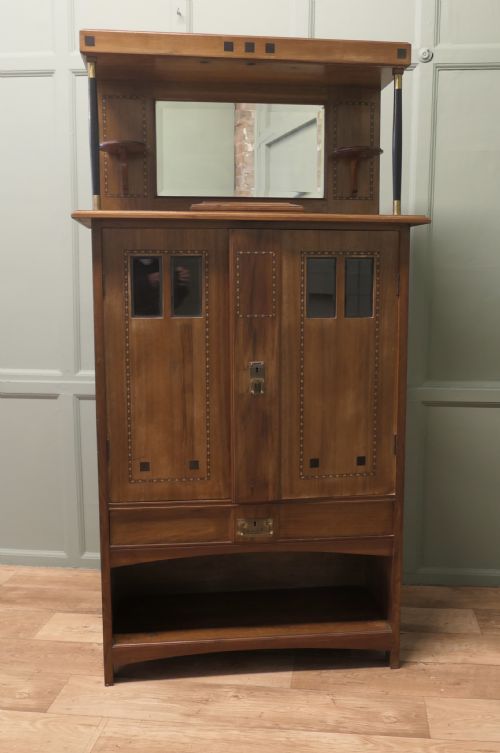
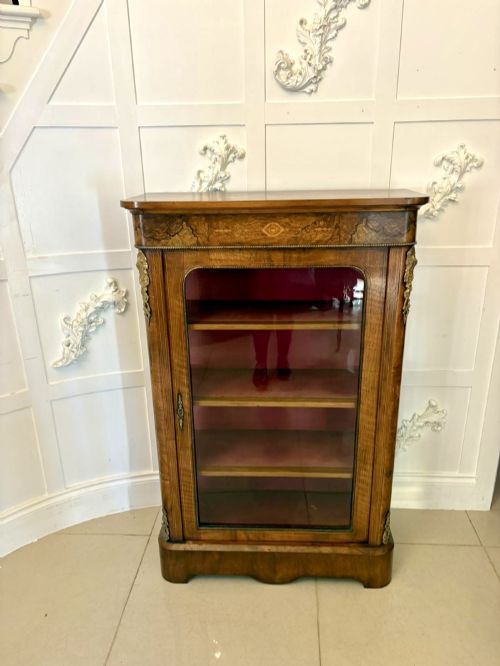
An antique cabinet with inlay encompasses a diverse range of forms designed to display, store, or conceal personal possessions. The selection spans grand credenzas and credenzas with floral marquetry, upright display cabinets with glass doors, and compact bedside cabinets.
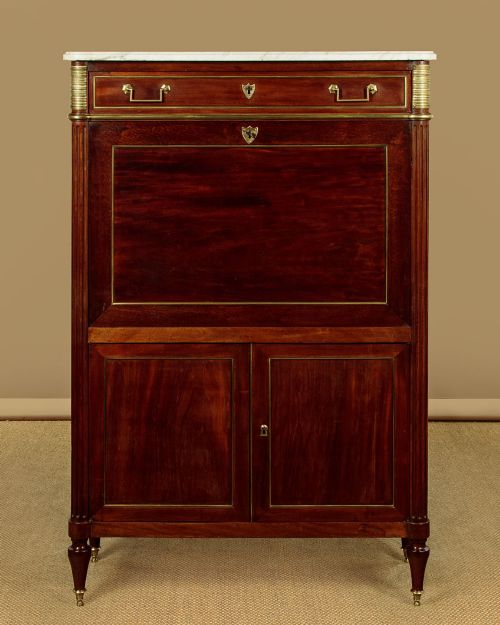
Victorian and Edwardian iterations in burr walnut and mahogany appear frequently alongside Georgian bureau bookcases and 18th-century Continental examples. Buyers encounter everything from tall library bookcases to small side cabinets and corner cupboards.
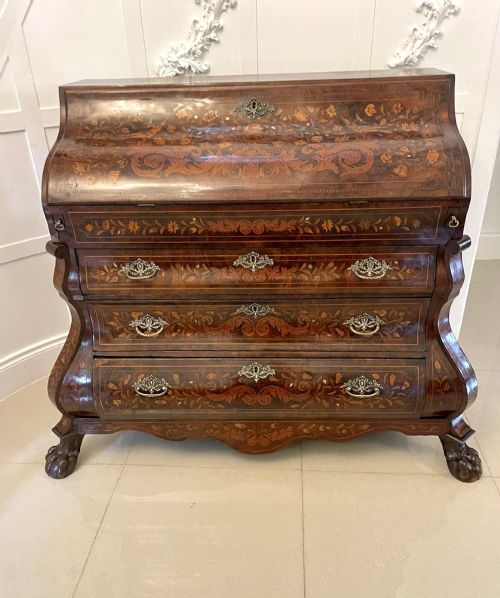
The defining characteristic across these forms is the integration of contrasting wood veneers, brass, pewter, or mother of pearl set flush into the primary timber. This decorative technique frames doors, drawers, and panels with geometric borders or elaborate pictorial scenes.
Materials and Construction Methods
Cabinetmakers utilised dense cabinet timbers such as mahogany, walnut, burr walnut, rosewood, and satinwood as the primary structural foundation and canvas. Secondary woods provide stability to carcases while choice face veneers display striking grain patterns.
Inlay work relied on meticulous hand-cutting of contrasting materials including boxwood, ebony, brass, and pewter to create precise geometric lines or pictorial marquetry. These delicate decorative elements were pressed into recesses carved directly into the solid timber or veneered surface and secured with animal glue.
Many formal pieces incorporated cast or chased ormolu mounts, porcelain plaques, and mirrored glass backs to elevate the visual richness of the construction. Surface finishes were traditionally built up using hand-applied shellac French polish to protect the timber and accentuate the natural figuring.
Materials span traditional British cabinet timbers like oak, mahogany, and walnut, accented with exotic woods, brass, pewter, and mother of pearl.
Assessing Craftsmanship and Material Selection
Quality reveals itself in the choice of timber and the precision of the contrasting decorative work. Superior examples exhibit tightly figured burr walnut or flame mahogany combined with meticulously fitted marquetry where individual pieces of wood meet without perceptible gaps.
Structural integrity and secondary detailing distinguish finer workshops from standard production. Well-made pieces feature sound internal drawer construction with hand-cut dovetails, substantial carcase timber, and original hardware such as working brass locks and heavy castors.
The artistic ambition of the design plays a decisive role in evaluation, separating simple line-inlaid utility pieces from elaborate creations featuring pictorial floral panels, gilt bronze mounts, or integrated porcelain plaques.
maples & co·Gillows·Maple & Co.·Maison Gagneau·Lamb of Manchester
The Antique Cabinet with Inlay Glossary
- Marquetry
- The art of forming decorative patterns by fitting together veneer pieces of different woods, metals, or shells. This technique creates pictorial scenes or elaborate floral motifs across cabinet doors and top panels.
- Credenza
- A low sideboard or display cabinet originating in Italy, often featuring curved glass doors and ormolu mounts during the Victorian era. These pieces typically stand against a wall to display porcelain and decorative objects.
- Ormolu
- Gilded bronze mounts cast and chased into decorative scrollwork, feet, or architectural details. Makers applied these metallic ornaments to highlight the corners and framing of high-status cabinets.
- Bureau Bookcase
- A dual-purpose piece combining a sloped writing desk below with enclosed shelving above. The fall-front flap conceals internal pigeonholes and small drawers.
- Ambry
- A traditional storage cupboard, often constructed from oak in regional workshops. These utility pieces served to store provisions and household goods.
Antique Cabinet with Inlay: Frequently Asked Questions
How do I date an inlaid cabinet?
Dating relies on observing the primary timber, the style of the hardware, the construction methods used for drawers, and the prevailing decorative motifs.
Georgian pieces tend toward straight lines and mahogany, while Victorian and Edwardian examples frequently showcase burr walnut, elaborate marquetry, and factory-stamped maker details.
Where should I place a display cabinet?
Display cabinets with glass doors and inlaid frames suit living rooms, dining spaces, or hallways where they can safely house collections.
Positioning them away from direct sunlight protects delicate wood veneers and historic French polish finishes from fading or drying out over time.
What is the difference between inlay and marquetry?
Inlay involves inserting pieces of contrasting material into carved recesses within a solid wood background to form borders or simple shapes.
Marquetry covers the entire surface of the carcase in an assembled veneer puzzle to create complex pictorial scenes, floral sprays, or symmetrical geometric designs.