
Antique Cabinet with Glass Doors
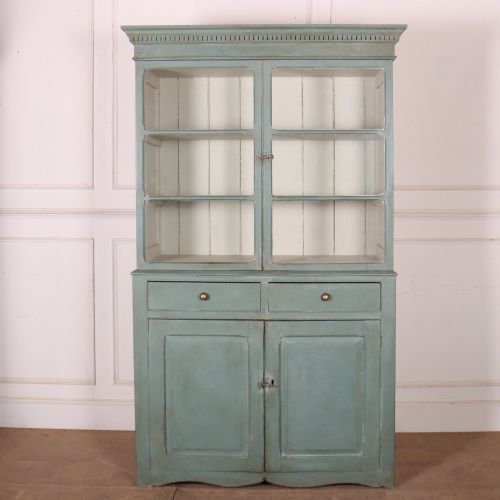
An antique cabinet with glass doors brings books, china and collections into view while keeping dust at bay.
Antique Cabinet with Glass Doors
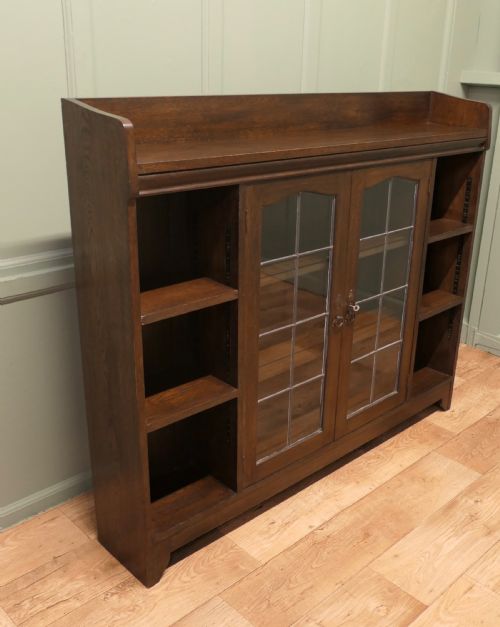
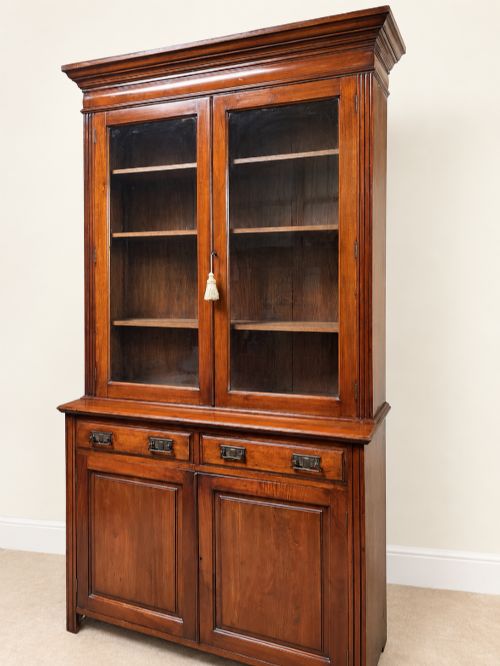
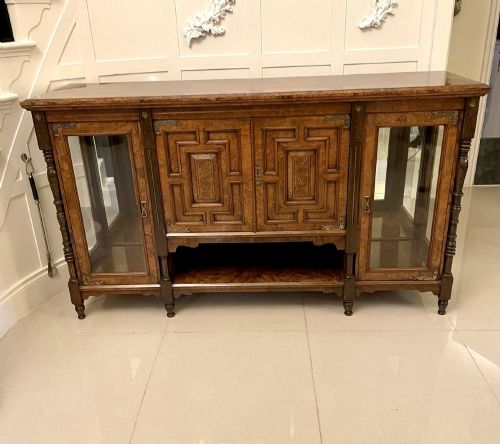
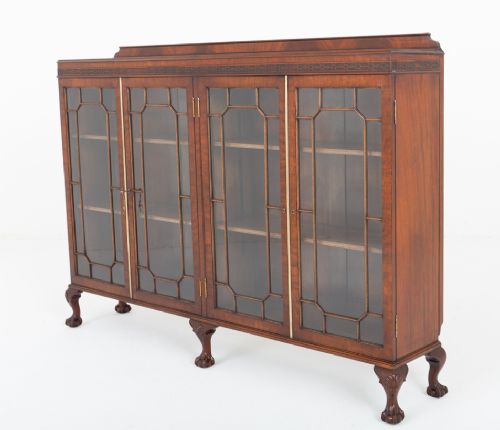
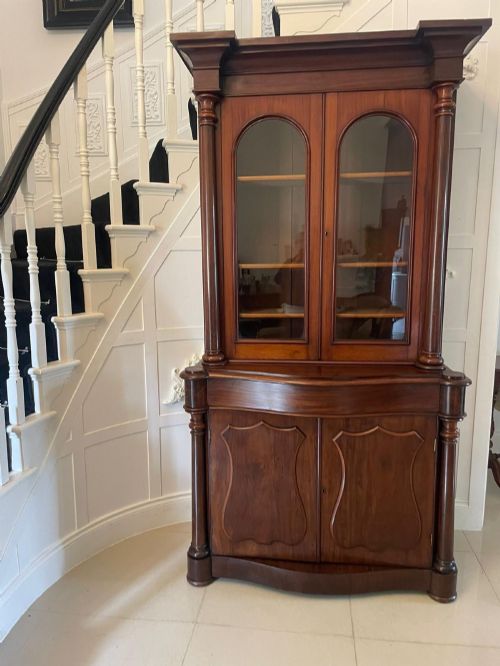
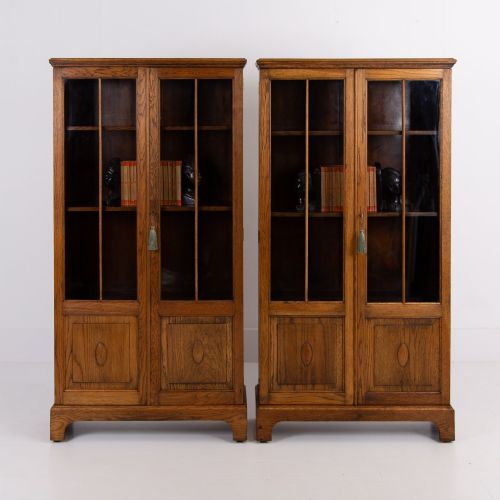
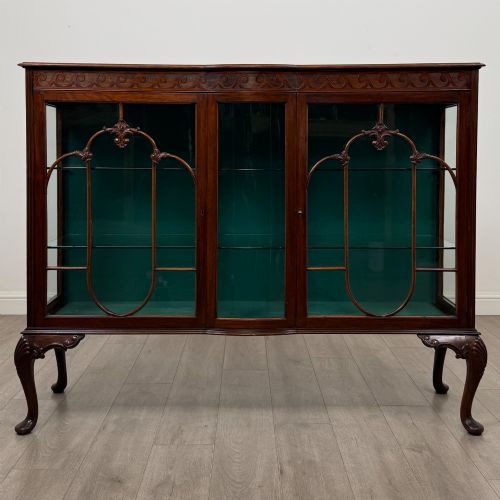
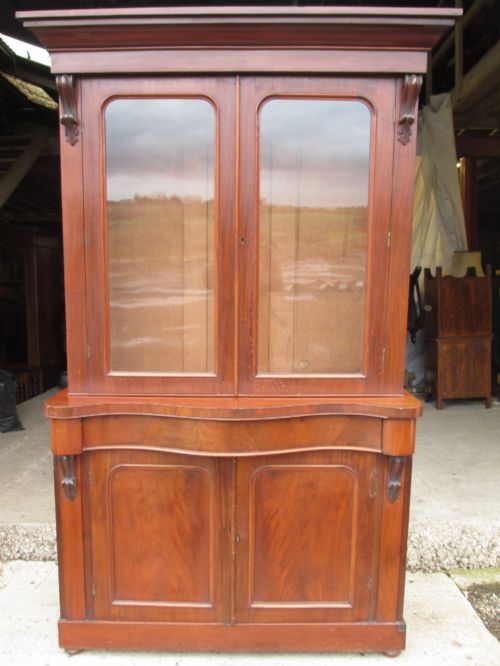
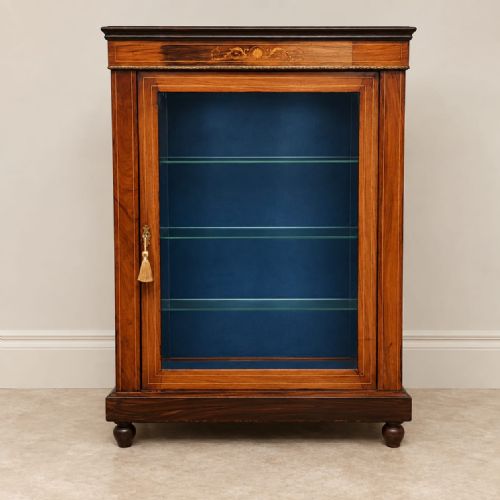
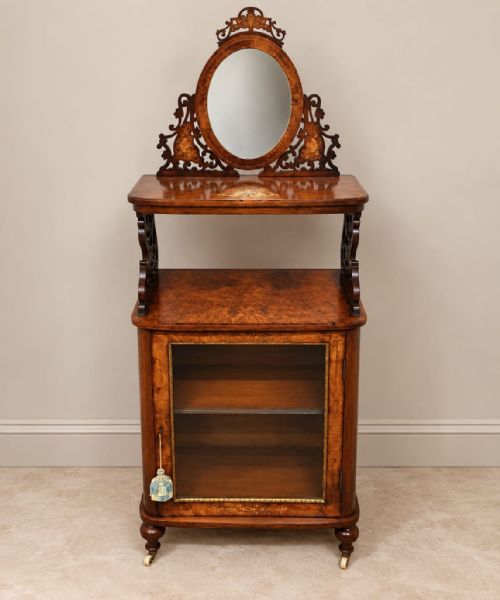
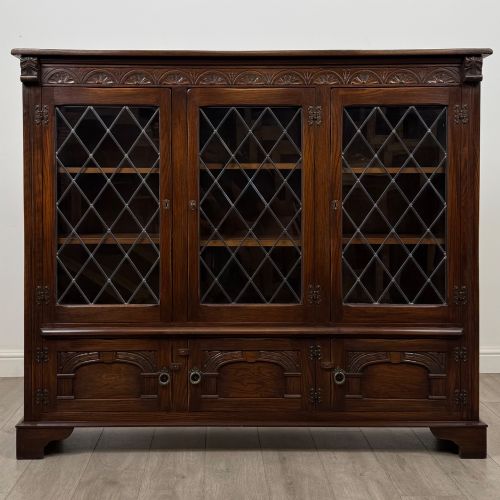
An antique cabinet with glass doors spans bookcases, display cabinets, pier cabinets, corner cabinets, side cabinets, sideboards, credenzas, dressers and vitrines. These pieces emerge across the nineteenth and twentieth centuries, taking distinct regional and stylistic shapes.
Victorian and Edwardian examples dominate the selection, alongside items from the 1850s, 1860s, 1870s, 1880s, 1900s, 1910s and 1920s. Buyers regularly encounter styles from Sheraton Revival, Art Deco, Jacobean Revival and Regency periods.
Origins stretch across English, French and Scottish workshops. Forms range from small two-door cupboards and corner cabinets to tall floor bookcases and stacking barrister designs.
Distinctions in Standard
The standard of timber selection marks the primary division between grades. Figured grains, burr walnut veneers and matched satinwood inlay distinguish finer workshop output from plain utility timber like pine or standard oak.
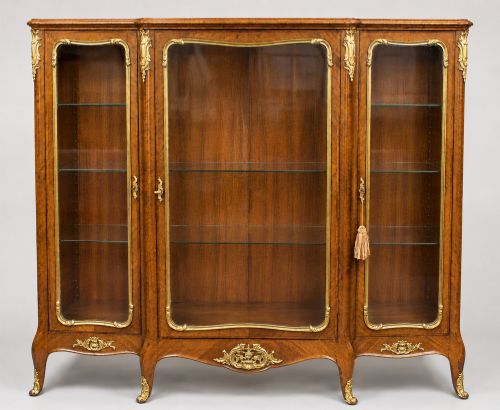
Hardware and secondary elements reveal construction depth. Gilt ormolu mounts, specialist brass locks with keys, and delicate astragal glazing bars separate ambitious cabinet making from straightforward utilitarian storage.
Some stacking barrister cases include leaded glass doors designed to protect weighty legal texts from office drafts.
Globe Wernicke·Minty
The Antique Cabinet with Glass Doors Glossary
- Astragal glazed
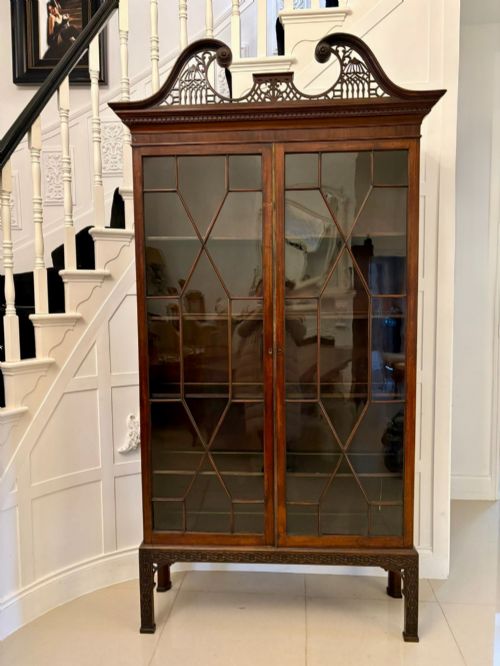
- A method where wooden or metal bars divide glass panes within a door frame. This technique creates geometric patterns typical of Georgian and Edwardian bookcases.
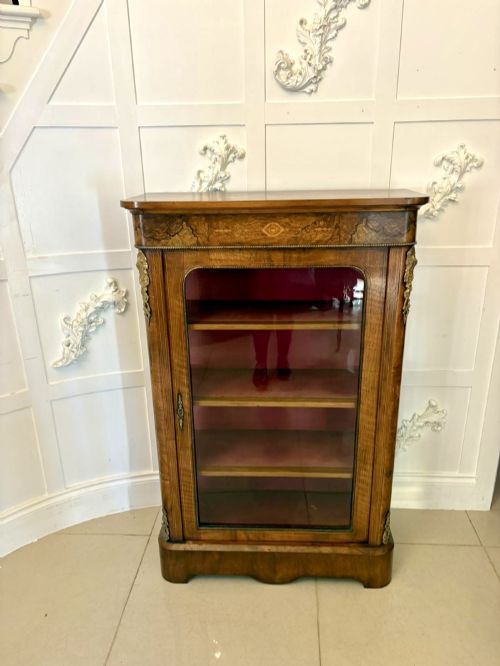
- Pier cabinet
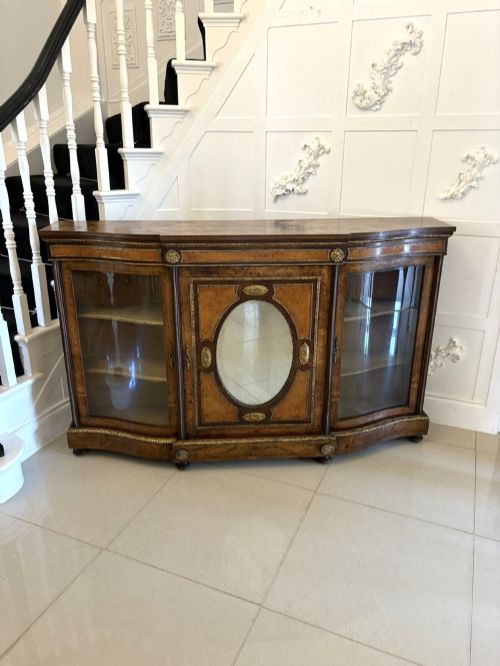
- A low freestanding cabinet designed to fit against the wall space between windows. These pieces often feature burr walnut and delicate inlay.
- Vitrine
- A glass-fronted display cabinet intended for showing porcelain and small objects. French examples frequently incorporate marble tops and ormolu mounts.
- Credenza
- A low sideboard or cabinet originating in Italy and adopted in Victorian interiors. These often combine glass doors with figured mahogany or walnut timbers.
- Barrister bookcase
- A modular stacking bookcase with glazed lifting doors. Makers like Minty and Globe Wernicke produced these for offices and libraries.
Antique Cabinet with Glass Doors: Frequently Asked Questions
What fits inside an antique cabinet with glass doors?
These cabinets suit books, ceramics, glassware and personal collections. Adjustable shelves accommodate volumes and ornaments of varying heights.
Enclosed glass protection keeps dust away while maintaining full visibility of the contents across living spaces and libraries.
How do I distinguish Edwardian from Victorian pieces?
Victorian cabinets often utilise heavy mahogany, burr walnut and dark ebonised finishes with robust carved details. Edwardian pieces tend to display lighter satinwood inlay, Sheraton Revival motifs and brighter polished surfaces.
Proportions also shift, with Edwardian workshop output leaning toward streamlined shapes and refined glazing.
Are the shelves adjustable?
Many examples include adjustable wooden or glass shelves supported by rack systems. This allows the interior configuration to adapt to larger books or tall display items.
Fixed shelving appears more frequently in older regional cupboards and specific period bookcases.
Where should I place a corner cabinet?
Corner cabinets make efficient use of unused room angles in dining rooms, studies and hallways. Their triangular footprint projects less into the main floor area than a flat-backed piece.
Matching the wood tone to existing furniture helps the cabinet integrate smoothly into the room.