
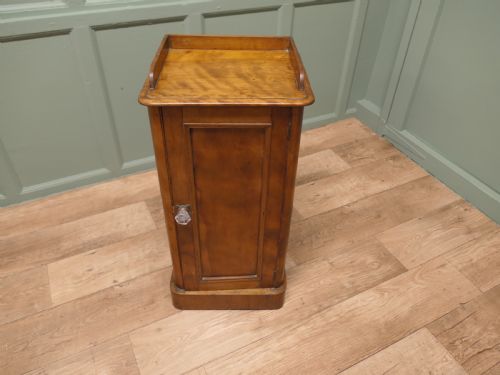
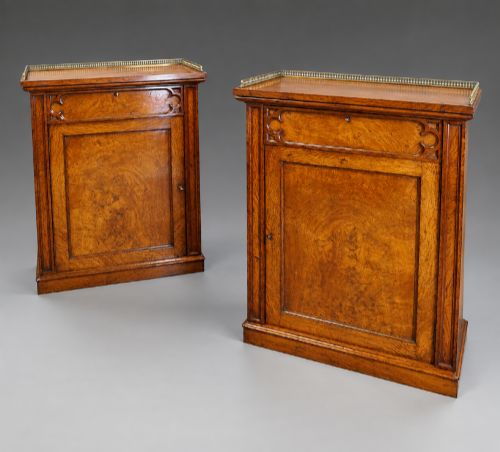
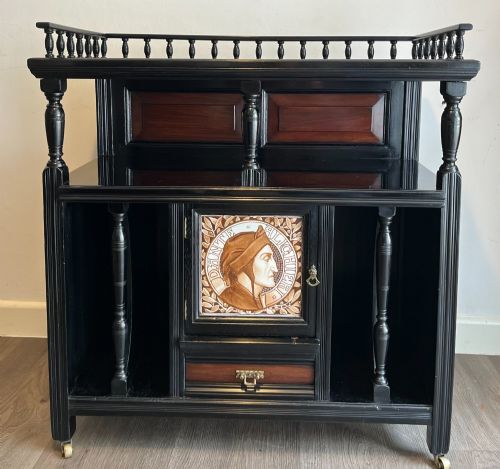
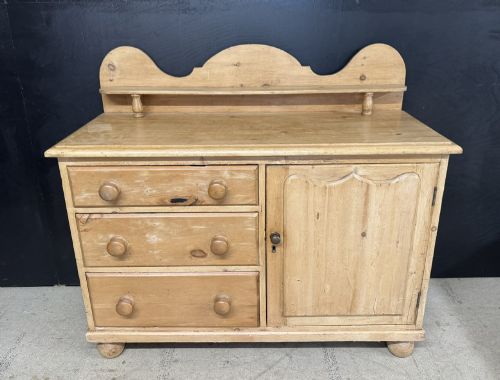
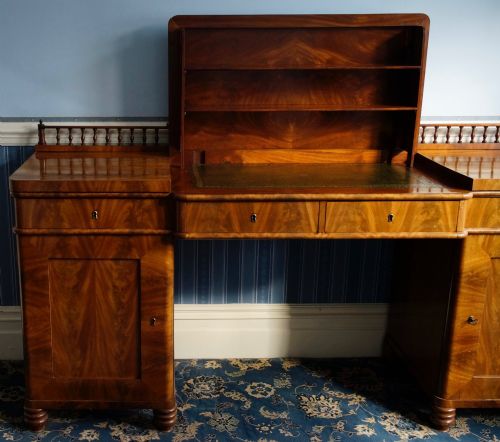
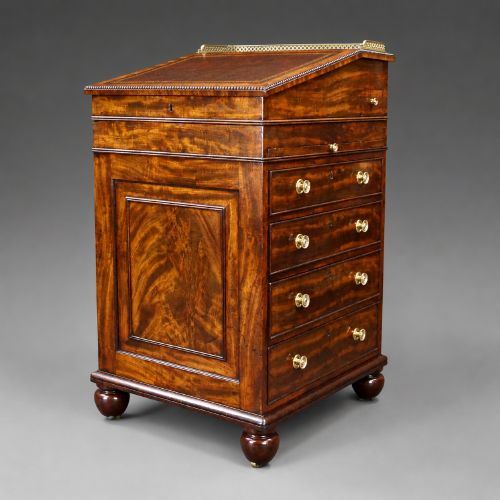
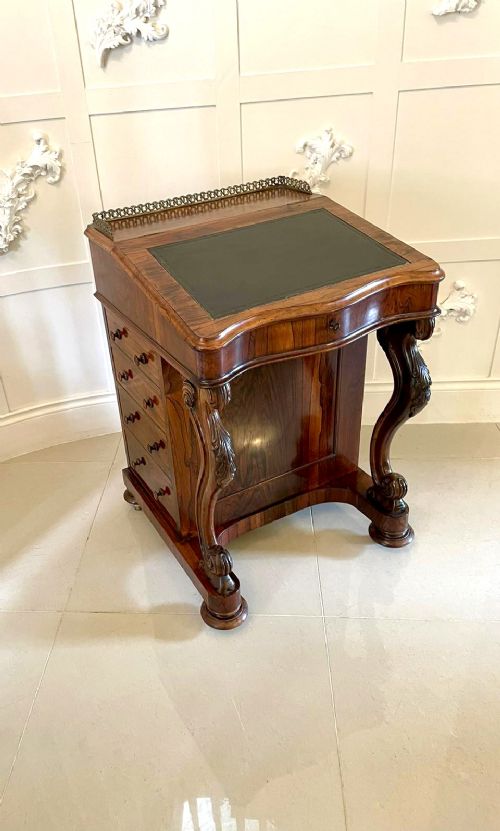


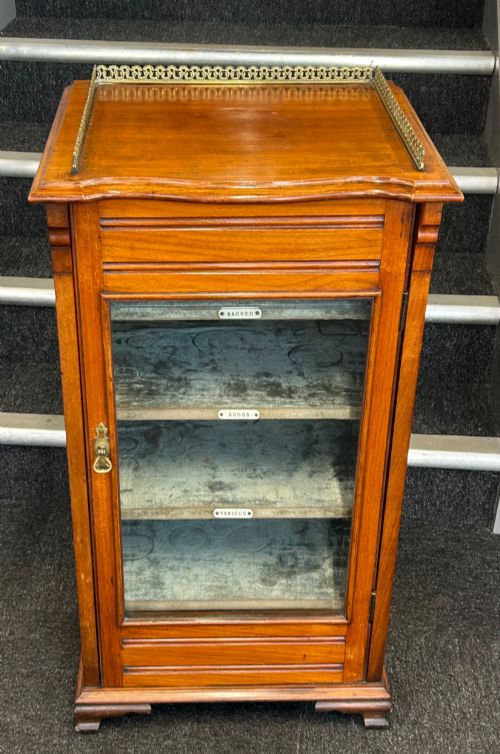
Antique Cabinet Gallery
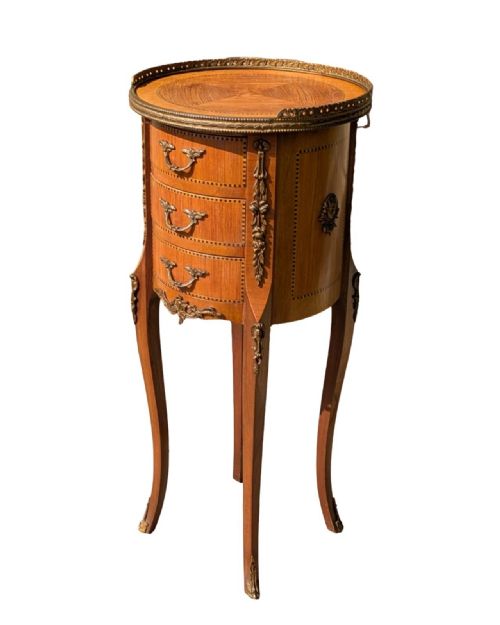
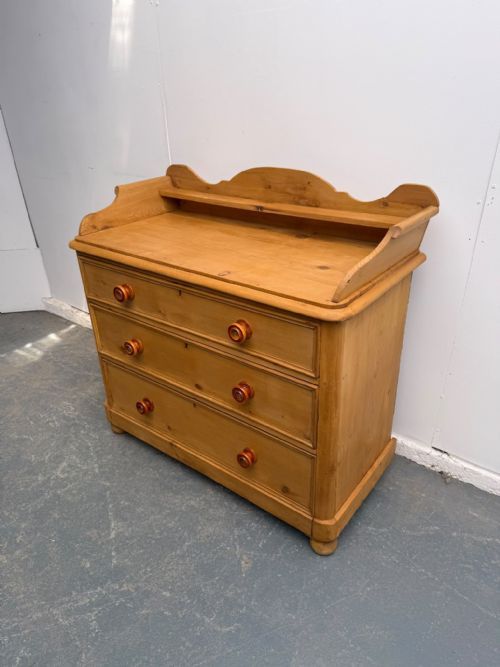
An antique cabinet gallery brings together diverse period storage pieces, offering functional display surfaces and fitted compartments for modern interiors.
Antique Cabinet Gallery
When searching an antique cabinet gallery, buyers encounter a varied selection of functional storage forms originating from the Georgian, Regency, Victorian, and Edwardian periods.
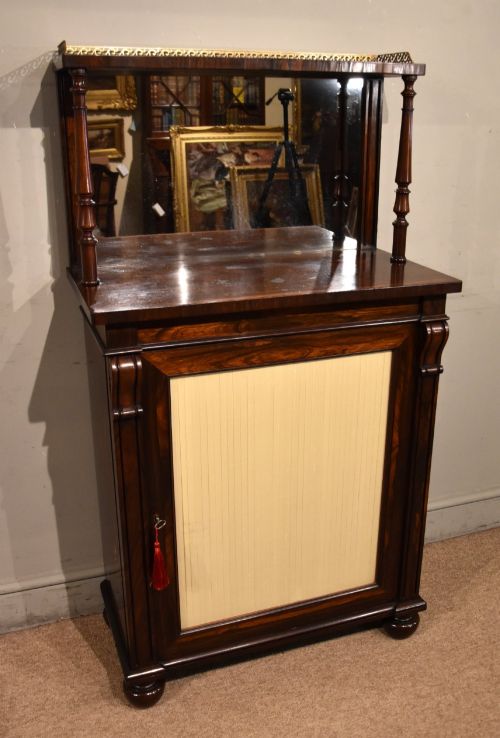
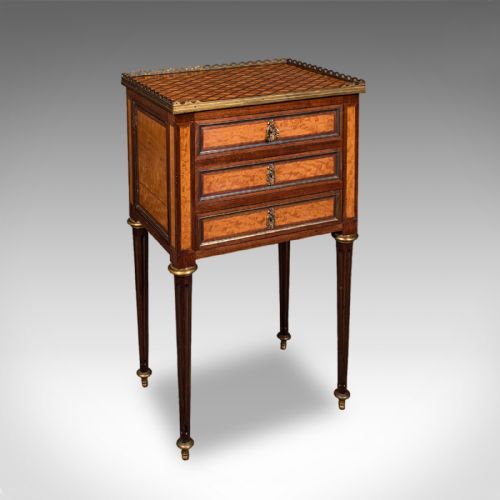
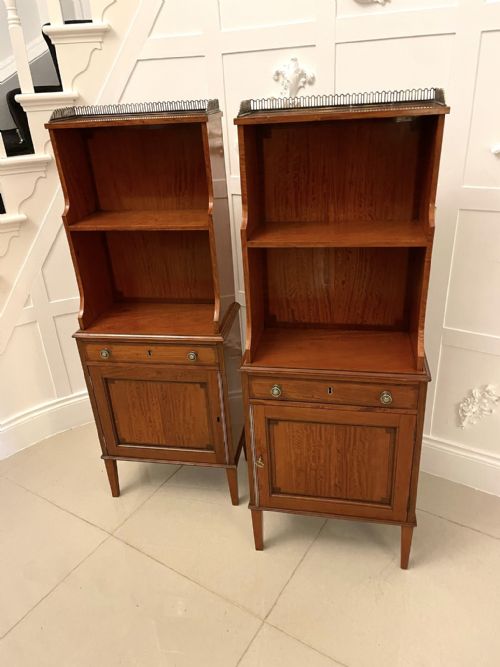
The objects span from bedside cabinets and nightstands to music cabinets, side cabinets, display cases, and sideboards.
Mahogany, rosewood, walnut, and burr walnut dominate the construction, often augmented by brass mounts, glass doors, and intricate marquetry inlay.
Materials and construction methods
Cabinet makers utilised dense hardwoods like mahogany, rosewood, and walnut as primary structures, frequently applying decorative veneers such as burr walnut, kingwood, and satinwood to primary surfaces.
Structural embellishments relied on cast brass mounts, Ormolu, and delicate inlay work, while specialised forms incorporated glass panels for display and leather inserts for writing surfaces.
Several bedside pieces include perforated internal shelves once designed to ventilate chamber pots discreetly.
Distinctions in quality
Quality rests in the selection of timber veneers, the precision of marquetry inlay, and the finesse of brass mounts or carved details.
Superior examples demonstrate refined proportions and original fitted interiors, distinguishing standard utility furniture from pieces produced by notable workshops.
Gillows
The Antique Cabinet Gallery Glossary
- Davenport
- A compact writing desk featuring a sloping top above a pedestal of drawers. This form became popular during the Regency and Victorian eras.
- Chiffonier
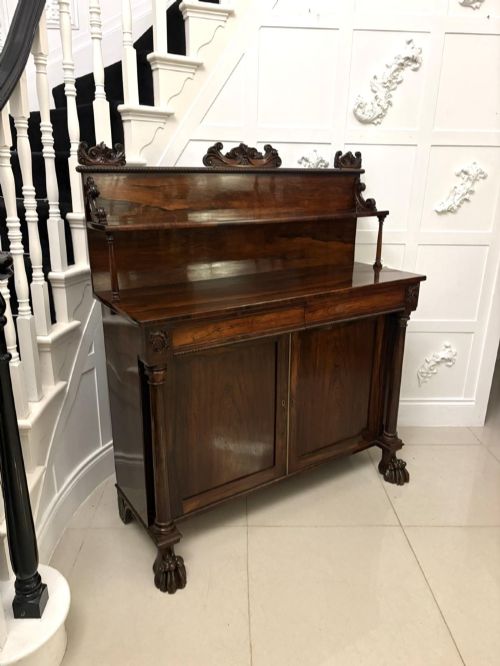
- A low sideboard or cabinet equipped with drawers and enclosed shelving below. These pieces often feature an upper tier supported by pillars.
- Pot cupboard
- A small bedside cabinet designed originally to house a chamber pot. They typically include a single door and a small drawer.
- Marquetry
- Decorative veneer work formed by fitting together small pieces of coloured wood, shell, or ivory to create pictorial designs.
- Ormolu
- Gilded bronze ornamentation applied to furniture. This technique gained prominence in French revival pieces.
Antique Cabinet Gallery: Frequently Asked Questions
What is a bedside cabinet used for?
These compact cupboards provided bedside storage for personal items in period bedrooms.
Today they function effectively as small nightstands supporting lamps and books.
How do I identify a Regency cabinet?
Regency pieces often display classical architectural lines, rosewood or mahogany timbers, and restrained brass mounts.
They reflect the early nineteenth century taste for Greco-Roman symmetry and dark polished woods.
Where were music cabinets placed?
Music cabinets stood in Victorian and Edwardian parlours to hold sheet music and scores.
Their tiered interior shelving accommodates slim folios and papers.