

Antique Bureau Dresser
An antique bureau dresser brings centuries of cabinet-making skill into a room, offering practical storage disguised in rich timber.
Antique Bureau Dresser
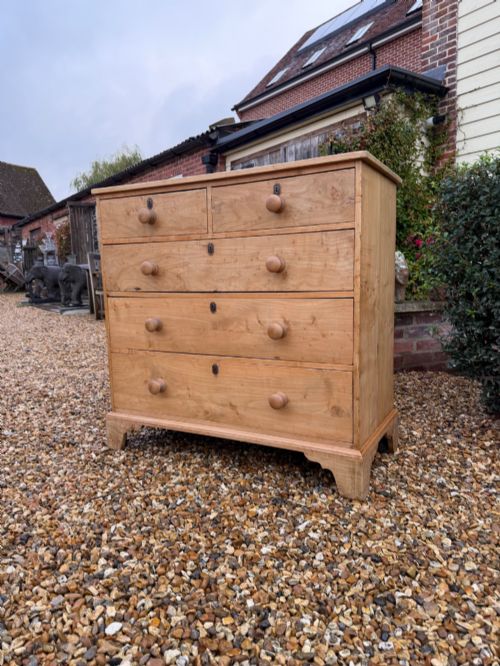
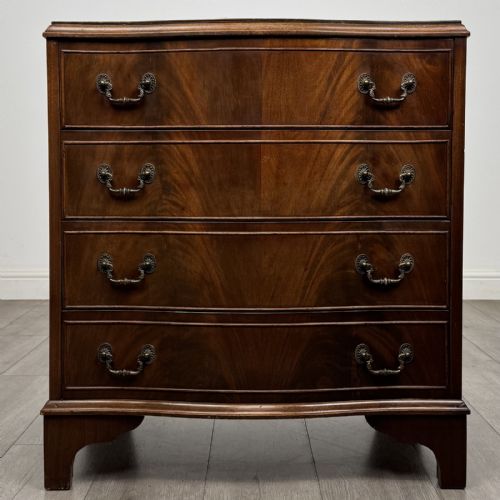
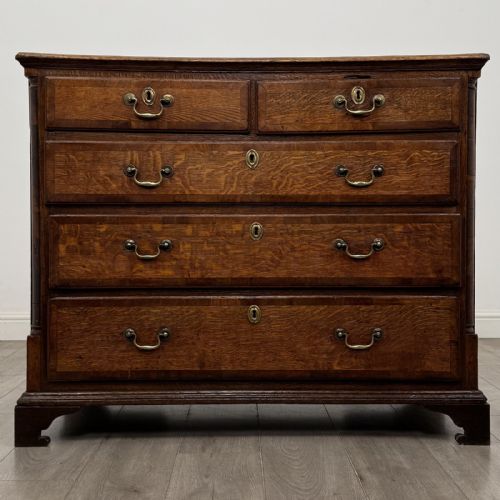
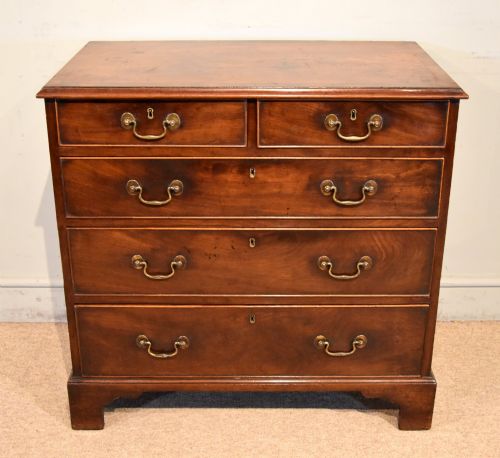
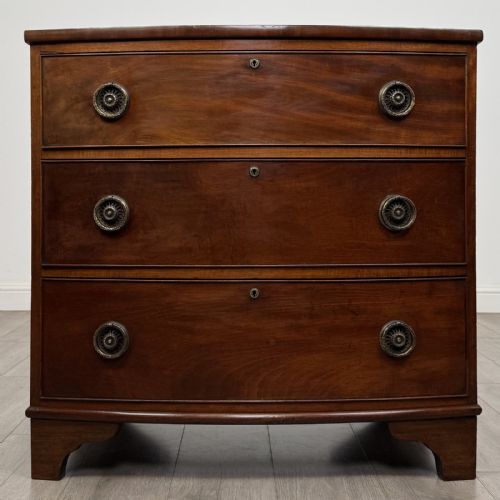
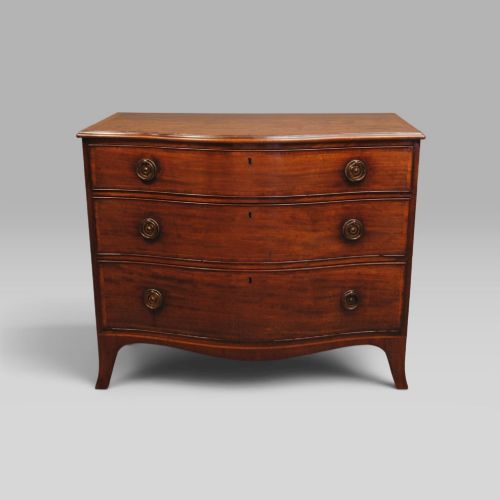
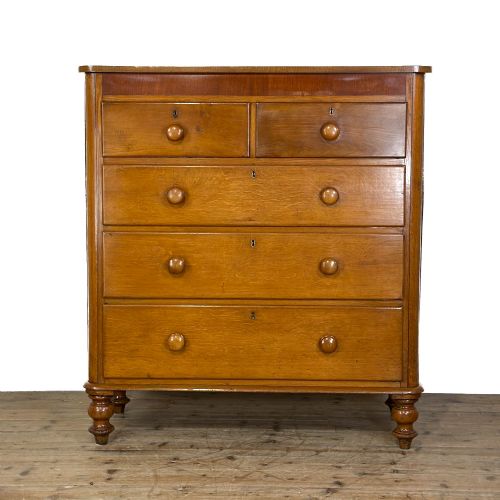
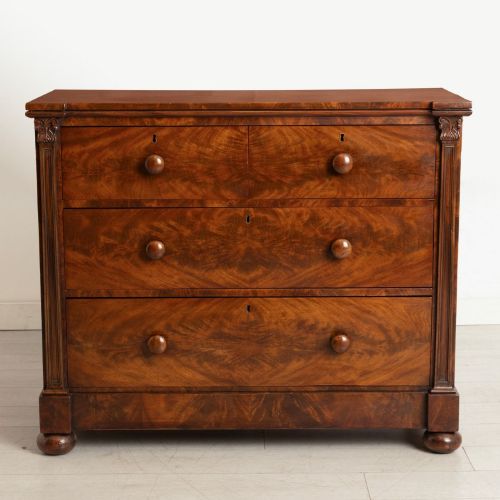
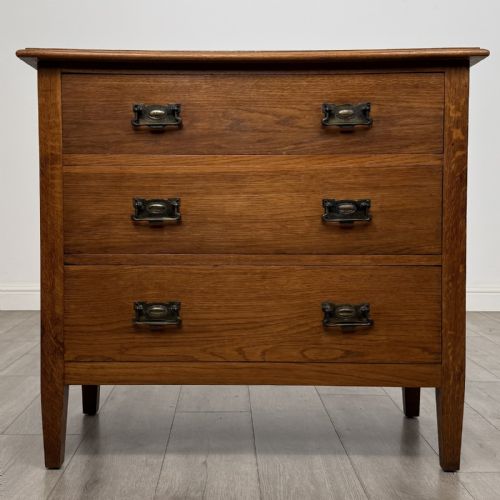
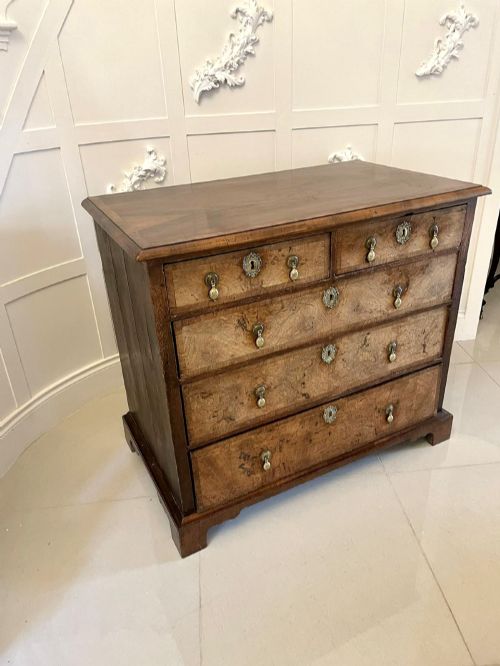
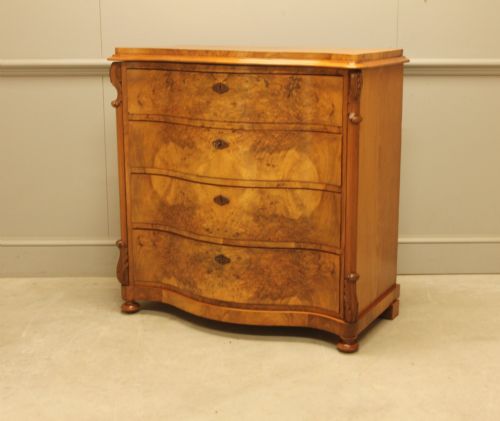
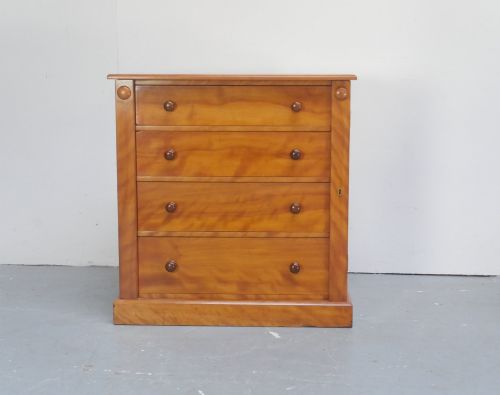
These items provide deep drawer storage configurations, occasionally featuring specialised additions like brushing slides or serpentine fronts. The assortment captures both modest country examples in pine and oak alongside formal urban pieces in figured mahogany and burr walnut veneer.
Materials and Construction
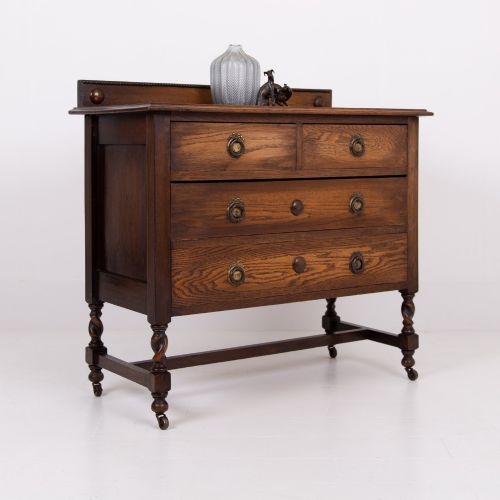
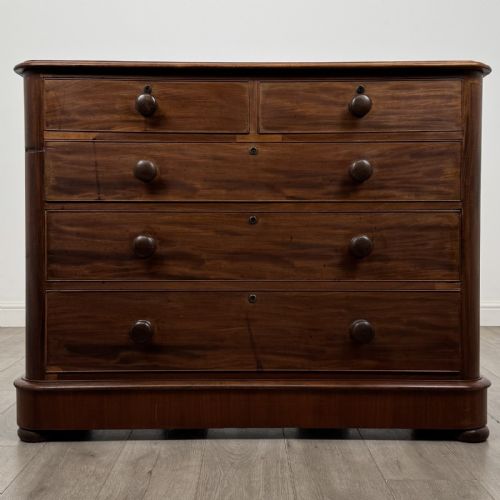
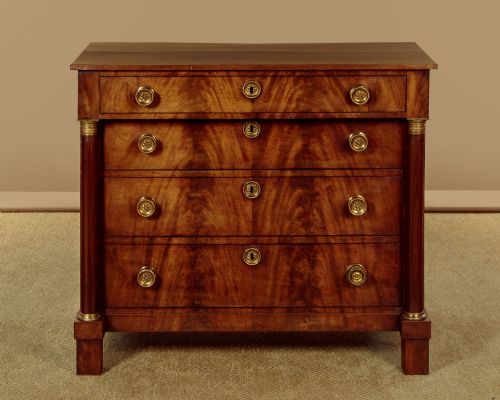
Cabinet-makers relied heavily on solid hardwoods like mahogany, oak, and walnut, frequently applying fine veneers such as flame mahogany and burr walnut to primary display surfaces. Carved details and turned legs appear across various periods, demonstrating traditional joinery methods suited to the specific timber used.
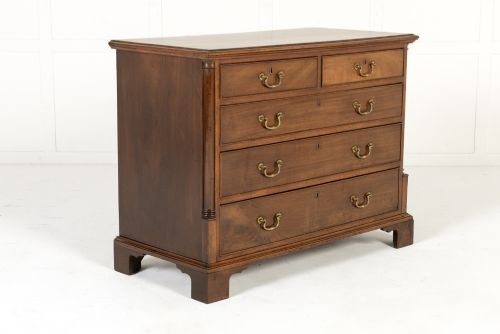
Metal hardware, particularly brass handles, complements the timber construction, while secondary softwoods like pine appear in internal drawer framing and carcases. The integration of these materials defines the structural integrity and aesthetic weight of each piece.
Some Victorian drawers conceal green man grotesque carvings, watching silently over your socks.
Assessing Quality and Execution
Quality rests upon the selection of timber, where richly figured veneers and dense solid mahogany or walnut elevate an item above plain pine or standard oak. The precision of the drawer construction and the harmony of the overall proportions distinguish superior examples from simpler utilitarian furniture.
Refinement in secondary details, such as the shaping of serpentine fronts or the inclusion of original brass handles and brushing slides, separates standard workshop output from exceptional cabinet-making.
The Antique Bureau Dresser Glossary
- Serpentine Front
- A front configuration that curves outward in the centre and inward at the sides, demanding high skill from the cabinet-maker. This profile appears frequently on fine Georgian and nineteenth-century mahogany pieces.
- Brushing Slide
- A pull-out shelf integrated above the top drawers, historically used for writing or brushing clothes. It is typically faced in matching timber.
- Burr Walnut Veneer
- A decorative wood slice taken from the knotty growths of walnut trees, displaying complex swirling grain patterns. It was favoured for high-status cabinet work during the eighteenth and nineteenth centuries.
- Flame Mahogany Veneer
- A wood veneer cut to create a flickering, flame-like pattern across drawer fronts. This technique accentuates the natural grain of polished mahogany.
- Carcase
- The main structural body or frame of a chest of drawers, excluding the removable drawers and feet. Its construction reveals the underlying joinery traditions of the period.
Antique Bureau Dresser: Frequently Asked Questions
What distinguishes a Georgian chest from a Victorian one?
Georgian pieces often display restrained classical proportions, premium mahogany or walnut timbers, and refined bracket feet or shaped aprons. They tend to prioritize subtle veneer work and architectural harmony.
Victorian items frequently utilise heavier proportions, pine carcasses with mahogany veneers, or lighter oak in Edwardian variants, occasionally incorporating bolder carved details like grotesque masks or turned legs.
How were brushing slides used historically?
Brushing slides served as pull-out wooden trays positioned just beneath the top surface or upper drawers. Owners used them as auxiliary surfaces for folding garments or writing brief notes.
They offer a practical indicator of functional design in formal bedrooms from the eighteenth and nineteenth centuries.
Are these pieces made of solid wood?
Construction methods vary by period and tier, utilising both solid timbers and applied veneers. Many pieces feature solid oak, pine, or mahogany frames, while decorative surfaces often employ burr walnut or flame mahogany veneers over secondary woods.
Internal drawer linings frequently rely on secondary softwoods like pine.