
Antique Buffet Server Table
These pieces for the phrase antique buffet server table span centuries of dining room service, offering robust timber construction and formal storage for the home.
Antique Buffet Server Table
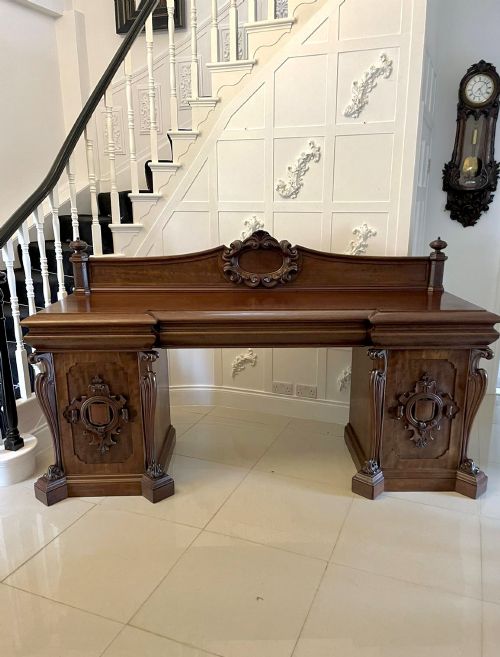
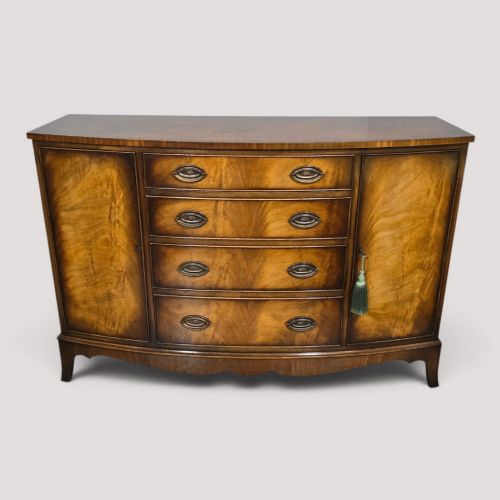
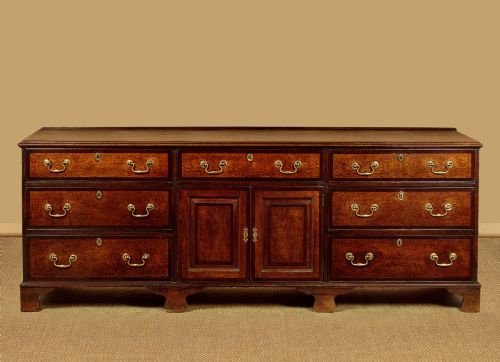
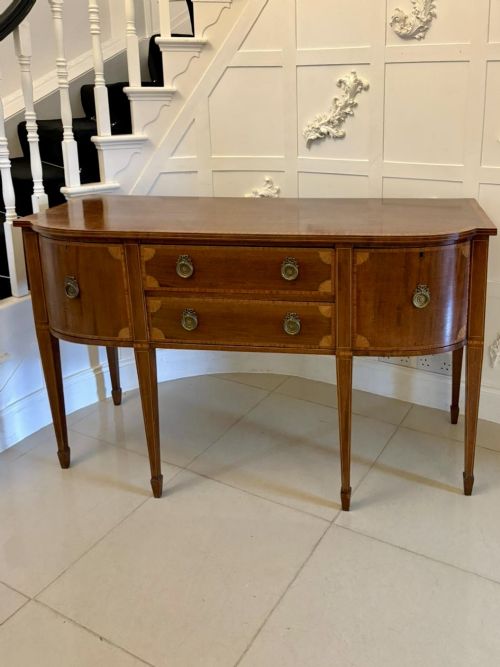
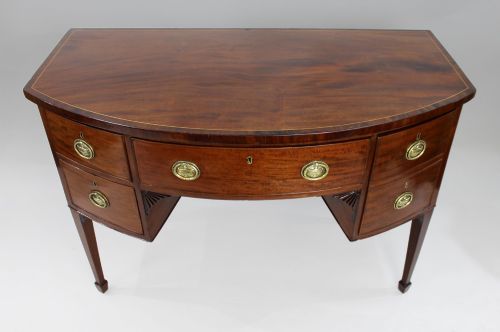
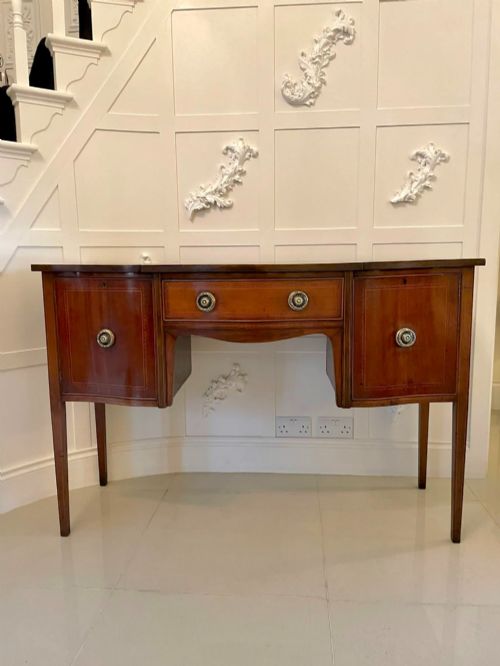
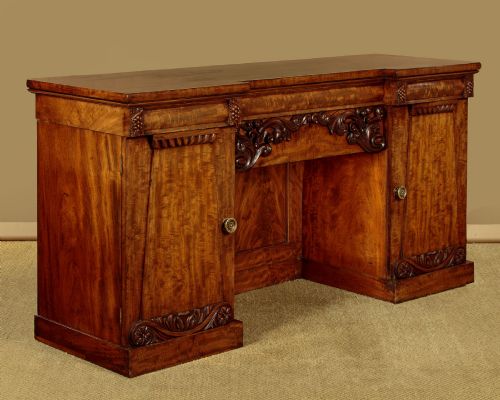
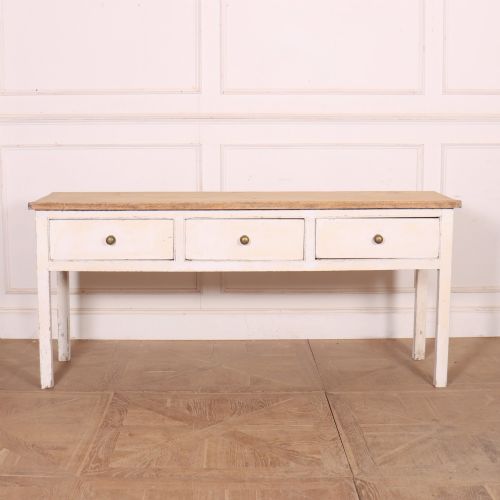
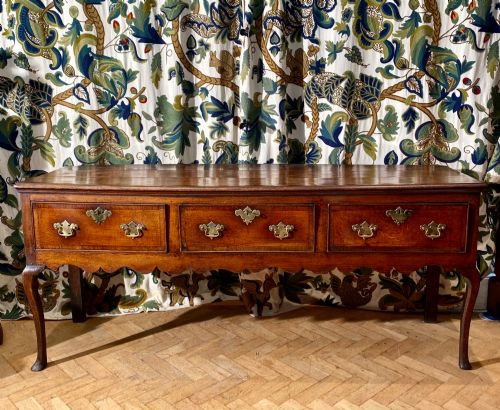
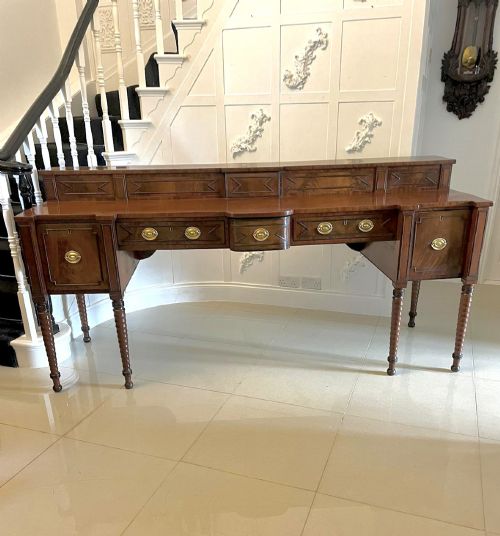
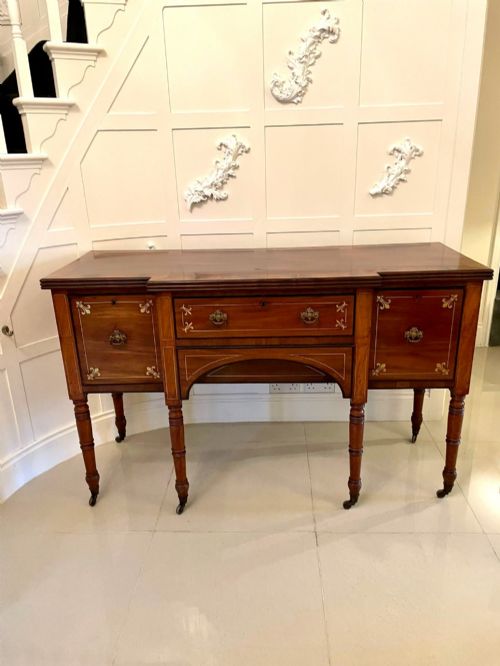
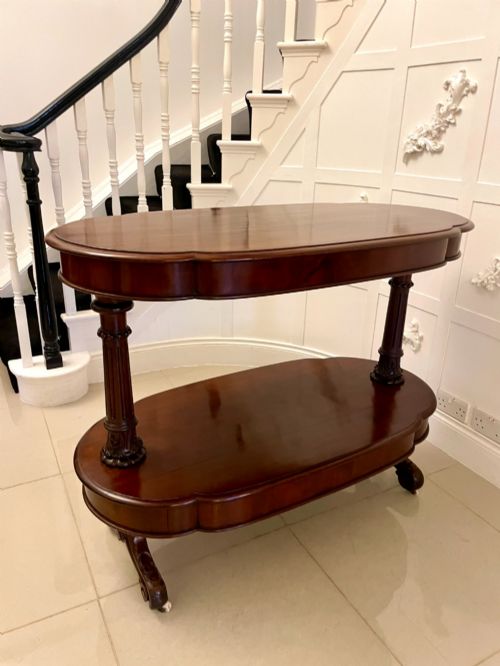
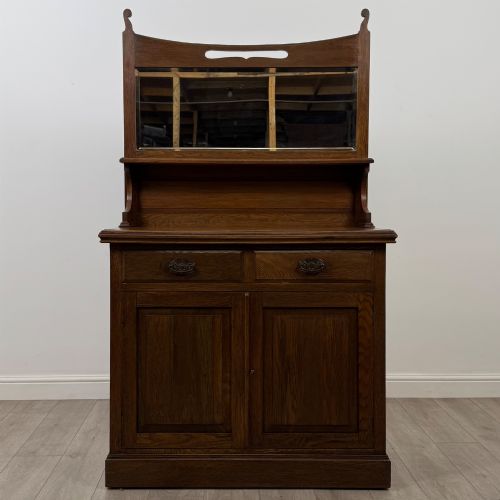
When searching for an antique buffet server table, buyers encounter a diverse group of dining furniture that includes sideboards, dresser bases, dumbwaiters, and serving tables. These objects originate across the eighteenth, nineteenth, and twentieth centuries, encompassing Georgian, Victorian, Edwardian, and Regency eras.
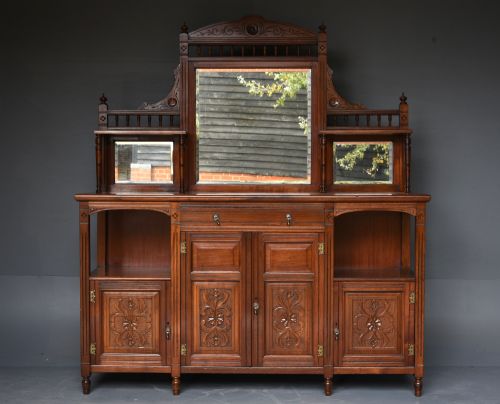
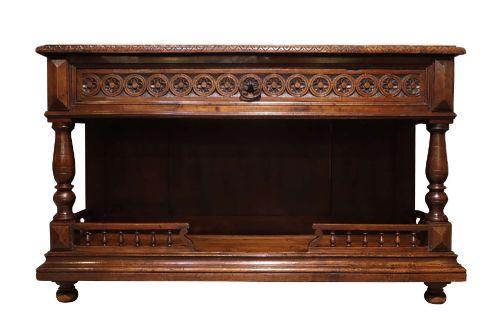
The most frequent examples on this page are mahogany sideboards and oak dresser bases, alongside tiered walnut buffet servers. Pieces range from formal breakfront designs with satinwood inlay to narrow Gothic Revival servers and three-tier rise and fall dumbwaiters.
Origins span English, French, and regional workshops, reflecting changing dining habits from formal serving stations to domestic side storage. Buyers select these items to anchor a dining room or hallway with traditional utility.
Materials and Construction
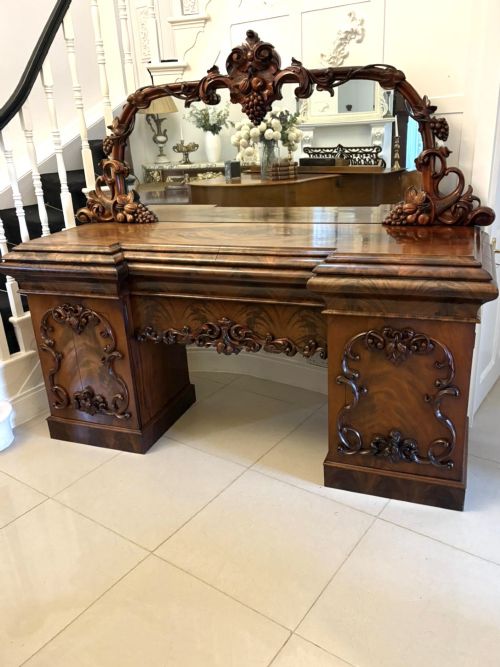
Makers relied principally on hardwoods, with solid mahogany and oak forming the structural core of most pieces. Figured mahogany, flame mahogany veneer, and burr walnut provided decorative surfaces on drawer fronts and top panels, often accented by satinwood inlay and brass hardware.
Joinery methods combined traditional frame and panel construction with dovetailed drawer boxes and turned or carved supports. Carved detailing appears across oak and walnut examples, particularly in Gothic Revival and Jacobean styles, while glass occasionally integrates into display elements.
Rise and fall dumbwaiters allowed Victorians to adjust shelf heights mechanically, proving that adjustable furniture is not a modern invention.
Gradations in Quality
Superior examples distinguish themselves through the selection of timber figures, such as matched flame mahogany veneers or richly figured burr walnut, rather than plain stock. The crispness of hand-carved ornamentation and the integration of subtle satinwood inlay separate standard utility furniture from sophisticated cabinet work.
Proportion and execution drive value, where finely balanced breakfront profiles, original brass fittings, and uncompromised structural integrity elevate a piece. Lesser items rely on heavy, plain timber without the refined detailing or architectural nuance found in top-tier work.
Maurice Adams·Eadon and Son Sheffield
The Antique Buffet Server Table Glossary
- Dumbwaiter
- A multi-tiered serving table designed to hold dishes or drinks without the need for constant servant attendance during meals. These items often feature rotating or graduated shelves supported by a central column.
- Breakfront
- A cabinet or sideboard whose central section projects forward from the flanking outer sections. This architectural arrangement creates depth and visual interest in formal dining room furniture.
- Dresser base
- A lower storage unit featuring drawers and cupboards, originating from traditional kitchen and dining spaces. These pieces provide substantial surface space and concealed storage beneath.
- Serpentine
- A furniture front curved in a gentle wave shape, convex at the centre and concave at the ends. This profile requires high woodworking skill to execute cleanly across drawer fronts.
- Satinwood
- A durable, yellowish tropical hardwood utilised for contrasting stringing, banding, and inlay work on mahogany and walnut furniture. It adds bright decorative detail to darker primary timbers.
Antique Buffet Server Table: Frequently Asked Questions
How were buffet servers used historically?
Historically, these tables stood in dining rooms to hold dishes, glassware, and silver before and during meals. Tiered versions allowed diners to access extra plates or courses independently.
Larger sideboards and dresser bases provided enclosed cupboard space for linen and cutlery, keeping the dining table clear for guests.
How do I identify a Georgian buffet?
Georgian pieces typically feature mahogany construction, clean classical proportions, and restrained decorative elements such as satinwood inlay or brass handles. Look for serpentine or bow-front profiles.
Cabinet work from this period prioritises symmetry and refined timber selection over heavy carving.
Where should I place a server table?
These tables fit naturally against dining room walls to serve as functional serving stations during meals. They also work effectively in hallways or living areas as display surfaces and storage units.
Due to variations in depth and proportion, measure the available wall space carefully to accommodate breakfront or tiered designs.