


Antique Buddhist Art
These pieces of antique buddhist art span centuries of devotion, offering tangible connections to diverse regional traditions through sculpture, painting and manuscript.
Antique Buddhist Art
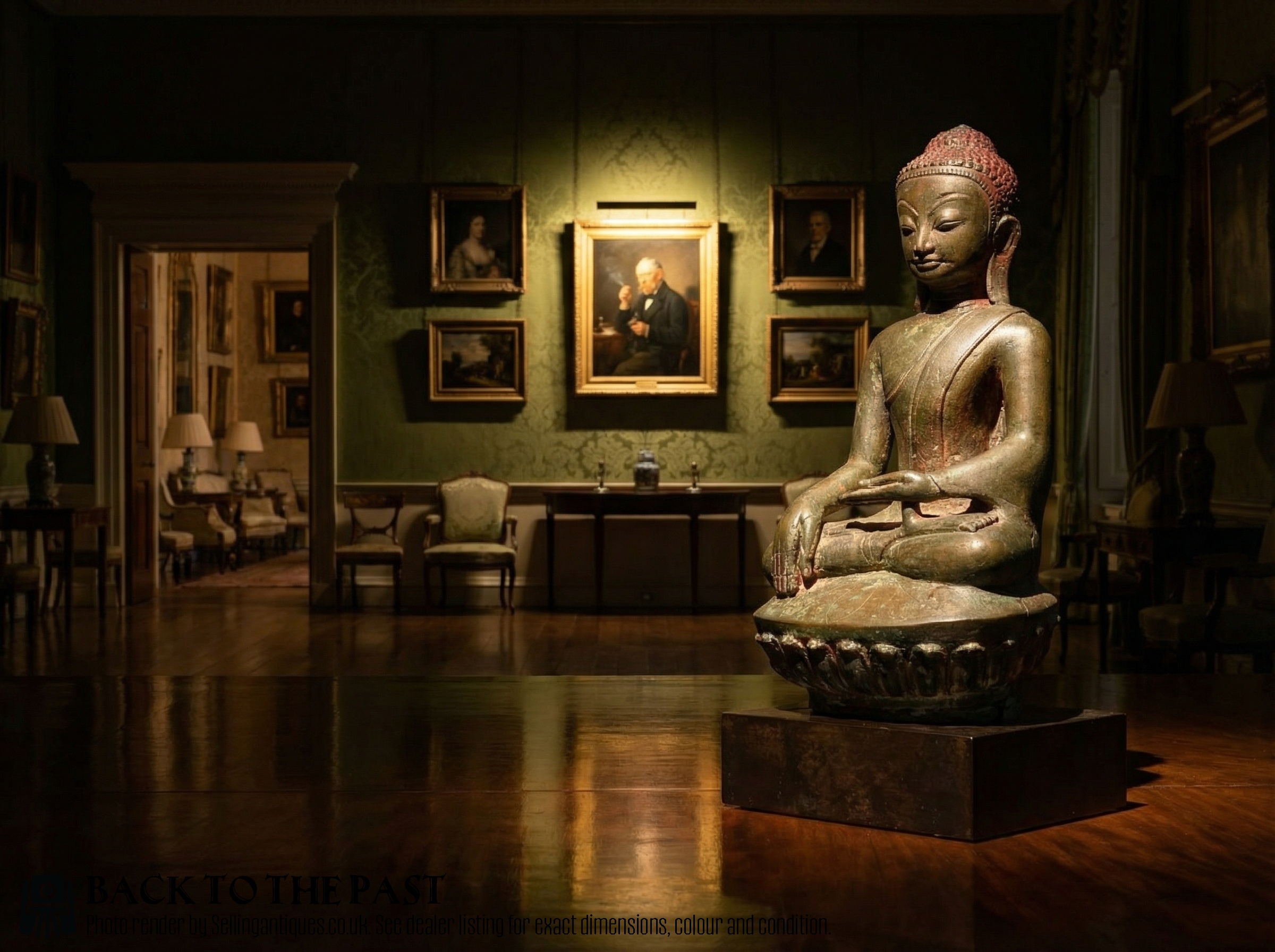
When searching for antique buddhist art, collectors encounter a diverse array of physical forms reflecting the wide geography of Buddhist traditions. The selection includes cast metal statuary, carved wooden figures, framed thangkas, scroll paintings and manuscript pages.
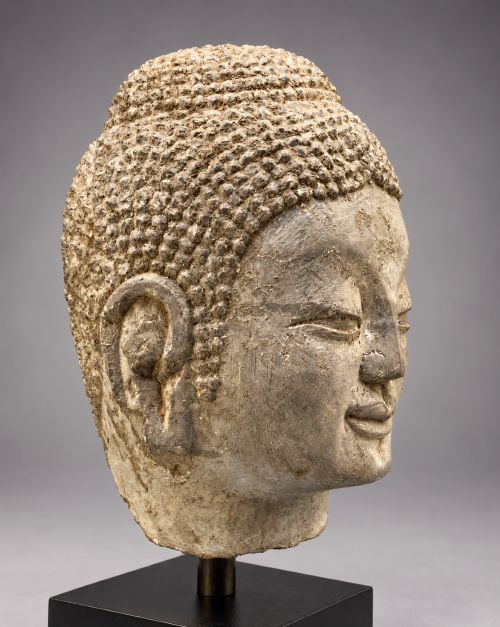
Pieces originate from various regions such as Tibet, China, Japan, Burma, Thailand and Java. Dating spans from pre-sixteenth century stone fragments to early twentieth-century porcelain figurines and gilt-wood statues.
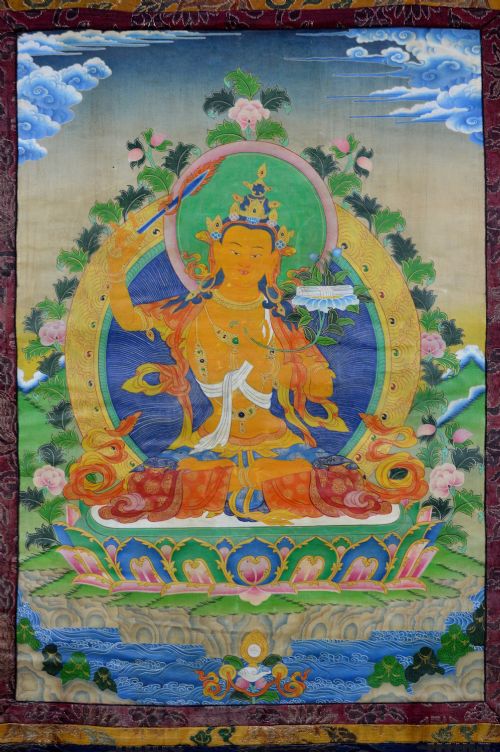
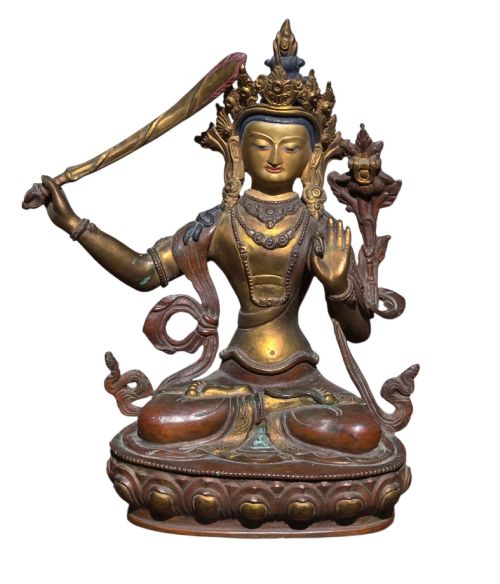
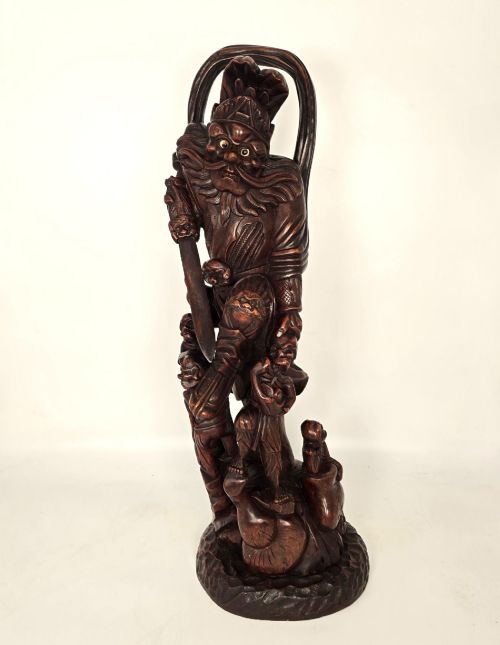
Sculptural figures represent Buddhas, Bodhisattvas, deities like Manjushri and Tara, along with guardian figures and immortals. Wall art and panel paintings depict sacred figures and cosmological subjects using traditional mineral pigments.
Materials and construction
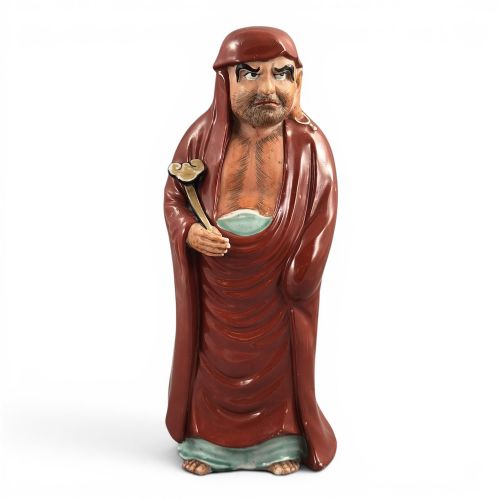
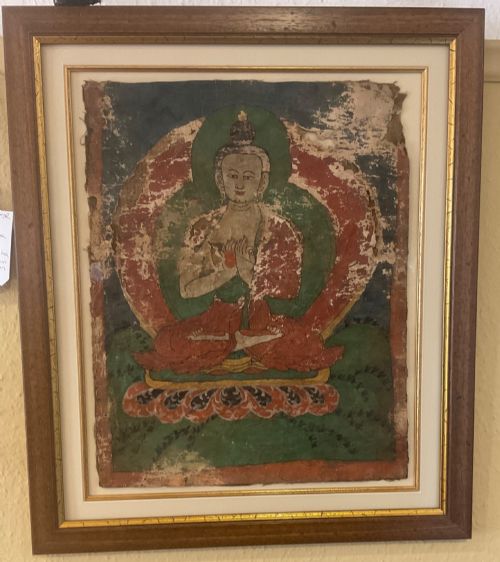
Paintings and thangkas employ mineral pigments and gold upon prepared cotton or mulberry paper manuscripts. Porcelain figures from Japanese kilns demonstrate detailed moulding finished with coloured enamel glazes and gilding.
Several depictions of Daruma appear across the selections, reminding observers of the legendary monk who meditated so long his legs fell off.
Craftsmanship and preservation
Quality rests in the precision of the carving or casting, particularly in the expression of the face and the definition of the hands and mudras. Superior examples retain original surface treatments, such as genuine gold leaf, polychrome pigment and aged patina on wood or bone.
The sophistication of regional stylistic execution distinguishes masterworks from standard village or commercial pieces. Intact structural integrity and the survival of delicate painted details elevate the standing of paintings and manuscripts.
The Antique Buddhist Art Glossary
- Mudra
- A symbolic hand gesture used in Buddhist iconography to convey specific teachings or states of mind. Different gestures identify particular Buddhas and their associated attributes.
- Thangka
- A Tibetan Buddhist painting on cotton or silk appliqué, usually depicting a deity, scene or mandala. These works are traditionally framed in silk brocade.
- Bodhisattva
- An enlightened being who defers nirvana to help others achieve salvation. Figures such as Manjushri and Avalokiteshvara are common subjects in sculpture and painting.
- Okimono
- A Japanese ornamental figurine intended for display in an interior setting. These porcelain or ceramic figures often portray monks, deities or cultural archetypes.
- Polychrome
- Decorated in multiple colours. This term describes statues and carvings retaining traces of their original painted surface layers.
Antique Buddhist Art: Frequently Asked Questions
How do I identify a bronze Buddha?
Examine the casting method, the proportions of the body and the specific hand gestures or mudras displayed. Regional styles from Tibet, Burma, Thailand or China exhibit distinct facial structures and crown designs.
Look closely at the metal composition and the presence of residual gilding or pigment to understand the age and workshop origin.
What is a thangka painting?
A thangka is a traditional Tibetan scroll painting executed with mineral pigments on cotton canvas. They serve as teaching tools, meditation aids and objects of devotion.
These works typically portray central deities surrounded by smaller lineage figures within intricate cosmological landscapes.
How should I care for wooden statues?
Keep wooden and polychromed sculptures away from direct sunlight and dramatic fluctuations in temperature or humidity. Stable indoor environments prevent the wood from splitting and protect fragile painted surfaces.
Dust gently with a soft, dry brush and avoid applying chemical polishes or modern cleaning agents to antique finishes.
How are different periods told apart?
Dating relies upon stylistic markers, regional carving conventions, metallurgical techniques and material degradation. Earlier pieces often display greater sculptural weight and worn, natural surfaces.
Comparative study of known temple statuary, manuscripts and porcelain kilns helps narrow the decade or century of production.