


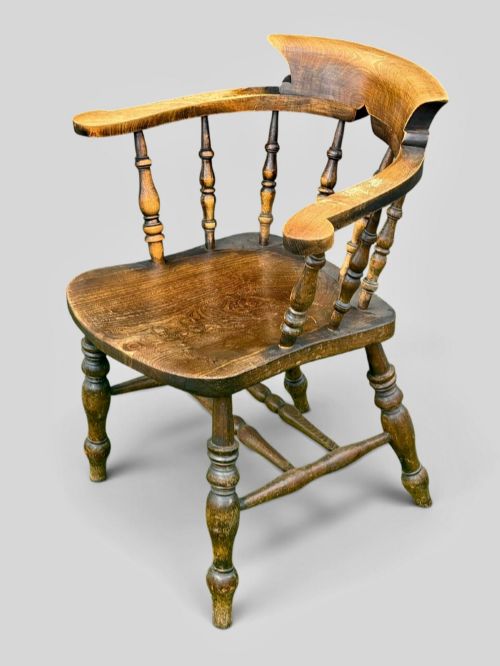
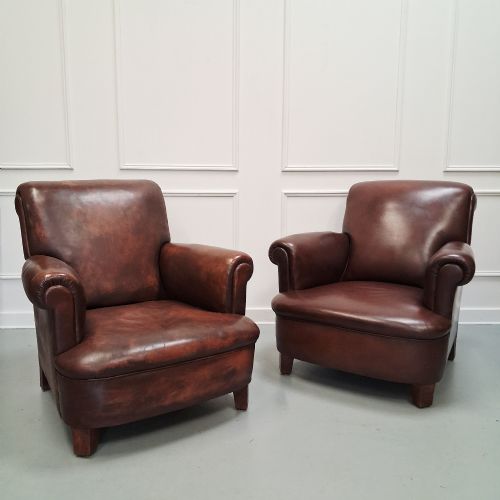
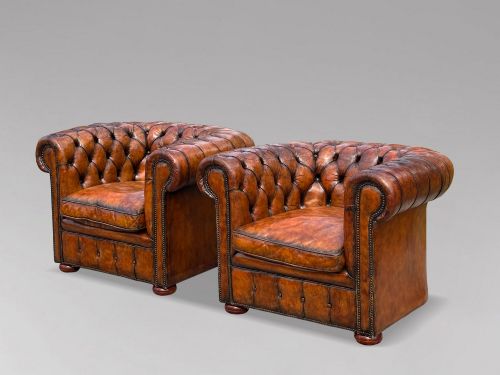
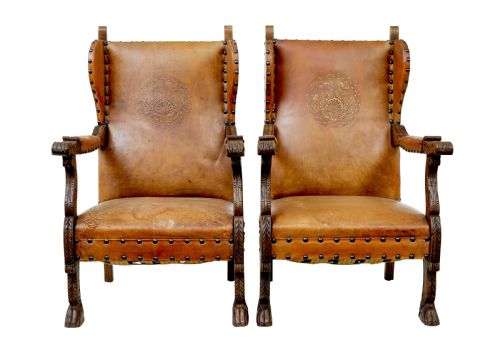
Antique Brown Club Armchair
An antique brown club armchair offers deep, low seating and robust leather upholstery built for comfort.
Antique Brown Club Armchair
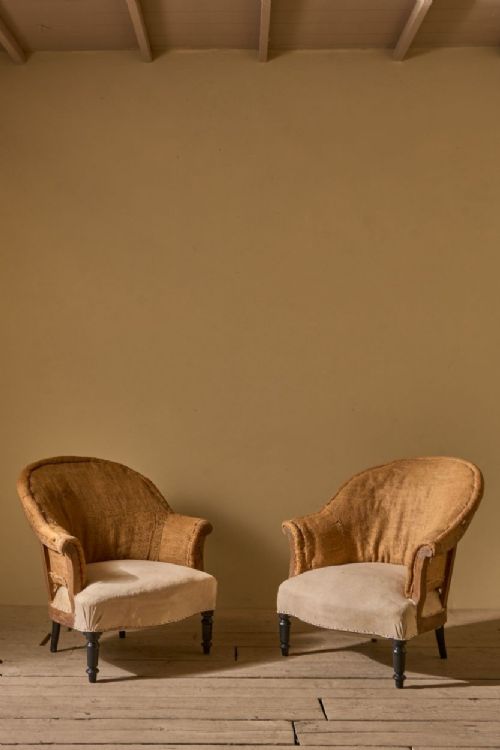
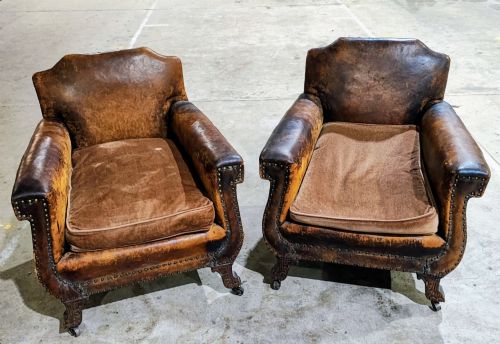
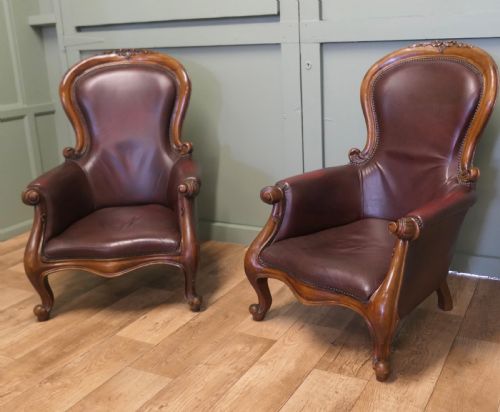
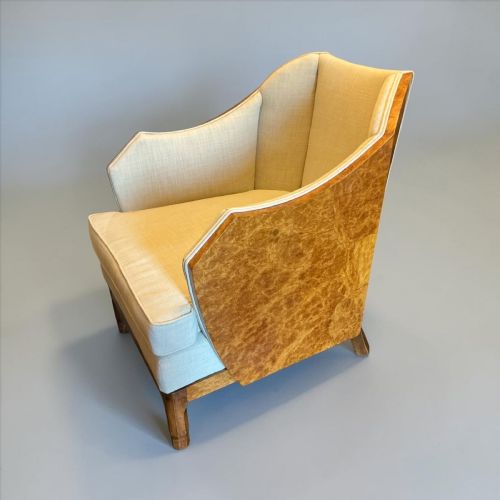
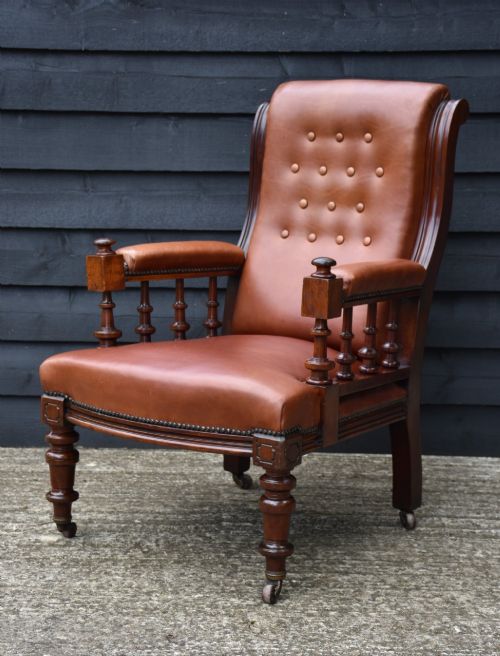
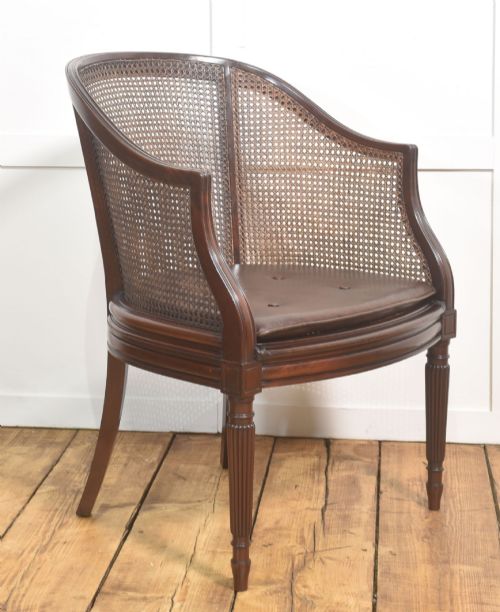
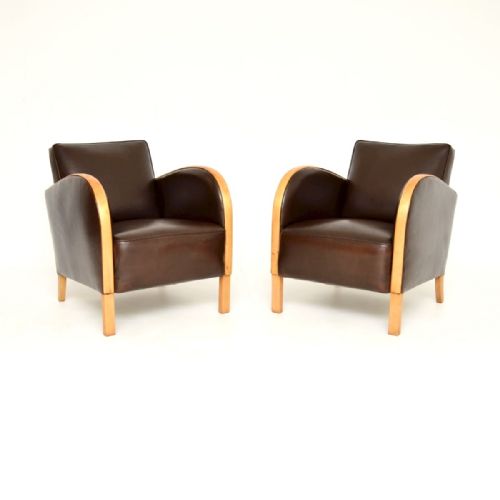
An antique brown club armchair is a sturdy, low-slung seat designed for heavy daily use, appearing across the nineteenth century and into the twentieth century in various iterations. The forms on this page span heavy Victorian library chairs, Edwardian tub chairs, and French Art Deco designs from the 1930s.
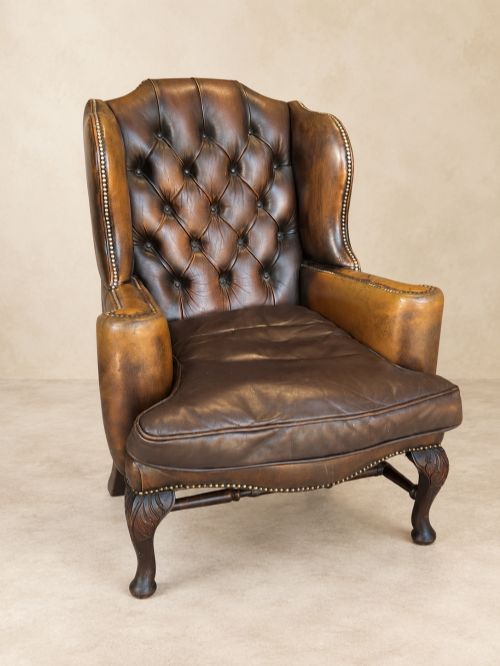
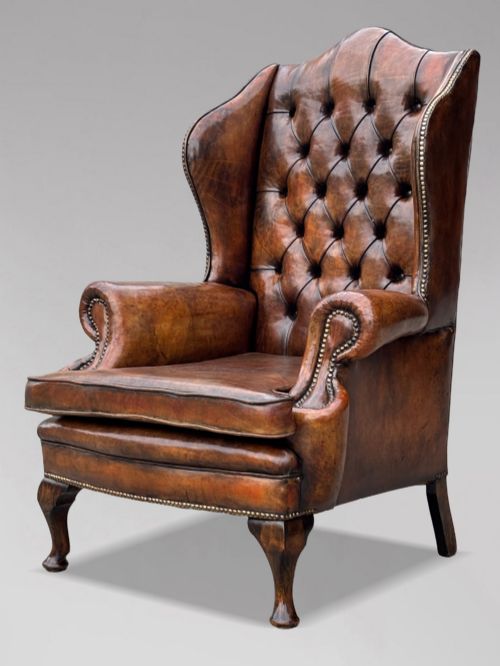
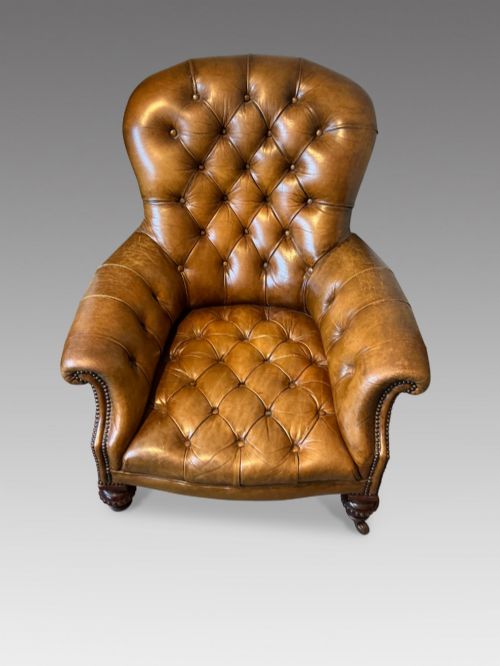
Buyers will encounter substantial wingback styles, buttoned Chesterfield models, and open armchairs upholstered in deep brown leather. Many pieces arrive as pairs, reflecting their original domestic or office settings.
Materials and Construction Methods
Frames rely on solid timbers such as mahogany, oak, beech, elm, and walnut, providing a rigid structural skeleton beneath the upholstery. Joinery is typically traditional and heavy-duty to support the substantial weight of the seat.
Upholstery combines durable brown leather or calf suede with brass elements and internal padding, held in place by careful hand-tacking or deep buttoning.
Listings feature oak, mahogany, walnut, and beech frames paired with leather, brass, and cane.
Distinctions in Quality and Craftsmanship
The grading of an armchair depends heavily on the integrity of the timber frame and the depth of the wood carving or grain visibility. Walnut and mahogany frames with clean joinery sit higher in the range than utility pieces.
Leather quality dictates the tactile finish, with supple, well-preserved patinated hides commanding more attention than dry or overly restored surfaces. The precision of the buttoning and the rigidity of the springs define the underlying construction standard.
The Antique Brown Club Armchair Glossary
- Chesterfield
- A style of upholstered seating characterised by deep buttoning and rolled arms of equal height. This form provides a traditional silhouette common in libraries and offices.
- Tub chair
- An armchair featuring a rounded, enclosed back that curves continuously into low arms. This shape offers a compact and enveloping sit.
- Wingback
- A high-backed chair with projecting side panels designed to shield the sitter from draughts. The wings extend from the upholstery down to the armrests.
- Buttoning
- A traditional upholstery technique where tufts are pulled tight and secured with buttons to create a diamond pattern. This method holds internal stuffing firmly in place.
- Patina
- The surface sheen and colour depth developed by leather and wood through age and handling. A rich patina indicates long-term use and care.
Antique Brown Club Armchair: Frequently Asked Questions
How do I care for antique leather?
Keep leather chairs away from direct sunlight and heat sources to prevent the hide from drying out. Apply a suitable leather conditioner periodically to maintain flexibility and protect the surface.
Avoid using harsh chemical cleaners, relying instead on a soft, dry cloth for regular dust removal.
Were these chairs used in offices?
Many examples on this page originated as library or office desk seating during the Victorian period. Their sturdy frames and supportive leather upholstery made them suitable for long hours of reading or writing.
Pairs frequently turned up in executive offices and gentleman's clubs before entering the domestic market.
How can I tell a Victorian chair from a 1930s piece?
Victorian models typically display carved mahogany or oak frames, often featuring buttoned backs, brass studs, and traditional wingback or library forms. They lean towards heavy, ornate woodwork and formal silhouettes.
Conversely, 1930s Art Deco chairs from France utilise cleaner, more rounded lines with walnut, satin birch, or smooth leather finishes designed for modern lounging.
Are these armchairs comfortable for daily sitting?
These seats were engineered for deep relaxation, featuring generous proportions and heavy padding. The low centre of gravity and supportive armrests make them practical for everyday use in a living room.
Condition varies depending on the internal springing, so checking the firmness of the seat base helps determine daily usability.