


Antique Bronzes Art
These antique bronzes art pieces bring together nineteenth-century and early twentieth-century metalwork, decorative figures, and lighting for display.
Antique Bronzes Art
When you search for antique bronzes art, you encounter sculptural works, domestic objects, and light fittings spanning the nineteenth and early twentieth centuries. The selection encompasses figurative bronzes, architectural elements, and Asian metalwork.
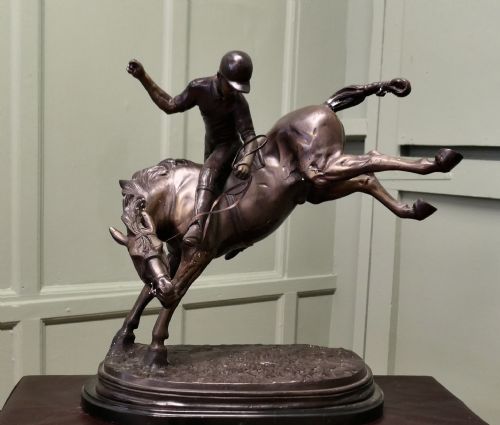
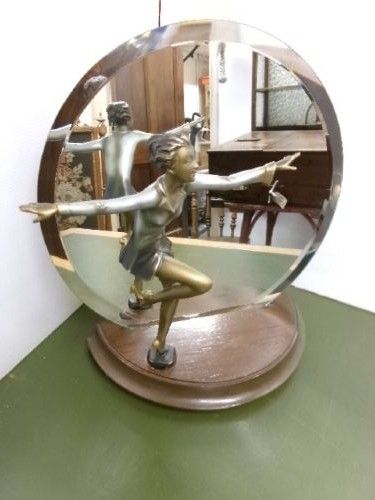
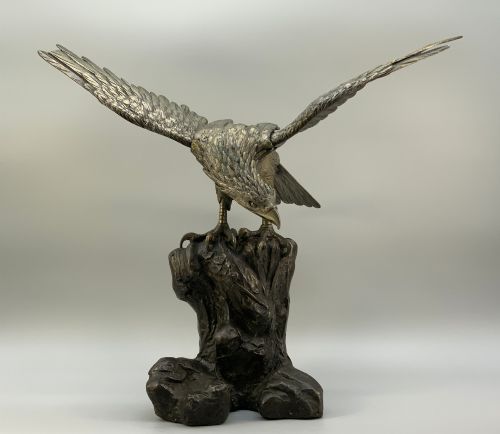
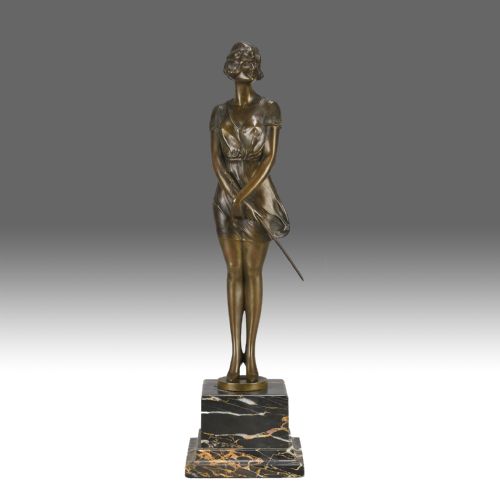
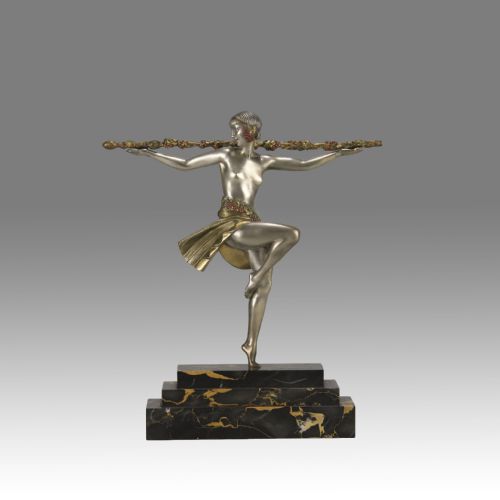
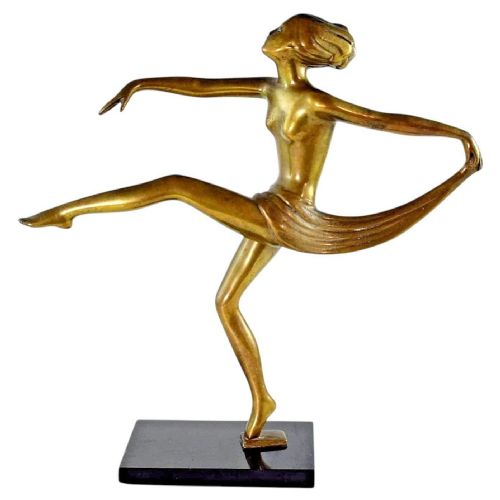
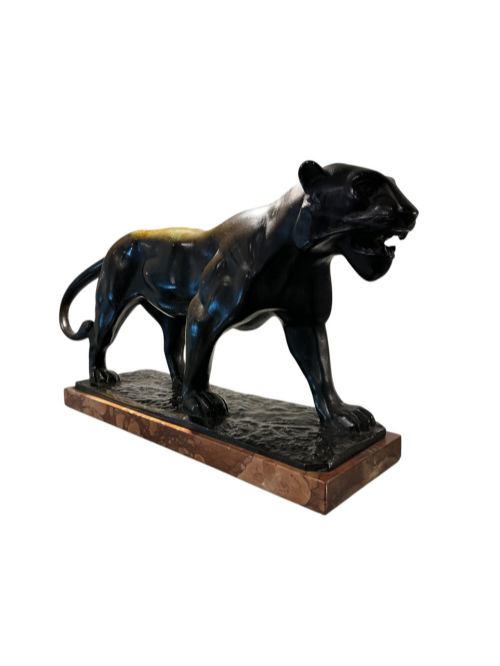
You are most likely to meet Art Deco and Art Nouveau figurative studies, alongside Japanese Meiji period patinated bronzes and Chinese ritual vessels. These forms range from dancers and animal sculptures to desk accessories and hanging lanterns.
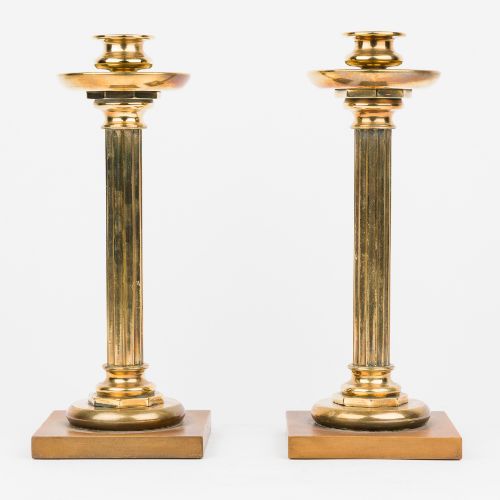
The objects cross multiple aesthetic movements, including Regency, Victorian, and early twentieth-century modernist designs. Many pieces incorporate functional elements such as marble bases, glass shades, or clock mounts.
How they were made
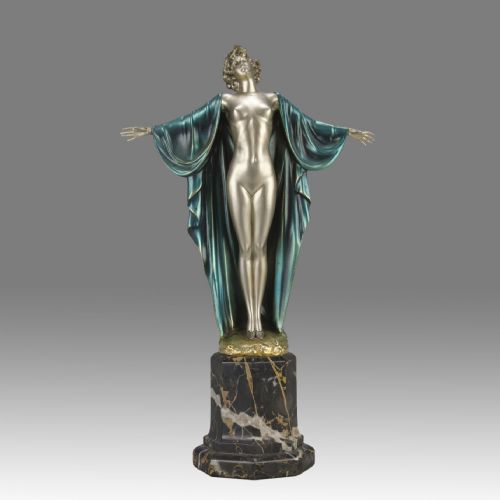
Many of these works utilise cast bronze, sometimes paired with gilt bronze, brass, or painted finishes known as cold painting. Artisans frequently mounted these metal components onto marble, onyx, or slate bases.
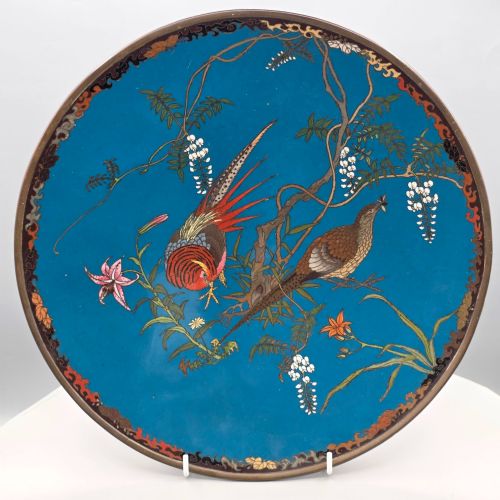
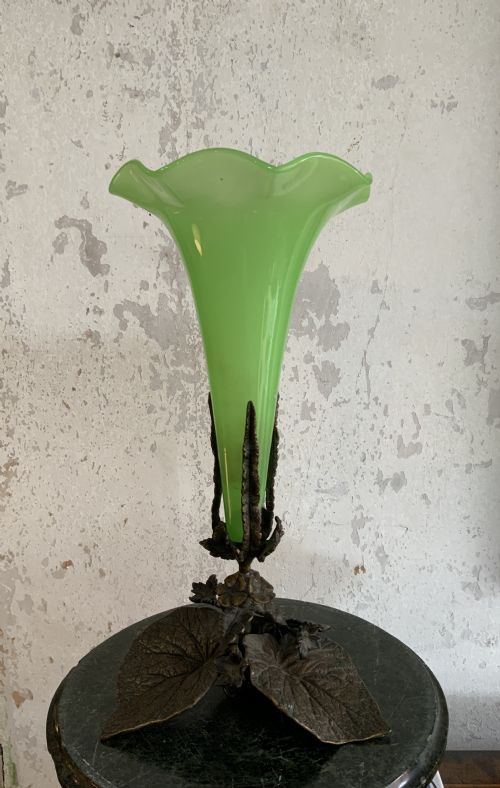
Decorative lighting and vessels combine metal casting with uranium glass, frosted glass, or enamel work. The manufacturing methods blend traditional foundry casting with period decorative arts techniques.
The listings span the Victorian era through the Art Deco period, incorporating marble, onyx, and glass.
What varies in quality
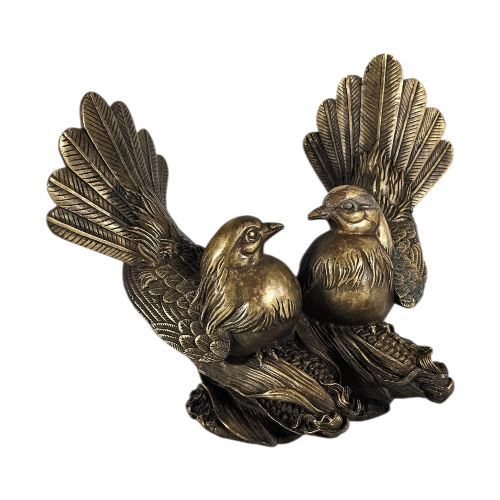
The standard of a piece depends on the crispness of the casting detail and the subtlety of the patination or cold-painted surface. Finer examples retain delicate facial expressions, feather textures, and clothing folds without smoothing from worn moulds.
The quality of the secondary materials alters the overall balance of an object. Dense black marble bases, heavy cast mounts, and undamaged glass shades distinguish the more ambitious works from standard production pieces.
Bruno Zach·Pierre le Faguays·Ferdinand Preiss·Josef Lorenzl·August Moreau·Hans Müller
The Antique Bronzes Art Glossary
- Cold painted
- A technique where non-fired paint is applied directly to the surface of a bronze casting. This finish requires careful preservation to prevent flaking over time.
- Patinated bronze
- Metal treated with chemicals to produce a specific surface colour or aged appearance. The resulting tone protects the underlying bronze while defining the sculptural contours.
- Gilt bronze
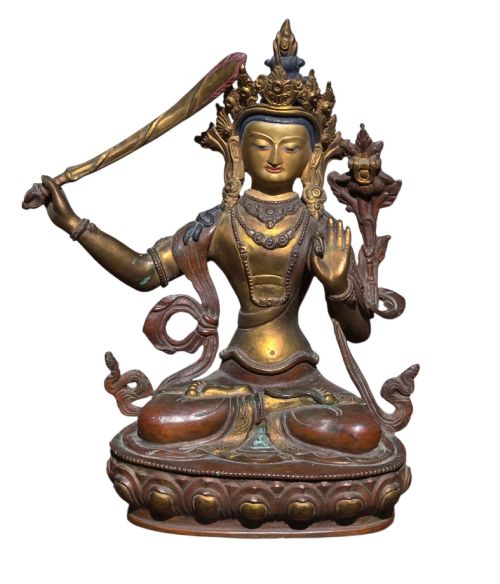
- Metal coated with a thin layer of gold or gold amalgam to create a bright, reflective surface. It appears frequently in decorative mounts and religious figures.
- Spelter
- A zinc alloy commonly utilised as a substitute for bronze in decorative figures. It is lighter and softer than true bronze.
- Okimono
- A Japanese term for a decorative object designed for display rather than utility. These pieces often depict animals or historical figures in patinated bronze.
Antique Bronzes Art: Frequently Asked Questions
What is cold painted bronze?
Cold painted bronze refers to sculptures decorated with paint applied directly to the cold metal surface rather than fired in a kiln. This technique allowed makers to achieve high levels of polychrome detail on animal and human figures.
Over time, handling can cause this surface pigment to wear. Collectors look for pieces that retain their original applied colours intact.
How do I identify Art Deco bronzes?
Art Deco bronzes typically feature stylised geometries, aerodynamic animal forms, and depictions of dancers with outstretched limbs. The figures often stand on geometric bases made of black marble or onyx.
These works reflect the design priorities of the interwar period, diverging from the flowing organic curves of earlier Art Nouveau pieces.
Are spelter figures the same as bronze?
Spelter is a zinc-based alloy that mimics the appearance of bronze but possesses a lighter weight and softer structure. Makers utilised it as an economical alternative for decorative statuary during the nineteenth and early twentieth centuries.
Examination of the underside or worn areas reveals the greyish base metal beneath the patination, distinguishing it from copper-alloy bronze.
Where were Japanese Meiji bronzes made?
Japanese Meiji period bronzes were produced in workshops responding to both domestic shrines and the Western export market following the opening of trade. Artisans employed advanced metal-working techniques to create patinated animal sculptures and vessels.
These objects often display signature panels or seals embedded in the cast metal, marking the workshop of origin.