




Antique Bronze Vase Lamps
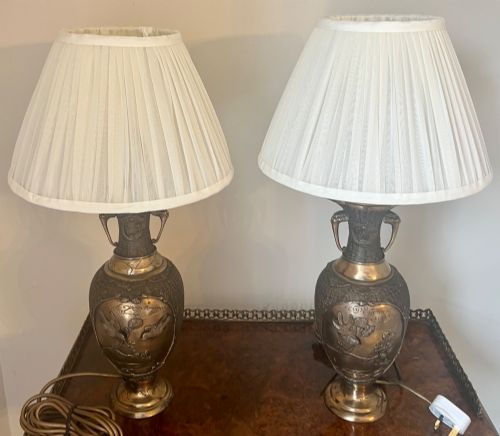
These antique bronze vase lamps bring together classical metalwork and repurposed vessels to create striking illumination.
Antique Bronze Vase Lamps
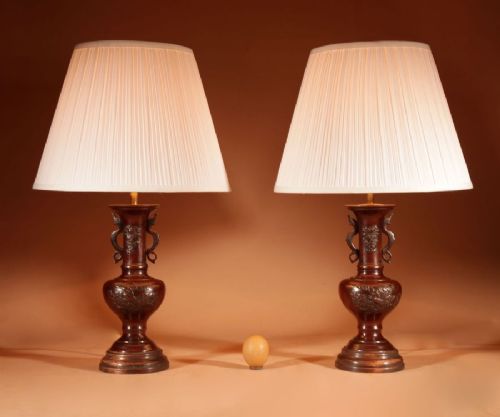
These pieces are lighting fixtures created by mounting historic vases and urns onto metal bases, often wired for modern use while retaining their original bodies. You meet them most frequently as pairs originating from the nineteenth century, drawing heavily on Chinese and Japanese export aesthetics alongside French decorative traditions.
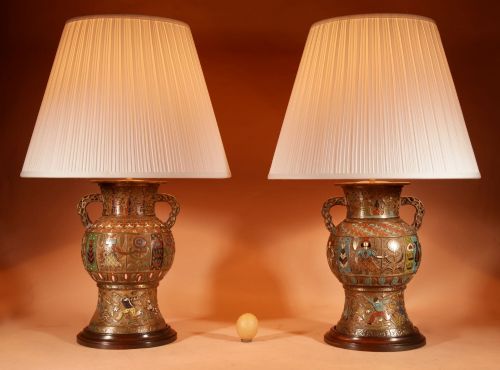
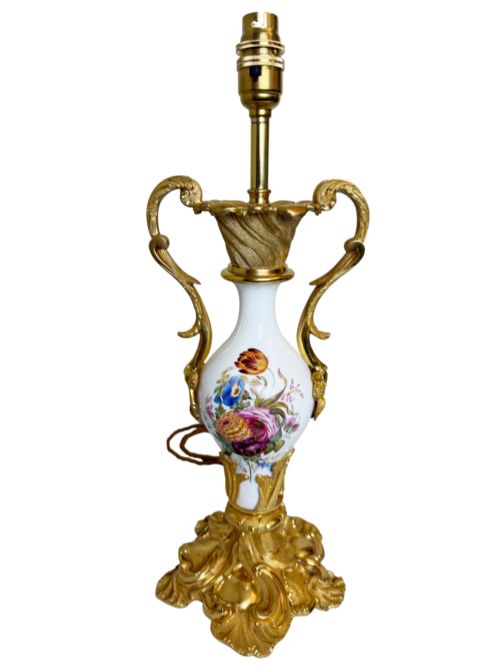
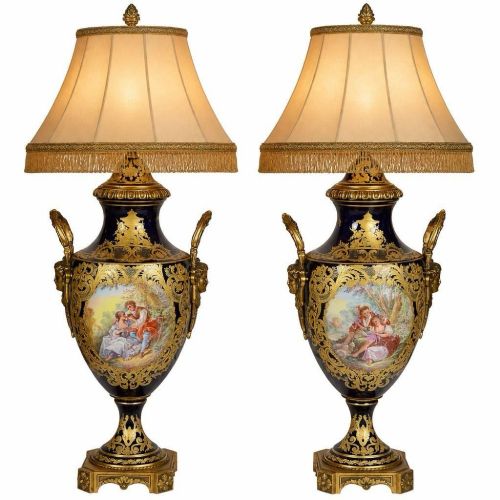
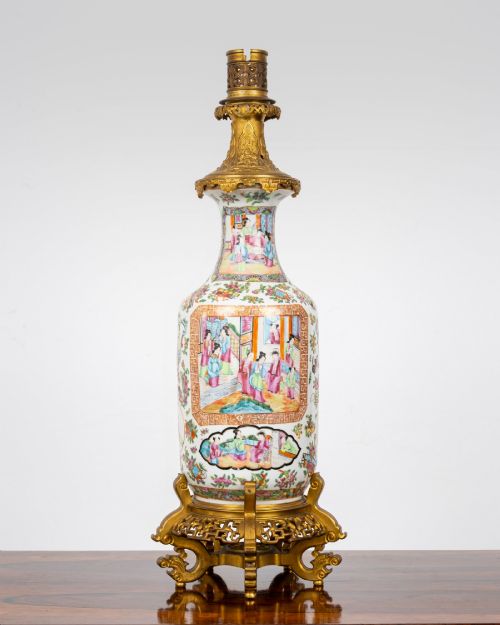
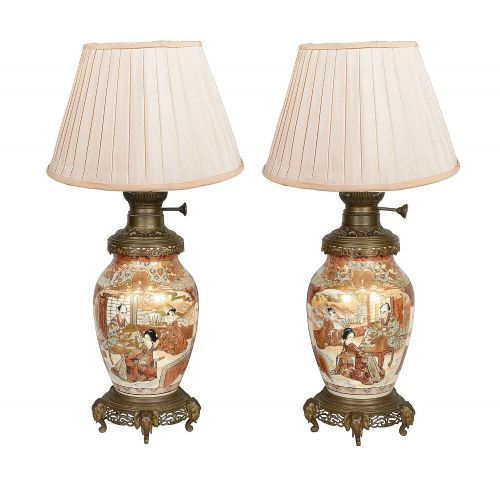
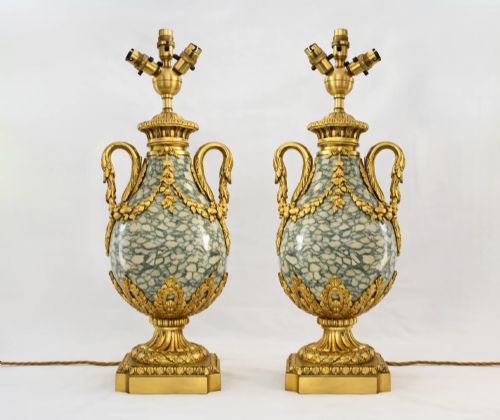
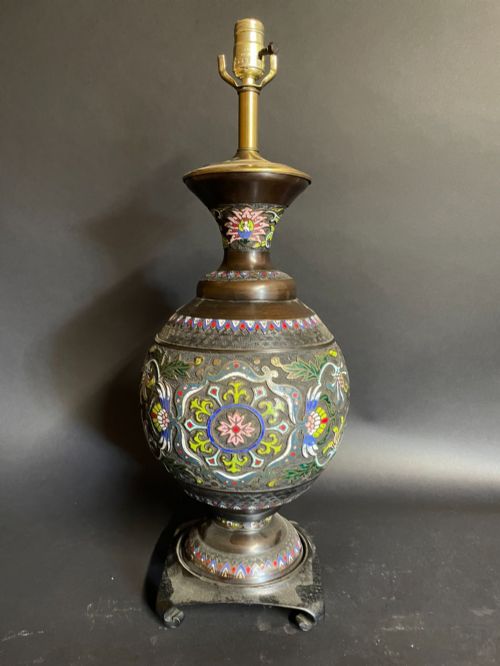
The vessels utilised for these lamps include porcelain forms such as celadon, rose medallion, and Satsuma wares, as well as cast metal bodies decorated with champlevé and cloisonné enamel. Many examples combine cast or gilt bronze mounts with ceramic or metallic bodies, bridging eastern craftsmanship and western interior styling.
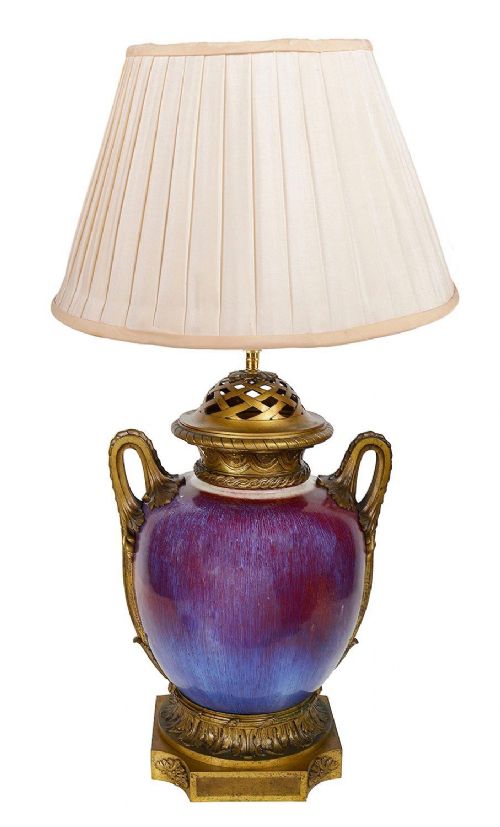
Makers adapted older lidded jars, cassolettes, and decorative vases into table lamps, incorporating silk shades and fabric elements to complete the conversion. The resulting objects function both as practical light sources and as focal points displaying detailed ornamental motifs.
How antique bronze vase lamps were made
The primary materials involve bronze, brass, and ormolu combined with porcelain, marble, and enamelwork. Artisans cast metal mounts using traditional techniques to fit the specific contours of imported or domestic vases.
Enamelling methods such as champlevé and cloisonné create intricate surface patterns on metal bodies, whilst porcelain vessels display hand-painted glazes including famille rose, sang de bouef, and blue and white designs. Ormolu mounts provide gilded highlights that secure the ceramic or bronze bodies to sturdy weighted bases.
Listings feature items from the 18th century through to the early 20th century, including Victorian and Meiji period examples.
What varies in quality in antique bronze vase lamps
Quality rests in the harmony between the original vessel and the applied metal mounts, where precision in casting and chasing determines the refinement of the piece. Superior examples display crisp detail in the ormolu or bronze mounts that complement rather than overwhelm the ceramic body.
The depth and execution of the hand-painted glazes or enamel work dictate the visual strength of the lamp. Finely finished surfaces and balanced proportions separate exceptional decorative pieces from simpler conversions.
The Antique Bronze Vase Lamps Glossary
- Ormolu
- Gilded bronze applied as decorative mounts to furniture and ceramics. This technique was widely utilised in French decorative arts during the eighteenth and nineteenth centuries.
- Champlevé
- An enamelling technique where troughs are dug into a metal surface and filled with vitreous enamel before firing. It frequently appears on nineteenth-century Japanese bronze items.
- Cloisonné
- Enamelling created by soldering flat metal wire to a metal base to form compartments filled with paste and fired. This method produces intricate multicoloured patterns.
- Cassolette
- A decorative vessel shaped like a vase or urn, often fitted with a reversible lid to serve as a perfume burner. These objects were frequently converted into table lamps.
- Meiji Period
- The era in Japanese history lasting from 1868 to 1912, known for metalwork and ceramics produced for export. Pieces from this time often feature dragon motifs and detailed bronze casting.
Antique Bronze Vase Lamps: Frequently Asked Questions
How do I date antique bronze vase lamps?
Dating relies on examining the style of the bronze mounts, the composition of the porcelain body, and the wiring or structural fittings inside the lamp. Nineteenth-century examples often show specific French revival styles or Meiji period export characteristics.
Closer inspection of the glazes and the quality of the ormolu can help narrow the decade of production. Marks or stamps on the base occasionally provide further clues to origin.
Can these lamps take modern bulbs?
Most converted vase lamps accommodate standard modern lightbulbs through updated internal electrical fittings. Professional rewiring ensures safety while preserving the historic exterior.
Fabric shades are typically selected to complement the scale and colour palette of the vase below. Care should be taken to use appropriate wattage to protect antique materials.
Were these originally made as lamps?
The majority of these pieces started life as decorative urns, ginger jars, or display vases before being converted into lamps at a later date. Metal mounts and electrical hardware were added to repurpose the vessels for interior illumination.
This practice of conversion was common in nineteenth-century European interiors, where Asian porcelain and bronze items were adapted for domestic utility.
How do I care for bronze and porcelain lamps?
Maintenance involves gentle dusting with a soft cloth to protect delicate enamel and hand-painted glazes on the porcelain bodies. Metal mounts require minimal intervention to preserve their natural patina.
Harsh chemical cleaners should be avoided on both ormolu and ceramic surfaces. Checking the stability of the mounted base periodically ensures the lamp remains secure.