



Carved Bronze Lamps
Carved bronze lamps bring tactile weight and historic presence to a room, combining cast metalwork with functional illumination across varied periods.
Carved Bronze Lamps
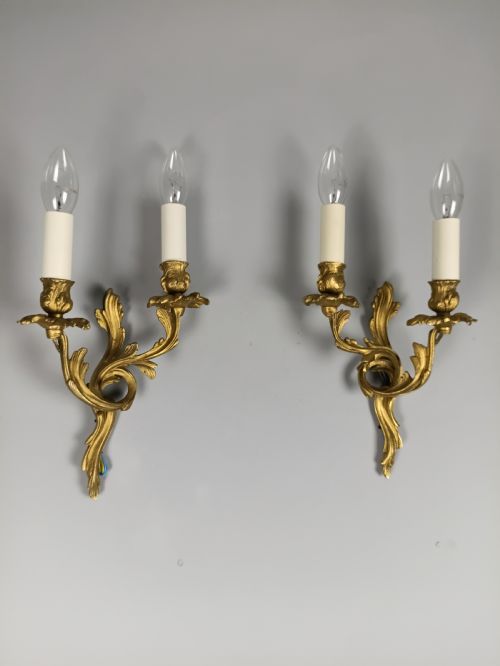
Buyers frequently encounter table lamps and wall lights mounted with materials like marble, ormolu, and frosted glass. Origins span from English and French workshops to Japanese Meiji period examples and Swedish Neoclassical designs.
Forms extend beyond conventional table illumination to incorporate converted altar candlesticks and floor-standing standard lamps. Each piece demonstrates how period metalwork adapted to interior lighting over successive decades.
Materials and construction methods
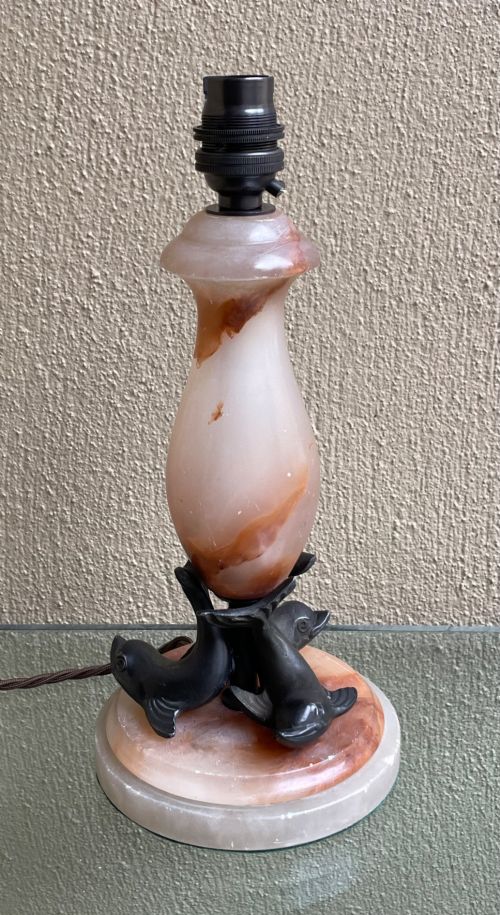
Foundry work relied on bronze, brass, and gilt bronze, often complemented by fire-gilded ormolu surface treatments. Artisans combined these heavy metals with contrasting elements like white marble, alabaster, and onyx bases.
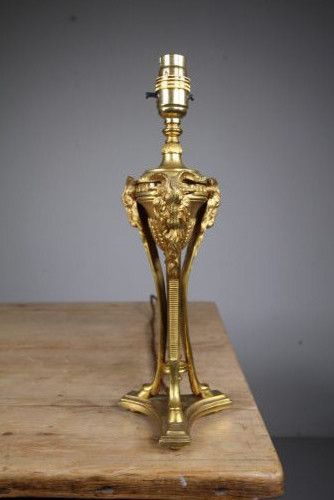
Surface detailing involved meticulous chasing and carving directly into the metal, supplemented by cast figural elements such as dragons, elephants, and rams heads. Wall lights and boudoir lamps frequently incorporated amber frosted glass shades.
Elephants and dragons stand guard in the foundry work, proving that nineteenth-century desk lighting took its wildlife very seriously indeed.
Factors influencing quality
The refinement of the casting and the crispness of the hand-chased details set superior examples apart from simpler production. Deeply articulated figural work, such as Japanese dragons or classical ram heads, demonstrates high artisanal skill.
The integration of secondary materials like matched marble plinths, substantial ormolu mounts, and quality glass components defines the upper tier. Period authenticity, such as original conversion methods on altar candlesticks, also elevates a piece.
The Carved Bronze Lamps Glossary
- Ormolu
- Gilded bronze, where finely ground high-carat gold is applied to a bronze base using a mercury amalgam. This technique creates a rich, durable surface lustre characteristic of French decorative metalwork.
- Meiji Period
- The era in Japanese history spanning from 1868 to 1912, noted for intricate bronze casting exported to Western markets. Pieces from this time often feature dynamic animal motifs like elephants and dragons.
- Neoclassical
- A style drawing inspiration from classical antiquity, favouring symmetry, restraint, and architectural motifs. Swedish and English lighting from this tradition often employs clean lines and restrained bronze mounts.
- Cassolette
- A decorative vessel, often in marble and bronze, designed with a reversible lid that functions as a vase or a burner. These are frequently adapted into high-end table lamps.
- Chasing
- The process of hand-tooling the surface of a metal casting with punches and hammers to sharpen details and add texture. Fine chasing distinguishes bespoke foundry work from mass production.
Carved Bronze Lamps: Frequently Asked Questions
How do I date an antique bronze lamp?
Dating relies on stylistic markers, casting techniques, and the integration of secondary materials like marble or frosted glass. Nineteenth-century pieces often show heavier hand-chasing, while 1920s examples lean towards geometric Art Deco lines.
Examining the wiring apertures and base construction helps distinguish original period manufacture from later conversions, such as altered altar candlesticks.
What styles are common in these lamps?
French Rococo, Louis XV Revival, and Neoclassical designs dominate the European items, characterised by ornate scrolls and gilt finishes. Japanese Meiji period works bring distinct animal bronzes into the mix.
Later twentieth-century pieces shift towards cleaner forms, incorporating amber frosted glass and streamlined brass or bronze frames.
Are these lamps converted from other objects?
Many lighting pieces began life as something else before receiving electrical fittings. Examples include Italian altar candlesticks, Chinese porcelain vases, and decorative cassolettes adapted for domestic illumination.
These conversions are a standard part of lighting history and do not detract from the quality of the bronze work.
How do I care for bronze and ormolu?
Dust bronze and gilt metal gently with a soft, dry cloth to prevent the accumulation of grit in detailed crevices. Avoid chemical polishes, which can strip away original gilding and patination.
Maintaining a stable indoor environment protects any integrated marble bases and fragile frosted glass shades from thermal shock.