


Antique Bronze Urn Set
An antique bronze urn set brings heavy metal and marble gravitas to a mantelpiece, offering matched symmetry through flanking vases or candlesticks.
Antique Bronze Urn Set
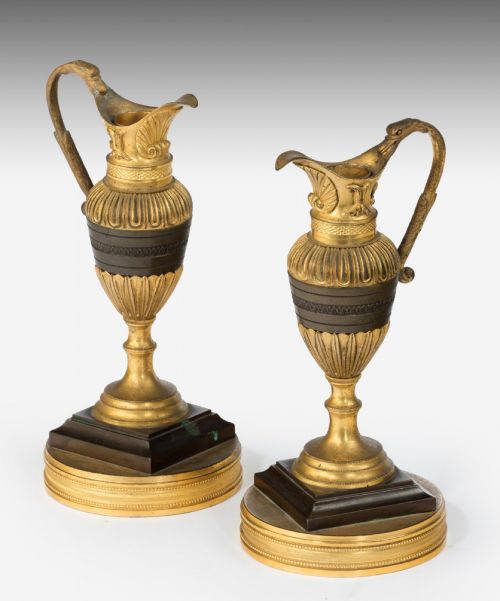
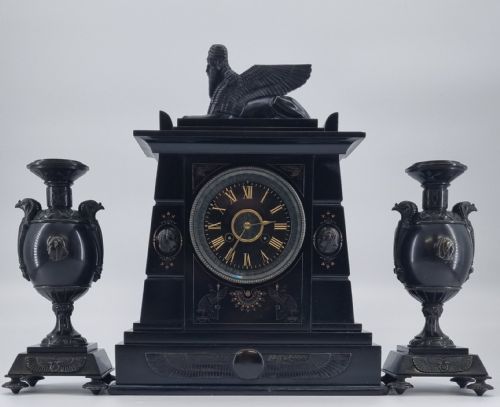
When you search for an antique bronze urn set, you find matched assemblages typically comprising a central clock or main vessel flanked by two matching side pieces, such as vases, ewers or candelabra. These decorative objects date from the nineteenth century, with Victorian, Louis XVI revival and Napoleon III aesthetics dominating the selections.
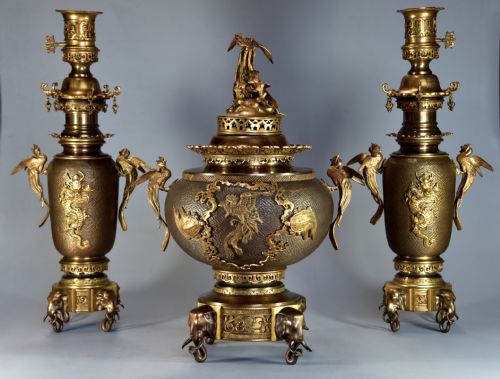
The configurations vary from three-piece clock garnitures to pairs of stem vases or lidded vessels mounted on stone plinths. Many items incorporate stylistic elements ranging from French Rococo and Neoclassical to Japanese Meiji and Edo periods.
Most pieces hail from French workshops or Japanese export studios, uniting cast metalwork with functional or purely decorative domestic display. They served as centrepieces for formal nineteenth-century interiors, anchoring mantelpieces and sideboards with substantial presence.
Materials and construction methods
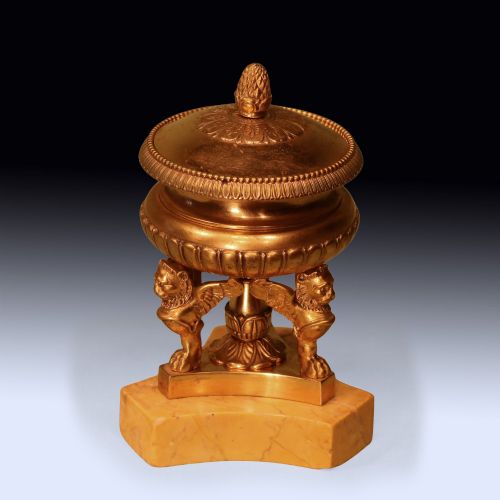
Makers utilised cast bronze, ormolu, and gilded brass as the primary metallic structures, frequently combining patinated surfaces with bright fire gilding. These metals were shaped through foundry casting and chased by hand to sharpen surface details like acanthus leaves, classical figures, and dragons.
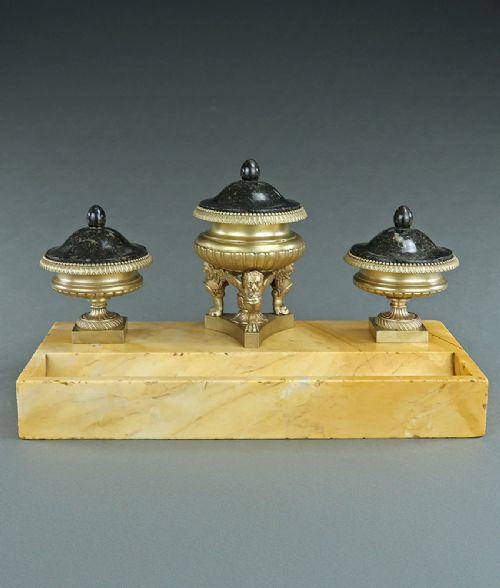
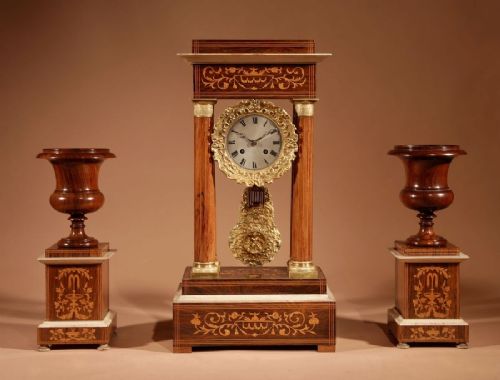
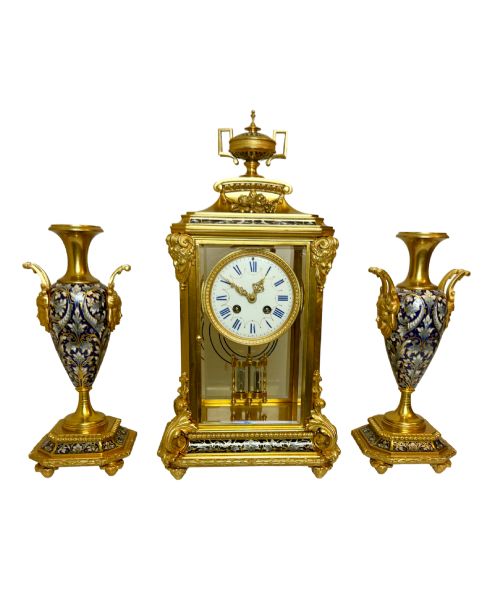
Many sets integrate contrasting natural materials, mounting metal urns upon bases of Sienna marble, onyx, or slate. Artisans also incorporated champlevé enamel, hand-painted Sevres style porcelain, and glass domes to elevate the visual complexity of the garnitures.
Some bronze urn sets come protected beneath their original glass domes, preserving fragile porcelain and gilt surfaces from Victorian coal smoke.
Assessing craftsmanship and finish
The crispness of the metal chasing dictates the upper tier of quality, separating sharp, hand-finished foliage and figures from soft, mass-produced castings. Superior sets display meticulous fitting between the bronze mounts and the underlying marble or porcelain bodies without visible gaps.
The integration of the side pieces with the central clock or main urn reveals the ambition of the maker, where matching patination and harmonious proportions maintain a unified visual weight across all three objects.
A.D Mougin·VINCENTI of PARIS
The Antique Bronze Urn Set Glossary
- Garniture set
- A matched grouping of decorative objects designed for symmetrical display, typically consisting of a central clock flanked by two matching vases or candelabra. These sets originated in seventeenth-century France and became staple drawing-room ornaments.
- Ormolu
- Finely ground high-carat gold mercury-gilded onto a bronze object. This technique imparts a durable, rich golden sheen characteristic of luxury French metalwork.
- Champlevé enamel
- A technique where troughs or cells are hollowed out of a metal surface and filled with vitreous enamel paste before firing. It creates vibrant, colourful patterns flush with the surrounding metal borders.
- Portico clock
- A clock housed within a architectural frame supported by four or more columns. They frequently feature in nineteenth-century mantel sets.
- Encrier
- A portable writing desk set or inkstand, often fashioned from marble and bronze with fitted inkwells and pen trays.
Antique Bronze Urn Set: Frequently Asked Questions
What is a clock garniture?
A clock garniture is a matched set of three decorative items for a mantelpiece, featuring a central clock paired with two identical side ornaments such as vases or candelabra.
These pieces were designed together to create balanced, symmetrical displays in nineteenth-century formal rooms.
How were antique urn sets used?
Owners placed these sets on mantelpieces above fireplaces, on sideboards, or on dedicated console tables to demonstrate taste and wealth.
While some elements like inkstands or clocks had practical functions, the urns and vases served purely as decorative focal points.
How do I clean bronze and ormolu?
Cleaning requires only gentle dusting with a soft, dry brush to prevent dirt accumulation in the recessed chasings of the metal.
Water, abrasives, and chemical metal polishes will strip the original fire gilt and damage delicate patination.
How do I date a nineteenth-century set?
Dating relies on identifying stylistic markers like Napoleon III revival motifs, Japanese export influences, or specific maker stamps on clock movements.
Materials such as Sienna marble and champlevé enamel also help narrow down the period of manufacture within the eighteen-hundreds.