



Antique Bronze Sculpture Pedestal
An antique bronze sculpture pedestal elevates figurative works and architectural forms through varied stone, metal and timber compositions.
Antique Bronze Sculpture Pedestal
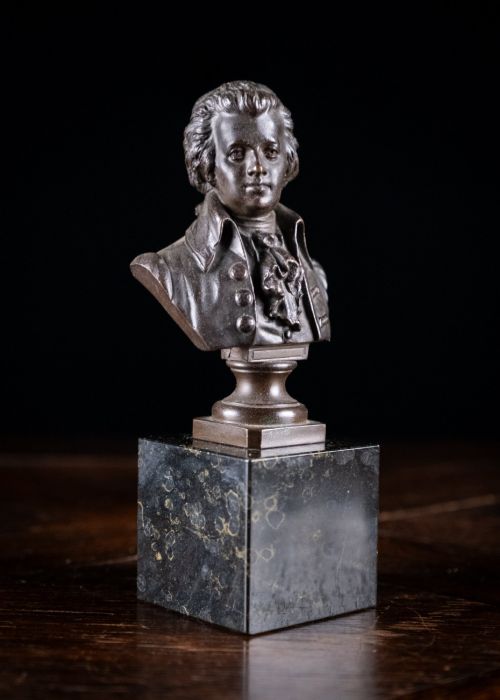
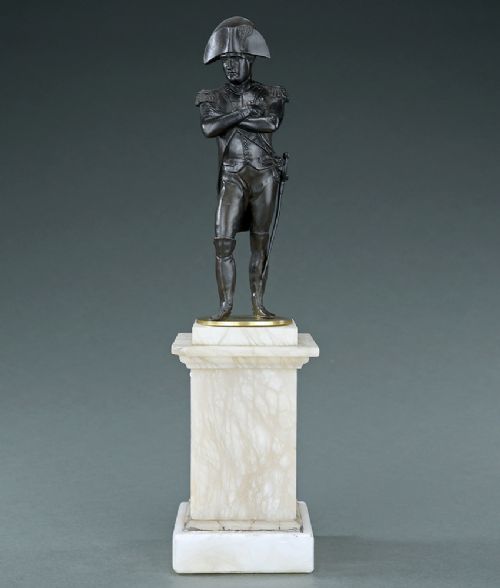
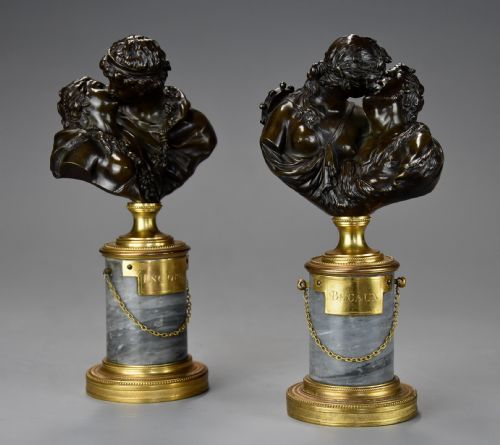
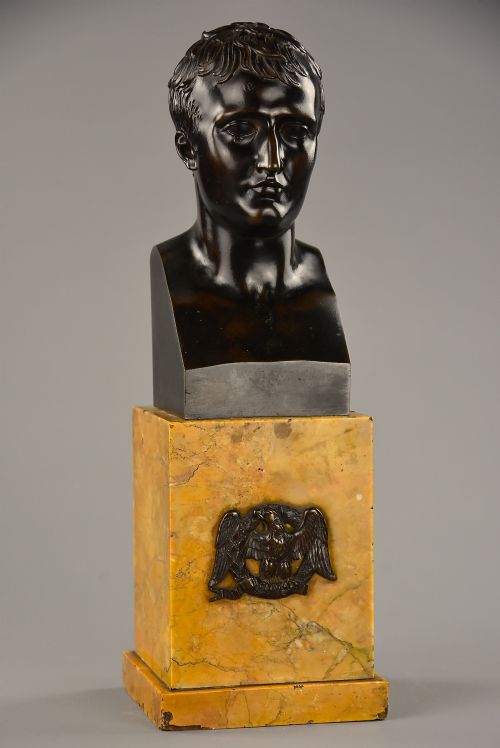
An antique bronze sculpture pedestal combines supporting columns, plinths and stands with cast metal figures, busts and decorative objects. These structural supports and sculptural items emerge largely from nineteenth century workshops adhering to neoclassical, French Empire and Victorian styles.
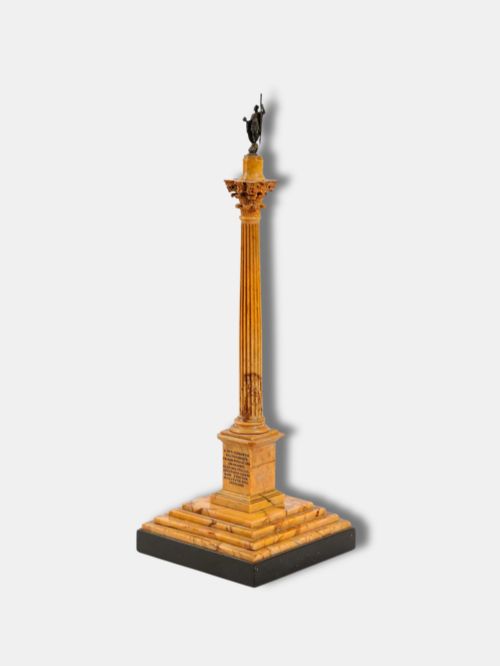
Buyers encounter varied configurations ranging from standalone timber columns and marble pillars to integrated compositions where bronze figures rest directly upon stone mounts. The forms encompass classical columns, rotating marble stands and monumental figural torcheres designed to elevate visual display.
Origins trace principally to French ateliers and Grand Tour souvenirs, spanning materials from patinated bronze and gilt mounts to onyx, malachite and amboyna. The pairing of cast metal with heavy stone or timber bases defines the core category available.
Materials and construction methods
Foundries utilised traditional lost-wax casting and sand-casting methods to produce detailed bronze sculptures and intricate ormolu mounts. Patination techniques applied acids and heat to achieve deep brown, black or polychromed surface finishes.
Stones such as marble and onyx were hand-turned on lathes or carved to form cylindrical columns, rotating tops and sturdy display bases. Ormolu, comprising gilt bronze, was frequently cast and chased before being pinned or screwed to stone and timber frames.
Antique Bronze Sculpture Pedestal Retail Price Guide 2026
Typical asking prices for bronze sculpture pedestal among the pieces listed under this phrase on Sellingantiques today, from the lower quarter to the upper quarter. They describe what is for sale here now, not the wider market.
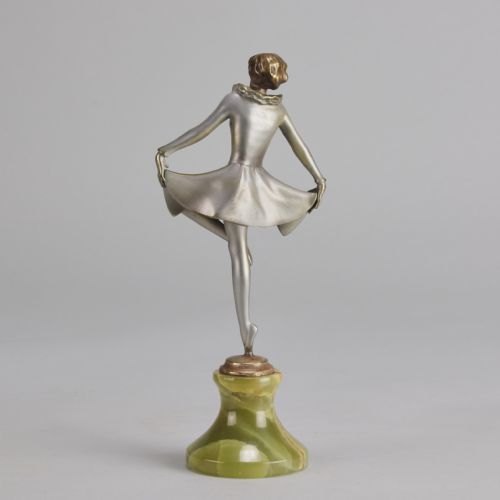
The inventory records sculptural forms spanning Art Deco chryselephantine figures, Neoclassical columns and French Empire torchere lamps.
Differentiating quality across pieces
The selection of raw materials dictates standard, distinguishing solid marbles and rich exotic timbers like amboyna from simpler painted substitutes. Heavier gauge metalwork and secure structural joinery in the supporting columns indicate superior atelier production.
Josef Lorenzl·Emile Guillemin·Jean Antoine Houdon·Sir Thomas Brock·Ferdinand Preiss·Arthur Waagen·Claire Colinet·Gyoko·Auguste Cain·E. Villanis
The Antique Bronze Sculpture Pedestal Glossary
- Ormolu
- Gilt bronze ornaments applied to furniture, pedestals and clocks. This decorative technique involves mercury gilding cast brass or bronze components.
- Patination
- The surface coloration and texture developed naturally over time or applied chemically by a founder. It alters the raw metallic sheen of bronze.
- Chryselephantine
- A sculpture combining ivory with bronze or other metals. This technique gained prominence during the Art Deco period.
- Grand Tour
- Eighteenth and nineteenth-century travels undertaken by European elites to collect classical antiquities and souvenirs. It produced numerous miniature bronzes and reduction vases.
- Torchere
- A tall ornamental stand or floor lamp designed to hold a light source. Examples frequently incorporate figural bronze supports.
Antique Bronze Sculpture Pedestal: Frequently Asked Questions
How do I clean a bronze sculpture?
Dust surfaces gently with a soft, dry brush to prevent particle buildup. Avoid harsh chemical cleaners that strip the original historic patination.
Apply microcrystalline wax sparingly if protection is required against atmospheric moisture. Buff lightly with a clean cloth after application.
Can pedestals support heavy marble busts?
Solid stone columns and hardwood pedestals provide robust structural support for substantial cast metal or stone sculptures. Weight capacity depends primarily on the base footprint and internal joinery.
Verify that the top plate aligns evenly with the base of the sculpture to distribute weight uniformly. Rotating mechanisms require careful balancing to prevent tipping.
What is a Grand Tour bronze?
Grand Tour bronzes are miniature reductions of famous classical statues collected by travellers in Italy during the nineteenth century. Founders cast these souvenirs to replicate ancient Roman and Greek monuments for domestic display.
These pieces typically exhibit fine dark patination and rest on marble or slate bases. They serve as portable representations of classical antiquity.
How do I distinguish spelter from bronze?
Spelter is a zinc-based alloy that feels lighter and softer than true bronze. It often shows a brittle fracture surface if chipped beneath the finish.
Bronze exhibits greater weight, density and durability alongside a resonant metallic sound when tapped lightly. Patination on bronze also ages differently compared to painted spelter surfaces.