



Antique Bronze Putti Statuettes
These antique bronze putti statuettes capture mischievous classical figures in cast metal, offering classical elegance for a collector's mantelpiece.
Antique Bronze Putti Statuettes
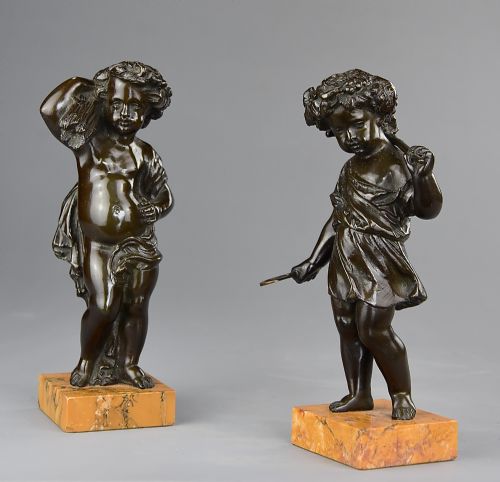
These pieces represent antique bronze putti statuettes, depicting winged cherubs, amorini, and mythological children engaged in various pursuits. The selection on this page spans the nineteenth century, including specific dates from eighteen sixty to nineteen hundred, reflecting nineteenth century and French rococo revival styles.
Buyers encounter sculptures and statuettes mounted on marble bases, alongside functional items like table lamps incorporating patinated bronze figures. Many originate from France and Italy, capturing grand tour influences and classical motifs through detailed sculptural studies.
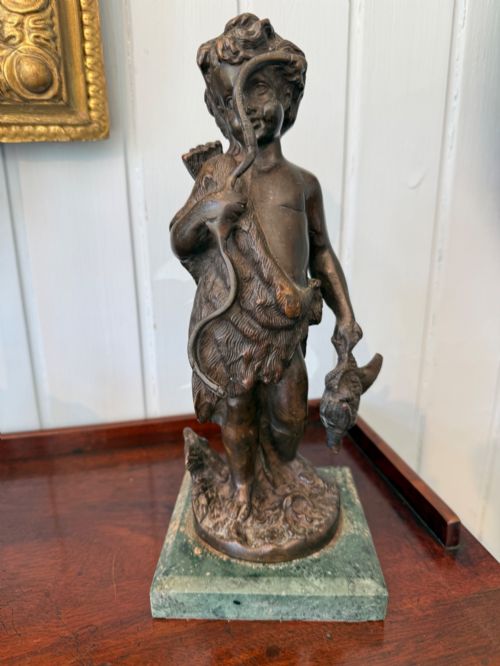
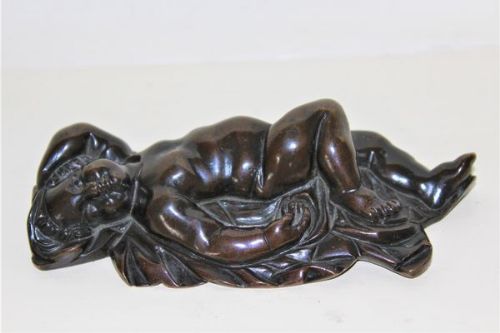
The subjects range from allegorical harvest figures and hunters to children with animals, resting figures, and archers with bows. These works appear as single figures or balanced pairs, often showing distinct artistic interpretations of classical cherubs.
How they were made
Foundries cast these figures in bronze, utilising both patinated bronze and ormolu finishes to create contrasting textures and highlights. Makers combined the cast metal with red marble bases and inlaid wood to support the sculptures.
Sleeping chubby cherubs require very little maintenance beyond an occasional gentle dusting with a soft brush.
What varies in quality
The refinement of the casting and chasing distinguishes finer statuettes from simpler commercial production, showing in the definition of hair, wings, and facial expressions. The choice of base materials also elevates a piece, particularly heavy marble mounts or inlaid wooden plinths.
Signed works by known sculptors carry distinct artistic authority compared to anonymous foundry output. The survival of original patination and the integration of functional elements like lamp fittings without compromising the sculpture shape affect desirability.
Claude Michael Clodion·Dumond·Ferrand
The Antique Bronze Putti Statuettes Glossary
- Putto
- A figure of a small chubby winged infant, frequently appearing in classical and renaissance art. They represent mythological attendants of love deities.
- Amorini
- Plural of amorino, referring specifically to winged cherubs embodying romantic love. These figures closely parallel putti in nineteenth century sculpture.
- Ormolu
- Gilt bronze produced by applying a finely ground high-carat gold-mercury amalgam to a bronze object. The technique creates a brilliant golden surface finish.
- Grand tour
- A cultural journey of Europe formerly undertaken by wealthy young men seeking art and education. Souvenirs included small classical bronzes and architectural models.
- Patinated bronze
- Metal treated with chemical solutions to produce a specific surface colour and tone. This process protects the bronze while enhancing sculptural depth.
Antique Bronze Putti Statuettes: Frequently Asked Questions
What is a putto?
A putto is a plump, winged infant figure derived from classical mythology, commonly depicted in Renaissance and later European art. These figures often symbolise love or playful spirit.
In nineteenth-century bronze sculpture, they appear as hunters, musicians, or sleeping children, capturing lighthearted classical narratives.
How do I date a bronze figure?
Dating relies on examining the casting technique, the style of the base, and any signatures or foundry marks present on the bronze. Nineteenth-century pieces frequently employ specific patination styles and mounting materials like red marble.
Comparing the sculptural manner to known periods, such as French rococo revival or grand tour aesthetics, helps narrow the production era.
Were these always lamps?
Many figures began as standalone decorative sculptures or statuettes before being converted into table lamps in later periods. The wiring and fittings were added subsequently to repurpose the decorative bronze figures for interior lighting.
Examining the base and underside reveals whether holes were drilled later for electrical wiring.
Where were these pieces made?
The recorded evidence points primarily to French and Italian workshops producing grand tour and revivalist bronzes during the nineteenth century. Paris and Italian centres served as major hubs for casting and finishing these decorative objects.
Artists working in these regions exported their statuettes across Europe to satisfy demand for classical ornamentation.