


Antique Bronze Metalware
These antique bronze metalware pieces span centuries of domestic, ritual, and decorative casting, offering collectors tactile utility and sculptural presence.
Antique Bronze Metalware
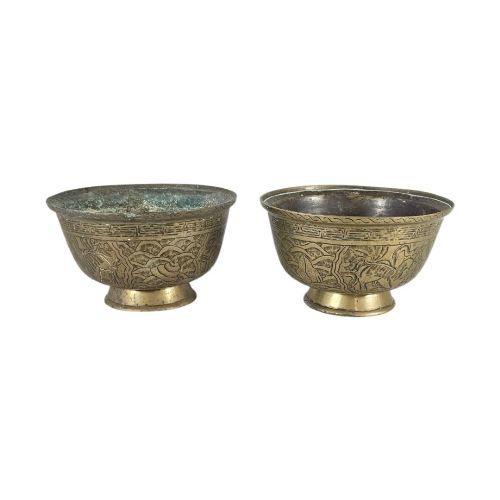
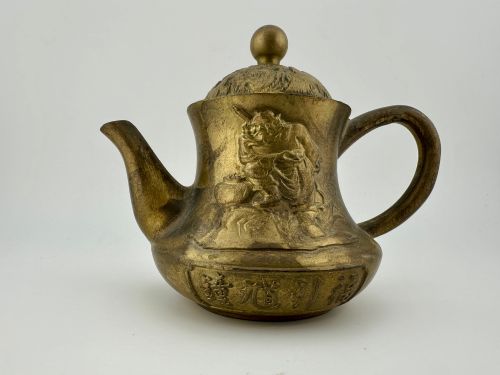
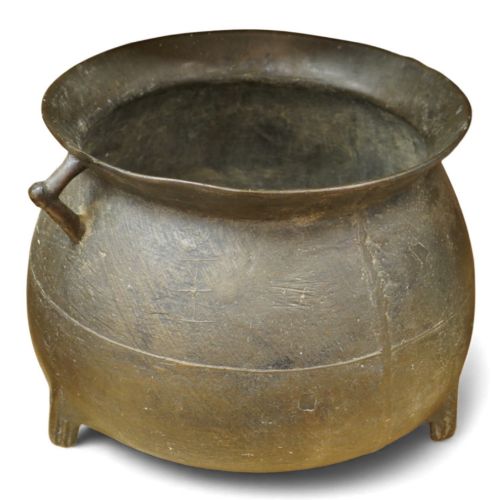
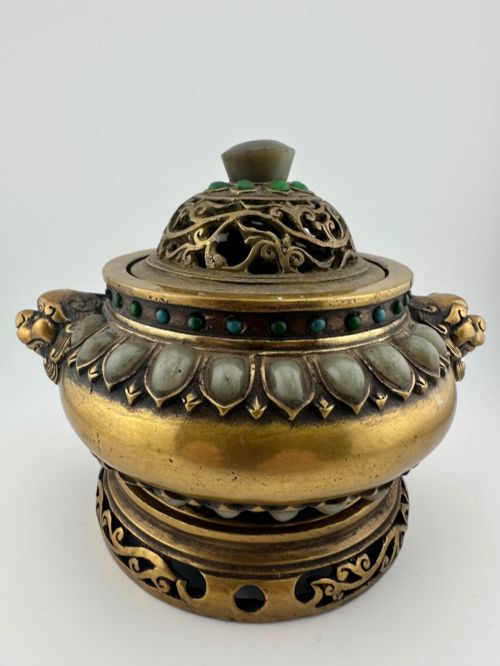
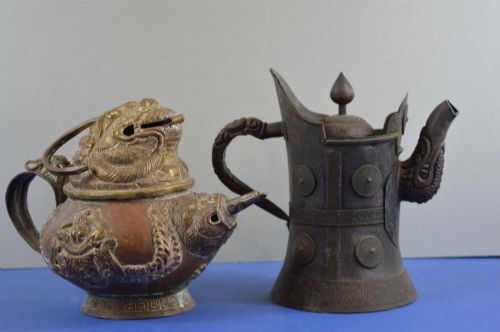
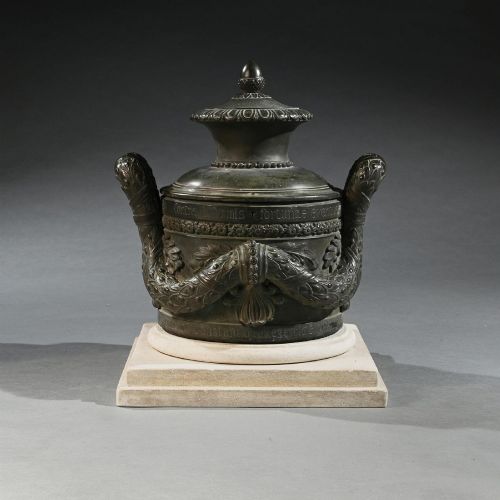
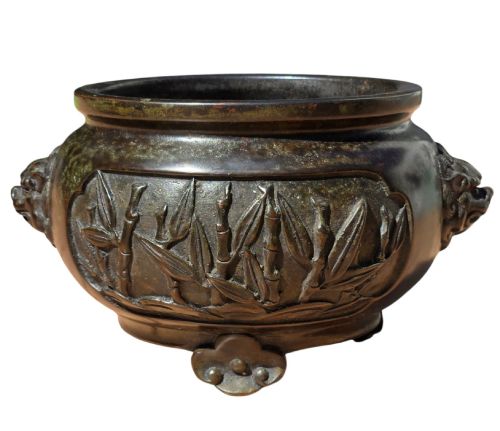
When you examine antique bronze metalware, you encounter a diverse range of functional and ritual objects spanning from the seventeenth century through the Victorian era. Domestic items such as heavy apothecary mortars, pestles, and cooking vessels form a significant portion of early English and continental pieces. Alongside these utilitarian objects, ceremonial and decorative vessels such as Chinese censers, Japanese vases, and Persian ewers frequently appear.
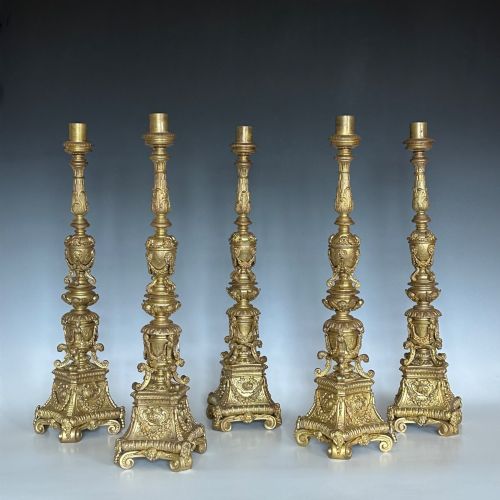
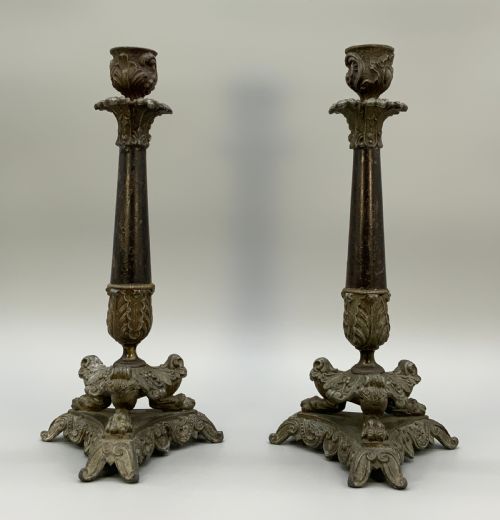
The collection also includes European candlesticks, ritual vessels, and small desk accessories from the eighteenth and nineteenth centuries. Asian items, particularly late Qing dynasty censers and Meiji period Japanese vases, provide a distinct stylistic counterpoint to the European domestic wares. You will meet everything from small apothecary tools to substantial temple bronzes on this page.
Materials and Casting Techniques
The objects in this selection rely heavily on traditional foundry techniques, primarily utilising cast bronze, leaded bronze, and brass. Founders poured molten metal into moulds to achieve thick, durable walls, particularly evident in seventeenth-century mortars designed to withstand heavy crushing force. Surface decoration was often cast directly into the piece using patterned moulds featuring floral motifs, coats of arms, or relief panels.
Many items incorporate supplementary materials to enhance their visual appeal, such as champleve enamel, inlaid silver and copper, or hardstone mounts. Japanese and Chinese pieces frequently employ applied patination, gilding, and cloisonne work on lids to create contrasting textures against the dark bronze. These combined methods result in durable metalware that retains crisp details across centuries.
A duck roasting pan from the Georgian period proves that past chefs took waterfowl preparation with serious metallurgical dedication.
Foundry Work and Finish
The distinction between ordinary and exceptional antique bronze metalware lies primarily in the crispness of the casting and the quality of the finishing work. Superior pieces display sharp, well-defined relief panels, clean lettering, and deliberate placement of decorative motifs without excessive surface pitting. Master founders achieved uniform wall thickness and smooth interiors, particularly on utilitarian vessels like mortars and cauldrons.
Another measure of quality involves the integrity of the original surface patination and the presence of any integrated decorative elements such as silver or copper inlays. Pieces that retain their original textured surfaces, maker marks, or foundry stamps command greater interest from collectors. The overall tactile weight and balanced proportions further distinguish superior metalware from routine production.
The Antique Bronze Metalware Glossary
- Mortar
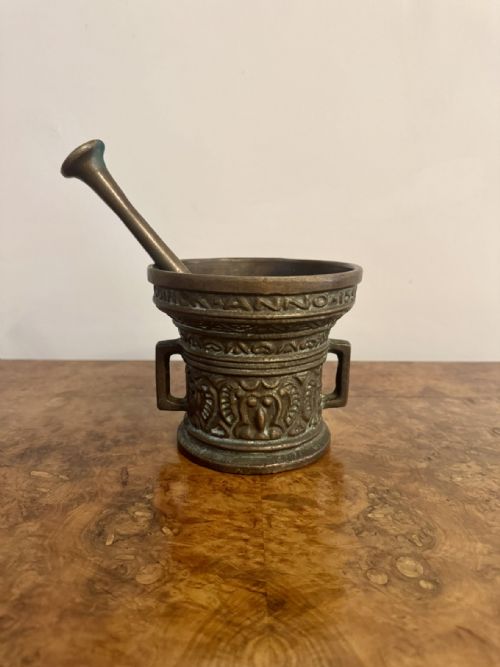
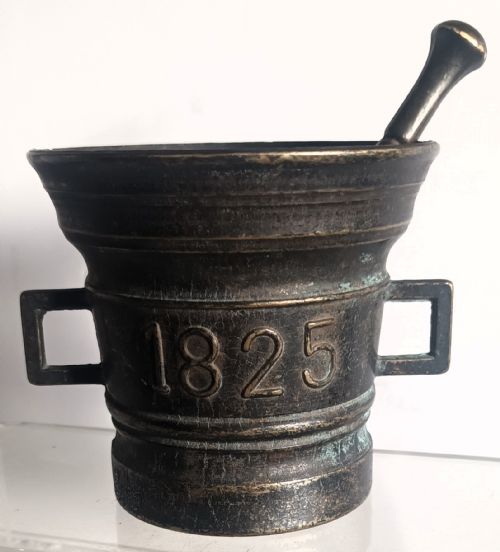
- A heavy bowl in which substances are crushed or ground with a pestle. Seventeenth-century examples often feature decorative ribs, coats of arms, or foundry marks.
- Censer
- A vessel used for burning incense, common in Asian and ecclesiastical contexts. These often feature intricate relief panels, tripod legs, and perforated covers.
- Champleve
- An enamelling technique where troughs or cells are carved into the metal surface and filled with vitreous enamel before firing. This creates colourful decorative patterns against the bronze background.
- Patina
- The surface sheen and colour developed by bronze over centuries of oxidation and handling. A stable, undisturbed patina indicates age and authentic preservation.
- Ewer
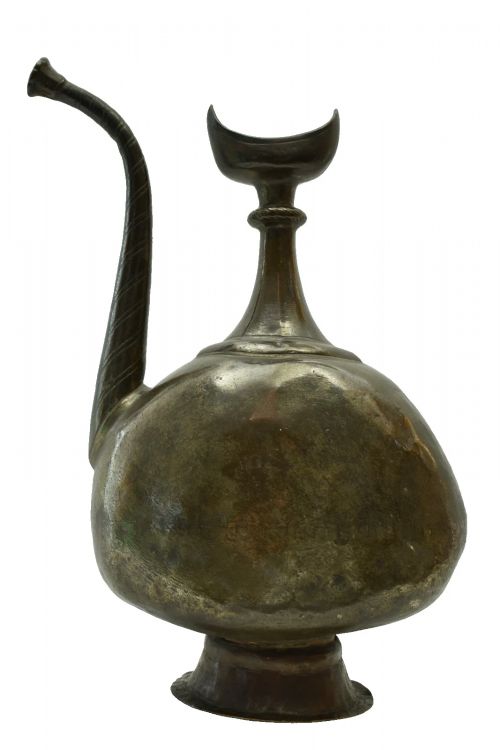
- A large jug with a slender spout and handle, used historically for pouring water. Many surviving examples originate from Islamic or continental European traditions.
Antique Bronze Metalware: Frequently Asked Questions
How do I date an antique bronze mortar?
You can date early mortars by examining their shape, rim style, and cast decorative motifs such as Tudor roses or fleur-de-lis. Documentary evidence and regional foundry styles also help narrow down the decade of production.
Heavier seventeenth-century pieces often display specific casting stamps or maker names that link them to known English or continental foundries.
What is the difference between bronze and brass in these pieces?
Bronze is primarily an alloy of copper and tin, producing a darker, richer tone that patinates deeply over time. Brass is an alloy of copper and zinc, yielding a brighter, more golden yellow colour.
Many older listings use these terms interchangeably, but tactile weight and natural oxidation help distinguish the metal composition.
How should I clean antique bronze metalware?
You should generally leave antique bronze unpolished to preserve the historical patina and surface character that collectors value. Gentle dusting with a dry cloth is sufficient for routine maintenance.
Avoid abrasive cleaners or metal polishes that strip away centuries of oxidation and diminish the historical integrity of the piece.
Why do some bronze vessels have missing parts?
Many ceremonial or utilitarian items, such as censers and mortars, lost their matching covers or pestles through centuries of active use and separation. Finding a complete set with its original components remains uncommon.
Collectors often acquire these pieces for their sculptural form and individual casting quality even when ancillary tools are absent.