

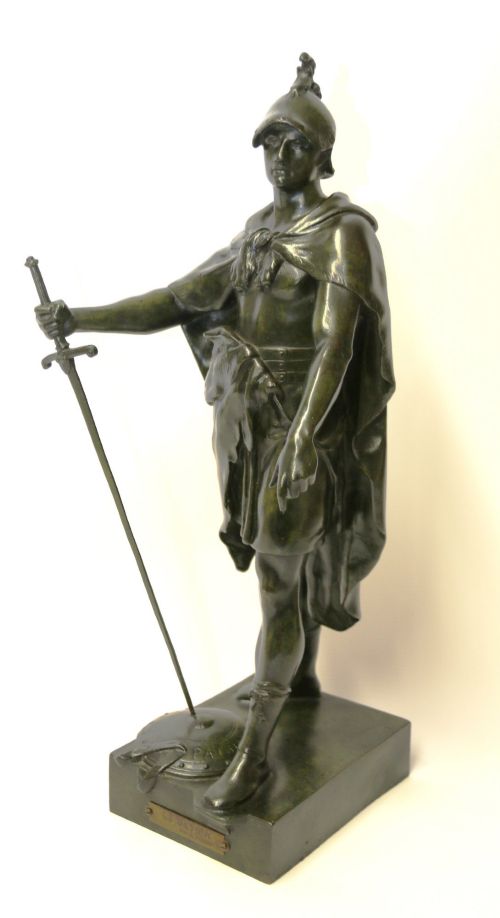
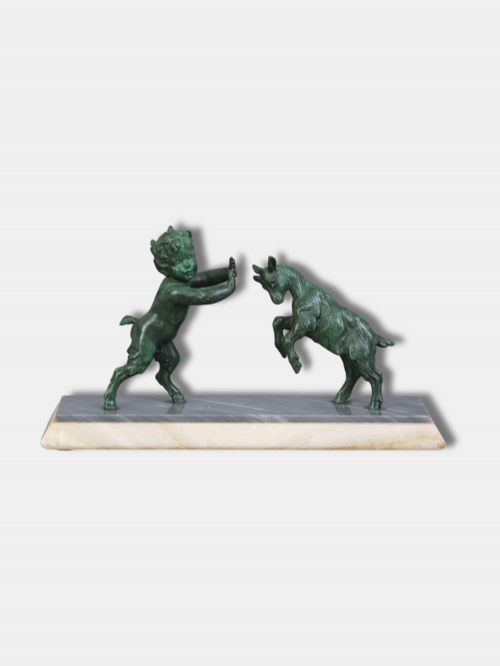
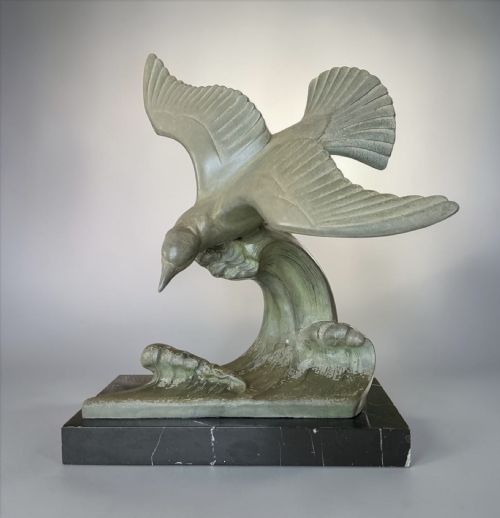
Antique Bronze Mantel Statue
An antique bronze mantel statue brings classical figures, animal studies and decorative characters into domestic spaces with lasting presence.
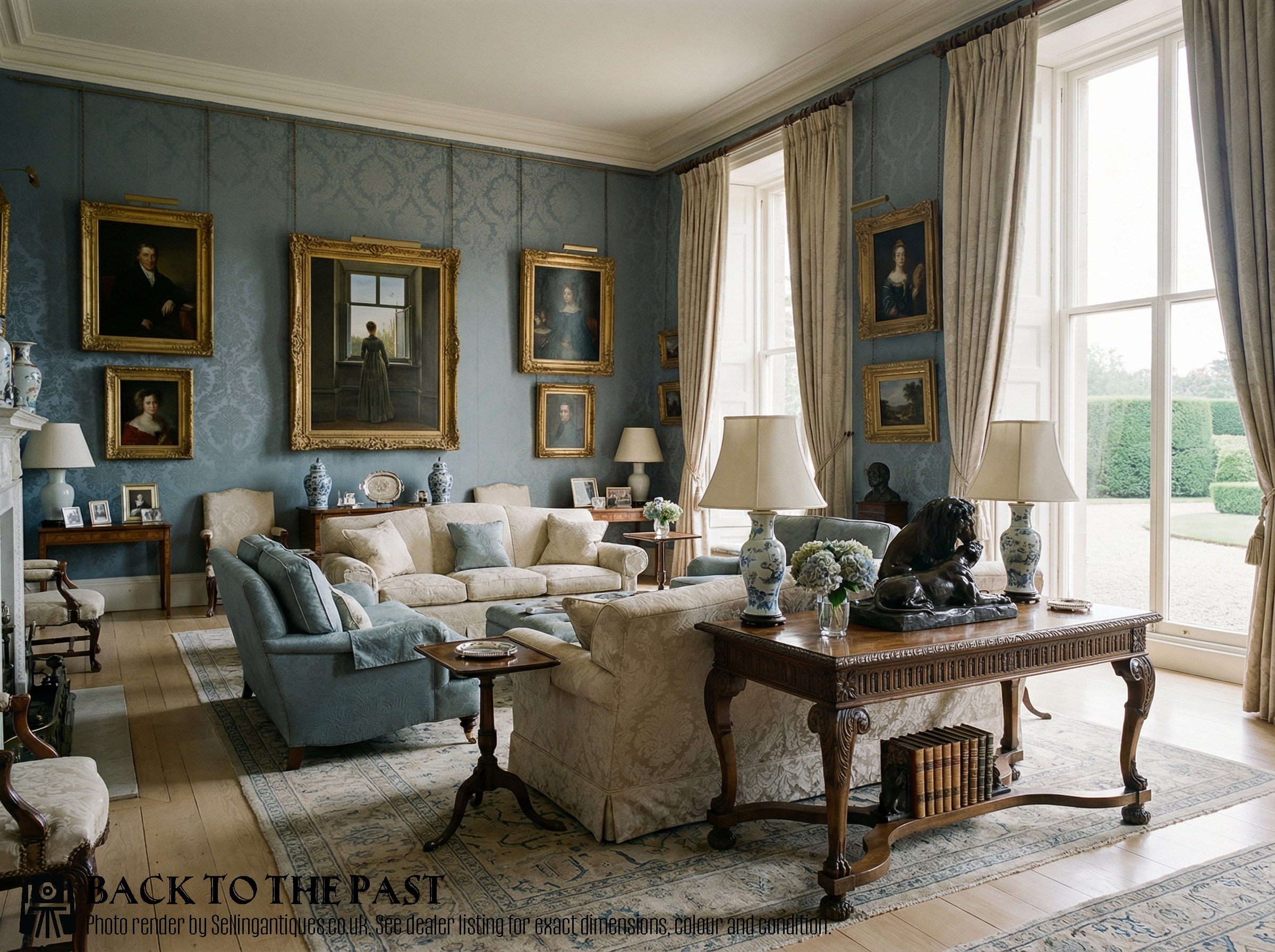
Antique Bronze Mantel Statue
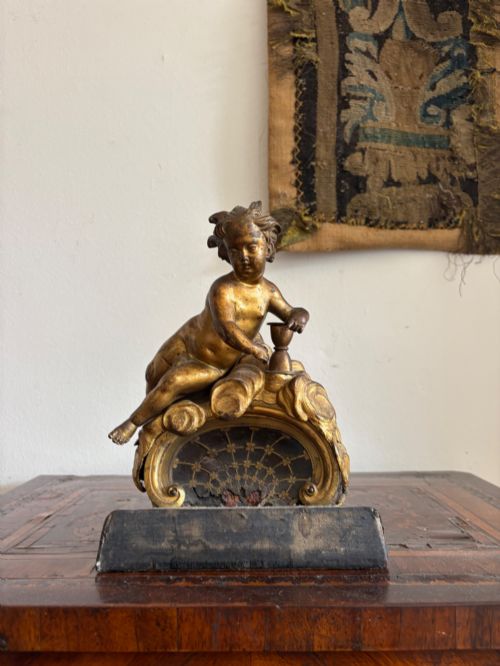
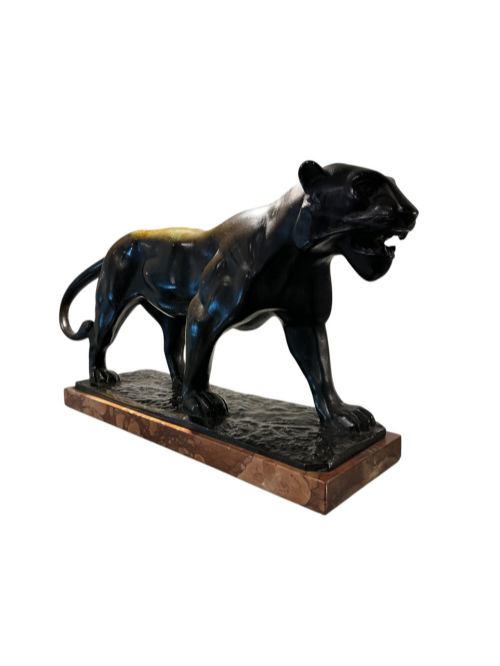
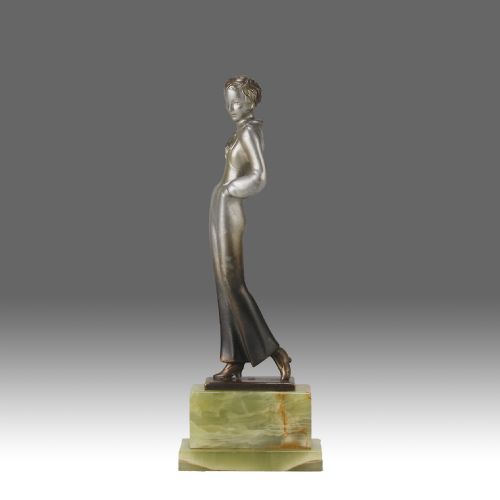
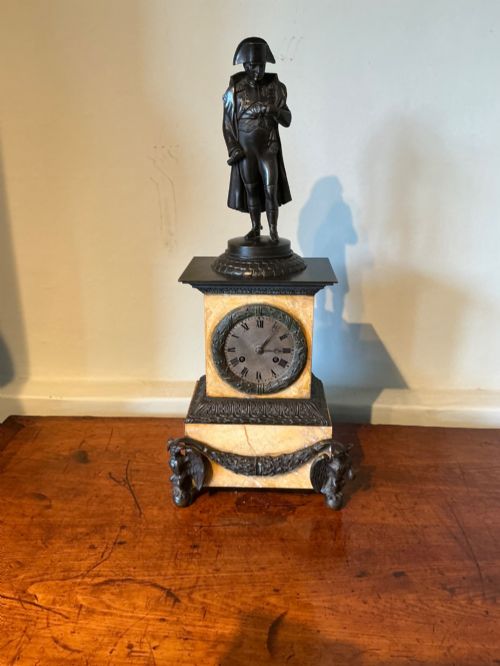
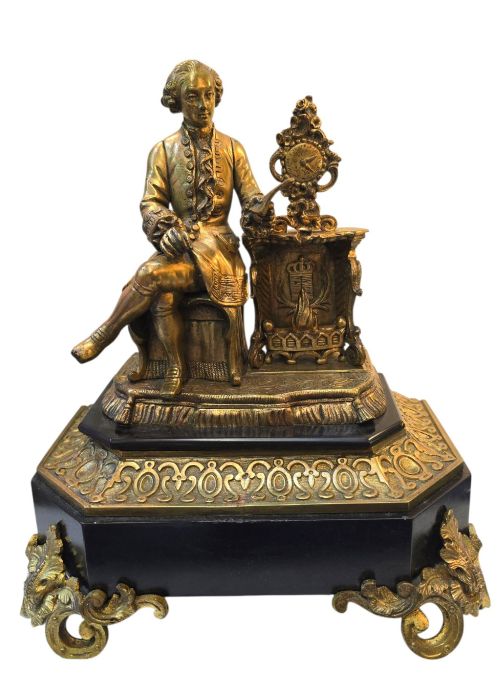
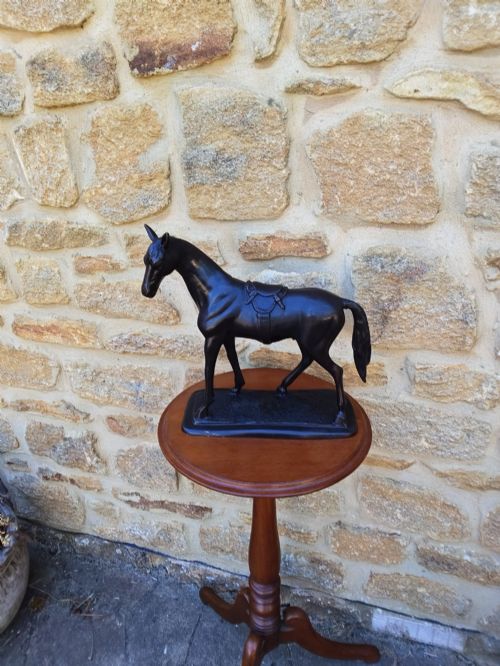
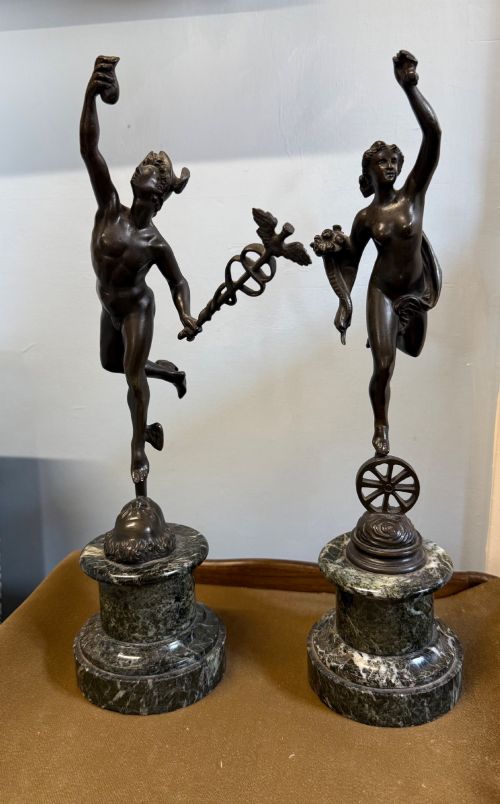
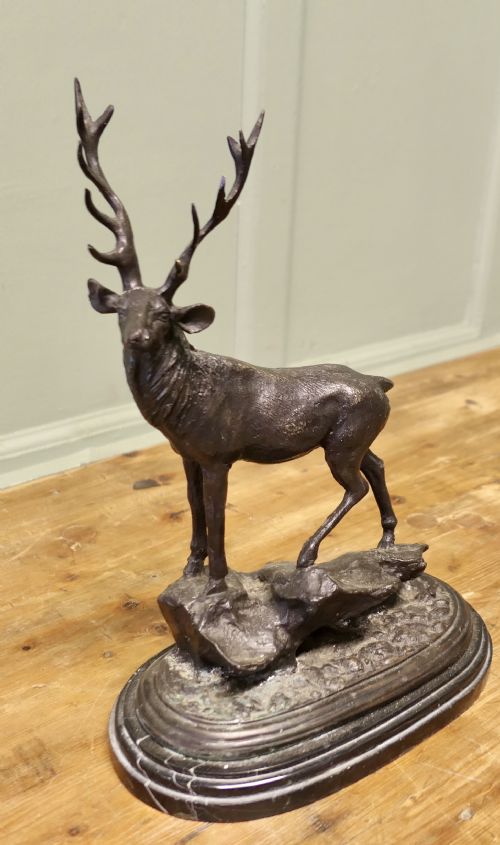
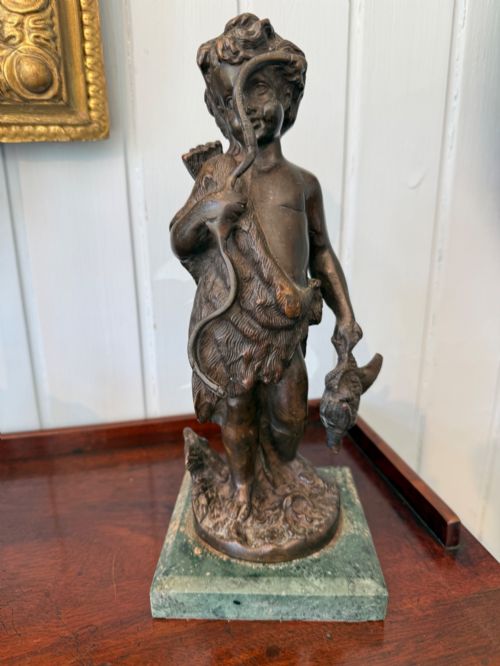
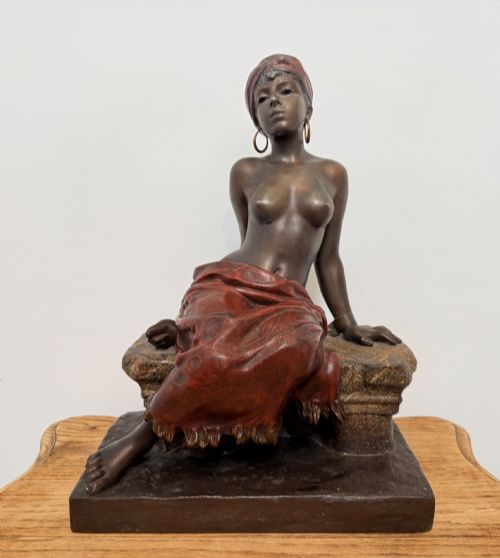
When searching for an antique bronze mantel statue, collectors encounter sculptural works designed to sit on a mantelpiece, shelf or cabinet. These pieces range from classical mythological figures and historical commanders to wildlife studies and modernist dancer figurines.
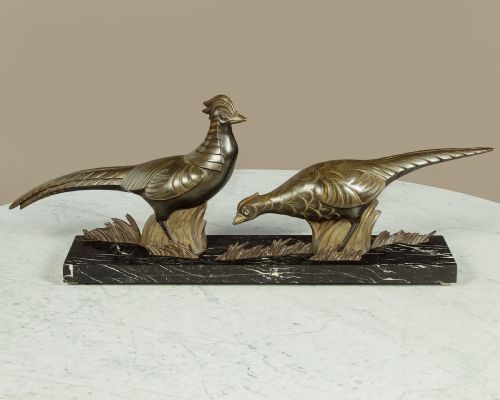
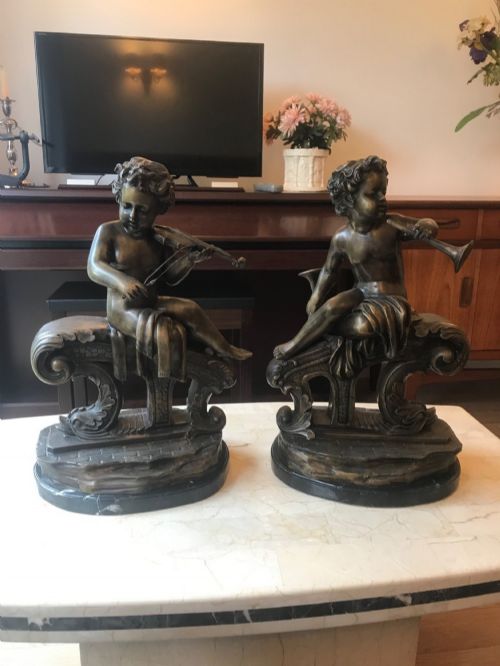
The selections on this page draw heavily from nineteenth-century French workshops alongside early twentieth-century Art Deco creations. Subjects vary from cherubs and soldiers to panthers and pheasants, frequently mounted on heavy stone plinths.
Many items double as functional objects or components, including mantel clocks, candelabra, candlesticks and decorative furniture mounts. The dominant material is cast bronze, often paired with contrasting bases of marble or onyx.
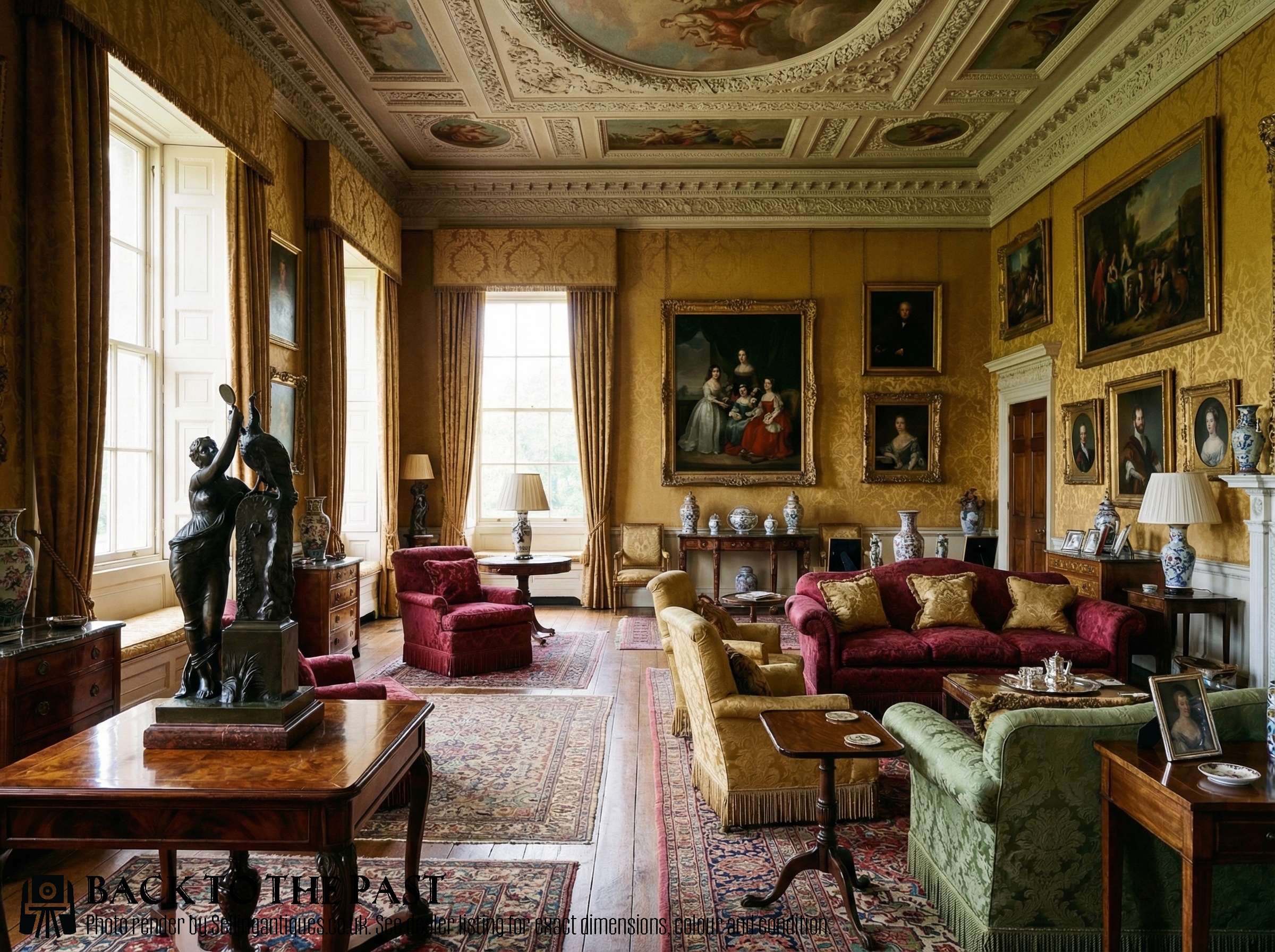
Materials and methods
Foundries produced these sculptures primarily through the lost-wax casting method or sand casting, which allowed intricate detail in hair, drapery and animal musculature. Artisans then finished the raw metal surfaces by hand, applying patination to achieve dark brown, green or golden tones.
Gilt bronze and ormolu pieces received layers of gold amalgam to create a bright, reflective finish popular in neoclassical and French Empire designs. Sculptors also utilised related materials such as spelter for more accessible figures and carved ivory for delicate flesh tones in chryselephantine works.
Many statues are anchored to solid stone foundations, utilising green marble, sienna marble or onyx as heavy, stable bases. These plinths often show precise cutting and polishing to complement the metallic tones of the figures above.
Antique Bronze Mantel Statue Retail Price Guide 2026
Typical asking prices for bronze mantel statue among the pieces listed under this phrase on Sellingantiques today, from the lower quarter to the upper quarter. They describe what is for sale here now, not the wider market.
Materials recorded across the inventory include patinated bronze, gilt bronze, ormolu, spelter, marble, onyx and ivory.
Markers of quality
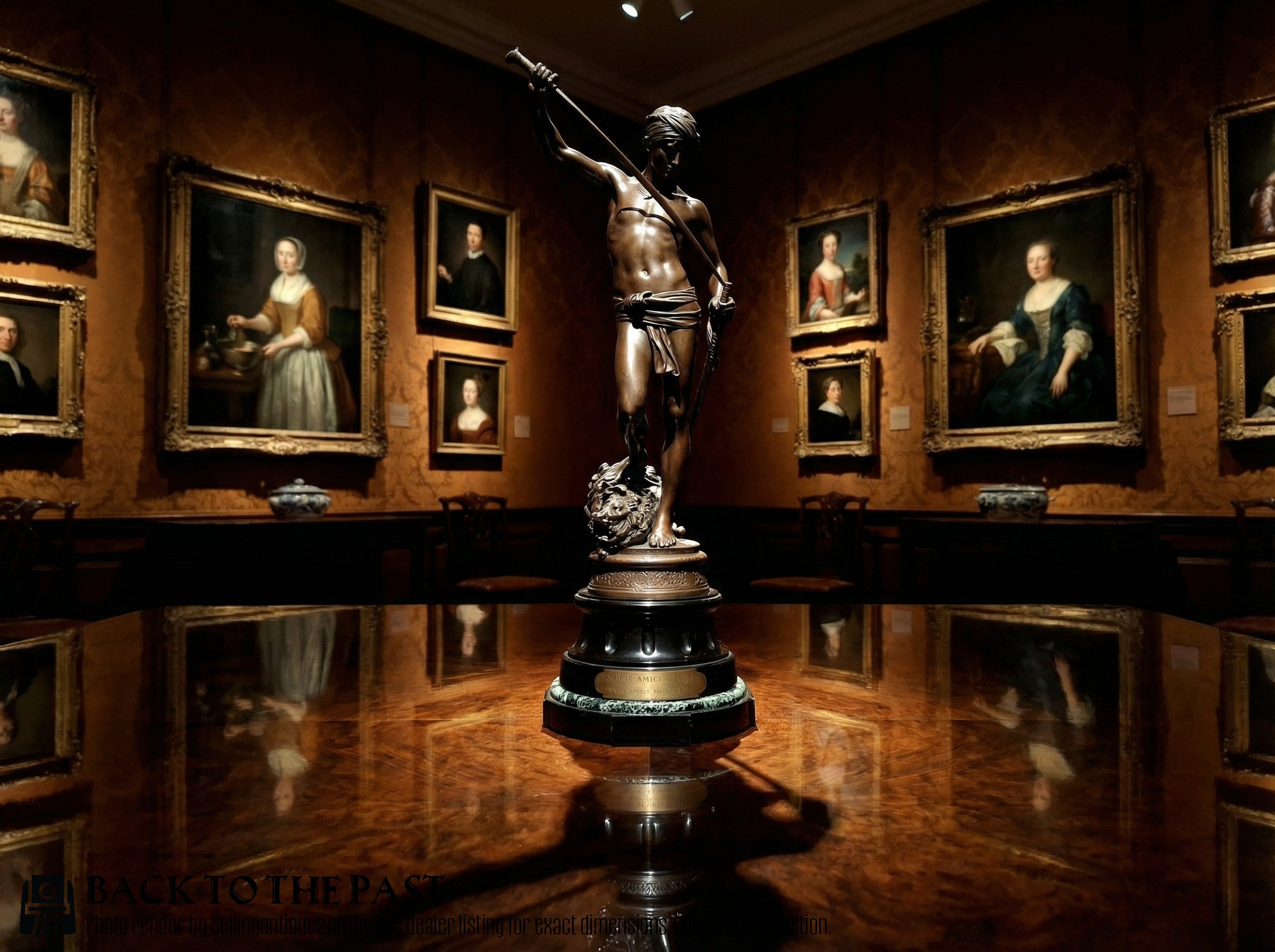
The distinction between ordinary and exceptional casts lies in the crispness of the chasing and the depth of the hand-finishing after the metal leaves the mould. Superior examples retain sharp facial expressions, distinct feather or fur textures, and clean separation between garments and skin.
Foundry marks and artist signatures contribute significantly to the standing of a piece, reflecting the reputation of prominent workshops and sculptors. The weight and quality of the supporting stone base, along with the richness of the chemical patina, further separate standard decorative items from masterworks.
Josef Lorenzl·Émile Louis Picault·Emile Carlier·John Willis Good·Clodion·Antoine Louis Barye·Barbedienne
The Antique Bronze Mantel Statue Glossary
- Patina
- The surface coloration and sheen developed through chemical treatment or age. This layer protects the metal and defines the visual mood of the sculpture.
- Ormolu
- Finely ground high-carat gold applied to a bronze base through a mercury amalgamation process. This technique creates a durable, luminous golden finish seen on French decorative objects.
- Animalier
- A nineteenth-century artistic style focused on the realistic depiction of animals, particularly wild beasts in motion or repose. Sculptors in this tradition studied anatomy closely.
- Spelter
- A zinc alloy utilised as a less expensive alternative to bronze, commonly found in figures and mantel pieces from the Victorian era onward. It often received a bronze-coloured paint or patina to imitate true metal.
- Chryselephantine
- A composite sculptural technique combining bronze with carved ivory or bone. Artists during the Art Deco period employed this method for dramatic figurative works.
Antique Bronze Mantel Statue: Frequently Asked Questions
Are these statues solid bronze?
Many figures are cast as hollow forms to reduce weight and metal consumption, while smaller figurines and decorative mounts may be solid. The casting thickness varies depending on the scale and the foundry's production methods.
Some pieces listed as bronze are actually constructed from spelter, a zinc-based alloy. Examining the underside or areas of wear can help reveal the true composition of the metal.
What is an animalier bronze?
Animalier refers to sculptures that depict animals with strict anatomical accuracy, capturing beasts in naturalistic poses or dramatic action. This movement gained prominence in nineteenth-century France through artists who frequented menageries.
These pieces range from charging bulls and stalking panthers to grazing horses and birds. They appeal to collectors seeking dynamic representations of wildlife.
Why are so many figures mounted on marble?
Stone bases provided structural stability for tall or slender bronze figures, preventing them from tipping over on mantelpieces. Materials like green marble, onyx and sienna stone also added visual weight and colour contrast.
In Art Deco designs, geometric marble and onyx plinths became an integral part of the overall aesthetic. The stone was often polished smooth to showcase natural veining.