






Antique Bronze Dance Sculpture
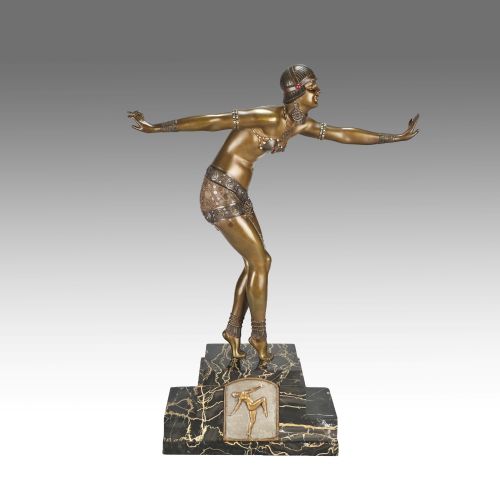
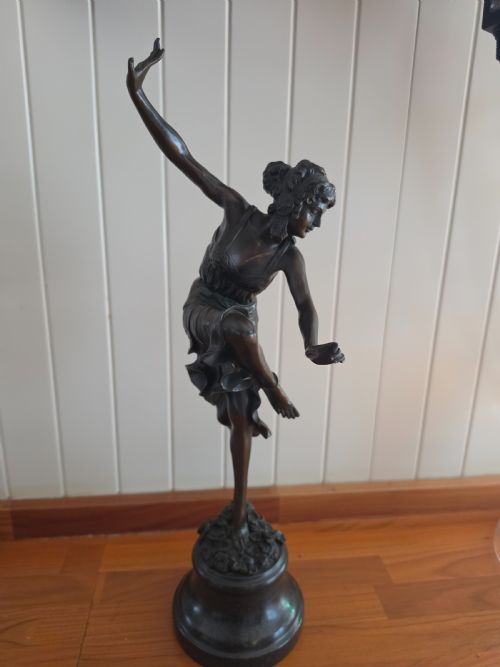
These pieces capture movement in metal, ranging from classical mythological figures to Art Deco dancers.
Antique Bronze Dance Sculpture
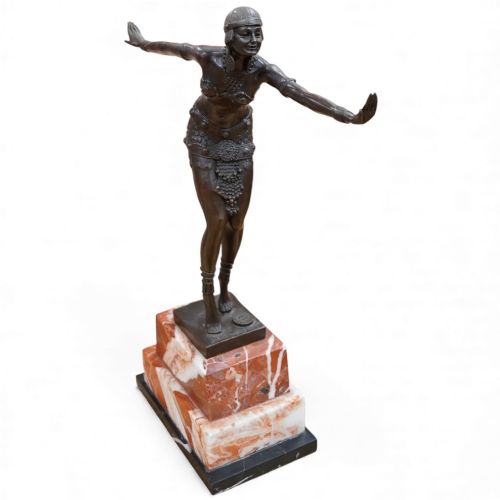
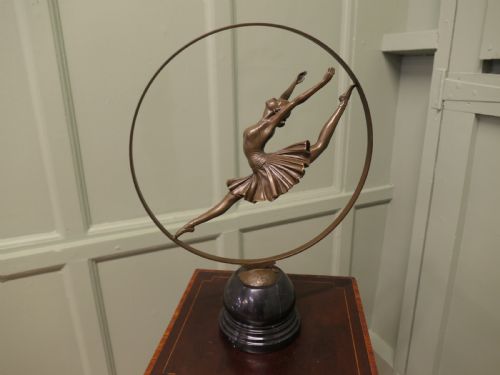
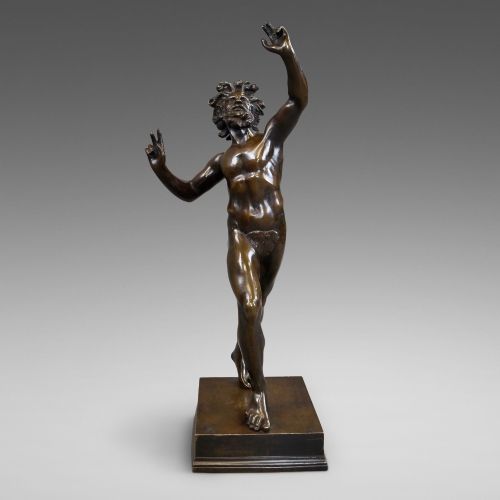
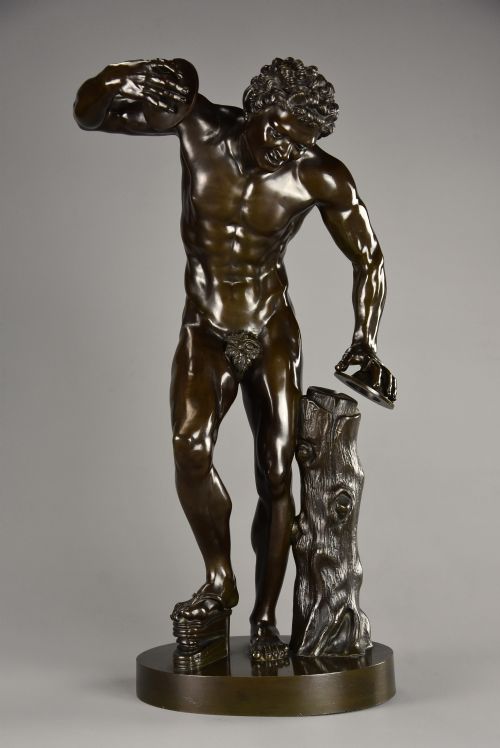
When you search for an antique bronze dance sculpture, you encounter figures cast to capture motion, spanning mythological dancers and twentieth-century performers. The most frequent examples include nineteenth-century Grand Tour reductions of classical fauns alongside Art Deco figures of leaping maidens.
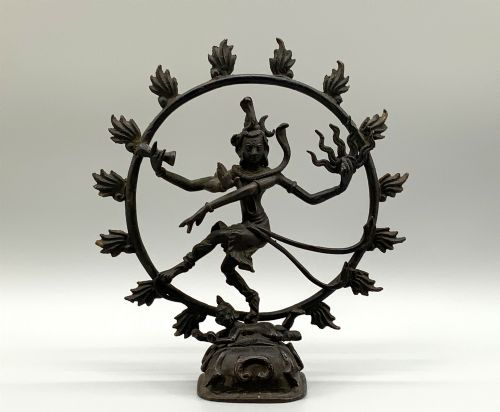
The subjects draw heavily on antiquity and modern cabaret alike. You find representations of Shiva Nataraja, Bacchus, and cymbal-playing nymphs alongside modernist depictions of high-kicking dancers.
These works bridge decorative arts and sculpture. They function as tabletop ornaments or cabinet pieces, anchored frequently on heavy stone plinths.
How they were made
The makers relied upon traditional foundry casting in bronze, patinated bronze, and gilt bronze, occasionally substituting spelter for cheaper production pieces. Many figures received applied chemical patination to achieve dark brown, green, or silvered surfaces.
Finished metal figures were mounted onto heavy bases. Marble, onyx, and wood served as plinths to ground the dynamic weight of the dancing poses.
Several dancing fauns hold cymbals or clappers, ready to make noise at a moment's notice.
What varies in quality
The quality of the base material and the depth of the patination dictate the overall presence of the object. Heavier marbles and nuanced patination distinguish the higher end of the range.
Pierre Collinet·Demetre Chiparus·Aurore Onu·Auguste Moreau·S. Kinsburger·Josef Lorenzl·Clodion·Augusto Rivalta·Eugène Désiré Piron·Carrier·Bruno Zach·Charlotte Monginot·Mario Korbel
The Antique Bronze Dance Sculpture Glossary
- Grand Tour
- A nineteenth-century tradition where travellers collected classical souvenir sculptures in Italy. These bronze reductions replicate famous antiquities discovered in Pompeii and Naples.
- Patination
- The chemical treatment applied to the surface of the metal to alter its colour. A controlled patination produces rich brown, green, or black tones.
- Spelter
- A zinc alloy utilised as a cheaper alternative to bronze. It was commonly cast for decorative figures during the Art Deco period.
- Chasing
- The manual finishing of a bronze casting using chisels and punches. This process refines the surface detail before patination.
Antique Bronze Dance Sculpture: Frequently Asked Questions
What periods do these sculptures cover?
The listings span from the early nineteenth century through to the Art Deco period of the 1920s and 1930s. They include classical revival pieces and modernist designs.
Nineteenth-century items lean towards mythological subjects and Grand Tour souvenirs, while later decades favour contemporary dancers and stylized performers.
How do I distinguish bronze from spelter?
Bronze is a heavy copper alloy that takes a deep, durable patination and rings with a clear tone. Spelter is a softer zinc alloy that feels lighter and often shows grey metal beneath worn paint.
Foundry marks and chiselled details also help confirm genuine bronze work over cast spelter alternatives.
What are Grand Tour bronzes?
Grand Tour bronzes are nineteenth-century miniature souvenirs purchased by travellers visiting European archaeological sites. They typically reproduce famous statues excavated in Pompeii.
These pieces allowed collectors to display classical antiquities within their own homes.
How should I display them at home?
Most of these sculptures feature integral stone or wooden bases designed to sit upon flat surfaces like mantelpieces, desks, or cabinets. Ensure the placement offers stable support for the weight of the marble and metal.
Keep them away from direct heat sources to protect the patination and any stone plinths.