

Antique Bronze Accent Table
An antique bronze accent table brings distinct metallic warmth and historical weight to a room, functioning as a practical surface or decorative light source.
Antique Bronze Accent Table
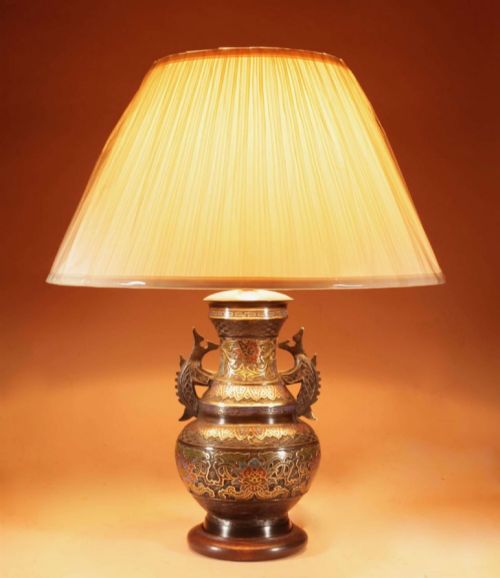
When searching for an antique bronze accent table, buyers encounter a diverse selection of nineteenth-century and early twentieth-century furnishings. These pieces primarily manifest as small surface tables and illuminated bronze fixtures rather than large dining furniture.
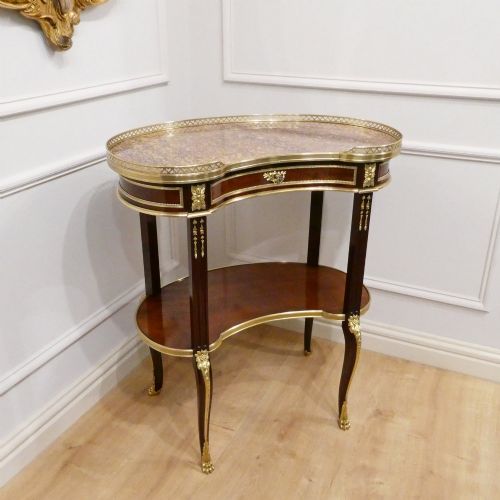
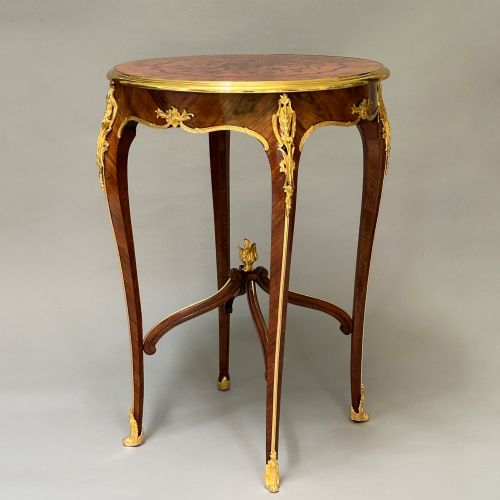
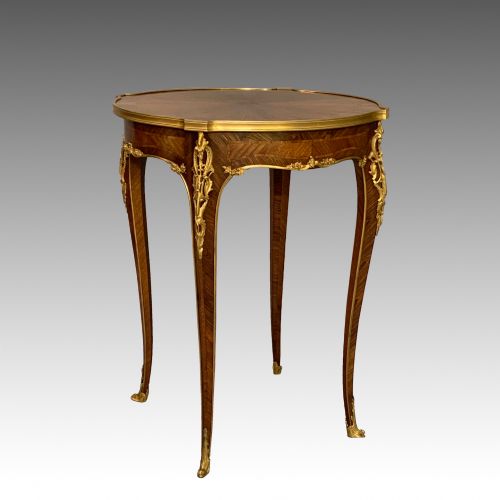
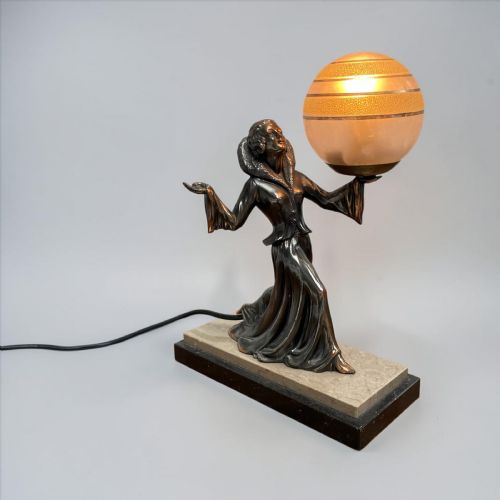
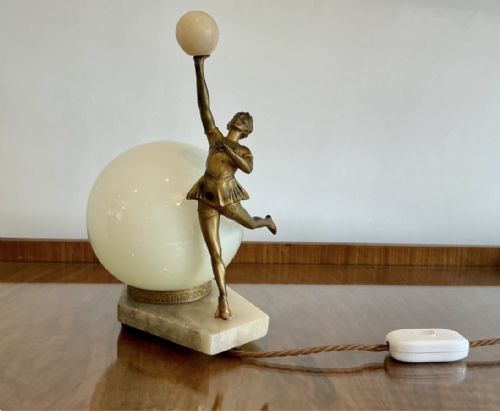
The inventory on this page spans several distinct French and English revivals alongside Art Deco iterations. Occasional tables, guéridons, and table lamps dominate the selection, often incorporating mixed media into their compact frames.
Materials and construction
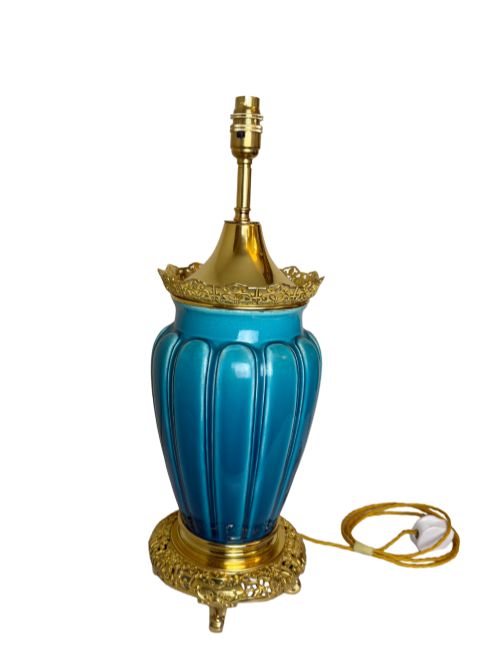
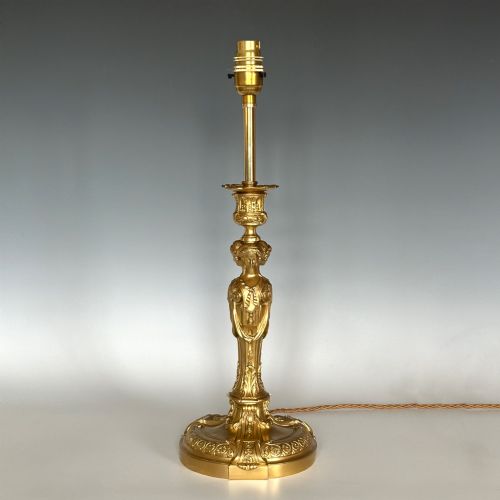
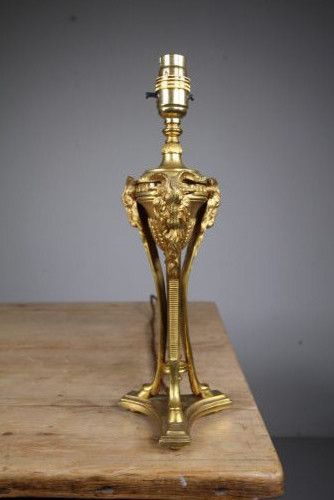
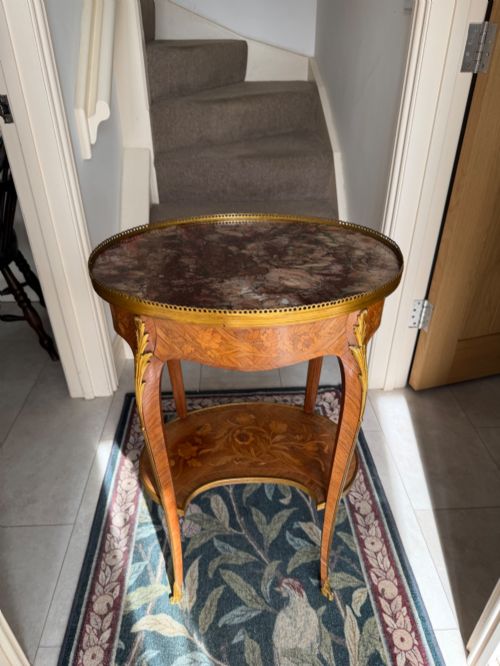
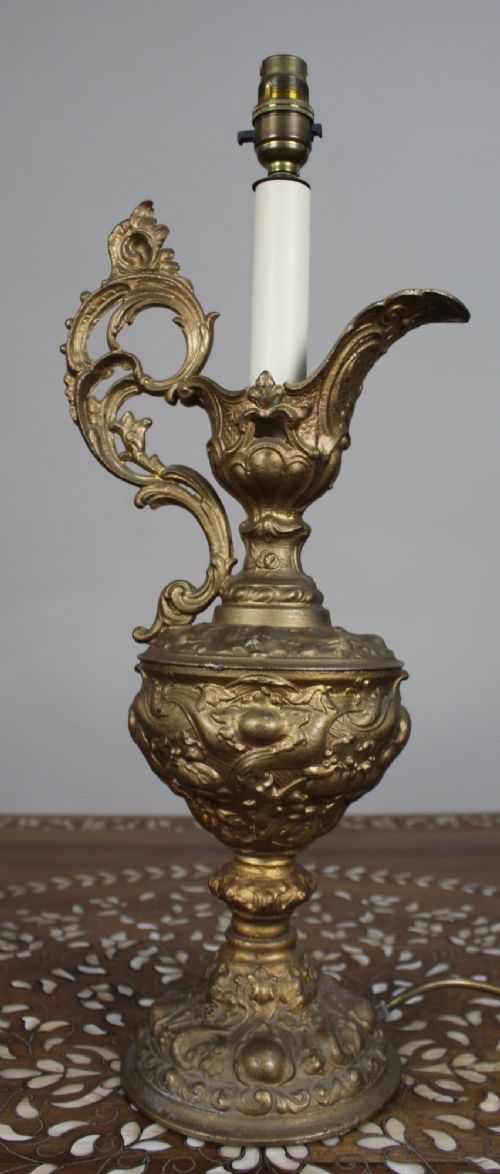
The construction relies heavily on cast metals combined with dense hardwoods like mahogany and kingwood. Gilt bronze and ormolu mounts provide decorative enrichment to structural wooden carcases or stone elements.
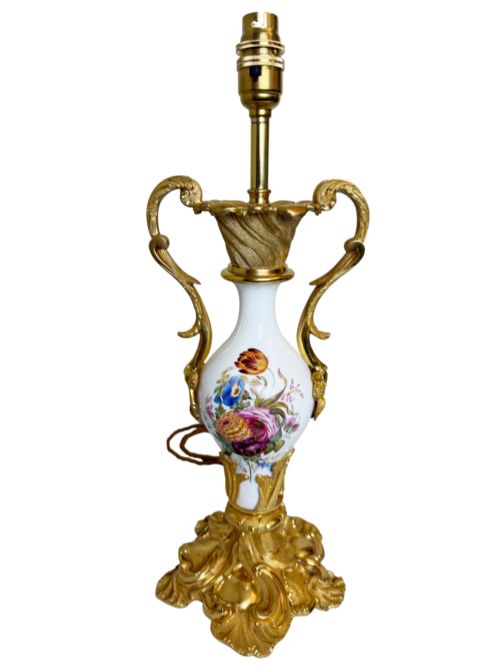
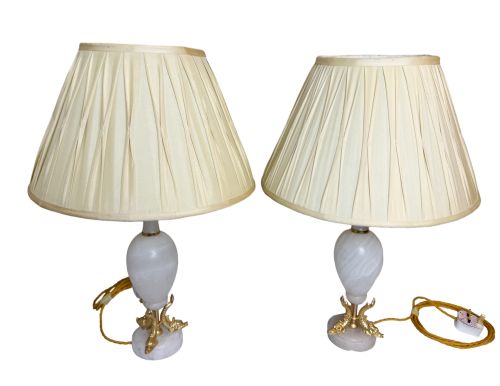
Inlaid marquetry, parquetry, and contrasting veneers frequently detail the timber surfaces. Marble tops and porcelain or crystal body components appear regularly alongside the metalwork.
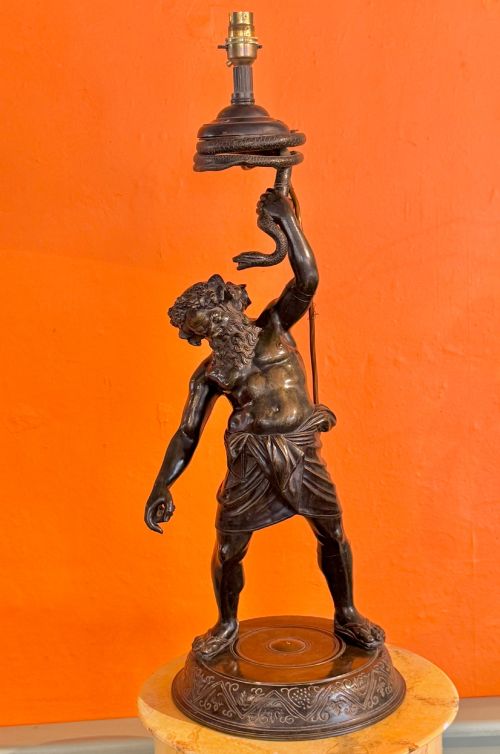
Several bronze tables double as whimsical animal lamps shaped like dogs, parrots, and dolphins.
Craftsmanship and detail
Quality rests in the precision of the metal casting and the crispness of the chasing. Superior examples display sharply defined ornamentation without softness in the relief work.
The grade of the secondary materials, such as figured mahogany, finely turned marble, and secure marquetry joints, distinguishes finer workshop output from simpler production.
Maison Millet·Joseph-Emmanuel Zwiener·G. Amodio Naples·François Linke·Gabriel Viardot
The Antique Bronze Accent Table Glossary
- Ormolu
- High-quality gilded bronze achieved through an mercury amalgamation process, frequently utilised on French furniture mounts. It provides a rich, warm golden tone.
- Guéridon
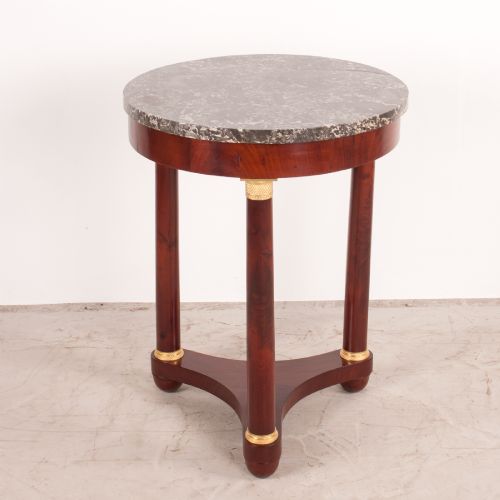
- A small, round occasional table supported by a central pillar or multiple legs. Originating in the seventeenth century, these tables serve as decorative display surfaces.
- Kingwood
- A dense, heavily figured Brazilian timber with dark violet-brown contrasting streaks. Makers prized it for veneering high-end nineteenth-century tables.
- Champlevé
- An enamelling technique where troughs are carved into the metal surface and filled with vitreous paste before firing. It appears on decorative Japanese and European bronze pieces.
- Bouillotte table
- A small French neoclassical side table featuring a raised gallery rim designed to contain card counters or small items. They typically incorporate marble tops and slender legs.
Antique Bronze Accent Table: Frequently Asked Questions
What distinguishes an ormolu mount from brass?
Ormolu consists of a cast bronze base treated with a mercury gilt layer, producing a deep, rich metallic lustre that differs from standard brass.
Over time, genuine ormolu retains a subtle warmth and patina that untreated brass typically lacks.
How do I identify a guéridon table?
A guéridon is characterised by its compact, circular surface and a central supporting column or tripod leg arrangement.
These pieces were traditionally positioned beside seating to hold small objects or lighting.
Where should I place an accent table in my home?
These compact tables suit living rooms as bedside surfaces, hallway stands, or decorative lamp tables.
Their restrained proportions allow them to fit easily beside larger upholstery pieces without crowding the floor plan.
Are these lamps period originals?
The lighting fixtures listed originate from the nineteenth and early twentieth centuries, featuring period bronze or spelter structures.
Wiring is frequently updated for modern domestic use while retaining the antique metal components.