


Antique Brienz Bear
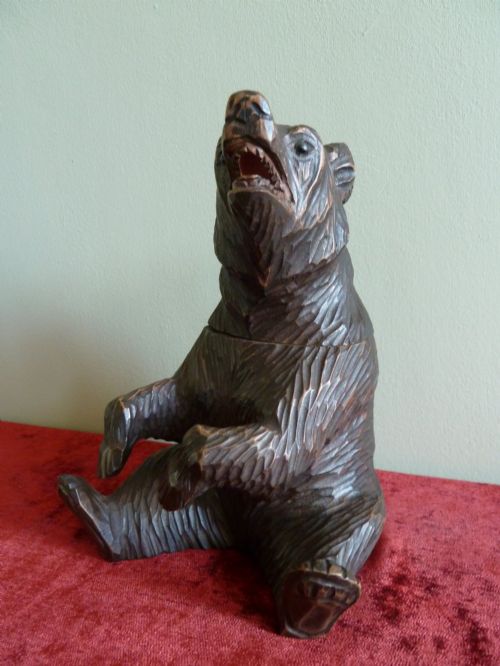
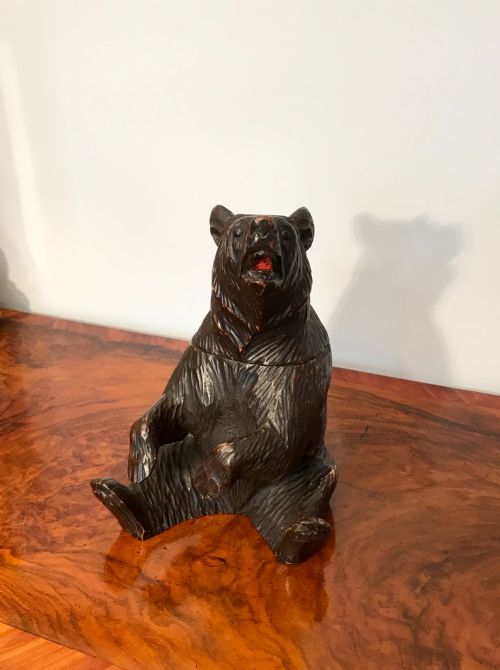
An antique brienz bear is a masterclass in Swiss woodcarving that brings character and rustic charm into any interior.
Antique Brienz Bear
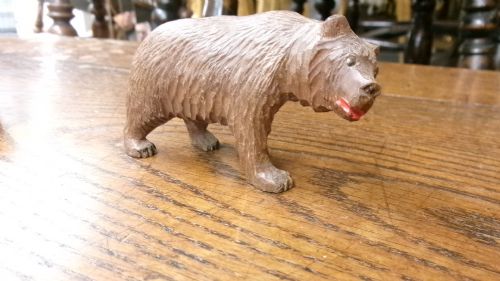
When you search for an antique brienz bear, you are looking at figurative carvings that capture the posture and expression of bears in astonishing detail. These pieces originate from the Swiss woodcarving tradition associated with the Black Forest and Swiss folk art styles. The selection ranges from miniature figurines and condiment holders to large functional pieces like stick stands and hall stands.
You are most likely to meet sculptures carved from linden wood and walnut, dating primarily from the nineteenth century into the Edwardian era. Smaller items such as tobacco boxes, humidors, and inkwells appear alongside pairs of bears and larger decorative sculptures. Each piece demonstrates the sculptural skill developed in alpine workshops during the nineteenth century.
Materials and Techniques
Carvers utilised linden wood and walnut for their fine grain and predictable response to hand tools. These timbers allowed artisans to render fur texture, muscular form, and lifelike facial expressions with precision.
The construction often integrated functional elements, turning animal figures into tobacco jars, inkwells, and umbrella stands by hollowing the timber or combining carved wood with brass, glass, and metal fittings.
Judging Quality
The distinction between ordinary and exceptional carvings lies in the liveliness of the posture and the depth of the fur rendering. Master carvers captured anatomical realism and character rather than relying on stiff symmetry.
Scale and complexity also separate pieces, where large hall stands or detailed double stick stands represent a greater investment of workshop time than miniature figures.
The Antique Brienz Bear Glossary
- Linden wood
- A pale, fine-grained timber favoured by European carvers for its cooperative texture and lack of heavy grain. It allowed artisans to execute deep undercutting and minute fur details without splintering.
- Black Forest
- A regional style of decorative woodwork originating from the mountain regions of Central Europe. It is characterised by realistic animal and plant motifs, particularly bears and foliage.
- Humidor
- A specialised box or jar designed to keep tobacco moist. In this category, they take the sculptural form of a bear holding a vessel or log.
- Stick stand
- A hall furniture piece designed to hold walking sticks and umbrellas. Examples in this category incorporate carved bears into the structural support.
- Swiss folk art
- Traditional decorative objects made by regional artisans using local materials and vernacular motifs. These items combine everyday utility with expressive figurative sculpture.
Antique Brienz Bear: Frequently Asked Questions
What were antique brienz bears used for?
These carved bears served both decorative and practical purposes in nineteenth-century homes. Many functioned as tobacco jars, humidor boxes, inkwells, or umbrella and stick stands.
Others remained purely decorative, functioning as mantle sculptures, condiment figures, or miniature sets designed to display the carver's skill.
How do I date a carved bear?
Dating relies on stylistic clues, material choices, and associated hardware such as brass hinges or etched glass inserts. Pieces often span the nineteenth century through the Edwardian period.
Reference to specific eras like the Victorian period or around nineteen hundred helps place the carving within the peak of alpine production.
Where were these carvings made?
The carvings originate from the Swiss woodcarving tradition rooted in Brienz, alongside broader Black Forest workshop production. Artisans in these mountainous areas specialised in figurative wood sculpture.
The regional style spread across Europe during the nineteenth century, appealing to collectors of Swiss folk art.
How should I care for linden wood carvings?
Maintain these wooden sculptures by keeping them away from direct sunlight and sudden changes in humidity. Dust gently with a soft, dry brush to protect the carved fur texture.
Avoid liquid polishes or harsh cleaning agents that can penetrate the grain and alter the historic surface patina.