


Antique Bridal Jewellery
When you search for antique bridal jewellery, you uncover enduring pieces like diamond rings, pearl necklaces, and platinum bands worn for weddings across the decades.
Antique Bridal Jewellery
When buyers search for antique bridal jewellery, they encounter items specifically created or worn for weddings, ranging from engagement rings to ceremony bands. These selections encompass items designated as antique bridal jewellery from varied periods including the Victorian era, Edwardian period, and the twentieth century.
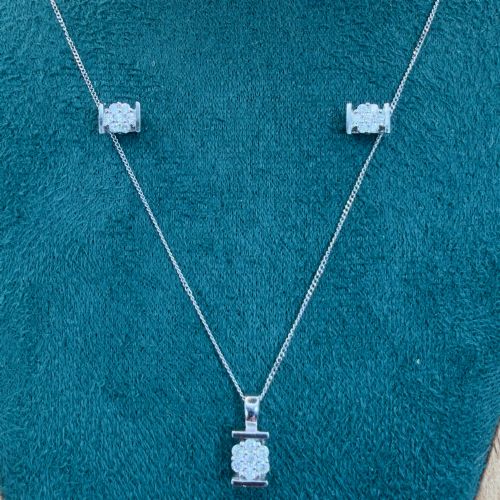
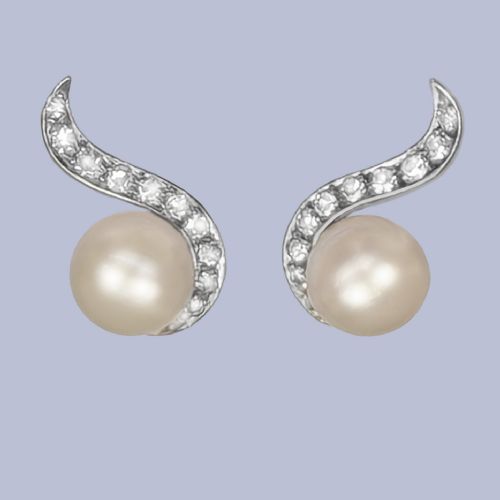
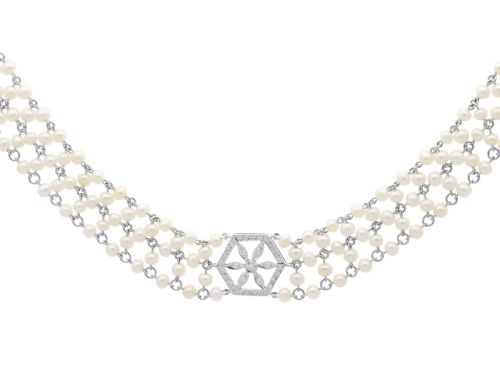
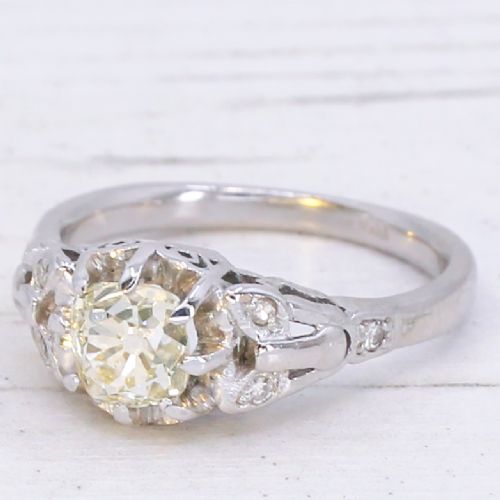
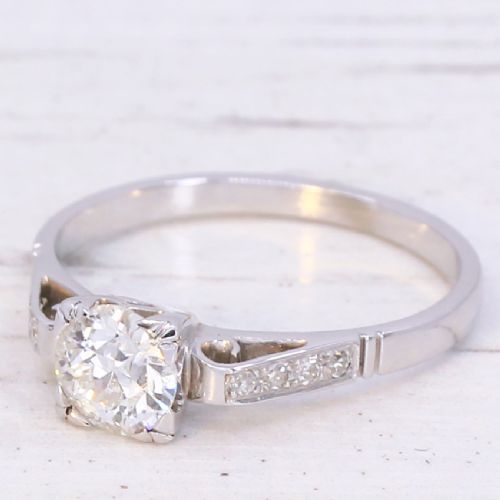
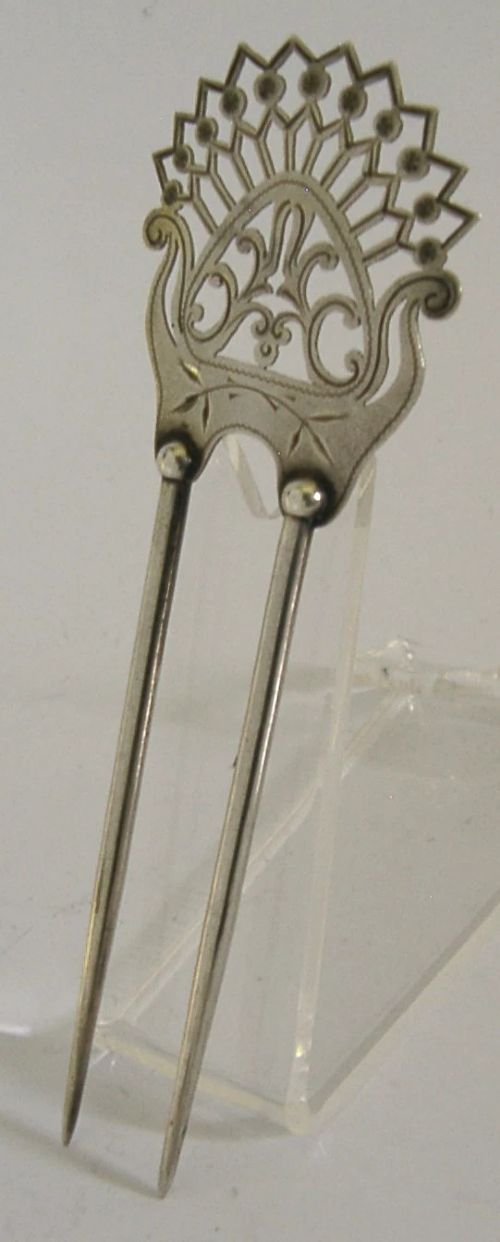
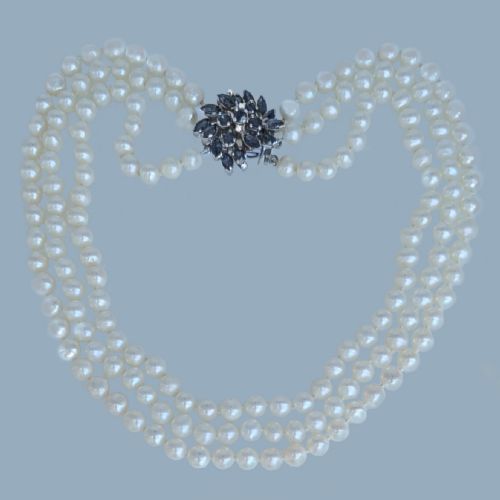
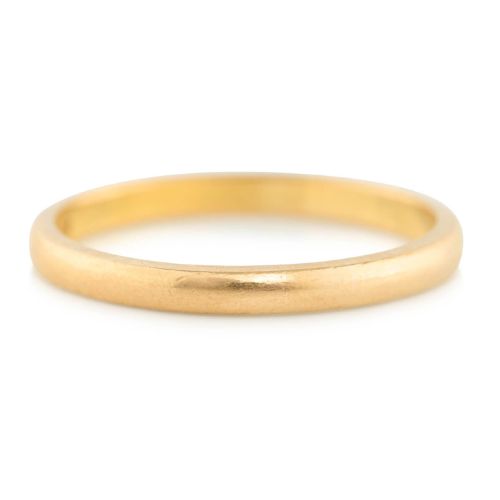
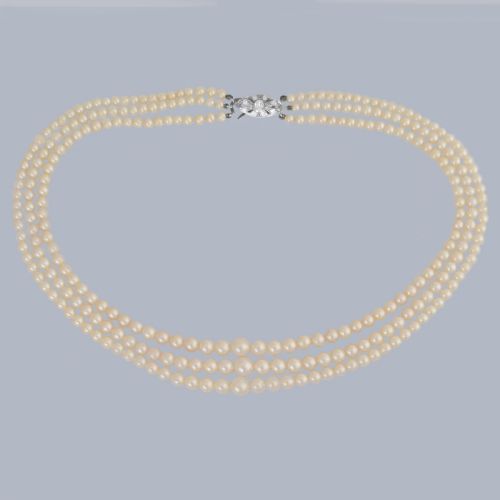
The objects span rings, necklaces, drop earrings, tiaras, and hair accessories. Engagement rings and wedding bands sit alongside pearl necklaces fastened with diamond clasps and convertible tiaras.
The most common forms on this page include diamond engagement rings, multi-strand pearl necklaces, and precious metal drop earrings. These pieces bridge historical eras from Georgian origins through to mid-century designs.
How they were made
Metals such as platinum, silver, gold, and white gold form the structural foundations of these items, often worked into bands, settings, and delicate mounts. Platinum and gold provide durable settings for old cut diamonds and coloured gemstones.
Gemstone selection relies heavily on diamonds, cultured pearls, seed pearls, and natural pearls, supplemented by sapphires, emeralds, garnets, zircon, paste, and marcasite. Stones are typically old cut or old European cut and set alongside strung pearls.
Listings feature items from the Victorian, Edwardian, and Art Deco periods, created in gold, platinum, and silver with diamonds and pearls.
What varies in quality
The calibre of workmanship reveals itself in the precision of the metalwork, whether platinum, gold, or silver, and the harmony of the design. Art Deco and Edwardian pieces show varying degrees of finesse in their intricate settings.
Gemstone selection dictates distinction, separating standard stones from large old cut diamonds and uniform cultured saltwater pearls. The integration of maker details, certified gems, or convertible elements like starburst brooches elevates specific examples.
H H Curtis
The Antique Bridal Jewellery Glossary
- Old cut diamond
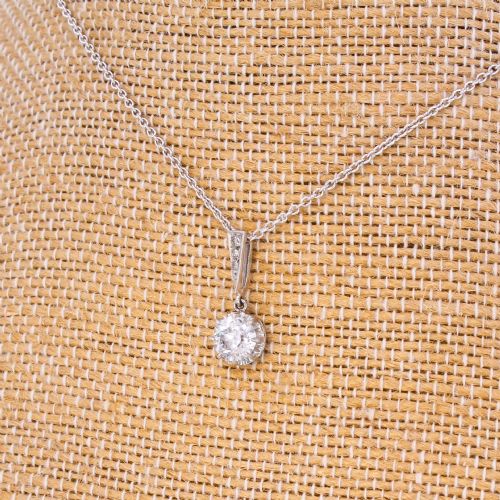
- A diamond cut in the older style with a smaller table and higher crown, typical of stones found in antique rings and pendants.
- Cultured pearl
- A pearl formed with human assistance by placing a nucleus inside an oyster, frequently seen in multi-strand necklaces.
- Platinum
- A dense, durable precious metal utilised in Art Deco settings for its strength and bright white lustre.
- Paste
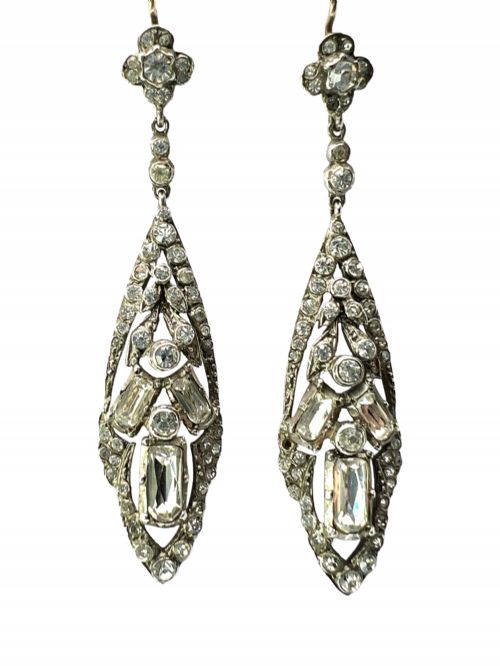
- Faceted glass used historically as a gemstone substitute in decorative earrings and dress pieces.
- Tiara
- An ornamental jewelled head ornament worn on formal or bridal occasions, sometimes designed to convert into a brooch.
Antique Bridal Jewellery: Frequently Asked Questions
What periods do these pieces span?
The items range from the Georgian era and the nineteenth century through Victorian and Edwardian times, extending into Art Deco and mid-century decades.
This broad timeline means designs shift from ornate nineteenth-century starburst tiaras to geometric platinum bands and twentieth-century pearl strands.
How were pearl necklaces worn?
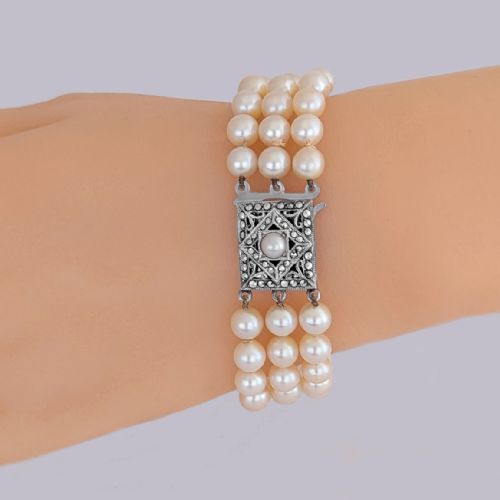
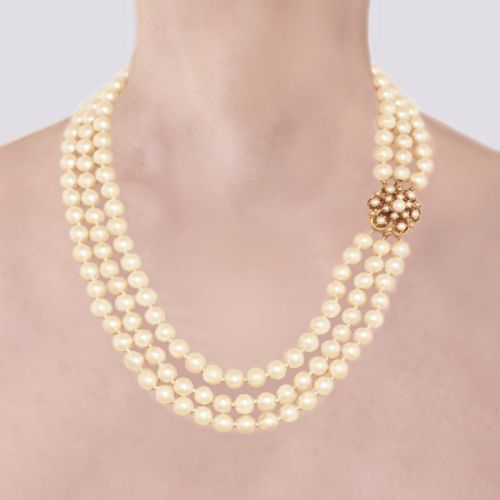
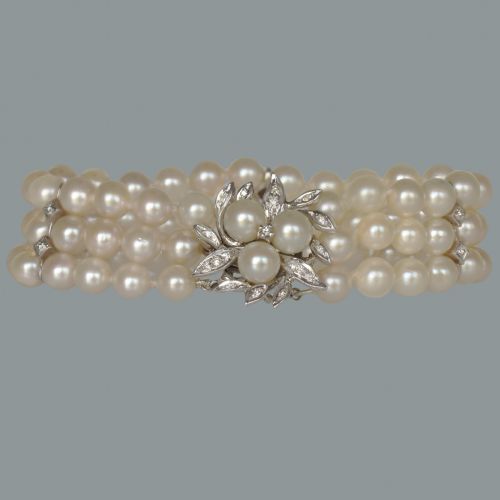
Single, double, and triple strand pearl necklaces served as traditional adornments for brides, often secured with elaborate diamond or gemstone clasps.
These clasps were frequently designed to be worn visibly at the front or side of the neck as a decorative feature.
Are tiaras wearable today?
Victorian tiaras offered versatility through convertible mechanisms that allowed the central motif to detach and function as a brooch or pendant.
This adaptability made formal headpieces practical for repeated use beyond the wedding day.
What metals are most common?
Gold in various carats, platinum, silver, and white gold dominate the metalwork across rings, bands, and earring mounts.
Platinum and white gold gained particular prominence during the Edwardian and Art Deco periods for intricate filigree and secure stone settings.