
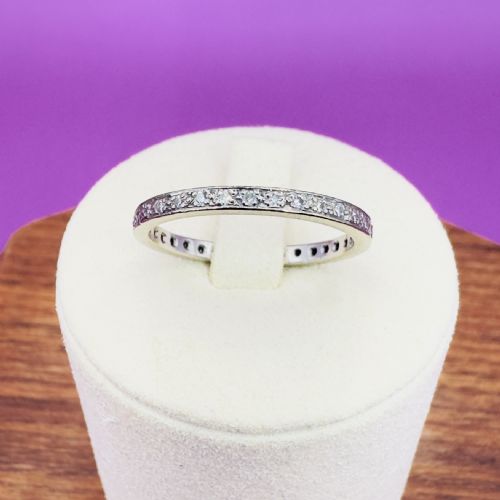
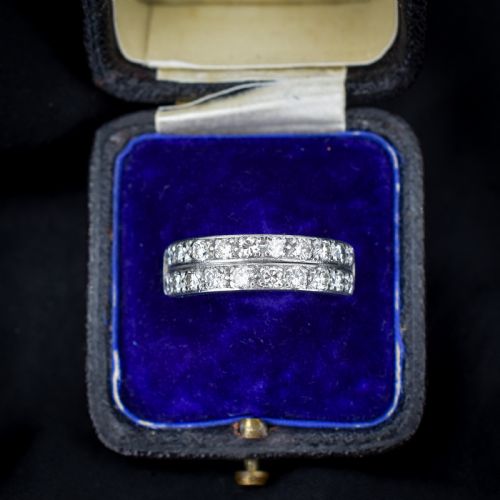


White Gold Diamond Band
A white gold diamond band brings together crisp precious metal and brilliant stones, offering a wearable piece of history from the early twentieth century onwards.
White Gold Diamond Band
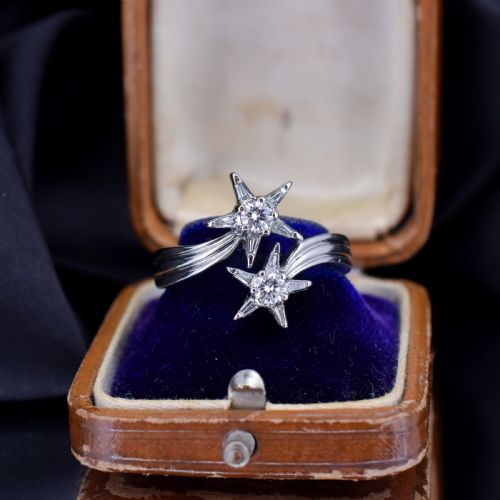
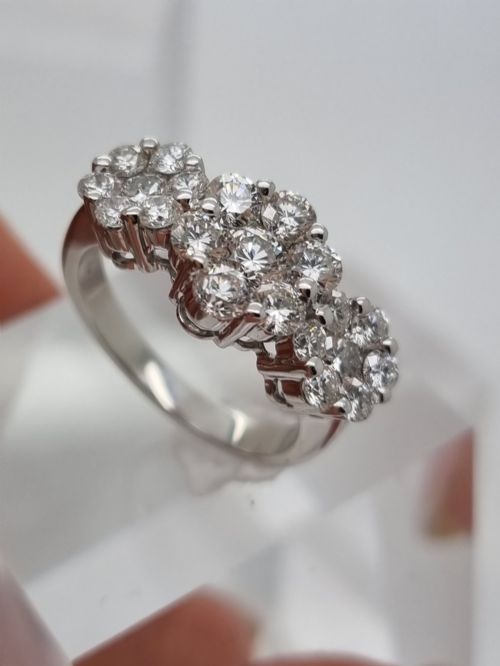
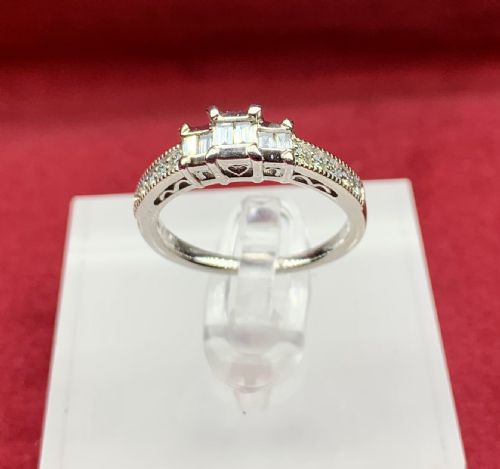
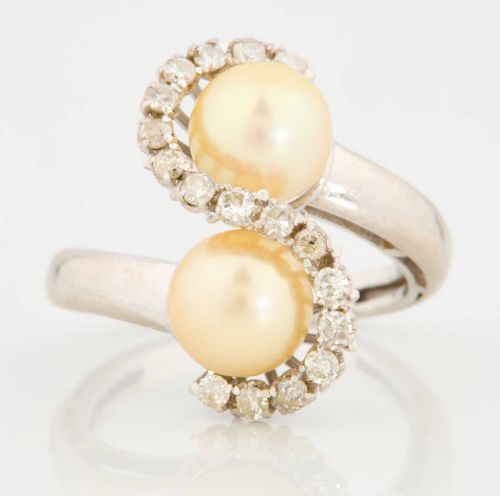
A white gold diamond band encompasses various ring styles from early twentieth-century designs through to later twentieth-century iterations. Buyers searching this phrase encounter engagement rings, cluster rings, and continuous eternity bands set in pale precious metals.
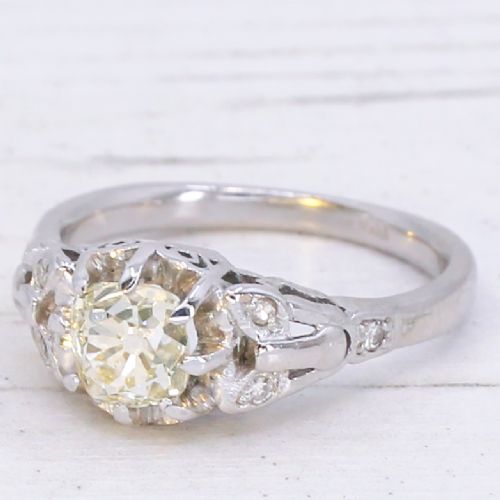
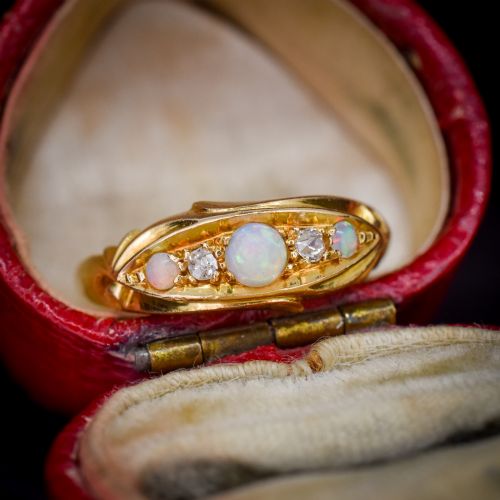
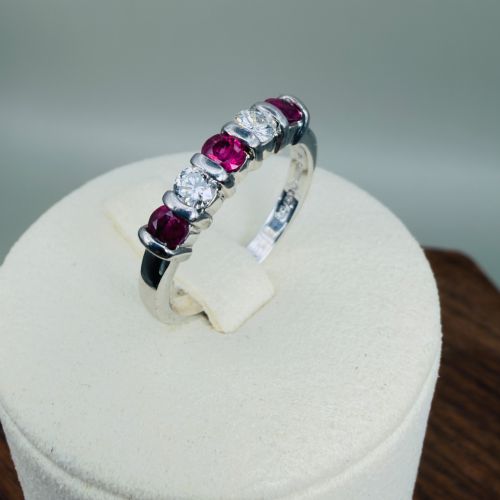
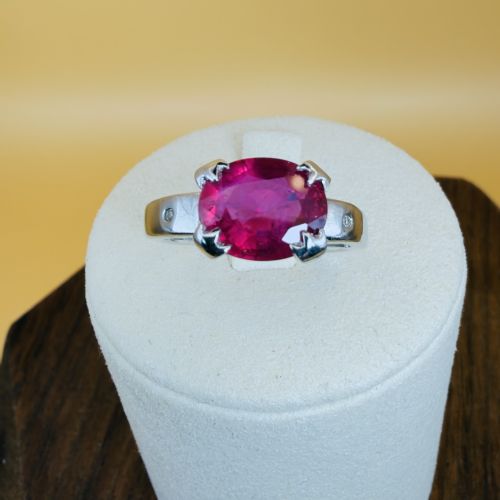
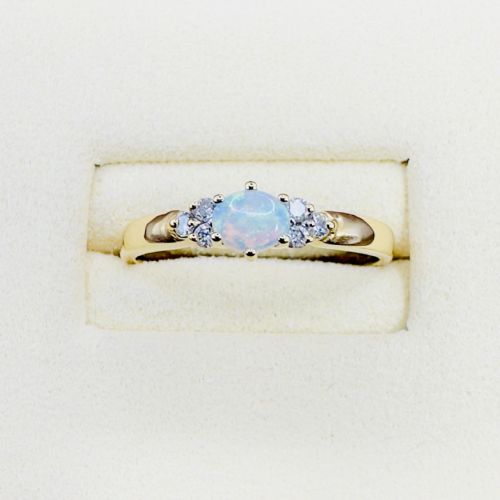
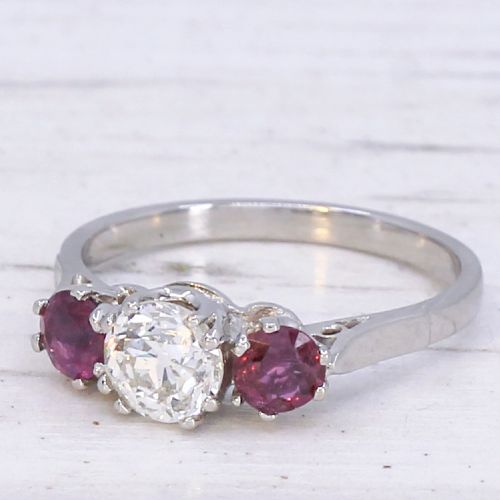
The selection ranges from Edwardian and Art Deco creations to mid-century specimens. Many pieces combine diamonds with rubies, emeralds, or opals, often utilising traditional settings such as claws or channels.
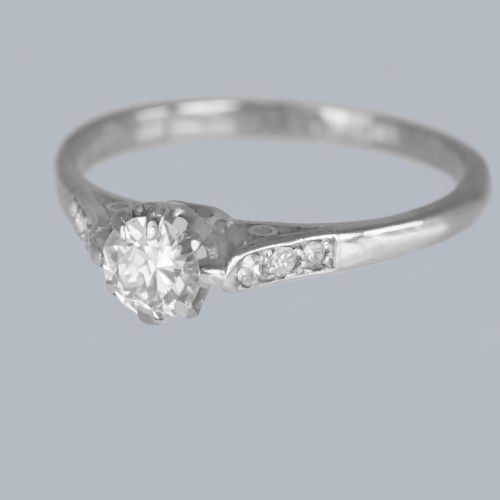
Pieces from the 1950s and 1960s appear frequently alongside older twentieth-century variants. These range from simple solitaire mountings to multi-stone arrangements incorporating old cut or transitional cut diamonds.
Materials and construction
Maker workshops utilised 18ct white gold, 14ct white gold, and platinum to mount diamonds and coloured gems. Combinations of white and yellow gold also feature across several vintage examples.
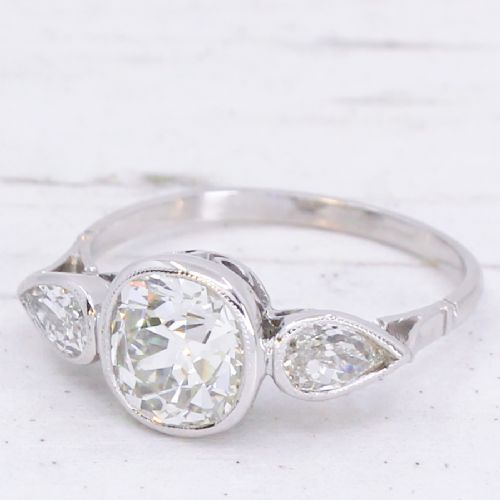
Gems include old cut, cushion cut, pear cut, and transitional cut diamonds alongside natural rubies, emeralds, and opals. Stones are secured using claw settings, bezel mountings, or integrated channel formations within the band.
White Gold Diamond Band Retail Price Guide 2026
Typical asking prices for white gold diamond band among the pieces listed under this phrase on Sellingantiques today, from the lower quarter to the upper quarter. They describe what is for sale here now, not the wider market.
Listings feature white gold and platinum bands spanning the Edwardian era, Art Deco period, and mid-century decades.
Defining characteristics of quality
Quality rests upon the precision of the stone setting and the integrity of the metalwork. Hand-finished details and secure claw placement distinguish finer examples from standard production pieces.
The visual harmony between the diamond cut and the surrounding band design dictates the overall success of the piece. Matching stone proportions and clean metal lines elevate the standard of the jewellery.
The White Gold Diamond Band Glossary
- Old cut
- A vintage diamond cutting style characterised by a high crown, small table, and deep pavilion, designed to catch candlelight.
- Eternity ring
- A band set continuously with gemstones symbolising endless affection, produced in full or half eternity variations.
- Transition cut
- A diamond cut used during the shift from old European cuts to modern brilliant cuts, possessing traits of both styles.
- Boat ring
- A boat-shaped mounting style featuring a curved cluster of gems popular in antique and Edwardian jewellery.
- Solitaire
- A single gemstone mounted centrally on a band, most commonly utilised for engagement rings.
White Gold Diamond Band: Frequently Asked Questions
How do I clean my white gold diamond band?
Use warm water with mild washing liquid and a soft brush to remove everyday oils and debris from the mountings.
Dry the piece thoroughly with a soft cloth to maintain the polish of the white gold and the brilliance of the diamonds.
Can these rings be resized safely?
Most solid metal bands allow for resizing by a skilled jeweller, though eternity designs with stones set all the way around present difficulties.
Consult a professional to assess the specific band construction and stone settings before attempting any alterations.
How do I identify an Art Deco ring?
Art Deco pieces typically display geometric motifs, linear structures, and symmetrical arrangements of diamonds alongside materials like platinum and white gold.
These designs emerged during the 1920s and favour stylised patterns over the flowing curves of earlier Edwardian work.
What is a transitional cut diamond?
A transitional cut diamond represents the evolution in lapidary techniques between 1930 and 1950, bridging older hand-cut methods and modern brilliance.
These stones combine a smaller table and open culet with a more standardised facet pattern than their predecessors.