




Vintage Promise Ring
A vintage promise ring represents a lasting commitment through enduring period designs crafted in gold, platinum, and precious stones.
Vintage Promise Ring
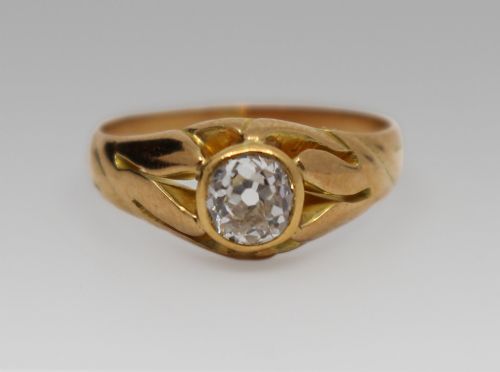
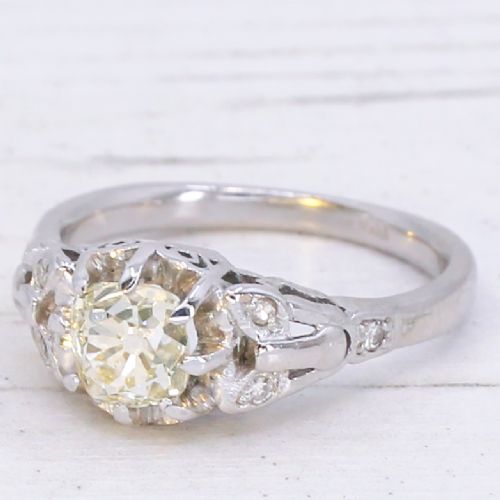
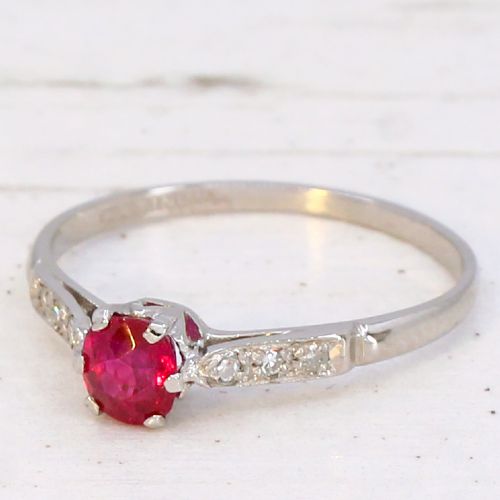
A vintage promise ring draws upon distinct historical eras, ranging from Victorian and Edwardian pieces to Art Deco and mid-century designs. When searching for a vintage promise ring, buyers encounter a variety of forms including traditional solitaire settings and multi-stone arrangements.
The selections available span multiple decades, incorporating styles from the early twentieth century through to the late twentieth century. These pieces primarily function as tokens of affection and commitment, echoing the aesthetic preferences of their original periods.
Materials and construction methods
The construction of these pieces relies heavily on precious metals such as yellow gold, rose gold, white gold, 18ct gold, 9ct gold, and durable platinum. Goldsmiths utilised these metals to securely house central gemstones while maintaining delicate structural lines.
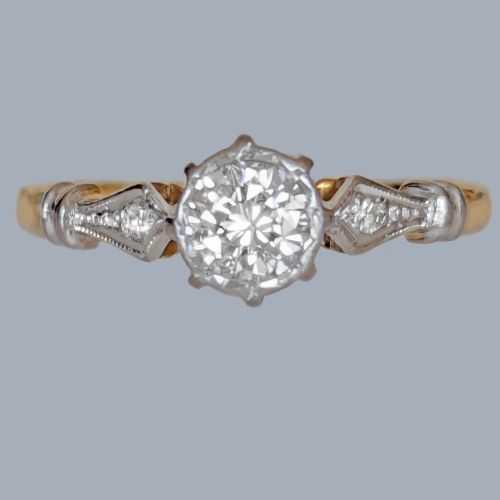
Diamonds and sapphires serve as the primary stones, shaped in cuts characteristic of their respective eras, such as old cut diamonds and cushion cuts. Metalwork techniques combined gold bands with platinum settings, particularly during the Art Deco and Edwardian periods, to provide enhanced strength and contrast.
Distinctions in craftsmanship
The standard of a piece is determined by the precision of the stone setting and the integrity of the precious metal work over time. Finer examples display meticulous claw or bezel work that secures the diamond or sapphire without compromising the elegance of the design.
The weight and purity of the gold or platinum, alongside the clarity and cut of the stones, establish the upper tier of the range. Original period execution and the preservation of intricate details further separate standard examples from superior specimens.
The Vintage Promise Ring Glossary
- Solitaire
- A ring setting featuring a single central gemstone, most commonly a diamond. This minimalist style focuses attention entirely upon the main stone.
- Old cut
- A diamond cutting style prevalent in antique and vintage pieces, characterised by a smaller table, higher crown, and larger culet. These stones exhibit a distinctive, softer scintillation under candlelight.
- Toi et Moi
- A French term meaning you and me, describing a ring design featuring two main gemstones placed side by side. This style symbolises the union of two individuals.
- Platinum
- A dense, strong, and malleable white metal utilised extensively in Edwardian and Art Deco jewellery for intricate settings. Its durability allows for very fine metalwork.
Vintage Promise Ring: Frequently Asked Questions
What defines a vintage promise ring?
A vintage promise ring is an authentic piece of jewellery from a past era, typically featuring precious metals like gold or platinum and set with diamonds or sapphires.
These rings were originally created as tokens of devotion or engagement during periods such as the Edwardian or Art Deco eras, carrying the distinctive craftsmanship of those times.
How do I identify an Edwardian ring?
Edwardian rings, dating from the early twentieth century, frequently utilise platinum-topped gold and delicate openwork designs. They often showcase old cut diamonds in graceful, light settings that emphasise intricate detail.
The aesthetic focuses on lightness and floral or geometric motifs, reflecting the refinement of the period between the Victorian era and the First World War.
Can I wear a vintage ring daily?
Wearing a vintage ring daily is entirely possible, provided the piece is constructed from robust metals like 18ct gold or platinum. Regular checks help ensure the stones remain secure within their original settings.
Careful handling during manual tasks preserves the delicate metalwork and prevents unnecessary wear on antique prongs and shanks.
What is an old cut diamond?
An old cut diamond is a historical gemstone cutting style that precedes modern brilliant cuts. These stones feature deep proportions and hand-faceted surfaces designed to catch gaslight and candlelight.
Their unique geometry produces a distinctive, charming visual depth rather than the sharp brilliance associated with contemporary diamond cutting techniques.