


Antique Bread Safe
An antique bread safe is a traditional storage piece designed to keep loaves fresh, combining practical domestic utility with rustic charm.
Antique Bread Safe
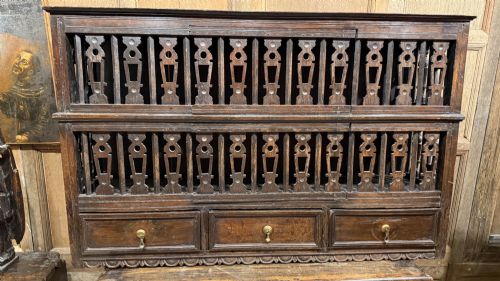
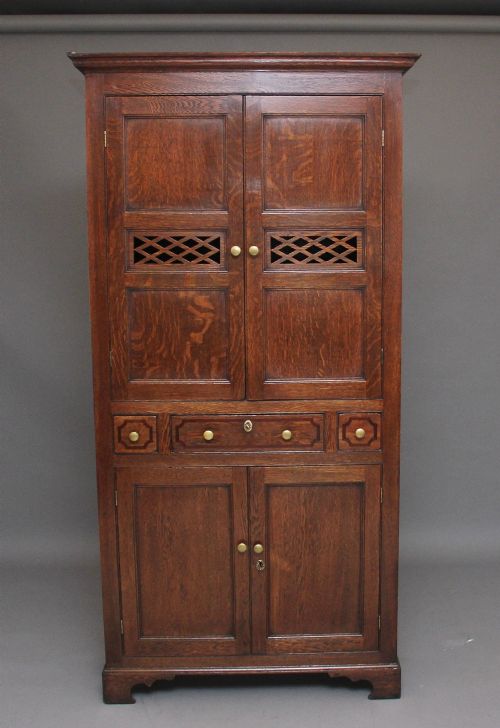
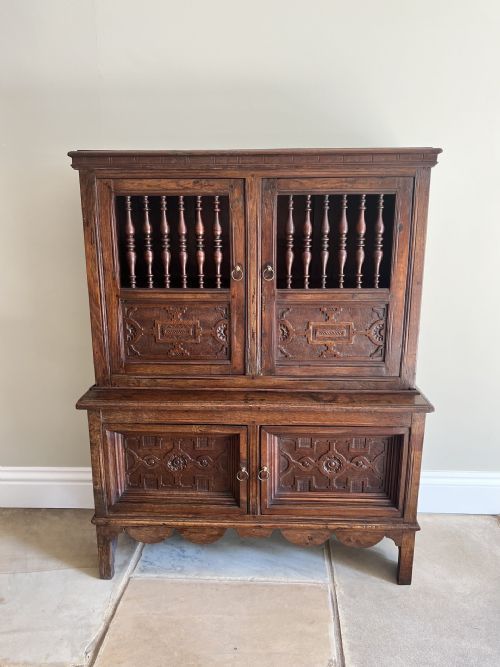
An antique bread safe encompasses domestic storage pieces such as food cupboards, food safes, panetieres, and hanging wall cabinets. These items originate across periods including the 17th Century, 18th Century, 19th Century, Georgian, and 1920.
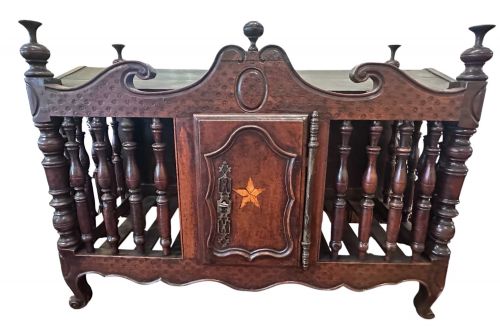
The version most commonly met on this page is the French walnut or fruitwood panetiere, alongside British oak, pine, and painted country food cupboards. These pieces reflect regional vernacular traditions from French provincial workshops to Welsh and Scottish domestic interiors.
How they were made
Cabinet makers utilised solid timbers such as oak, walnut, fruitwood, and pine, constructing carcases with pegged joints and traditional framing. Iron and brass fittings, including original blacksmith-made hinges and locks, secure the doors and structural elements.
Surfaces display various finishes from natural waxed oak and walnut to original paint and sign-written details. Ventilation panels often feature turned spindles or pierced wooden slats to allow air circulation around stored food.
A distressed vintage pine cupboard on this page bears later sign-writing for Hovis bread, adding a cheerful touch of old grocery history.
What varies in quality
The standard of an antique bread safe depends on the integrity of its timber, the presence of original ironmongery such as blacksmith locks and hinges, and the crispness of any turned spindlework or carving. Pieces retaining their original painted surfaces or distinctive serpentine fronts sit higher in the range than heavily altered examples.
Proportion and regional vernacular character also define the grade, with smaller hanging cabinets and finely detailed French panetieres demonstrating superior cabinet making compared to utilitarian pantry cupboards.
The Antique Bread Safe Glossary
- Panetiere
- A traditional freestanding or wall-mounted cabinet designed specifically for storing and drying bread, frequently featuring spindle-turned galleries.
- Food cupboard
- A domestic storage piece fitted with ventilated panels or mesh doors to protect perishables from insects while allowing air circulation.
- Vernacular
- Regional furniture built by local craftsmen using traditional local styles and available timbers rather than following metropolitan court fashions.
- Serpentine
- A gently curving cabinet front shape that undulates in a convex-concave-convex line, commonly seen on finer walnut panetieres.
Antique Bread Safe: Frequently Asked Questions
What is a panetiere?
A panetiere is a specific type of bread safe originating from France, designed with spindle-turned sides to keep loaves ventilated and safe from household pests.
These pieces were often mounted on walls or placed on low tables in traditional provincial kitchens.
How were bread safes used?
Bread safes were utilised in domestic kitchens to store daily baked bread, keeping the crust dry and protected from animals before the advent of modern refrigeration.
The ventilated panels allowed air to circulate around the loaves, preventing premature mould in damp conditions.
How do I date an antique food cupboard?
Dating relies on examining the timber species, construction methods like hand-cut pegs, and the style of iron hinges and locks. Earlier pieces from the 17th and 18th centuries typically display heavier oak construction and hand-forged hardware.
Later 19th-century and 1920 examples often utilise pine or walnut and exhibit more standardised machine-assisted joinery.
Can I use an antique bread safe in a modern kitchen?
These cupboards adapt well to contemporary interiors as spice cabinets, dry-goods storage, or decorative wall units. Their compact proportions make them suitable for hanging or placing on countertops.