

Antique Brass Wall Hanging
An antique brass wall hanging brings functional warmth and historic metalwork directly onto a room's vertical surfaces.
Antique Brass Wall Hanging
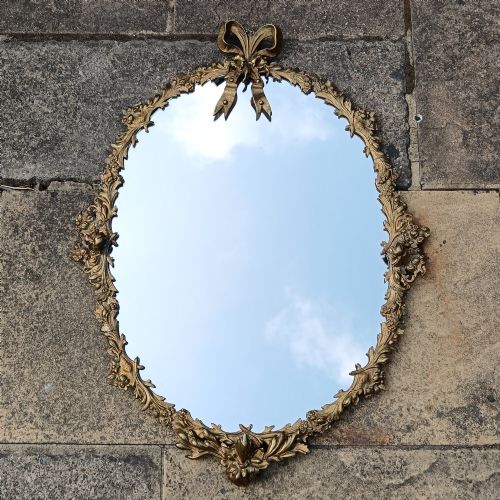
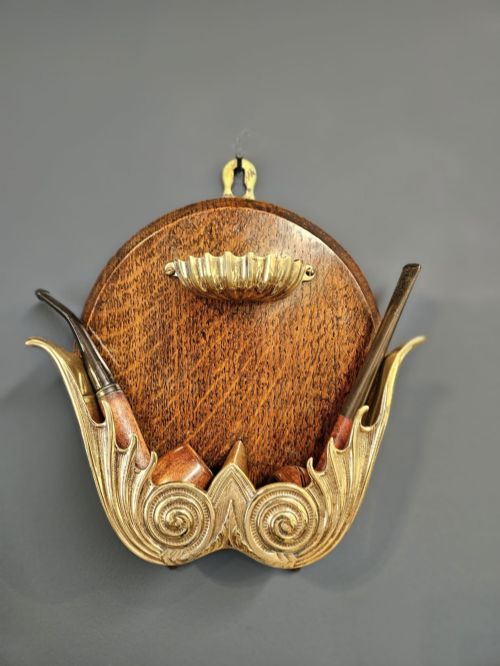
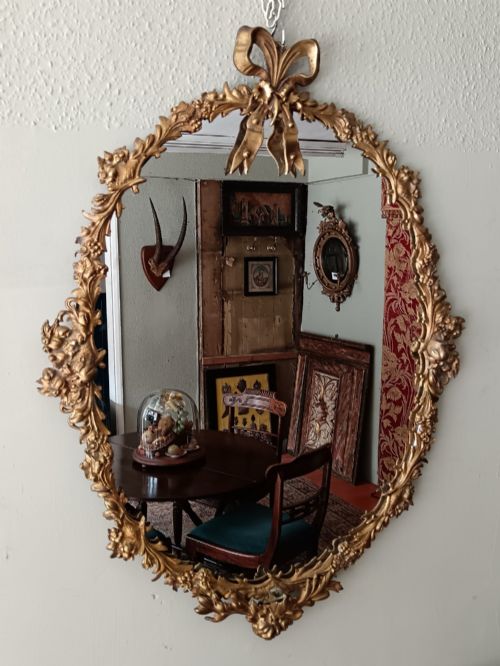
When searching for an antique brass wall hanging, buyers encounter a diverse selection of domestic items designed to be mounted securely on walls. These pieces frequently manifest as pressed brass mirrors, decorative letter racks, wall gongs with mounted brass fittings, and large metal chargers produced during the eighteenth and nineteenth centuries.
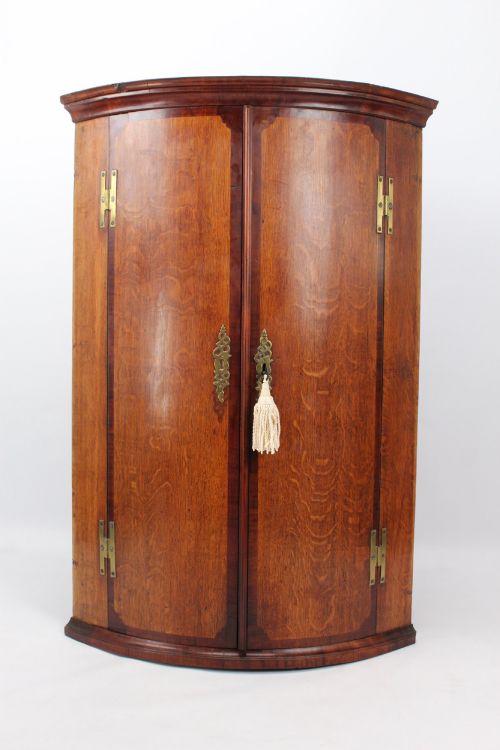
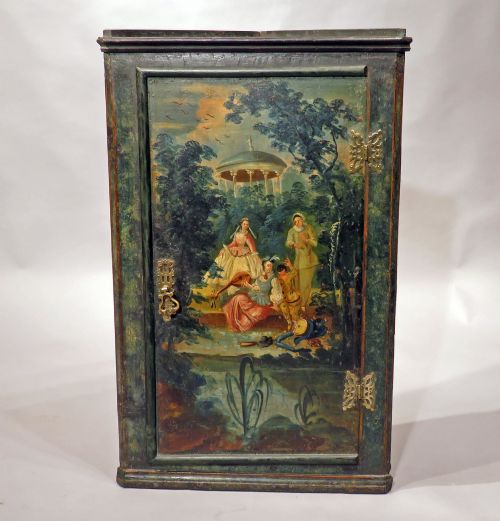
The specimens most commonly met on this page span the Victorian period through to the early twentieth century, reflecting the era's widespread use of brass for utilitarian and decorative interior items. Alongside pure metal objects, many listed items integrate brass mounts and hinges onto wooden wall structures such as oak corner cupboards and mahogany display cabinets.
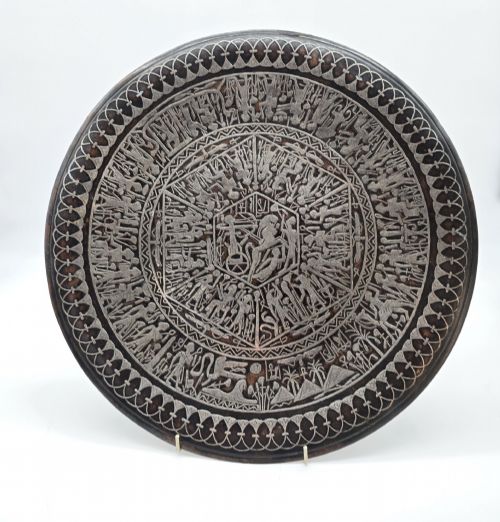
Geographic origins vary from English country house pieces to French Louis XVI revival items and decorative works influenced by Aesthetic Movement and Egyptian Cairo Ware styles. This mix provides buyers with both modest domestic accessories and substantial decorative focal points for period interiors.
Materials and Technique
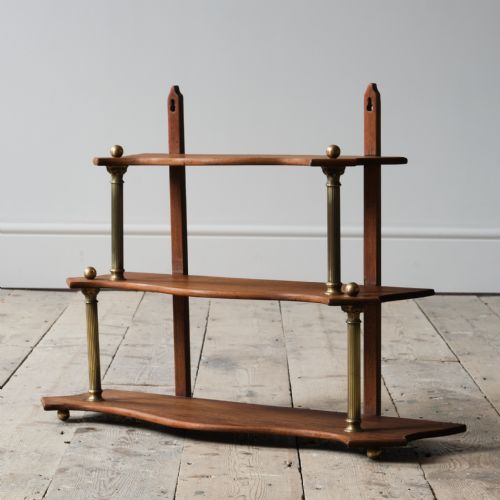
The physical construction of these pieces relies heavily on sheet and cast brass combined with seasoned timbers like oak, mahogany, and walnut. Metal elements are shaped through casting, hand engraving, and pressing, creating relief decoration that ranges from geometric patterns to cherubs and animal motifs.
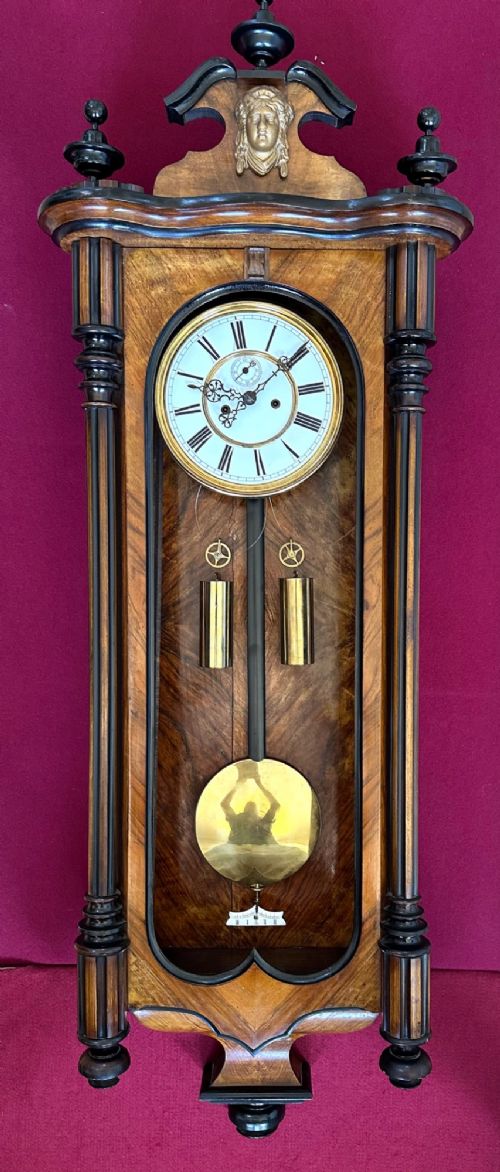
Wooden components found in hanging cabinets, corner cupboards, and clock cases display traditional joinery techniques including dovetailing, turning, and inlays of contrasting wood or metal. Glass elements, when present in mirrors or display cases, are secured within wooden or brass frames using period fitting methods.
A nineteenth-century dinner gong mounted with a carved wooden dragon head ensures dinner guests arrive promptly.
Standards of Craftsmanship
Quality in these items is determined by the crispness of the metal casting and the precision of any hand engraving or chasing applied to the brass surface. Finer examples exhibit deep relief, clean lines, and careful finishing that maintains sharp detail across decorative motifs.
Material selection also dictates the grade of the piece, with solid timbers, substantial brass gauges, and original glass plates separating superior items from simpler utilitarian equivalents. The integration between metal mounts and wooden backings demonstrates the maker's overall standard of execution.
John Moyr Smith
The Antique Brass Wall Hanging Glossary
- Aesthetic Movement
- A late nineteenth-century design style emphasising visual beauty over narrative content. It draws heavily on Japanese and Anglo-Japanese motifs, frequently appearing in brass work and domestic furnishings.
- Gilt Bronze
- Bronze or brass treated with a thin layer of gold or gold-coloured wash. This technique adds a bright metallic sheen that resists tarnishing over decades.
- Plumbago
- An early form of black-lead drawing executed on vellum or prepared paper. These detailed miniature portraits date back to the seventeenth and eighteenth centuries.
- Stick Barometer
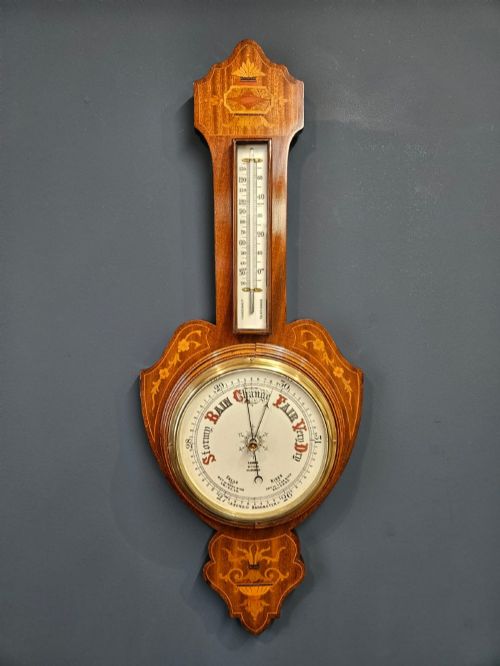
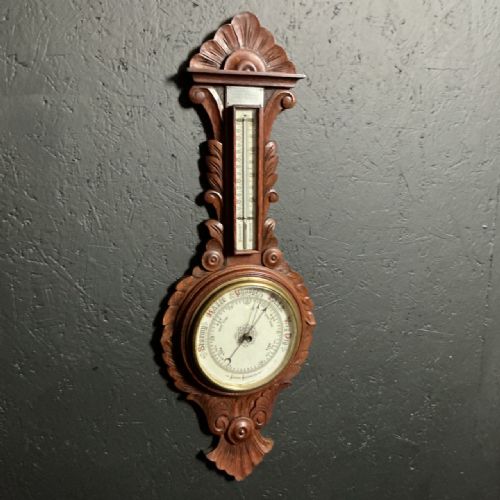
- A mercury barometer housed within a long, narrow wooden case. It permits precise reading of atmospheric pressure changes through an exposed glass tube.
Antique Brass Wall Hanging: Frequently Asked Questions
How do I hang a heavy brass wall cabinet safely?
Wall cabinets require secure anchoring into solid masonry or direct wooden studs using appropriate heavy-duty fixings matched to the weight of the timber and brass components.
Distributing the load evenly across multiple fixing points prevents structural strain on antique joints and hanging brackets.
How should I clean antique brass without damaging the surface?
Dust the metal gently with a soft, dry cloth to remove surface particles without disturbing the underlying oxidation or historic patina.
Avoid harsh chemical dips or abrasive metal polishes that strip away the aged finish and diminish the piece's character.
What distinguishes Victorian brasswork from Georgian pieces?
Georgian brass items tend to display restrained neoclassical lines, heavier gauge metals, and hand-finished detailing characteristic of workshop production.
Victorian pieces often showcase machine-assisted stamping, revivalist motifs inspired by Gothic or Renaissance styles, and more exuberant surface decoration.
Can I use an antique brass barometer to check the weather?
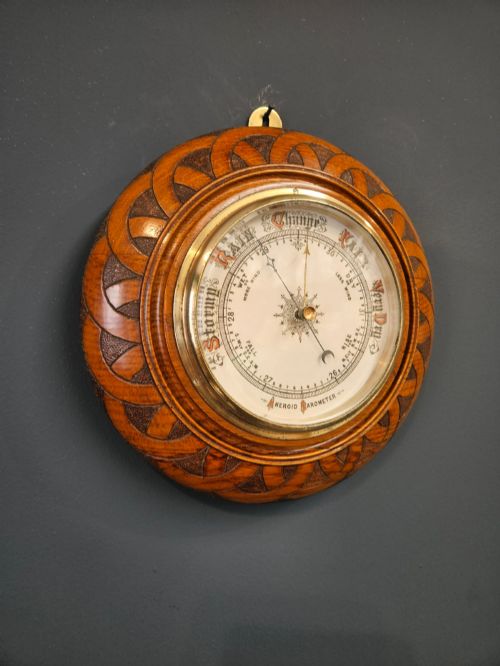
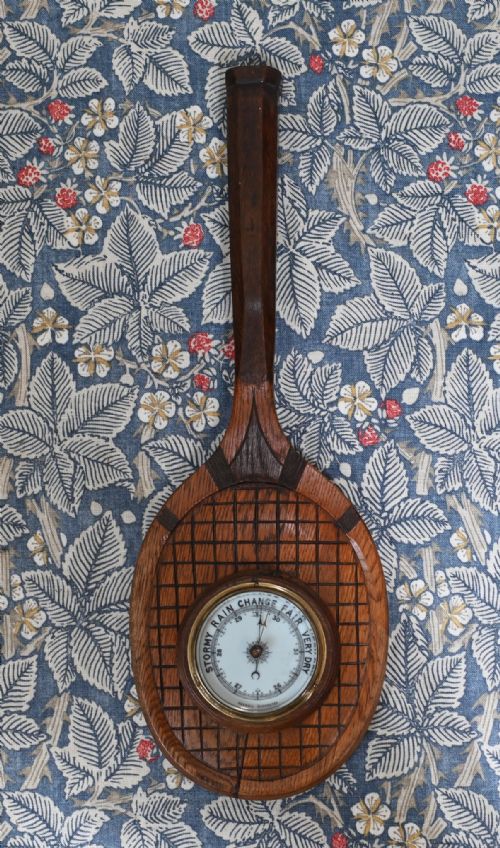
Many vintage aneroid and stick barometers remain mechanically responsive to atmospheric pressure changes once properly calibrated.
Internal linkages can be sensitive, so gentle handling and stable indoor environments ensure the mechanism continues to function accurately.