





Antique Bronze Knocker
These antique bronze knockers range from seventeenth-century continental castings to Victorian revivals, offering robust metalwork that secures and adorns an entrance.
Antique Bronze Knocker
An antique bronze knocker is a piece of architectural hardware designed for mounting on an exterior entrance door to announce visitors. The selection spans structural door knockers, decorative mounts, and letter boxes combined with pull handles.
Most examples appearing here belong to the nineteenth century, including Victorian pieces with classical revival and Gothic motifs. Earlier centuries are represented by seventeenth-century continental work and eighteenth-century designs.
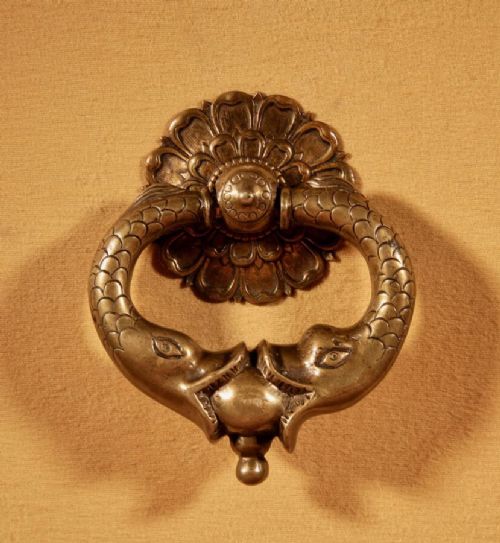
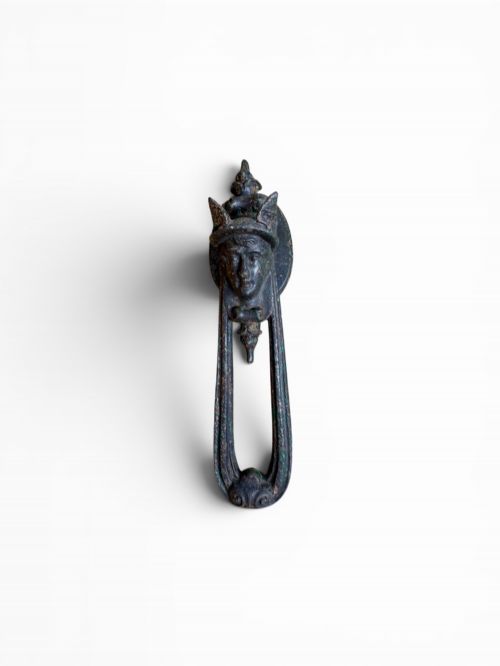
Forms vary widely from lion masks and ram heads to human hands, laurel wreaths, and Egyptian sphinxes. Buyers encounter both substantial heavy castings and more decorative polished bronze items intended for prominent display.
How they were made
Surface finishes range from polished bronze to patinated surfaces achieved over centuries of handling and exposure. Some items incorporate separate striking plates and backplates secured directly to the timber door.
Antique Bronze Knocker Retail Price Guide 2026
Typical asking prices for bronze knocker among the pieces listed under this phrase on Sellingantiques today, from the lower quarter to the upper quarter. They describe what is for sale here now, not the wider market.
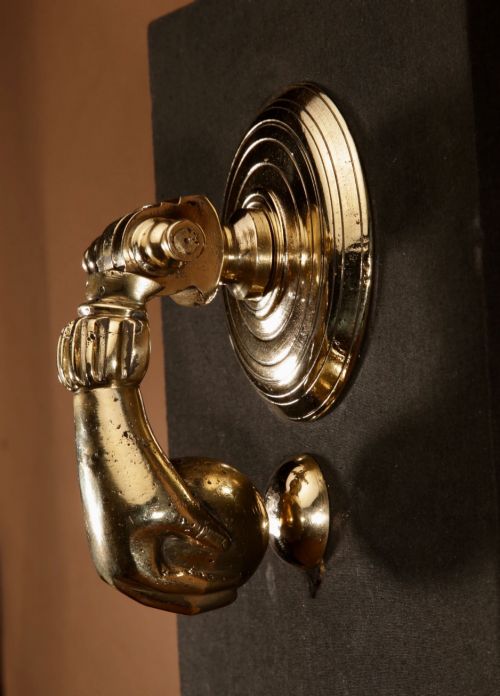
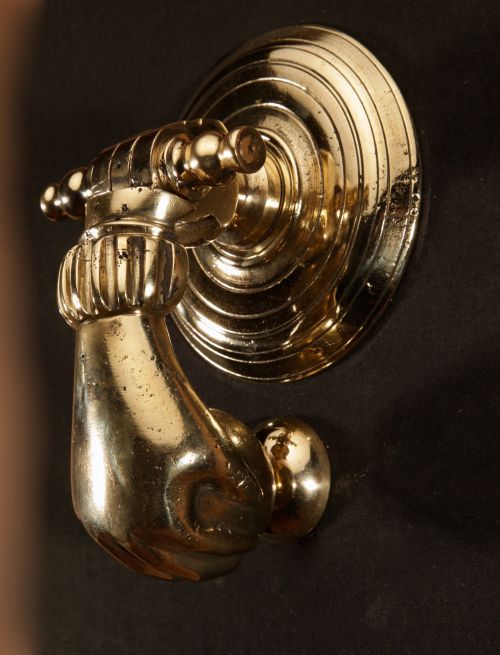
A Victorian hand-shaped knocker lets you shake hands with every visitor before they even cross the threshold.
What varies in quality
The choice of alloy and weight also marks the tier of a piece, with heavy solid bronze or cast brass providing greater substance than lighter cast metals. Original mounting hardware and surface integrity further distinguish superior examples from standard production.
The Antique Bronze Knocker Glossary
- Bronze
- A copper alloy typically containing tin, prized for its durability and suitability for exterior castings. It develops a rich patina over centuries.
- Cast Brass
- An alloy of copper and zinc shaped by pouring molten metal into a mould. It appears frequently in nineteenth-century hardware.
- Lion Mask
- A decorative motif shaped like a lion's face, commonly used as the striking base for heavy door knockers. The ring or hammer drops against the lower portion of the design.
- Egyptian Revival
- A nineteenth-century design style incorporating motifs from ancient Egypt such as sphinxes and pharaonic symbols. It reflects archaeological discoveries of the period.
- Architectural Hardware
- Functional metal objects attached to buildings, including door knockers, latches, and pull handles. These pieces combine utility with decorative expression.
Antique Bronze Knocker: Frequently Asked Questions
How do I mount a heavy bronze knocker?
Heavy antique knockers require secure fixings threaded through pre-drilled holes in solid timber doors. Match the screw metal to the existing backplate to prevent galvanic corrosion.
Ensure the striking plate aligns correctly with the hammer or ring to protect the door surface from repeated impact.
Can I polish my bronze knocker?
Polishing removes the accumulated dark patina that centuries of exposure create on copper alloys. Many collectors prefer to leave this historical surface undisturbed.
If you choose to polish, use a non-abrasive metal cleaner specifically formulated for bronze to preserve the underlying relief details.
Are these knockers suitable for exterior use?
Most antique bronze and brass knockers were cast specifically for exterior entrance doors and withstand normal weather conditions. Bronze resists corrosion better than iron or plain steel.
Protecting the moving pivot joint with a light application of oil keeps the action smooth through seasonal temperature changes.
How do I date a Victorian cast iron knocker?
Victorian cast iron knockers often display manufacturer registration marks, patent numbers, or distinct revival styles such as Gothic or classical motifs. Compare the weight and casting seams with known nineteenth-century production standards.
Surface oxidation and remnants of early paint layers offer further clues to the age of the ironwork.