


Antique Brass Rail
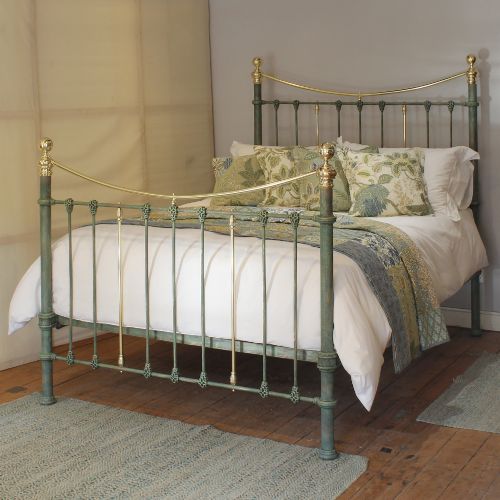
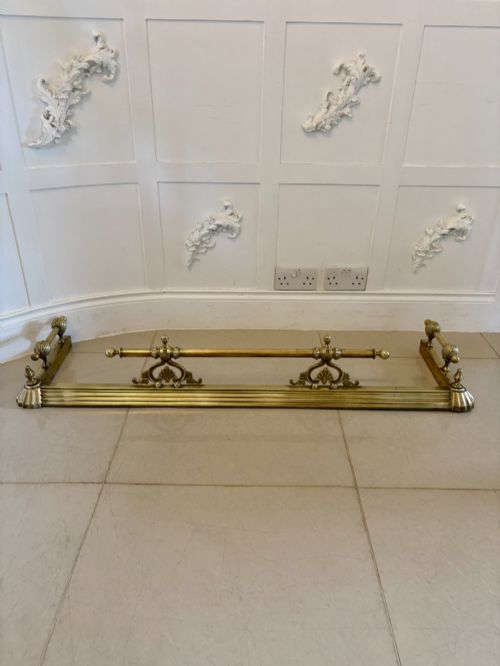
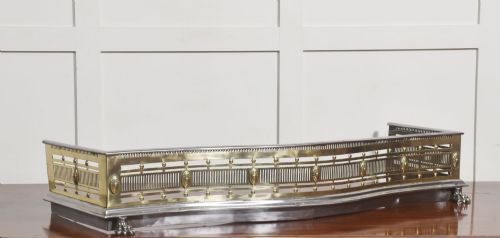
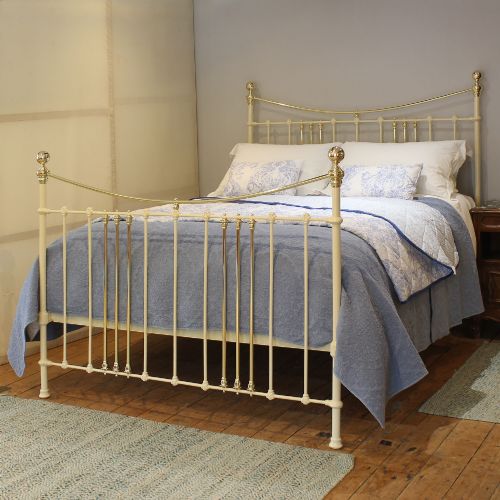
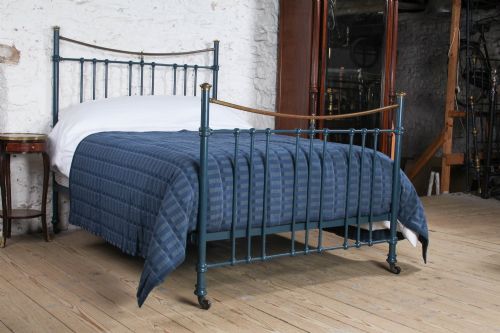
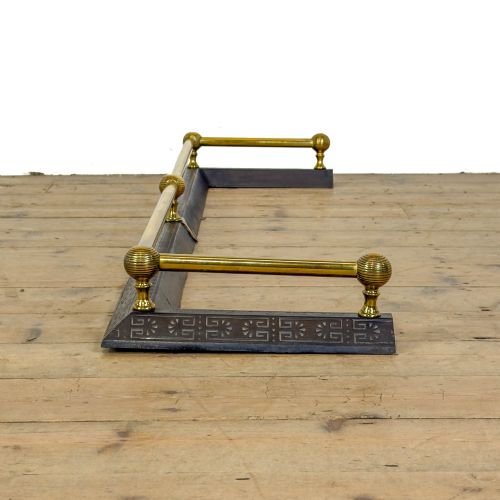
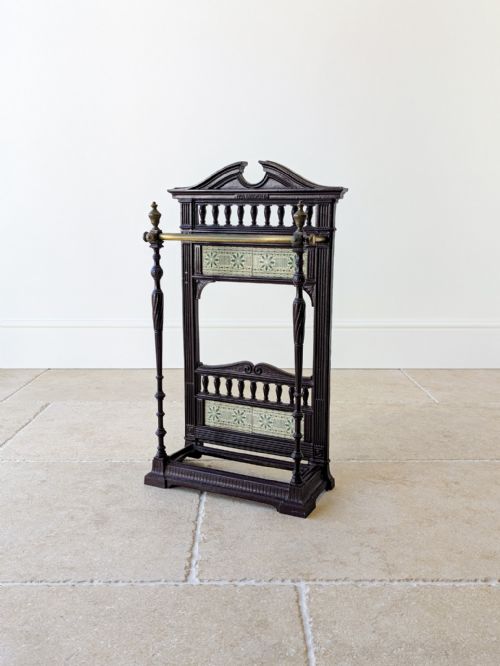
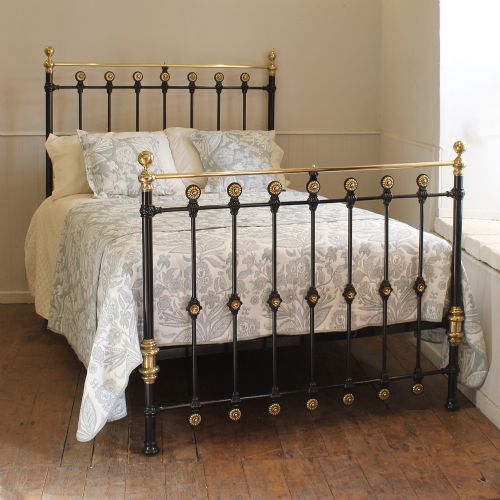
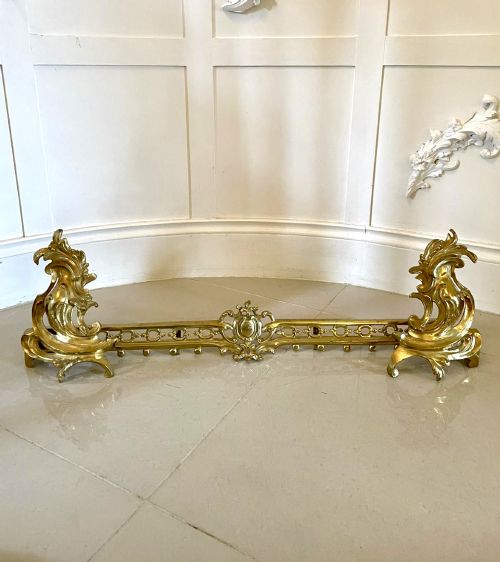
An antique brass rail brings substance and structural warmth to a room, appearing most frequently on this page as part of sturdy fireplace fenders, heavy iron bedsteads, and hallway coat racks.
Antique Brass Rail
When you search for an antique brass rail, you encounter functional domestic ironwork and furniture fittings from the Victorian and Edwardian eras. These pieces combine utilitarian metal frames with polished brass components designed for daily household use.
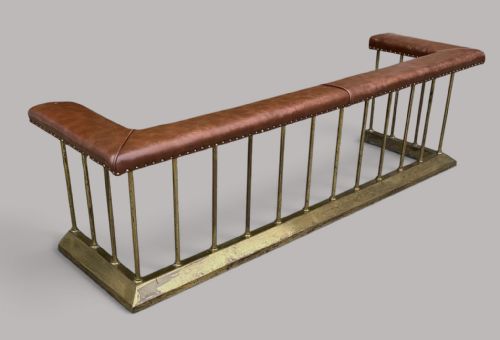
The most common forms on this page include fireplace fenders, bed frames, and wall-mounted coat racks featuring cast brass hooks. You also find specialised items like club fenders with leather seating pads and railway hardware.
Origins span British workshops from the nineteenth and early twentieth centuries, alongside occasional French decorative items. Their construction reflects the heavy-duty manufacturing standards of the period.
Materials and construction methods
Makers utilised a combination of cast iron, wrought iron, and heavy brass tubing to build structural rigidity into beds and hearth surrounds. Brass sections were frequently cast or extruded before undergoing hand finishing and polishing.
Wooden backboards in mahogany, pine, or ebonised timber provide the mounting base for wall coat racks. These boards hold screwed-in brass hooks, often paired with white ceramic inserts or turned wooden details.
Assembly methods relied on threaded fixings, dovetails, and substantial iron brackets rather than modern adhesives. This mechanical joining ensures the durability observed in surviving examples.
Antique Brass Rail Retail Price Guide 2026
Typical asking prices for brass rail among the pieces listed under this phrase on Sellingantiques today, from the lower quarter to the upper quarter. They describe what is for sale here now, not the wider market.
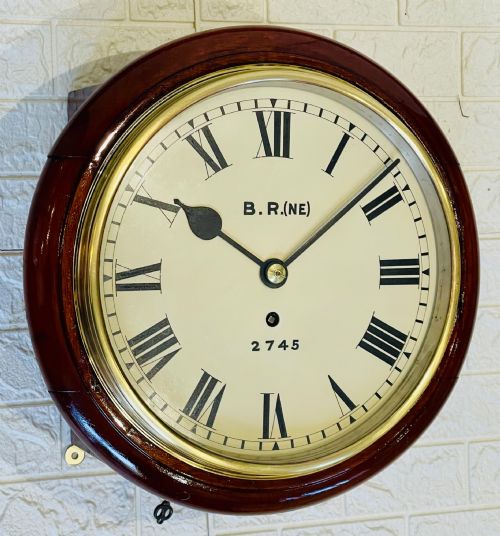
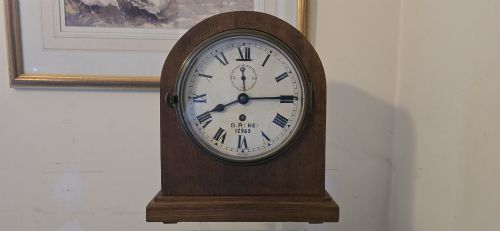
Railway clocks keep ticking from station walls long after the trains have gone.
Assessing quality in metalwork and fittings
Quality rests in the weight of the metal and the crispness of the casting work. Superior fenders and bed rails use thick-gauge brass and solid iron that resist bending under pressure.
Surface finishing distinguishes standard utilitarian output from finer decorative pieces. Better examples display carefully polished brass surfaces, intact patination, and securely mounted ceramic or timber elements without loose joints.
Coalbrookdale·John Walker
The Antique Brass Rail Glossary
- Dip rail
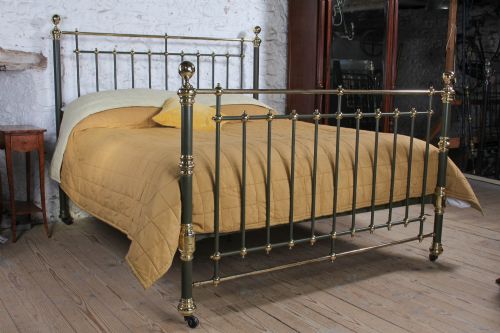
- A bed rail featuring a central downward curve along the top horizontal bar. This style originates in late Victorian and Edwardian bedroom furniture designs.
- Fire fender
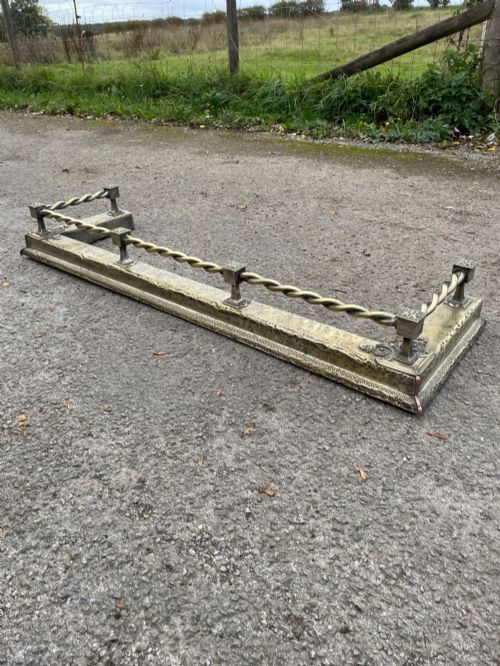
- A low metal barrier placed around a hearth to contain embers and protect the floor. These items frequently incorporate a brass rail standing upon an iron base.
- Club fender
- A large fireplace fender featuring upholstered leather seats on either side. They provide extra seating close to the fire.
- Fusee movement
- A clock mechanism utilising a conical pulley and chain to maintain even tension as the mainspring unwinds. This system ensures accurate timekeeping in railway wall clocks.
- Aesthetic movement
- A late nineteenth-century design style prioritizing visual beauty over narrative meaning. Pieces from this movement often combine ebonised wood with polished brass hardware.
Antique Brass Rail: Frequently Asked Questions
What is a club fender?
A club fender is a substantial hearth accessory featuring integrated upholstered seats flanking the fireplace opening. They were designed to let people sit close to the fire.
These pieces typically combine a heavy brass rail frame with mature leather top cushions. They serve as both functional fire guards and secondary seating in period reception rooms.
How do I date a brass bedstead?
Dating relies on examining the assembly methods, joint types, and the composition of the metal rails. Victorian examples often mix cast iron frames with applied brass tubing and decorative finials.
Edwardian pieces tend to show cleaner lines and refined casting details. Maker marks and the presence of original castors also help narrow down the decade of production.
Where were coat racks mounted?
Coat racks were traditionally fixed to hallway walls or behind doors to hold heavy outdoor garments. The backboards were screwed directly into wall studs to support the weight of winter coats.
Many surviving examples retain their original pine or mahogany backplates paired with multiple brass and ceramic hooks.
How should I clean antique brass?
Antique brass benefits from gentle dusting and occasional cleaning with a mild, non-abrasive metal polish. Scrubbing away the dark oxidation entirely is generally discouraged, as collectors value the aged patination.
Preserving the surface depth protects the character of the metal and maintains the visual appeal of the piece.