


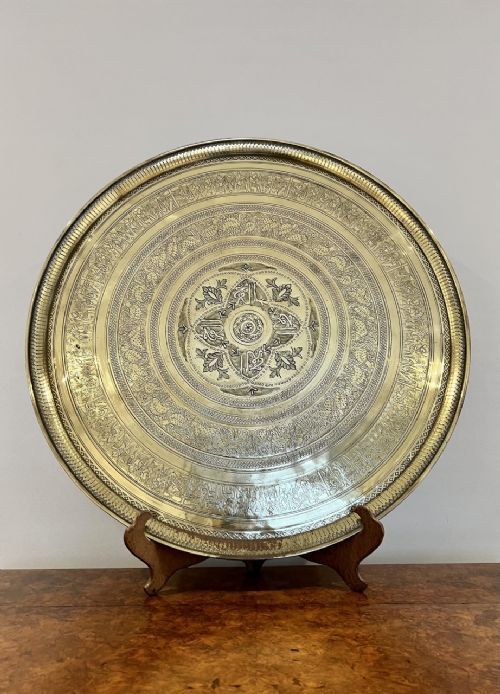
Antique Brass Plaque
An antique brass plaque brings centuries of metalwork and relief carving into domestic spaces, prized for rich patinas and intricate regional designs.
Antique Brass Plaque
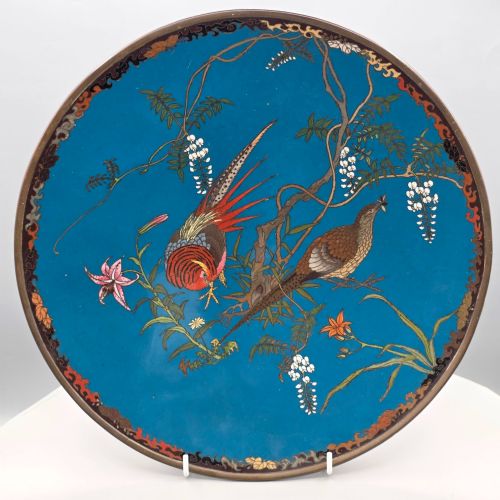
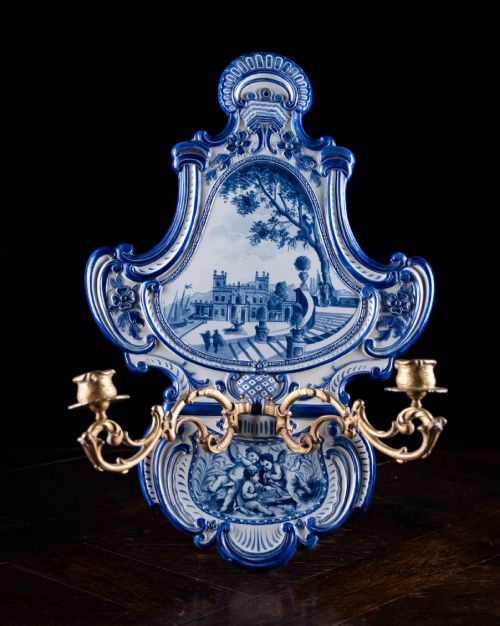
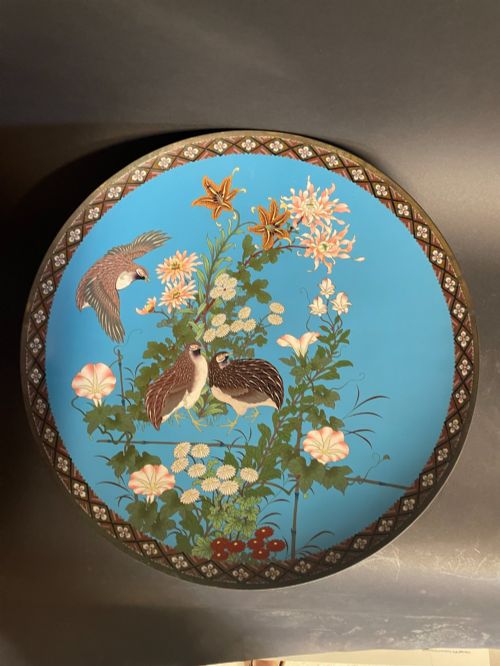
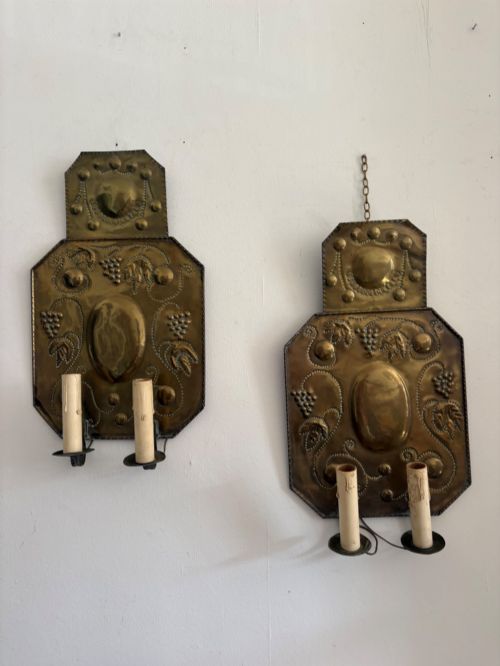
Many pieces originate from distinct stylistic movements, including Japanese Meiji period cloisonné chargers, Islamic Cairo Ware trays, and Dutch repoussé wall sconces. Smaller items such as snuff box lids and safe plates also appear, demonstrating the wide scope of metalwork produced in past eras.
Materials and construction
Makers utilised cast and sheet brass, frequently combining it with copper, enamel, and porcelain inserts to achieve varied textural contrasts. Surface decoration relied heavily on repoussé techniques, hammering the metal from behind to raise striking low-relief designs.
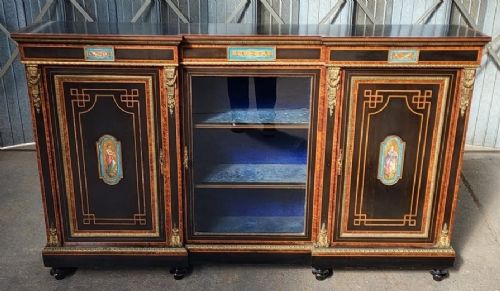
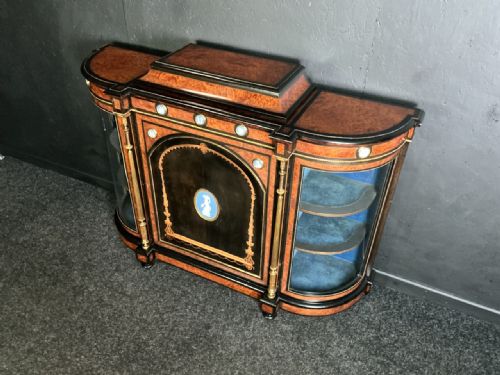
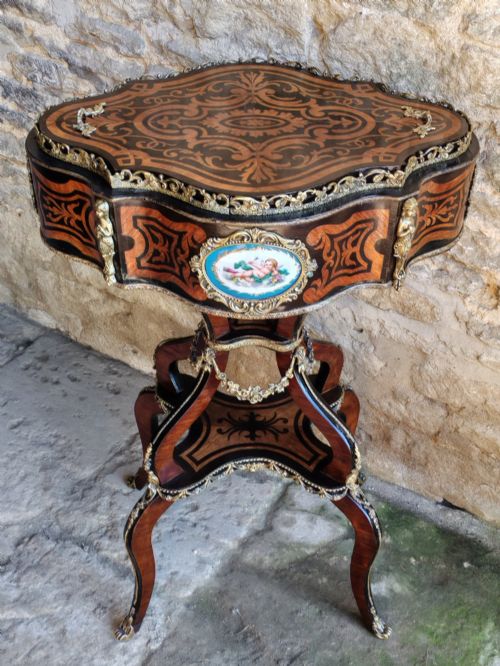
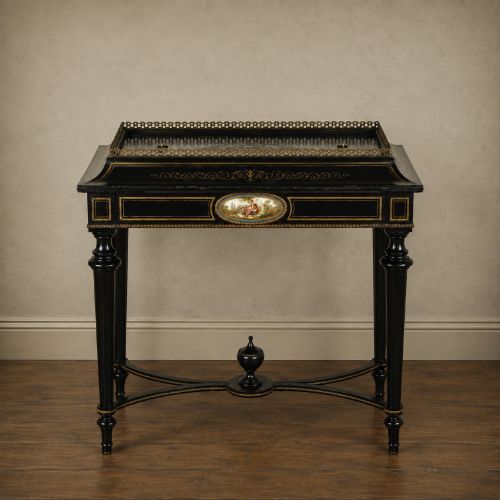
Engraving and chasing added fine linear details to foliate patterns and figurative scenes, while cloisonné methods incorporated enamel wires on metal bases. Ormolu mounts and ebonised wood frames occasionally complemented these metal panels.
Listings feature brass plaques alongside copper trays and enamel items from the Victorian, Georgian, and Meiji periods.
Assessing craftsmanship
The standard of an antique brass plaque rests on the crispness of the chasing and the depth of the repoussé work, where sharper relief denotes superior hand-tooling. Smoother joints and finely executed borders distinguish master metalwork from simpler production.
The integration of secondary materials like enamel or porcelain, coupled with the complexity of the engraved motifs, separates everyday items from exceptional decorative pieces.
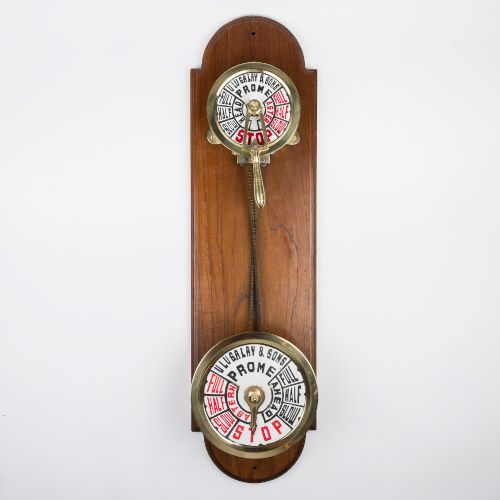
Villeroy and Boch·Ulugary and Sons
The Antique Brass Plaque Glossary
- Repousse
- A metalworking technique where the artisan hammers a sheet of brass from the reverse side to create a raised design on the front. This method allows for deep, expressive three-dimensional pictorial scenes.
- Cloisonne
- An ancient decorative art in which thin metal wires are soldered to a metal base to form compartments filled with enamel paste. These pieces are then fired and polished to a smooth finish.
- Cairo Ware
- Late nineteenth-century Islamic metalwork featuring intricate inlaid silver and copper calligraphy or geometric patterns upon a brass ground. These decorative trays and chargers became highly fashionable in Europe.
- Ormolu
- Finely ground high-carat gold cast and chased onto a bronze or brass object. It provides a bright, durable golden finish often seen on nineteenth-century mounts and decorative hardware.
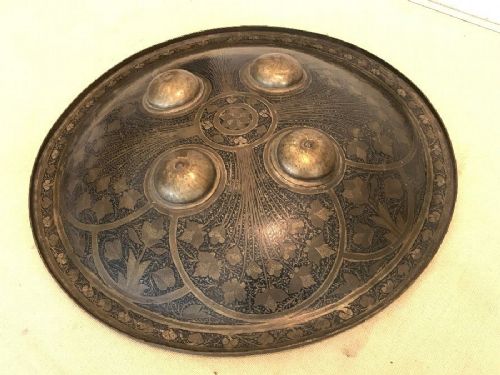
- Dhal
- A traditional Indian shield often made of brass or steel with engraved foliate decoration and central bosses. These functional items frequently double as decorative wall plaques.
Antique Brass Plaque: Frequently Asked Questions
How were brass plaques used historically?
Historically, brass plaques served multiple functions including wall decoration, religious devotion, architectural signage, and commemorative displays. Some functioned as shields or presentation pieces.
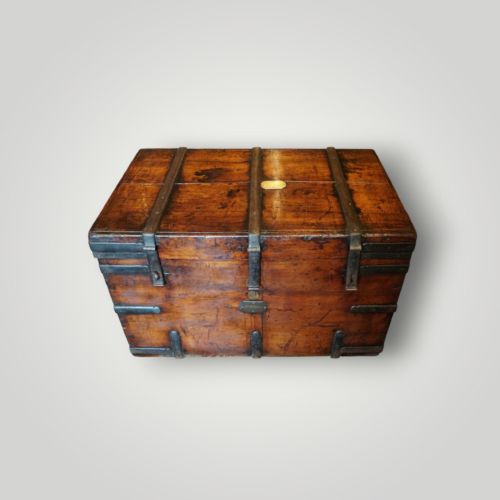
Others were mounted onto furniture, cabinetry, or boxes to elevate the decorative scheme of domestic interiors.
How do I care for antique brass?
Antique brass benefits from gentle dusting with a soft, dry cloth to prevent the accumulation of abrasive particles. Avoid harsh chemical cleaners that strip away the natural historic patina.
Maintaining a stable indoor humidity helps protect any accompanying wood, enamel, or porcelain components from damage.
How can I tell the age of a plaque?
Dating relies on examining the manufacturing marks, tool traces, material composition, and stylistic motifs present on the piece. Hand-beaten surfaces and regional engraving styles often correspond to specific nineteenth-century revival movements or earlier centuries.
Comparing construction methods with dated examples helps narrow down the period of origin.