


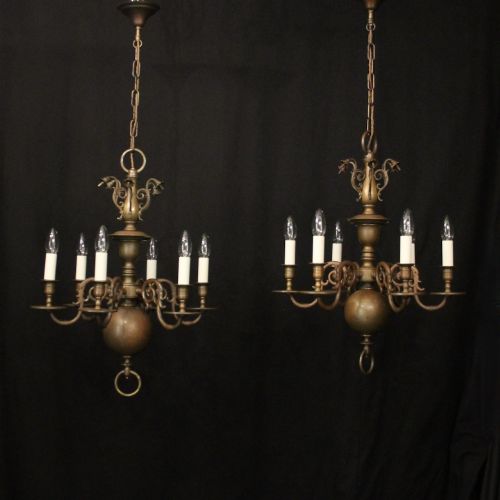
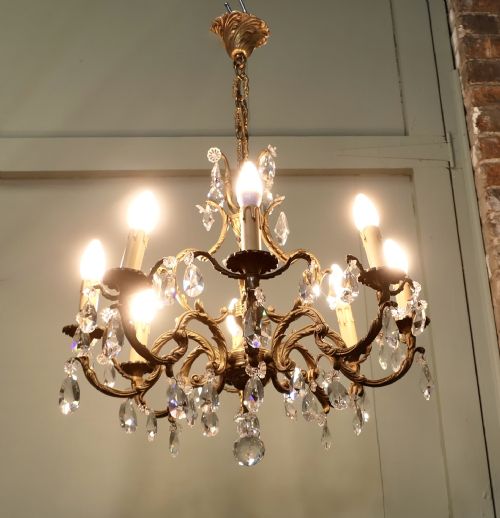
Antique Brass Lighting Fixture
An antique brass lighting fixture brings steady warmth and heavy metal character to a room, shifting overhead illumination from a utility to a focal point.
Antique Brass Lighting Fixture
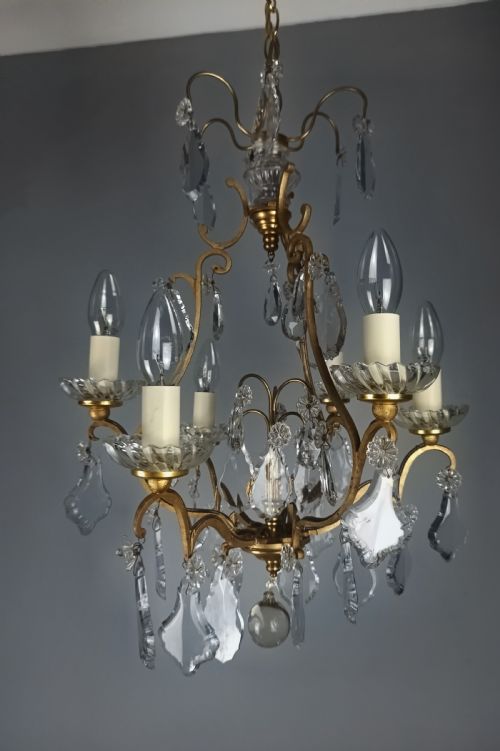
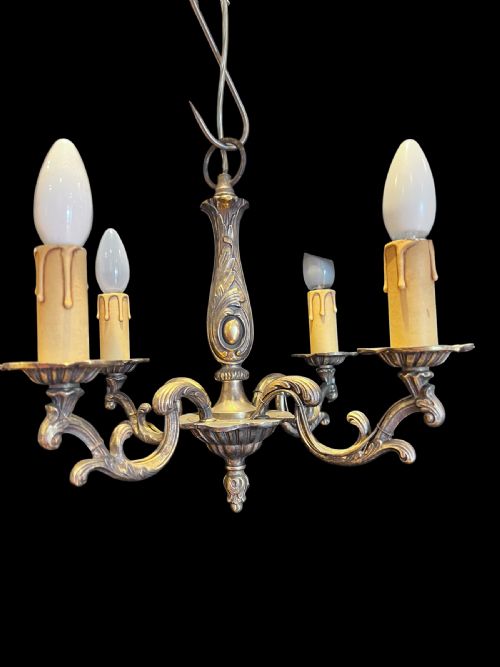
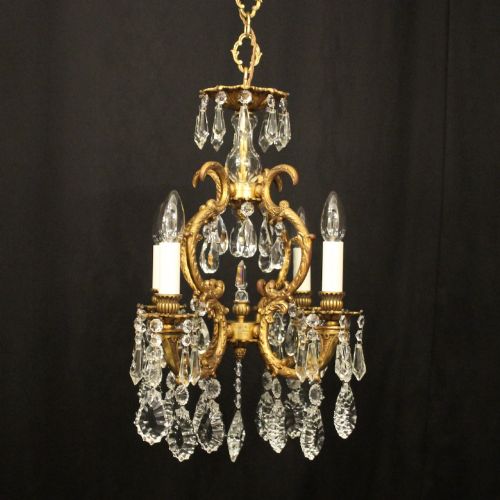
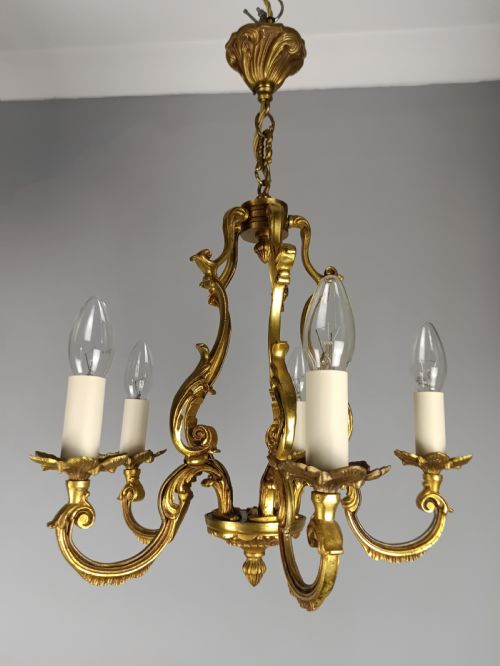
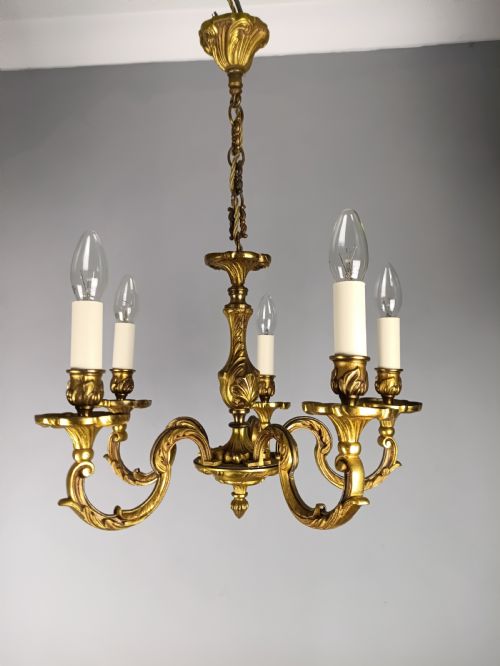
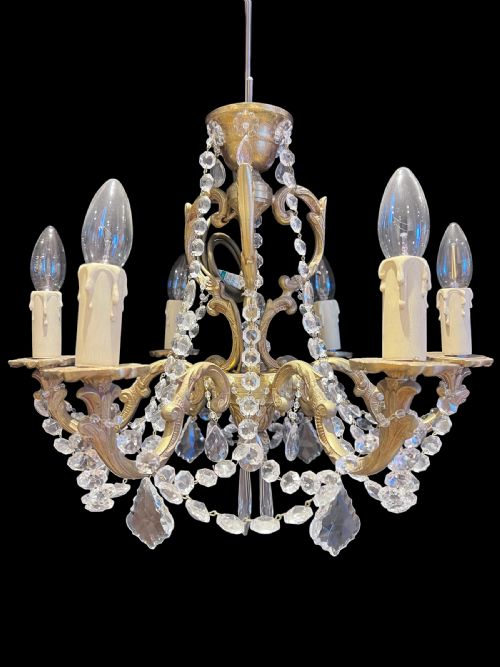
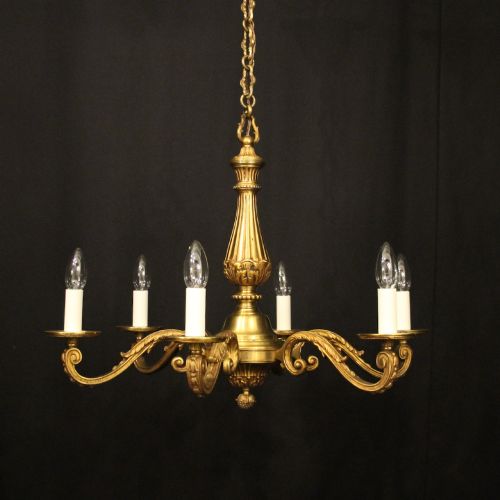
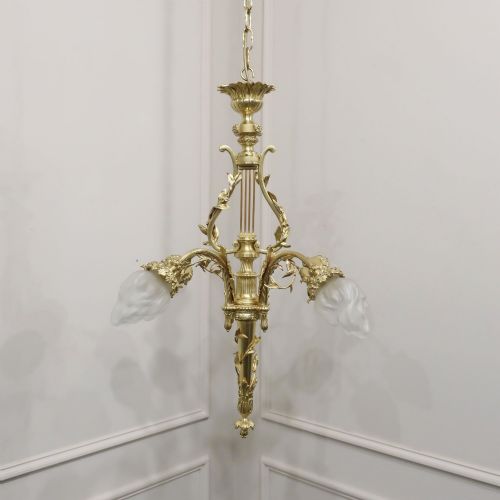
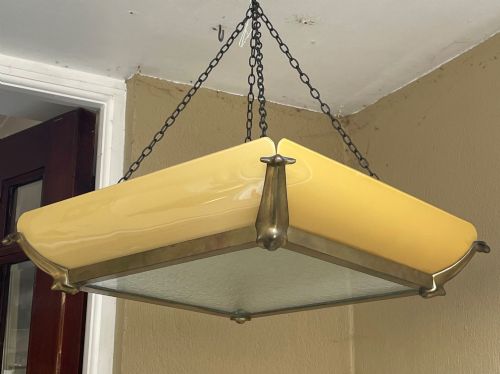
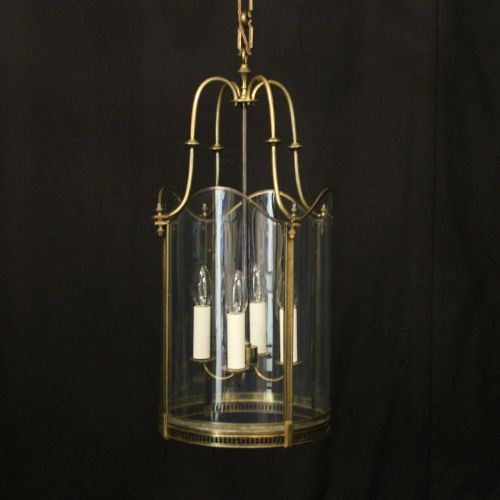
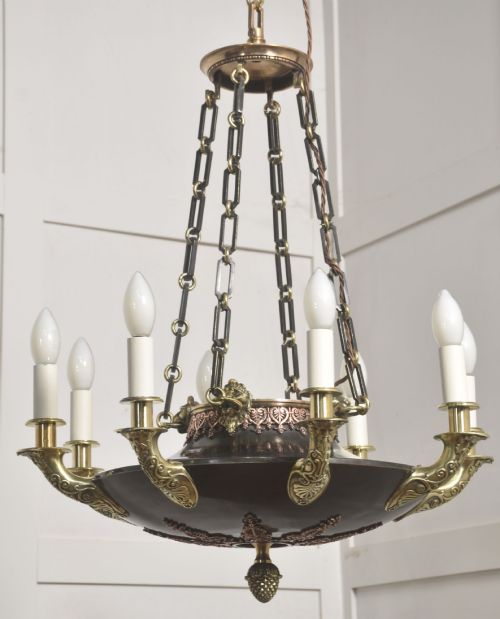
An antique brass lighting fixture spans a wide range of ceiling and wall forms, with French chandeliers and hall lanterns appearing most frequently across the selection. These pieces date primarily from the nineteenth century through the early twentieth century, taking shape in styles such as French Empire, Art Deco, and Edwardian. Buyers encounter everything from multi-arm crystal-hung chandeliers to compact wall sconces and convex hall lanterns.
The objects serve specific domestic roles, originally designed to cast light across billiard tables, entrance halls, and formal reception rooms. Many examples incorporate glass drops, crystals, or opalescent shades alongside the primary metal frame. The diversity of periods ensures that both ornate gilt bronze and simpler brass work remain available to collectors.
Materials and construction methods
Makers constructed these pieces using cast brass, gilt bronze, and copper, often combining the metalwork with cut glass, crystal lustres, and bevelled glass panels. Frames were cast, chased, and occasionally gilded to achieve a rich surface finish that held up under candle or early electric illumination. Structural elements like the metal arms and chains were joined securely to bear the weight of heavy glass components.
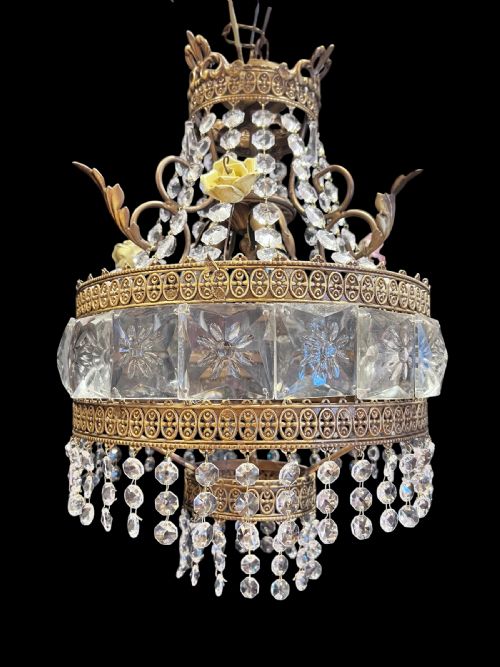
Detailing relied on specialised artisan techniques, from hand-cut crystal drops hung on wire pins to delicate porcelain flowers and opalescent glass shades. Iron and copper appear in specific arts and crafts or industrial pieces, while gilt finishes provide a brighter decorative impact on formal French models. The combination of solid metal casting and glass optics defines the durability of the surviving examples.
Distinctions in manufacture and preservation
Quality separates pieces by the crispness of the bronze casting and the depth of the original gilding rather than superficial brightness. Superior fixtures display sharp chisel work on the metal mounts and retain intact, high-grade crystal or cut glass rather than modern replacement drops. The integration of decorative elements, such as porcelain flowers or bevelled glass stars, indicates the original ambition of the design.
The integrity of the structural joints and the retention of matching components across multi-light configurations also dictate the standing of a piece. Finer examples show careful proportioning in the tent and waterfall arrangements or the framing of hall lanterns, maintaining balance and visual weight without sagging or distortion.
The Antique Brass Lighting Fixture Glossary
- Chandelier
- A branched ceiling-mounted lighting fixture designed to hold multiple bulbs or candles. These pieces often feature glass crystals or decorative arms.
- Gilt Bronze
- Bronze metal that has been coated with a thin layer of gold or gold-coloured alloy. This material resists tarnishing and provides a bright, luxurious surface.
- Hall Lantern
- An enclosed ceiling fixture typically hung in an entryway or corridor. They often use convex or bevelled glass panels within a brass or bronze frame.
- Tent and Waterfall
- A chandelier configuration featuring a conical upper section of strung crystals dropping into a wider cascading fringe below. This style creates a dense, light-refracting display.
- Sconce
- A decorative wall-mounted lighting fixture with one or more arms extending forward. They mirror the design motifs of contemporaneous chandeliers.
Antique Brass Lighting Fixture: Frequently Asked Questions
How do I hang a heavy antique chandelier?
Heavy fixtures require direct anchoring to a ceiling joist using a steel support box capable of holding the total weight. An experienced electrician should handle the installation to ensure the wiring and structural support meet safety standards.
Most antique fixtures utilise heavy chain and canopy assemblies that distribute the load evenly. Professional mounting protects both the ceiling structure and the antique metalwork from accidental strain.
Can these fixtures be wired for modern bulbs?
Most antique lighting can be adapted for contemporary electrical standards by a qualified restorer. Rewiring preserves the original sockets and internal channels where possible while ensuring safe operation.
Low-wattage LED bulbs that mimic the warmth of older lighting are frequently used to protect delicate glass and fabric components from excessive heat.
How do I clean crystal and brass safely?
Dust brass components gently with a soft, dry cloth and avoid harsh chemical polishes that strip historic patina. Crystal drops can be wiped individually with a mild soapy solution while still attached or removed for thorough cleaning.
Careful handling prevents damage to fragile wire pins and delicate glass edges during maintenance.
What is an Edwardian lighting fixture?
Edwardian fixtures date from the early twentieth century and generally favour lighter, more refined proportions than heavy Victorian designs. They frequently combine brass frames with simple glass shades or subtle crystal detailing.
These pieces reflect a transition toward cleaner lines while maintaining traditional metalworking techniques.